
Space Planning and Utilization
Space Planning and Utilization in Facility Management for Hotels involves the strategic allocation and organization of physical spaces within a hotel property to optimize functionality, efficiency, and guest experience. Effective space plan…
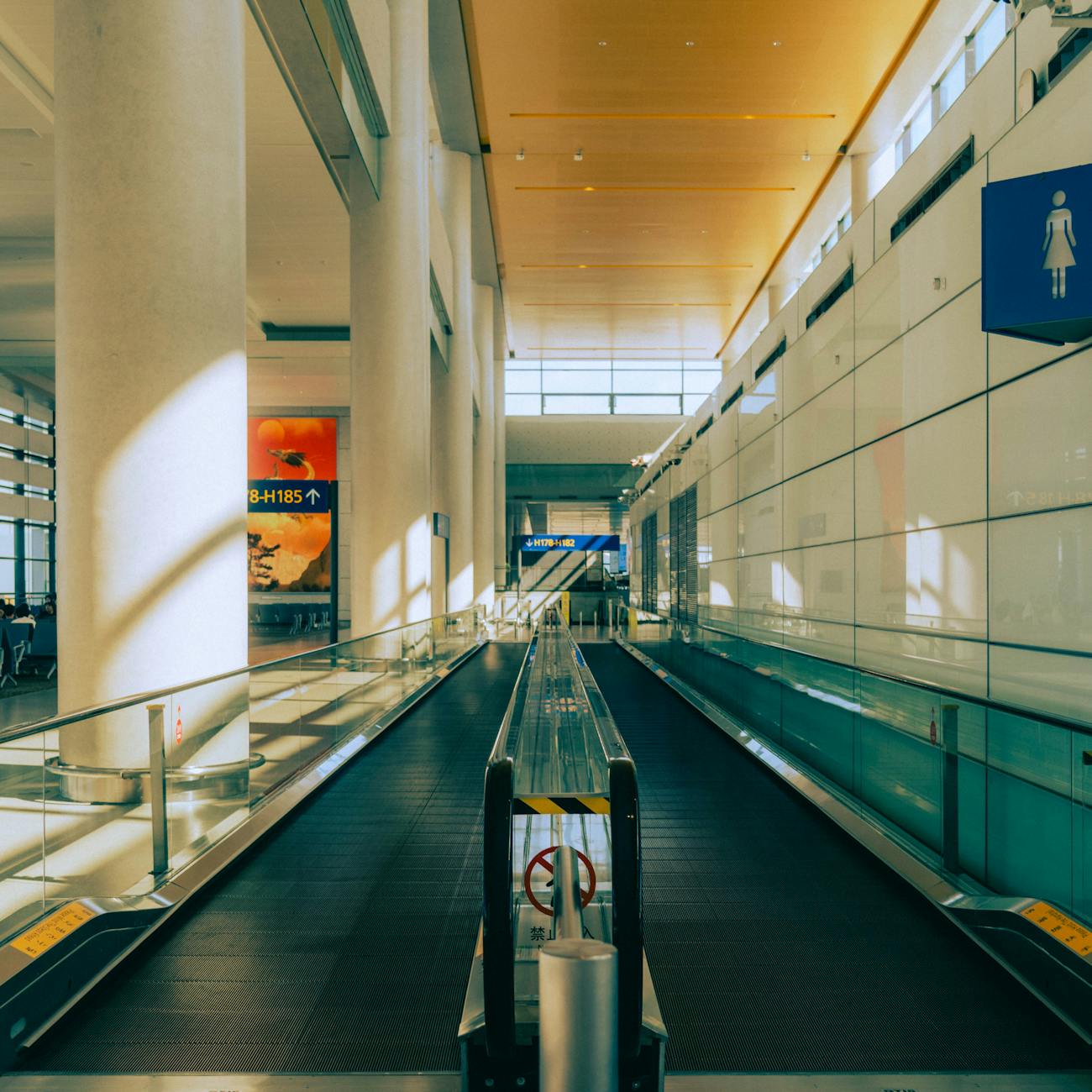
Space Planning and Utilization in Facility Management for Hotels involves the strategic allocation and organization of physical spaces within a hotel property to optimize functionality, efficiency, and guest experience. Effective space planning is crucial for ensuring that the available space is utilized in the most efficient and cost-effective manner, while also meeting the needs and expectations of both guests and staff.
Key Terms and Vocabulary:
1. Space Planning: The process of analyzing, organizing, and designing physical spaces to make them more functional and efficient. It involves determining the best use of available space to meet the needs of the hotel and its guests.
2. Utilization: The efficient use of space to maximize its potential and meet the needs of the hotel. Utilization involves optimizing the use of space to improve efficiency and productivity.
3. Floor Plan: A detailed drawing that shows the layout of a space, including the location of walls, doors, windows, furniture, and other elements. Floor plans are essential for visualizing the space and planning its layout.
4. Zoning: The division of a space into different zones or areas based on their function or purpose. Zoning helps to organize the space and optimize its use for specific activities or functions.
5. Circulation: The flow of people and goods within a space. Circulation paths should be carefully planned to ensure smooth movement and accessibility throughout the hotel.
6. Space Efficiency: The measure of how effectively space is utilized to meet the needs of the hotel. Space efficiency involves maximizing the use of available space while minimizing waste.
7. Space Optimization: The process of making the best use of available space to improve functionality, efficiency, and productivity. Space optimization involves analyzing the space and identifying opportunities for improvement.
8. Flexibility: The ability of a space to adapt to changing needs and requirements. Flexible spaces can be easily reconfigured to accommodate different activities or functions.
9. Ergonomics: The study of how people interact with their environment, including the design of furniture, equipment, and spaces to optimize comfort, safety, and efficiency. Ergonomics is important in space planning to create spaces that are user-friendly and comfortable.
10. Traffic Flow: The movement of people within a space, including the paths they take and the areas they visit. Traffic flow should be carefully considered in space planning to ensure efficient movement and accessibility.
11. Space Standards: Guidelines and criteria for determining the appropriate size and layout of spaces within a hotel. Space standards help to ensure consistency and efficiency in space planning.
12. Space Allocation: The process of assigning specific areas of a hotel for different functions or activities. Space allocation involves determining the best use of space to meet the needs of the hotel.
13. Space Utilization Rate: The measure of how effectively space is used within a hotel. Space utilization rate is calculated by dividing the actual space used by the total available space.
14. Space Management: The ongoing process of monitoring, evaluating, and adjusting space allocation and utilization to ensure optimal efficiency and functionality. Space management involves making informed decisions about space use based on data and feedback.
15. Space Planning Software: Tools and applications used to assist in the design and layout of spaces within a hotel. Space planning software helps to visualize and optimize space for improved efficiency and functionality.
16. Occupancy Rate: The percentage of available rooms or spaces that are occupied at a given time. Occupancy rate is an important metric for measuring the utilization of space within a hotel.
17. Space Optimization Strategies: Techniques and approaches used to maximize the use of space within a hotel. Space optimization strategies may include reconfiguring layouts, streamlining processes, and implementing technology solutions.
18. Space Planning Committee: A group of stakeholders responsible for overseeing and making decisions related to space planning within a hotel. The space planning committee may include representatives from different departments to ensure a holistic approach to space utilization.
19. Space Utilization Audit: A comprehensive assessment of how space is currently used within a hotel. A space utilization audit helps to identify inefficiencies, opportunities for improvement, and areas for optimization.
20. Space Planning Principles: Fundamental guidelines and best practices for effective space planning within a hotel. Space planning principles help to ensure that spaces are designed and utilized in a way that maximizes functionality and efficiency.
Practical Applications:
1. Hotel Room Layout: Space planning is crucial for designing efficient and comfortable hotel rooms. The layout of furniture, fixtures, and amenities should be carefully planned to optimize space and enhance the guest experience.
2. Lobby Design: The design of the hotel lobby plays a key role in creating a welcoming and functional space for guests. Space planning is essential for organizing seating areas, reception desks, and circulation paths to ensure a smooth flow of guests.
3. Meeting Spaces: Effective space planning is important for designing meeting rooms and event spaces within a hotel. The layout of furniture, AV equipment, and presentation areas should be optimized to accommodate different types of events and group sizes.
4. Restaurant Layout: Space planning is critical for designing efficient and attractive restaurant spaces within a hotel. The layout of tables, seating areas, and service stations should be carefully planned to maximize capacity and enhance the dining experience.
5. Staff Workspaces: Space planning is essential for creating functional and efficient workspaces for hotel staff. The layout of offices, storage areas, and service stations should be optimized to support productivity and collaboration.
Challenges:
1. Limited Space: Hotels often face the challenge of limited space, especially in urban areas where real estate is expensive. Space planning is crucial for optimizing the use of available space and maximizing efficiency.
2. Changing Needs: The needs and preferences of guests and staff may change over time, requiring hotels to adapt their space planning strategies. Flexibility and adaptability are key to meeting evolving demands.
3. Budget Constraints: Space planning initiatives must often be balanced against budget constraints, requiring hotels to prioritize investments and make strategic decisions to optimize space utilization.
4. Regulatory Requirements: Hotels must comply with building codes, zoning regulations, and safety standards, which can impact space planning decisions. It is important to consider regulatory requirements when designing and allocating space.
5. Stakeholder Input: Space planning decisions may involve multiple stakeholders with different perspectives and priorities. Effective communication and collaboration are essential for ensuring that all stakeholders are aligned on space utilization goals.
In conclusion, Space Planning and Utilization in Facility Management for Hotels is a critical aspect of hotel operations that impacts guest experience, staff productivity, and operational efficiency. By applying key terms and vocabulary related to space planning, hotel managers can effectively design, organize, and optimize physical spaces to meet the needs and expectations of guests and staff. Through practical applications and addressing challenges, hotels can enhance their space planning strategies and achieve greater efficiency and effectiveness in space utilization.
Key takeaways
- Space Planning and Utilization in Facility Management for Hotels involves the strategic allocation and organization of physical spaces within a hotel property to optimize functionality, efficiency, and guest experience.
- Space Planning: The process of analyzing, organizing, and designing physical spaces to make them more functional and efficient.
- Utilization: The efficient use of space to maximize its potential and meet the needs of the hotel.
- Floor Plan: A detailed drawing that shows the layout of a space, including the location of walls, doors, windows, furniture, and other elements.
- Zoning: The division of a space into different zones or areas based on their function or purpose.
- Circulation paths should be carefully planned to ensure smooth movement and accessibility throughout the hotel.
- Space Efficiency: The measure of how effectively space is utilized to meet the needs of the hotel.