
Retail Promotions
Retail promotions are a key part of any retail marketing strategy, and are used to increase sales, attract new customers, and reward loyal ones. Here are some key terms and vocabulary related to retail promotions:
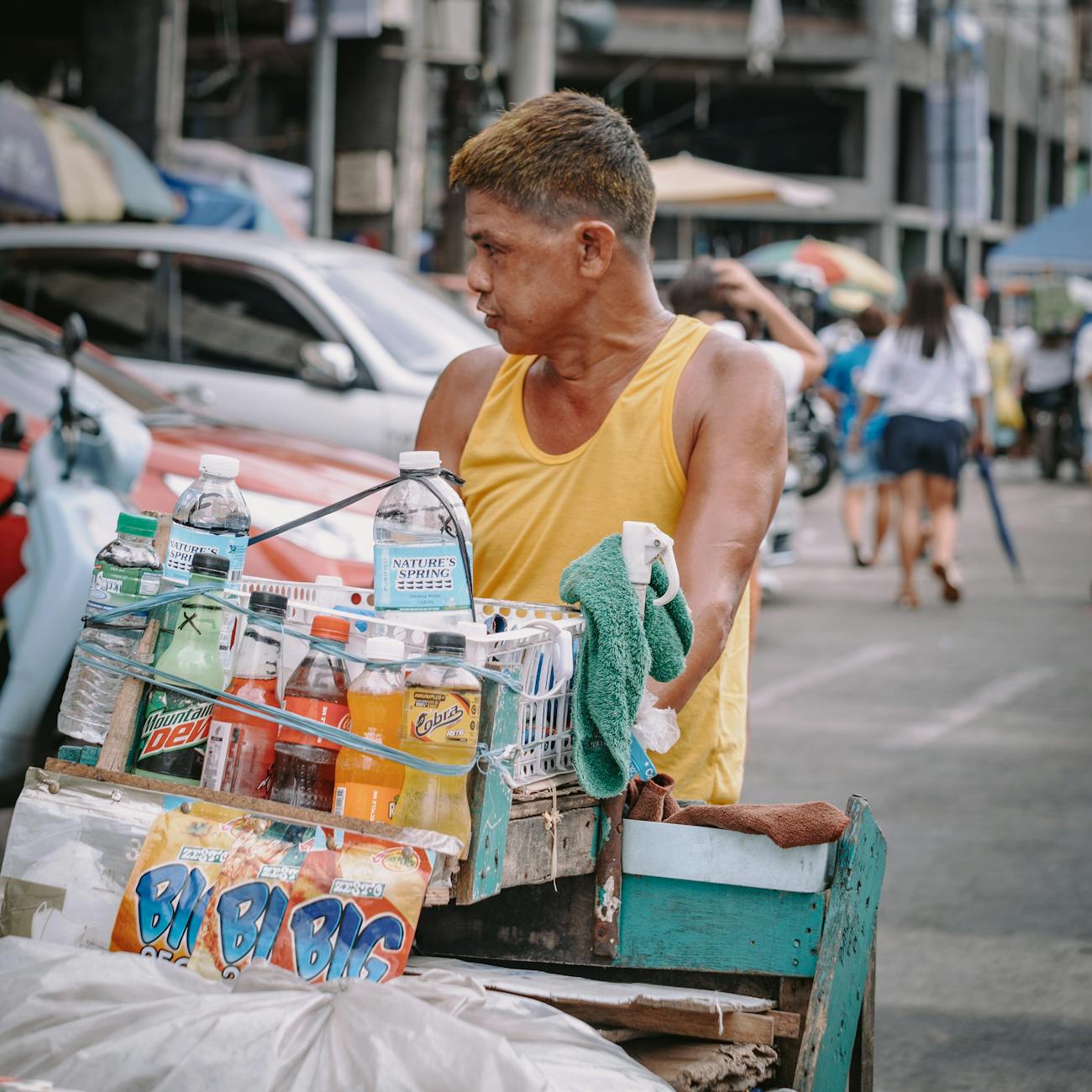
Retail promotions are a key part of any retail marketing strategy, and are used to increase sales, attract new customers, and reward loyal ones. Here are some key terms and vocabulary related to retail promotions:
1. **Promotion**: A marketing activity that aims to increase awareness, interest, and sales of a product or service. Promotions can take many forms, including discounts, special offers, events, and advertising campaigns. 2. **Retail promotion**: A promotion that is specifically designed for retail businesses, such as stores, restaurants, or online marketplaces. Retail promotions can be aimed at either consumers or other businesses (B2B). 3. **Markdown**: A reduction in the price of a product, usually as a percentage or a fixed amount. Markdowns are a common type of retail promotion, and are used to clear inventory, attract customers, or compete with rival businesses. 4. **Sale**: A period of time during which products are offered at reduced prices. Sales can be held at any time of the year, but are often associated with holidays, seasons, or special events. 5. **Clearance sale**: A sale that is held to clear out remaining inventory before a new season or product line is introduced. Clearance sales often offer deep discounts on older or slow-moving items. 6. **Bundle**: A group of related products that are sold together at a discounted price. Bundles can be used to increase sales, introduce new products, or encourage customers to try complementary items. 7. **Coupon**: A voucher or code that can be redeemed for a discount or other special offer. Coupons can be distributed through various channels, such as email, mail, newspapers, or websites. 8. **Loyalty program**: A program that rewards customers for their repeat business. Loyalty programs can offer various benefits, such as discounts, free products, or exclusive access to events. 9. **Contest or sweepstakes**: A promotional activity that involves a competition or random drawing for a prize. Contests and sweepstakes can generate buzz, increase engagement, and collect customer data. 10. **Event marketing**: A promotion that involves hosting or sponsoring an event, such as a concert, festival, or conference. Event marketing can create brand awareness, build relationships, and provide unique experiences. 11. **In-store promotion**: A promotion that takes place within a physical store, such as a display, demo, or sampling. In-store promotions can create impulse purchases, enhance the shopping experience, and differentiate from online competitors. 12. **Online promotion**: A promotion that takes place on a website, social media platform, or other digital channel. Online promotions can reach a wider audience, offer personalized recommendations, and track customer behavior. 13. **Call to action (CTA)**: A message or button that encourages customers to take a specific action, such as buying a product, signing up for a newsletter, or sharing a post. CTAs are an essential part of any promotion, as they guide customers towards the desired outcome. 14. **Promotion mix**: The combination of promotional tools and techniques that are used to achieve a marketing objective. The promotion mix can include advertising, public relations, sales promotion, direct marketing, and personal selling. 15. **Promotion strategy**: The plan for how promotions will be used to support the overall marketing goals. A promotion strategy should consider the target audience, product or service, budget, timeline, and metrics for success.
Examples:
* A clothing store holds a summer sale with markdowns of up to 50% off all swimwear and sandals. * A coffee shop offers a buy-one-get-one-free coupon for new customers who sign up for their loyalty program. * A home goods store hosts a DIY workshop for customers to learn how to decorate their homes for the holidays. * An online fashion retailer sends personalized email offers to customers based on their browsing and purchase history.
Practical applications:
* Use markdowns and sales to clear out inventory and make room for new products. * Offer bundles and loyalty programs to incentivize repeat business and increase customer value. * Use contests and sweepstakes to generate buzz and collect customer data. * Host events and demos to create unique experiences and build relationships. * Use CTAs and the promotion mix to optimize the impact of your promotions.
Challenges:
* Determining the right price point and discount for promotions. * Balancing short-term promotional goals with long-term brand building. * Measuring the effectiveness of promotions and adjusting strategies accordingly. * Avoiding over-reliance on promotions and devaluing the brand. * Staying compliant with legal and ethical guidelines for promotions.
Key takeaways
- Retail promotions are a key part of any retail marketing strategy, and are used to increase sales, attract new customers, and reward loyal ones.
- **Call to action (CTA)**: A message or button that encourages customers to take a specific action, such as buying a product, signing up for a newsletter, or sharing a post.
- * An online fashion retailer sends personalized email offers to customers based on their browsing and purchase history.
- * Offer bundles and loyalty programs to incentivize repeat business and increase customer value.
- * Measuring the effectiveness of promotions and adjusting strategies accordingly.