
Reflective Practice
Reflective Practice Reflective practice is a process where teachers critically analyze their own teaching methods, beliefs, and actions to improve their practice continuously. It involves reflecting on past experiences, identifying areas fo…
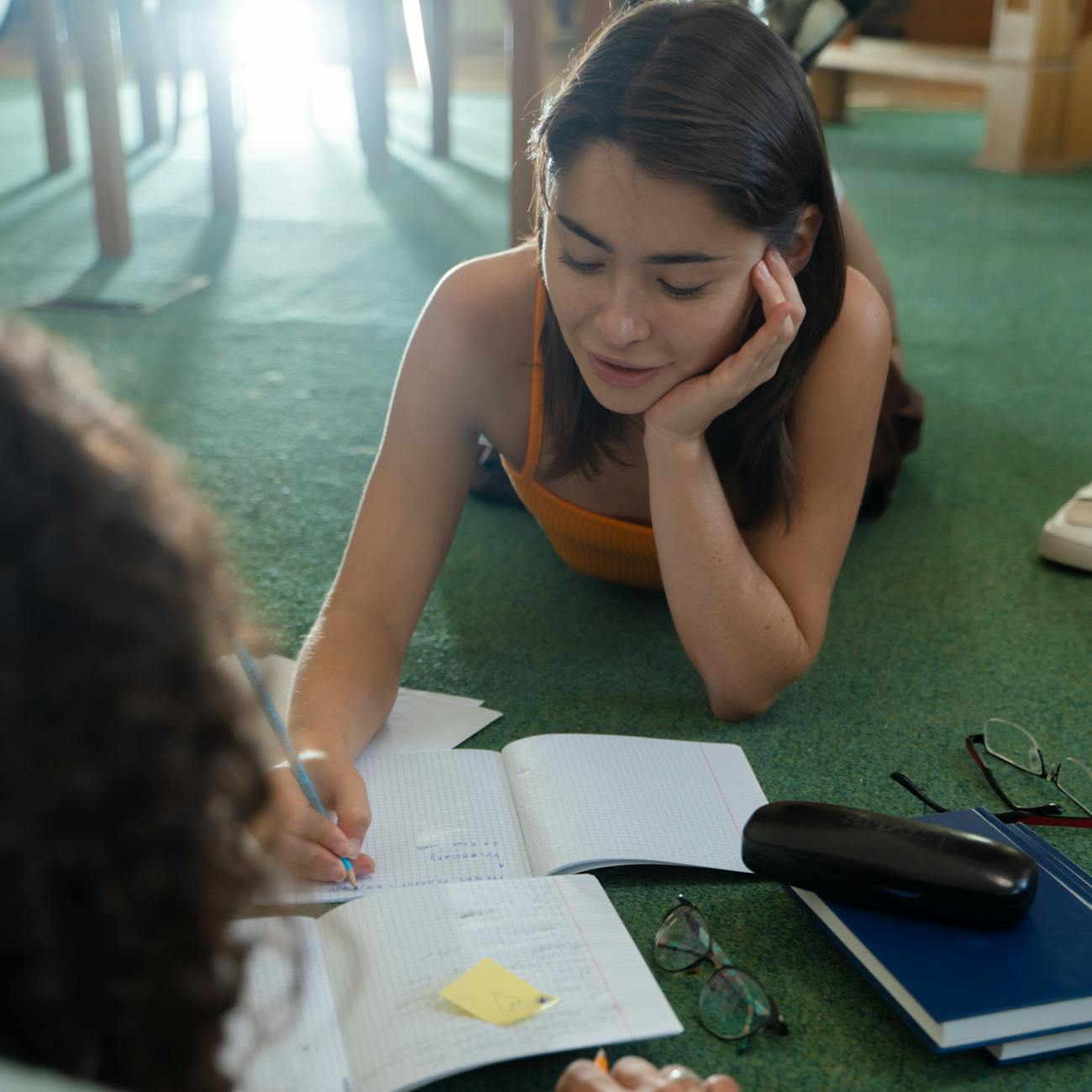
Reflective Practice Reflective practice is a process where teachers critically analyze their own teaching methods, beliefs, and actions to improve their practice continuously. It involves reflecting on past experiences, identifying areas for improvement, and making changes to enhance teaching effectiveness. This process is essential for professional growth and development in the field of education.
Reflective practice allows teachers to: - Gain a deeper understanding of their teaching practices - Identify strengths and weaknesses in their teaching methods - Enhance student learning outcomes - Develop new strategies to address challenges in the classroom - Foster a culture of lifelong learning and improvement
Reflective practice is an ongoing process that requires self-awareness, critical thinking, and a willingness to adapt and grow. It involves asking questions, seeking feedback from others, and engaging in self-assessment to enhance teaching and learning experiences.
International Baccalaureate (IB) The International Baccalaureate (IB) is a globally recognized educational foundation that offers a range of programs for students aged 3 to 19. These programs focus on developing students' intellectual, personal, emotional, and social skills to prepare them for success in a rapidly changing world. The IB aims to cultivate inquiring, knowledgeable, and caring young people who are motivated to create a better and more peaceful world through intercultural understanding and respect.
The IB programs include: - The Primary Years Programme (PYP) for students aged 3 to 12 - The Middle Years Programme (MYP) for students aged 11 to 16 - The Diploma Programme (DP) for students aged 16 to 19 - The Career-related Programme (CP) for students aged 16 to 19
IB teachers are required to undergo specialized training to deliver the IB curriculum effectively and support students in achieving their full potential. Reflective practice is a key component of IB teaching methods, as it helps teachers align their practices with the IB philosophy and principles.
Teaching Methods Teaching methods refer to the strategies, techniques, and approaches that educators use to facilitate student learning and development. There are various teaching methods that teachers can employ based on their goals, objectives, and the needs of their students. Some common teaching methods include:
- Lecture: A traditional method where the teacher presents information to students verbally. - Discussion: Encouraging students to engage in dialogue and debate to deepen their understanding of a topic. - Group work: Collaborative activities where students work together in small groups to complete tasks or projects. - Hands-on activities: Experiential learning opportunities that involve students in practical, real-world tasks. - Problem-based learning: Presenting students with real-life problems to solve through critical thinking and analysis. - Flipped classroom: Reversing the traditional classroom model by assigning lectures as homework and using class time for activities and discussions.
Effective teaching methods are flexible, engaging, and student-centered, catering to the diverse learning styles and preferences of students. Reflective practice helps teachers evaluate the effectiveness of different teaching methods and make informed decisions about how to best support student learning.
Formative Assessment Formative assessment is an ongoing process used by teachers to monitor student progress, provide feedback, and adjust instruction to improve learning outcomes. Unlike summative assessment, which evaluates student learning at the end of a unit or course, formative assessment occurs throughout the learning process to inform teaching and learning practices.
Examples of formative assessment methods include: - Quizzes and tests: Short assessments administered during a lesson or unit to gauge student understanding. - Exit tickets: Quick assessments given at the end of a lesson to assess student learning and identify areas for improvement. - Peer feedback: Students providing constructive feedback to their peers on their work or presentations. - Classroom discussions: Engaging students in dialogue to assess their understanding and encourage critical thinking. - Observations: Teachers observing students' behavior, participation, and engagement in class activities.
Formative assessment helps teachers identify student strengths and weaknesses, tailor instruction to meet individual needs, and guide students towards achieving learning objectives. Reflective practice plays a crucial role in formative assessment, as it allows teachers to reflect on assessment data, adjust instructional strategies, and provide targeted feedback to support student learning.
Collaborative Learning Collaborative learning is an instructional approach where students work together in groups to achieve common learning goals. This method emphasizes teamwork, communication, and critical thinking skills, as students engage in discussions, problem-solving activities, and projects that require cooperation and mutual support.
Benefits of collaborative learning include: - Enhanced social skills and communication abilities - Increased engagement and motivation - Improved critical thinking and problem-solving skills - Development of teamwork and leadership skills - Promotion of a positive classroom environment and sense of community
Collaborative learning can take various forms, such as group projects, peer teaching, cooperative learning activities, and discussions. Teachers play a crucial role in facilitating collaborative learning by setting clear expectations, providing guidance and support, and fostering a culture of respect and collaboration in the classroom.
Reflective practice is essential for teachers using collaborative learning methods, as it allows them to assess the effectiveness of group work activities, identify challenges or conflicts within groups, and make adjustments to optimize the learning experience for all students.
Differentiation Differentiation is an instructional strategy that involves tailoring teaching methods, activities, and assessments to meet the diverse needs of students in the classroom. By recognizing and accommodating students' varying abilities, interests, and learning styles, teachers can create an inclusive and supportive learning environment where all students can thrive.
Methods of differentiation include: - Flexible grouping: Assigning students to different groups based on their learning needs and preferences. - Varied assignments: Providing students with options for completing assignments, such as written, oral, or visual formats. - Adjusting pace: Allowing students to work at their own pace and providing additional support or challenges as needed. - Offering choice: Giving students choices in how they demonstrate their understanding or engage with the material. - Providing scaffolding: Offering support and guidance to help students master complex concepts or tasks.
Differentiation helps teachers create a personalized learning experience for each student, enabling them to reach their full potential and achieve academic success. Reflective practice is critical for effective differentiation, as it allows teachers to assess the impact of differentiating instruction, gather feedback from students, and make adjustments to ensure that all students are supported and challenged appropriately.
Technology Integration Technology integration refers to the use of digital tools, resources, and platforms to enhance teaching and learning experiences in the classroom. By incorporating technology into their instruction, teachers can engage students, promote collaboration, and provide personalized learning opportunities that cater to diverse learning styles and preferences.
Examples of technology integration include: - Interactive whiteboards: Interactive displays that allow teachers to present multimedia content and engage students in interactive activities. - Online learning platforms: Websites or applications that offer educational resources, assignments, and assessments for students to access remotely. - Virtual reality: Immersive technology that allows students to explore virtual environments and engage in interactive simulations. - Digital storytelling: Using multimedia tools to create and share stories, presentations, or projects. - Collaborative tools: Software or apps that enable students to work together on projects, communicate effectively, and share ideas.
Technology integration can enhance student engagement, facilitate personalized learning experiences, and prepare students for the digital world. Reflective practice is essential for teachers integrating technology into their instruction, as it allows them to evaluate the impact of technology on student learning, identify areas for improvement, and explore new ways to use technology effectively in the classroom.
Educational Research Educational research involves conducting systematic investigations to address questions and challenges in the field of education. By using research methods and data analysis, educators can gather evidence, draw conclusions, and make informed decisions to improve teaching practices, student learning outcomes, and school effectiveness.
Types of educational research include: - Quantitative research: Using numerical data and statistical analysis to study trends, patterns, and relationships in education. - Qualitative research: Exploring attitudes, beliefs, and experiences through interviews, observations, and case studies. - Action research: Engaging in a reflective process to investigate and address specific issues or challenges in teaching and learning. - Experimental research: Conducting controlled experiments to test the effectiveness of teaching methods, interventions, or programs. - Mixed-methods research: Combining quantitative and qualitative approaches to gain a comprehensive understanding of educational phenomena.
Educational research helps educators stay informed about best practices, evidence-based strategies, and new developments in the field of education. Reflective practice is closely linked to educational research, as teachers can use research findings to inform their practice, evaluate the impact of their teaching methods, and contribute to the advancement of knowledge in the field.
Professional Development Professional development refers to ongoing learning opportunities and activities that educators engage in to improve their knowledge, skills, and practices. It involves attending workshops, training sessions, conferences, and courses to stay current with educational trends, research, and best practices.
Benefits of professional development include: - Enhancing teaching skills and effectiveness - Keeping up-to-date with changes in curriculum and educational policies - Fostering collaboration and networking with other educators - Promoting personal growth and career advancement - Improving student learning outcomes and school performance
Professional development is essential for teachers to maintain high standards of teaching, adapt to new technologies and pedagogies, and provide quality education to students. Reflective practice is a key component of professional development, as it allows teachers to assess their professional growth, set goals for improvement, and identify areas for further learning and development.
Challenges and Strategies Reflective practice can present challenges for teachers, as it requires time, effort, and self-discipline to engage in critical self-reflection and continuous improvement. Some common challenges include: - Finding time for reflection amidst busy teaching schedules and administrative tasks - Overcoming resistance to change or feedback from colleagues and supervisors - Addressing biases or assumptions that may affect one's perception of teaching practices - Balancing personal and professional commitments with reflective practice goals
To overcome these challenges, teachers can implement strategies such as: - Setting aside dedicated time for reflection, either daily, weekly, or monthly - Seeking feedback from peers, mentors, or supervisors to gain different perspectives - Engaging in collaborative reflection with colleagues to share insights and experiences - Using reflective journals, blogs, or digital tools to document and organize reflections - Attending professional development workshops or courses on reflective practice techniques
By acknowledging and addressing these challenges, teachers can enhance their reflective practice skills, improve their teaching effectiveness, and promote student success in the classroom.
Conclusion In conclusion, reflective practice is a fundamental aspect of professional growth and development for educators, particularly in the context of the International Baccalaureate (IB) teaching methods. By engaging in critical self-reflection, teachers can identify areas for improvement, enhance their teaching practices, and support student learning effectively. Through ongoing reflection, collaboration, and professional development, teachers can create a positive and inclusive learning environment that fosters academic excellence and personal growth for all students.
Key takeaways
- Reflective Practice Reflective practice is a process where teachers critically analyze their own teaching methods, beliefs, and actions to improve their practice continuously.
- It involves asking questions, seeking feedback from others, and engaging in self-assessment to enhance teaching and learning experiences.
- The IB aims to cultivate inquiring, knowledgeable, and caring young people who are motivated to create a better and more peaceful world through intercultural understanding and respect.
- IB teachers are required to undergo specialized training to deliver the IB curriculum effectively and support students in achieving their full potential.
- Teaching Methods Teaching methods refer to the strategies, techniques, and approaches that educators use to facilitate student learning and development.
- - Flipped classroom: Reversing the traditional classroom model by assigning lectures as homework and using class time for activities and discussions.
- Reflective practice helps teachers evaluate the effectiveness of different teaching methods and make informed decisions about how to best support student learning.