
Herbal Medicine and Supplements
Herbal Medicine and Supplements
Herbal Medicine and Supplements
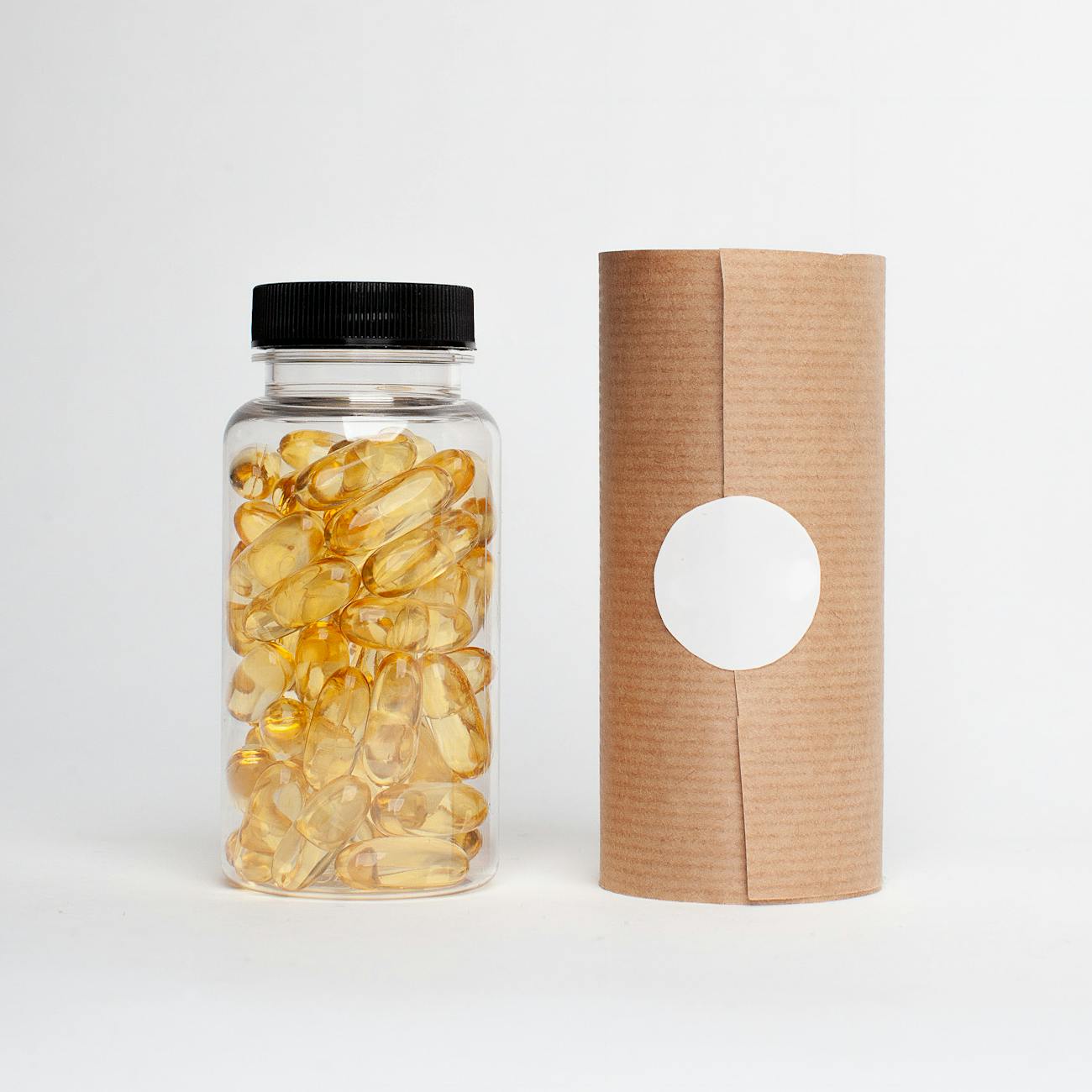
Herbal medicine, also known as herbalism or botanical medicine, is a traditional medicinal practice based on the use of plants and plant extracts to treat various health conditions. It has been practiced for centuries in different cultures around the world and continues to be a popular form of alternative medicine. Herbal supplements are products made from plants or plant extracts that are taken orally to supplement the diet and promote health and well-being. They can come in various forms such as capsules, tablets, teas, or powders.
Key Terms and Vocabulary
1. Herbalism: The practice of using plants and plant extracts for medicinal purposes. 2. Botanical Medicine: Another term for herbal medicine, referring to the use of plants in healing. 3. Phytotherapy: The use of plant extracts for therapeutic purposes. 4. Herbal Supplements: Products made from plants or plant extracts taken orally to promote health. 5. Phytochemicals: Bioactive compounds found in plants that have medicinal properties. 6. Adaptogens: Herbs that help the body adapt to stress and promote balance. 7. Tincture: A concentrated liquid herbal extract usually made with alcohol. 8. Decoction: A method of extracting herbal medicine by boiling the plant material in water. 9. Infusion: Herbal tea made by steeping plant material in hot water. 10. Topical: Herbal products applied to the skin for localized effects. 11. Ayurveda: Traditional Indian medicine system using herbs and diet for healing. 12. Traditional Chinese Medicine (TCM): Ancient Chinese healing system based on herbs, acupuncture, and other modalities. 13. Homeopathy: Alternative medicine system using highly diluted substances to stimulate the body's healing process. 14. Pharmacognosy: The study of medicinal products derived from natural sources. 15. Standardization: Ensuring consistent potency of active ingredients in herbal supplements. 16. Quality Control: Measures taken to ensure the safety and efficacy of herbal products. 17. Interactions: Effects of herbs on medications or other herbs when taken together. 18. Bioavailability: The extent to which a substance can be absorbed and used by the body. 19. Herb-Drug Interactions: Effects of herbs on the metabolism of drugs in the body. 20. Placebo Effect: Psychological response to a treatment based on the expectation of benefit rather than the treatment itself. 21. Pharmacokinetics: Study of how the body processes drugs and herbs. 22. Pharmacodynamics: Study of the effects of drugs and herbs on the body. 23. Herbal Monograph: Detailed document describing the uses, dosage, and safety of a specific herb. 24. Herbal Formulary: Collection of herbal recipes and formulations for specific health conditions. 25. Contraindications: Conditions under which a treatment or herb should not be used. 26. Side Effects: Unintended effects of herbs or supplements. 27. Toxicity: Harmful effects of herbs when taken in large doses. 28. Herbal Preparations: Different forms in which herbs are used, such as teas, tinctures, capsules, or powders. 29. Herbal Actions: Effects of herbs on the body, such as diuretic, sedative, or stimulant. 30. Herbal Energetics: Traditional concept of how herbs affect the body based on their properties like hot, cold, dry, or damp. 31. Herbal Allies: Herbs that work well together to enhance each other's effects. 32. Herbal Adaptation: Adjusting the dosage or combination of herbs based on the individual's response. 33. Herbal Synergy: Combined effects of different herbs that are greater than the sum of their individual effects. 34. Herb Harvesting: Process of collecting herbs at the right time and in the right way to preserve their medicinal properties. 35. Organic Certification: Verification that herbs are grown without synthetic chemicals or pesticides. 36. Wildcrafting: Harvesting herbs from their natural habitat in a sustainable and ethical manner. 37. Herbal Extraction: Methods of obtaining active compounds from herbs, such as maceration, percolation, or distillation. 38. Herbal Dosage: Amount of herb or supplement recommended for a specific condition. 39. Herbal Infusion: Herbal tea made by steeping herbs in hot water for a certain period. 40. Herbal Decoction: Concentrated herbal extract made by boiling herbs in water.
Practical Applications
Herbal medicine and supplements offer a natural and holistic approach to health and wellness. They can be used to support overall well-being, address specific health concerns, and complement conventional treatments. Here are some practical applications of herbal medicine and supplements:
1. Immune Support: Herbs like echinacea, elderberry, and astragalus can help boost the immune system and prevent infections. 2. Stress Management: Adaptogenic herbs like ashwagandha, rhodiola, and holy basil can help the body adapt to stress and promote relaxation. 3. Digestive Health: Herbs like ginger, peppermint, and fennel can aid digestion, reduce bloating, and soothe gastrointestinal issues. 4. Sleep Support: Herbs like valerian, chamomile, and passionflower can promote relaxation and improve sleep quality. 5. Anti-Inflammatory: Herbs like turmeric, ginger, and boswellia can reduce inflammation and alleviate pain. 6. Detoxification: Herbs like dandelion, milk thistle, and burdock can support liver function and help the body eliminate toxins. 7. Hormonal Balance: Herbs like vitex, black cohosh, and dong quai can regulate hormones and alleviate symptoms of hormonal imbalances. 8. Antioxidant Support: Herbs like green tea, grape seed extract, and resveratrol can neutralize free radicals and protect cells from damage. 9. Cardiovascular Health: Herbs like hawthorn, garlic, and ginkgo can support heart health, lower blood pressure, and improve circulation. 10. Weight Management: Herbs like green tea, cayenne, and forskolin can boost metabolism, suppress appetite, and aid in weight loss.
Challenges
While herbal medicine and supplements offer many benefits, there are also challenges and considerations to keep in mind:
1. Regulation: Herbal products are not as tightly regulated as pharmaceutical drugs, leading to variability in quality and potency. 2. Herb-Drug Interactions: Some herbs can interact with medications, either decreasing or enhancing their effects, leading to potential side effects. 3. Quality Control: Ensuring the purity, potency, and safety of herbal products can be a challenge due to lack of standardized testing. 4. Dosage and Administration: Determining the right dosage and form of herbs for individual needs can be complex and require professional guidance. 5. Herb Sustainability: Overharvesting of wild herbs, habitat destruction, and unethical sourcing practices can threaten the availability of medicinal plants. 6. Herb Safety: Some herbs can be toxic in high doses or when used improperly, highlighting the importance of proper education and guidance. 7. Herb Allergies: Individuals may have allergic reactions to certain herbs, necessitating caution and awareness of potential allergens. 8. Herb Contamination: Herbs can be contaminated with pesticides, heavy metals, or other toxins, posing health risks if not properly tested and regulated. 9. Ethical Considerations: Ensuring fair trade practices, supporting sustainable sourcing, and respecting cultural traditions are important ethical considerations in herbal medicine.
In conclusion, herbal medicine and supplements offer a natural and holistic approach to health and wellness, with a wide range of applications for supporting overall well-being and addressing specific health concerns. Understanding key terms and concepts in herbalism is essential for practitioners and enthusiasts alike to navigate the complexities of herbal medicine, ensure safety and efficacy, and promote optimal health outcomes. By incorporating herbs into a balanced lifestyle and seeking professional guidance when needed, individuals can harness the healing power of plants to enhance their health and vitality.
Key takeaways
- Herbal medicine, also known as herbalism or botanical medicine, is a traditional medicinal practice based on the use of plants and plant extracts to treat various health conditions.
- Placebo Effect: Psychological response to a treatment based on the expectation of benefit rather than the treatment itself.
- They can be used to support overall well-being, address specific health concerns, and complement conventional treatments.
- Antioxidant Support: Herbs like green tea, grape seed extract, and resveratrol can neutralize free radicals and protect cells from damage.
- Ethical Considerations: Ensuring fair trade practices, supporting sustainable sourcing, and respecting cultural traditions are important ethical considerations in herbal medicine.
- In conclusion, herbal medicine and supplements offer a natural and holistic approach to health and wellness, with a wide range of applications for supporting overall well-being and addressing specific health concerns.