
Climate Justice and Equity
Climate Justice and Equity
Climate Justice and Equity
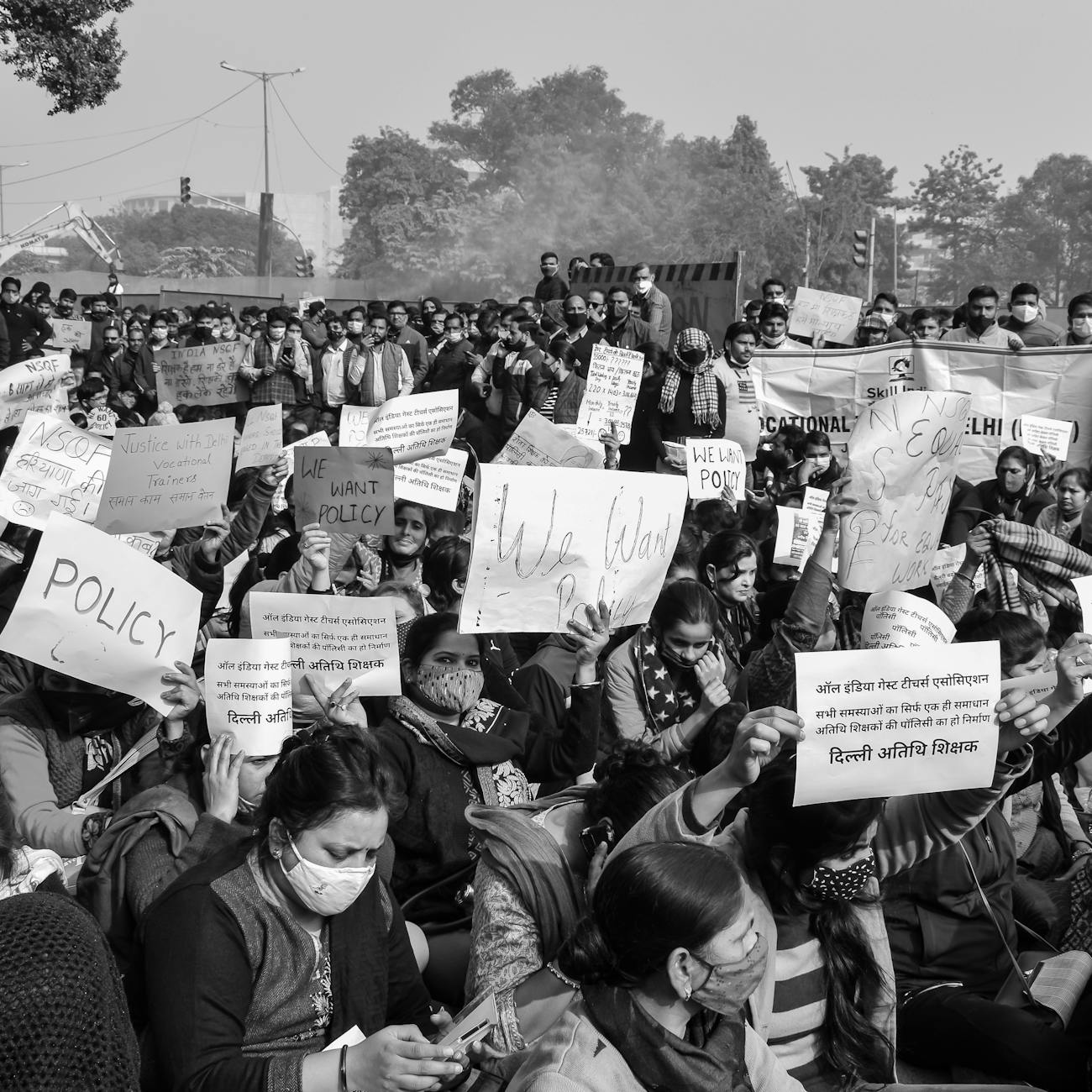
Climate justice and equity are critical concepts in the field of climate policy analysis. They refer to the fair distribution of the benefits and burdens of climate change mitigation and adaptation efforts, taking into account historical responsibility, capacity, and vulnerability of different groups and regions. In simpler terms, climate justice and equity aim to ensure that the most vulnerable populations and countries are not disproportionately affected by climate change and that the costs and benefits of addressing climate change are distributed fairly.
Key Terms and Vocabulary
1. Climate Change: Refers to long-term changes in the Earth's climate, including changes in temperature, precipitation, and extreme weather events, as a result of human activities such as burning fossil fuels and deforestation.
2. Mitigation: Actions taken to reduce or prevent the emission of greenhouse gases into the atmosphere, thereby reducing the impacts of climate change.
3. Adaptation: Strategies and measures implemented to adjust to the impacts of climate change, such as building seawalls to protect against sea-level rise or developing drought-resistant crops.
4. Vulnerability: The degree to which a system, population, or region is susceptible to harm from climate change impacts, often influenced by factors such as poverty, inequality, and lack of access to resources.
5. Resilience: The ability of a system or community to withstand and recover from the impacts of climate change, including extreme weather events and other disruptions.
6. Social Equity: The fair distribution of resources, opportunities, and benefits within society, regardless of race, gender, income, or other social identities.
7. Environmental Justice: The fair treatment and meaningful involvement of all people, regardless of race, color, national origin, or income, in the development, implementation, and enforcement of environmental laws, regulations, and policies.
8. Intergenerational Equity: The principle that the current generation should not compromise the ability of future generations to meet their own needs, including ensuring a stable climate and healthy environment.
9. Climate Justice: A social and political movement that seeks to address the unequal distribution of climate change impacts and promote equitable solutions that benefit the most vulnerable communities.
10. Climate Equity: The principle that the costs and benefits of climate action should be distributed fairly among all stakeholders, taking into account historical responsibility, capacity, and vulnerability.
11. Common but Differentiated Responsibilities (CBDR): A principle in international climate negotiations that acknowledges the varying historical contributions to climate change and the differing capacities of countries to address it, calling for differentiated obligations based on these factors.
12. Loss and Damage: Refers to the irreversible impacts of climate change that cannot be avoided or mitigated, leading to economic, social, and environmental losses that disproportionately affect vulnerable communities.
13. Just Transition: A framework for transitioning to a low-carbon economy that prioritizes the needs of workers and communities impacted by the shift away from fossil fuels, ensuring a fair and equitable transition for all.
14. Carbon Pricing: A policy tool that puts a price on carbon emissions to incentivize polluters to reduce their emissions and invest in cleaner technologies, aiming to internalize the social costs of carbon pollution.
15. Green Climate Fund: An international fund established to support developing countries in their efforts to mitigate and adapt to climate change, with a focus on promoting climate justice and equity.
16. Climate Finance: Financial resources provided to support climate change mitigation and adaptation efforts, including grants, loans, and investments from public and private sources.
17. Carbon Neutrality: Refers to achieving a balance between the amount of greenhouse gases emitted and removed from the atmosphere, often through offsetting emissions with carbon removal or sequestration activities.
18. Paris Agreement: A global treaty adopted in 2015 under the United Nations Framework Convention on Climate Change (UNFCCC) that sets out the goals and commitments of countries to limit global warming to well below 2 degrees Celsius above pre-industrial levels.
19. Net Zero: Refers to achieving a balance between the amount of greenhouse gases emitted and removed from the atmosphere, typically by reducing emissions and offsetting any remaining emissions through carbon removal or sequestration.
20. Climate Action: Refers to efforts taken at the individual, community, national, and global levels to address climate change through mitigation, adaptation, and resilience-building measures.
Practical Applications
1. Climate Justice in Policy Making: When designing climate policies, policymakers should consider the social, economic, and environmental impacts on vulnerable communities and ensure that these groups are included in decision-making processes.
2. Equitable Climate Finance: International climate finance should prioritize funding for projects in developing countries that benefit vulnerable populations and promote sustainable development while ensuring transparency and accountability in resource allocation.
3. Just Transition Planning: Governments and businesses should develop comprehensive transition plans that support workers and communities affected by the shift to a low-carbon economy, including retraining programs, job placement assistance, and social safety nets.
4. Community-Based Adaptation: Empowering local communities to develop and implement adaptation strategies that address their specific needs and priorities, such as building climate-resilient infrastructure and diversifying livelihoods.
5. Carbon Pricing Mechanisms: Implementing carbon pricing policies, such as carbon taxes or cap-and-trade systems, can help internalize the costs of carbon pollution and incentivize emission reductions while generating revenue for climate action.
6. Intersectoral Collaboration: Governments, businesses, civil society organizations, and academia should work together to develop holistic and integrated solutions to climate change that address social, economic, and environmental dimensions.
7. Climate Education and Awareness: Promoting climate literacy and public engagement on climate issues can increase understanding of the importance of climate justice and equity and foster support for sustainable policies and actions.
8. Climate Resilience Building: Investing in infrastructure, technology, and capacity-building measures can strengthen the resilience of communities and ecosystems to climate change impacts, reducing vulnerability and enhancing adaptive capacity.
Challenges and Opportunities
1. Inequitable Distribution of Climate Impacts: Vulnerable communities, especially in developing countries and marginalized populations, often bear the brunt of climate change impacts, exacerbating existing inequalities and injustices.
2. Political Will and Leadership: Achieving climate justice and equity requires strong political commitment and leadership at all levels of government, as well as cooperation and coordination among countries and stakeholders.
3. Resource Constraints: Limited financial resources and technical capacity in developing countries can hinder their ability to implement climate adaptation and mitigation measures, highlighting the need for increased support and cooperation.
4. Technological Innovation: Advancements in clean energy technologies, climate-smart agriculture, and sustainable practices offer opportunities to address climate change while promoting economic growth and social development.
5. Behavioral Change: Shifting individual and collective behaviors towards more sustainable and climate-friendly practices is essential for achieving climate justice and equity, requiring education, awareness, and incentives.
6. Global Cooperation and Solidarity: Addressing climate change is a collective responsibility that requires collaboration and solidarity among countries, regions, and communities to ensure a just and sustainable future for all.
7. Policy Coherence and Integration: Aligning climate policies with other development goals, such as poverty reduction, gender equality, and social inclusion, can maximize co-benefits and promote synergies in achieving sustainable outcomes.
8. Institutional Capacity Building: Strengthening the capacity of institutions, organizations, and communities to plan, implement, and monitor climate actions is essential for ensuring effective and equitable responses to climate change challenges.
Conclusion
Climate justice and equity are fundamental principles that guide the design and implementation of climate policies and actions to address the impacts of climate change in a fair and inclusive manner. By integrating these principles into decision-making processes, policies, and programs, stakeholders can work towards building a more resilient, sustainable, and equitable future for all. Embracing the challenges and opportunities presented by climate change requires collective action, political will, and a commitment to social justice, ensuring that vulnerable populations and future generations are not left behind in the transition to a low-carbon, climate-resilient world.
Key takeaways
- They refer to the fair distribution of the benefits and burdens of climate change mitigation and adaptation efforts, taking into account historical responsibility, capacity, and vulnerability of different groups and regions.
- Climate Change: Refers to long-term changes in the Earth's climate, including changes in temperature, precipitation, and extreme weather events, as a result of human activities such as burning fossil fuels and deforestation.
- Mitigation: Actions taken to reduce or prevent the emission of greenhouse gases into the atmosphere, thereby reducing the impacts of climate change.
- Adaptation: Strategies and measures implemented to adjust to the impacts of climate change, such as building seawalls to protect against sea-level rise or developing drought-resistant crops.
- Vulnerability: The degree to which a system, population, or region is susceptible to harm from climate change impacts, often influenced by factors such as poverty, inequality, and lack of access to resources.
- Resilience: The ability of a system or community to withstand and recover from the impacts of climate change, including extreme weather events and other disruptions.
- Social Equity: The fair distribution of resources, opportunities, and benefits within society, regardless of race, gender, income, or other social identities.