
Integrating Nature Elements in Aquatic Meditation
Hydrotherapy is the foundational principle that underlies the practice of integrating nature elements into aquatic meditation. It refers to the therapeutic use of water to promote physical, mental, and emotional health. In the context of th…
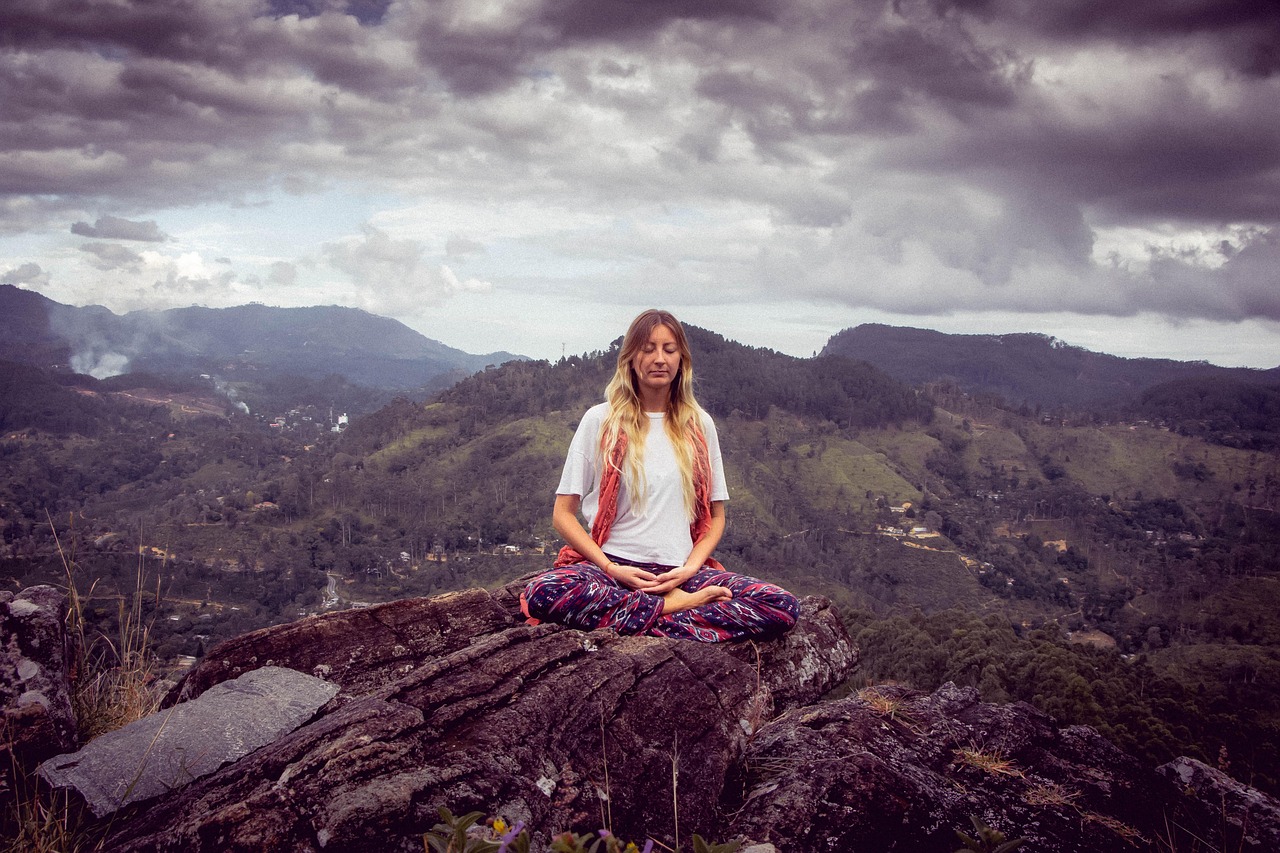
Hydrotherapy is the foundational principle that underlies the practice of integrating nature elements into aquatic meditation. It refers to the therapeutic use of water to promote physical, mental, and emotional health. In the context of this masterclass, hydrotherapy is not limited to temperature manipulation; it encompasses the dynamic interaction between the body and water’s physical properties such as buoyancy, viscosity, and hydrostatic pressure. When a practitioner immerses the body in a pool, the reduced gravitational load created by buoyancy allows for greater freedom of movement, which in turn facilitates deeper relaxation and heightened body awareness. The therapeutic value of hydrotherapy is amplified when natural elements such as live plants, rocks, and natural lighting are introduced, creating a multisensory environment that engages the participant’s nervous system on multiple levels.
The term biophilic design describes the intentional incorporation of natural forms and patterns into built environments. In aquatic meditation spaces, biophilic design may manifest as the inclusion of aquatic flora, natural stone pathways, or the strategic placement of windows that frame views of surrounding greenery. By aligning the water environment with biophilic principles, instructors can evoke a sense of connectedness to the larger ecosystem, which research has shown to reduce stress hormones and improve mood. For example, a meditation pool surrounded by a living wall of moss and ferns provides both visual and olfactory stimulation, reinforcing the practitioner’s perception of being immersed in a natural habitat rather than an artificial setting.
Buoyancy is the upward force exerted by water that counteracts the weight of the immersed body. This physical principle enables practitioners to experience a feeling of lightness, allowing them to explore subtle movements without the fear of falling. In practice, buoyancy is harnessed by adjusting the depth of immersion; shallow water offers less support, encouraging gentle balance work, while deeper water provides greater lift, facilitating floating meditation techniques. A common challenge for beginners is the initial sensation of loss of proprioceptive feedback when the body is fully supported. To overcome this, instructors can introduce “anchor points” such as floating mats or gently weighted stones that provide tactile reference while still allowing the body to feel the supportive lift of the water.
The concept of hydrostatic pressure refers to the force exerted by water at any given depth. Unlike buoyancy, which acts upward, hydrostatic pressure acts uniformly on the body’s surface, creating a gentle compressive effect that can be soothing for the nervous system. In aquatic meditation, practitioners often use this pressure to develop a sense of grounding while floating. For instance, a meditation session may begin with participants submerging their lower bodies up to the waist, allowing the water’s pressure to create a subtle “hug” that promotes a feeling of safety. Over time, as confidence grows, the depth can be increased, allowing the practitioner to experience the transition from pressure to buoyancy, deepening the meditative state.
Thermal regulation is a critical aspect of aquatic environments. Water temperature influences not only physiological responses such as heart rate and circulation but also psychological states like alertness and calmness. Warm water (approximately 34–36°C) encourages muscle relaxation and can be used for restorative meditation practices that focus on body scanning and deep breathing. Conversely, cooler water (around 20–24°C) can invigorate the mind, sharpening focus and enhancing alertness, which is beneficial for concentration‑based meditation techniques. Instructors must be mindful of the thermal gradient within a pool, as temperature can vary with depth and proximity to heating elements. By deliberately creating temperature zones—such as a warmer shallow “lounge” area and a cooler deeper “focus” zone—practitioners can move through different sensory experiences within a single session.
Acoustic ecology concerns the study of sound within natural environments, and it plays a pivotal role in aquatic meditation. Water itself transmits sound differently than air; low‑frequency vibrations travel farther and are felt as subtle resonances against the skin. Integrating natural soundscapes—such as the gentle rustle of leaves, distant bird calls, or the soft murmur of a nearby stream—into the aquatic setting can enhance the meditative atmosphere. For practical application, instructors may use underwater speakers that emit binaural recordings of natural sounds, allowing participants to experience the auditory environment both above and below the water’s surface. A challenge arises when the acoustic environment is too noisy, such as in urban pools with echoing tile surfaces. To mitigate this, installing acoustic panels made from natural fibers or incorporating water features like gentle waterfalls can absorb excess reverberation and create a more tranquil sound field.
The term olfactory immersion refers to the deliberate use of scent to deepen meditative states. In aquatic settings, this may involve the diffusion of essential oils derived from aquatic plants (e.g., lotus, water lily) or the natural aromas of surrounding vegetation. Aromas can trigger limbic system responses, influencing emotions and memory. A practical example is the use of a subtle mist of eucalyptus oil, which, when combined with the coolness of the water, can promote a feeling of refreshment and mental clarity. However, practitioners should be cautious of potential sensitivities; a brief patch test is recommended before introducing new scents to a group.
Textural contrast is another vital vocabulary term. It describes the intentional variation of surface textures within the water environment to stimulate tactile perception. Natural elements such as smooth river stones, soft sand, and rough bark can be placed in or around the pool to create distinct zones. When a participant walks barefoot on a shallow sand bed before entering deeper water, the shift from granular to fluid sensation can serve as a grounding ritual, signaling the transition from everyday awareness to a meditative mindset. Instructors can design a progression of textures that mirrors the journey of the meditation, beginning with firm grounding, moving to fluid suspension, and concluding with a return to solid footing.
The principle of ecological connectivity emphasizes the relationship between the aquatic space and its surrounding ecosystem. When a meditation pool is situated adjacent to a natural wetland, the presence of native amphibians, birds, and insects can enrich the experience. This connectivity is not merely visual; it can involve the movement of water between the pool and the natural habitat, allowing for the exchange of nutrients and microorganisms that support a healthy micro‑environment. Careful management is required to prevent contamination, but when achieved, the result is a dynamic, living system that reinforces the participant’s sense of belonging to a larger ecological network.
Mindful flow refers to the rhythmic movement of water that aligns with the practitioner’s breath and intention. This concept draws from the idea that water’s natural currents can guide the body into a state of effortless motion, mirroring the flow state described in positive psychology. In practice, instructors may introduce gentle water jets that pulse in time with guided breathing patterns—inhale as the jet pushes forward, exhale as it recedes. The synchronization of external water flow with internal breath creates a feedback loop that deepens concentration and reduces mental chatter. A common obstacle is the tendency of participants to become overly focused on the external cue, distracting from internal awareness. To address this, the flow intensity can be gradually reduced, encouraging the practitioner to internalize the rhythm.
The term resonance in an aquatic context describes the phenomenon where the body’s natural frequencies align with the oscillations of the surrounding water. When resonance occurs, the practitioner may feel a subtle vibration that can be sensed throughout the limbs and torso, often described as a “hum” of the body. This sensation can be cultivated by using shallow water to create standing waves that match the body’s own vibrational patterns. Resonance can enhance the meditative depth, as the body becomes attuned to the subtle energy of the water. However, achieving resonance requires careful calibration of water depth, temperature, and movement; otherwise, the effect may be too faint or overwhelming.
Therapeutic immersion is the overarching term that captures the purposeful act of entering a water environment with the intention of healing and self‑exploration. It differs from casual swimming in that it is guided, structured, and aligned with specific therapeutic goals. In the masterclass, therapeutic immersion is broken down into phases: preparation, entry, sustained presence, and exit. Each phase has its own vocabulary and techniques. For preparation, practitioners may engage in grounding exercises on dry land, using natural elements such as stones or wooden benches. During entry, a mindful walk across a textured pathway leads to the water’s edge, where the participant pauses to acknowledge the transition. Sustained presence involves the integration of breathing, visual focus, and tactile awareness within the water, often accompanied by the previously described natural cues. The exit phase includes a gradual ascent, allowing the body to readjust to gravity, and a reflective period on the pool deck, perhaps with a cup of herbal tea infused with aquatic herbs like peppermint water mint.
The concept of sensory hierarchy is critical when layering multiple nature elements in aquatic meditation. It suggests that the practitioner’s attention will naturally prioritize certain senses over others, depending on the individual’s predisposition and the environmental context. For example, a person with a strong auditory preference may first notice the sound of water moving over stones, while a visually oriented individual may be drawn to the play of light on the pool surface. Instructors can design sessions that respect this hierarchy by introducing one sensory element at a time, allowing the practitioner to fully experience each before adding another. This approach prevents sensory overload, which can cause anxiety or distraction rather than the desired meditative depth.
Ambient lighting is a crucial component of the aquatic environment. Natural light filtered through trees or reflected off water surfaces creates a dynamic visual field that changes throughout the session, reinforcing the passage of time and the flow of the meditation. In indoor pools, daylight‑mimicking LEDs can be programmed to simulate sunrise, midday, or sunset hues, supporting circadian rhythms and promoting relaxation. The use of colored lighting should be subtle; overly saturated colors can become stimulating rather than soothing. An example of effective ambient lighting is the soft, cool blue glow that mimics the depth of the ocean, combined with occasional shafts of warm amber that suggest sunlight breaking through the surface.
The term microbiome stewardship refers to the intentional management of the microbial community within the aquatic environment to support health. While the focus of aquatic meditation is often on macro‑level sensory experiences, the presence of beneficial bacteria can influence skin health and immune function. Practitioners can incorporate natural filtration systems such as planted bio‑filters, where aquatic plants absorb nutrients and provide habitats for beneficial microbes. This approach aligns with the broader ecological philosophy of the program, emphasizing that a healthy water ecosystem contributes to a healthier human participant. Challenges include maintaining water clarity while preserving microbial diversity, which requires regular monitoring and balanced chemical treatment.
Spatial zoning is the practice of dividing the aquatic area into distinct functional zones, each with a specific purpose and set of natural cues. Common zones include the “entry sanctuary,” where participants pause to set intention; the “flow corridor,” a narrow channel where gentle currents guide movement; the “reflection pool,” a still water area for deep contemplation; and the “recovery deck,” a warm, shallow space for post‑meditation relaxation. Each zone can be enhanced with appropriate natural elements: the entry sanctuary may feature a line of smooth river stones, the flow corridor may have a series of small waterfalls, the reflection pool might be surrounded by mirrored glass to amplify natural light, and the recovery deck could incorporate heated sand beds. By clearly defining zones, instructors provide a roadmap that helps participants navigate the meditative journey with confidence.
The vocabulary term embodied awareness captures the state of consciousness in which the practitioner maintains a continuous, non‑judgmental attention to bodily sensations as they arise within the water. This differs from analytical thinking; instead of labeling sensations as “cold” or “tight,” the participant notes the sensation’s quality, location, and movement, allowing the experience to unfold without mental interference. In the aquatic setting, embodied awareness is facilitated by the uniform pressure of water, which creates a constant tactile canvas. Practitioners can practice embodied awareness by focusing on the subtle shift of water against the skin as they breathe, noticing how inhalation expands the chest and how exhalation allows the water to gently press inward.
Resilience training refers to the use of aquatic meditation as a tool for building psychological resilience. By exposing participants to controlled stressors—such as a slight drop in water temperature or a gentle increase in current intensity—while maintaining a supportive environment, the practice helps individuals develop coping strategies that translate to everyday life. For example, a session may begin with a calm water temperature and gradually introduce a cooler breeze generated by a fan, encouraging the participant to stay present and regulate breath despite the sensory change. Over time, this method strengthens the nervous system’s ability to adapt to fluctuating conditions, fostering emotional stability.
The term holistic integration describes the seamless blending of physical, mental, and spiritual dimensions within the aquatic meditation experience. It implies that each nature element—whether visual, auditory, olfactory, or tactile—contributes to a unified therapeutic outcome. In practice, holistic integration might involve synchronizing breath with the rhythm of a water lily’s opening and closing, aligning the visual cue with the inhalation and exhalation cycle. This creates a multi‑modal loop that reinforces mindfulness. Instructors are encouraged to design protocols that consider the participant’s whole being, rather than isolating one sense at a time, thereby fostering a deeper sense of wholeness.
Environmental ethics is a term that underscores the responsibility of practitioners to protect the natural resources they use. When incorporating live plants or natural stones into an aquatic meditation space, it is essential to source these materials sustainably, ensuring that ecosystems are not harmed. Ethical considerations also extend to water usage; recycling and reclaiming water, employing rainwater harvesting systems, and using low‑impact filtration methods all contribute to a greener practice. By embedding environmental ethics into the curriculum, the masterclass not only teaches therapeutic techniques but also cultivates stewardship values among future aquatic therapists.
The concept of narrative immersion involves the use of storytelling or guided imagery that aligns with the natural elements present in the water environment. For instance, a meditation might guide participants to imagine themselves as a river flowing gently over smooth stones, merging with the surrounding forest. The narrative is reinforced by the actual presence of stones beneath the water, the scent of pine from nearby trees, and the sound of a distant waterfall. This congruence between imagined and real cues deepens the immersion, making the meditation more vivid and impactful. Challenges can arise if the narrative is too complex, causing cognitive overload; therefore, simplicity and relevance to the environment are key.
Physiological synchrony describes the alignment of bodily rhythms—such as heart rate, respiration, and brainwave activity—with external environmental rhythms. In aquatic meditation, the natural ebb and flow of water can serve as an entraining stimulus. For example, a slow, rhythmic pulse from a submerged pump can encourage heart‑rate variability (HRV) that is associated with relaxation and stress resilience. Practitioners can monitor HRV using wearable sensors to provide feedback on how well they are achieving synchrony. When synchrony is high, participants often report a feeling of “being in tune” with the water, which is a hallmark of deep meditative states.
The term cognitive load management refers to the balancing act of providing sufficient sensory input to engage the mind without overwhelming it. In aquatic environments rich with natural elements, there is a risk of over‑stimulating the participant, especially if multiple cues compete for attention. Instructors can manage cognitive load by introducing one element at a time, allowing the participant to acclimate before adding another. For instance, a session may start with visual focus on floating lilies, then later introduce gentle auditory cues of distant birds. Monitoring participant feedback and adjusting the intensity of stimuli helps maintain an optimal level of challenge that promotes growth rather than anxiety.
Adaptive pacing is a strategy that tailors the speed and intensity of the meditation session to the individual’s current state. Some participants may require a slow, gradual introduction to water sensations, while others may be ready for more dynamic movement. Adaptive pacing can be facilitated by offering optional pathways—such as a calm, still water lane versus a gently flowing channel—allowing each practitioner to select the level of stimulation that feels appropriate. This flexibility respects individual differences and enhances the inclusivity of the program. A potential difficulty is ensuring that participants do not self‑select a zone that is too easy, thereby limiting the therapeutic benefit; gentle encouragement and observation can help guide appropriate choices.
The vocabulary term sensory grounding describes techniques that anchor the practitioner’s awareness in the present moment through the use of tangible sensory inputs. In the aquatic setting, this might involve feeling the texture of a smooth stone held in the hand while the water flows over it, or noticing the coolness of the water on the fingertips as they trace the edge of a leaf. Sensory grounding is especially useful for individuals who experience dissociation or anxiety, as it provides a concrete focal point that can calm the nervous system. Instructors should teach participants to select a grounding cue that resonates personally, ensuring the technique feels authentic and effective.
Ecopsychology is an interdisciplinary field that examines the relationship between human psychology and the natural environment. In the context of aquatic meditation, ecopsychology informs the selection of nature elements that are most likely to promote psychological well‑being. Research indicates that exposure to water bodies, even in simulated form, can reduce cortisol levels and improve mood. By integrating ecopsychological insights, instructors can design sessions that deliberately incorporate water‑related imagery, sounds, and tactile experiences to harness these benefits. For example, using a water garden with native aquatic plants can evoke a sense of place attachment, reinforcing the therapeutic impact.
The term kinesthetic mapping refers to the process of consciously aligning body movements with the spatial layout of natural elements in the water. This mapping helps practitioners develop a mental representation of the environment, enhancing navigation and awareness. A practical application is guiding participants to move from a stone‑lined shallow area to a deeper zone by stepping onto a series of floating platforms, each representing a waypoint in the kinesthetic map. This structured movement encourages mindful stepping, improves balance, and deepens the embodied connection to the space. Challenges may include participants becoming overly focused on the map, which can detract from spontaneous flow; instructors should encourage flexibility and openness to the environment’s natural cues.
Therapeutic resonance differs from the earlier discussed resonance in that it emphasizes the alignment of emotional states with environmental vibrations. When the water’s subtle oscillations match the practitioner’s inner emotional rhythm, a harmonious feeling emerges, often described as “being carried by the water.” This resonance can be amplified by using instruments such as crystal singing bowls placed in the water, whose tones vibrate through the medium and into the body. The resulting sound‑induced vibration interacts with the participant’s nervous system, fostering a sense of unity and calm. Care must be taken to ensure the volume is low enough to avoid startling participants, particularly those who are sensitive to auditory stimuli.
The concept of integrative pacing involves synchronizing the timing of multiple nature elements so that they reinforce one another rather than compete. For example, a session might begin with a gentle sunrise lighting cue, followed shortly by the soft introduction of bird song, and then by a subtle increase in water temperature as the participant settles into the meditation. By carefully timing each addition, the practitioner experiences a cohesive progression that mirrors natural cycles. This integrative pacing supports the brain’s predictive coding mechanisms, allowing the mind to anticipate and smoothly transition between stimuli.
Ecological mindfulness is a term that expands traditional mindfulness practice to include an awareness of one’s impact on the surrounding ecosystem. In aquatic meditation, this may involve encouraging participants to notice how their breath creates small ripples that interact with floating leaves, or how their movement influences the distribution of micro‑organisms in the water. By fostering this expanded awareness, practitioners develop a sense of responsibility toward the environment, which can translate into more sustainable habits outside the therapy setting. A practical exercise is the “ripple gratitude” meditation, where participants thank the water for its support after each session, reinforcing a reciprocal relationship.
The vocabulary term ambient temperature gradient describes the intentional variation of temperature within different sections of the aquatic environment. This gradient can be used to guide participants through a therapeutic sequence: starting in a cooler zone to stimulate alertness, moving into a neutral‑temperature zone for balanced focus, and finally entering a warm zone for deep relaxation. The gradient must be subtle, typically varying by only a few degrees, to avoid abrupt thermal shocks. Proper design of heating and cooling systems, along with careful monitoring, ensures the gradient remains within safe and comfortable limits for all participants.
Neuroplasticity facilitation refers to the capacity of aquatic meditation to promote changes in neural pathways through repeated, focused practice. The combination of sensory-rich natural elements, rhythmic breathing, and gentle movement creates an environment conducive to neuroplastic adaptation. Studies have shown that regular exposure to calming water sounds can increase gray‑matter volume in brain regions associated with emotion regulation. By incorporating varied nature cues, instructors can target multiple neural circuits simultaneously, enhancing the overall therapeutic effect. Participants should be encouraged to maintain consistent practice schedules to maximize neuroplastic benefits.
The term cultural resonance acknowledges that natural elements can carry specific cultural meanings that influence the meditation experience. For instance, koi fish are often associated with perseverance in East Asian cultures, while lotus flowers symbolize purity in many spiritual traditions. Incorporating such symbols thoughtfully can deepen the personal relevance of the meditation for participants from those cultural backgrounds. Instructors should be mindful of cultural sensitivities and seek to create inclusive environments that respect diverse interpretations of natural symbols.
Dynamic buoyancy modulation is an advanced technique that involves altering the buoyancy of the water in real‑time to create varied sensations. This can be achieved through the use of adjustable ballast systems or by changing water salinity in a controlled manner. By subtly increasing or decreasing buoyancy, practitioners experience a gentle sense of rising and sinking, which can be used to explore themes of letting go and grounding. The technique requires precise engineering and safety protocols, as abrupt changes could cause disorientation. When executed correctly, dynamic buoyancy modulation adds a novel dimension to aquatic meditation, enhancing the practitioner’s sense of novelty and curiosity.
The concept of flow state induction is central to many meditation practices. In an aquatic context, flow state induction is facilitated by the seamless integration of natural elements that reduce friction and encourage continuous, effortless movement. A well‑designed pool with smooth stone pathways, soft water currents, and minimal visual clutter allows the practitioner’s attention to remain on the present moment. The flow state is characterized by a loss of self‑consciousness, a distorted sense of time, and heightened performance. Instructors can encourage flow by setting clear intentions, providing gentle cues, and maintaining an environment that supports sustained attention.
Interoceptive awareness describes the perception of internal bodily sensations such as heartbeat, breathing, and temperature. Water provides a unique medium for enhancing interoceptive awareness because the hydrostatic pressure amplifies subtle internal cues. For example, when a participant holds their breath underwater, the pressure change is felt more acutely, sharpening awareness of the diaphragm’s movement. Practices that combine interoceptive focus with external natural cues—such as listening to the sound of a distant waterfall while monitoring heart rate—strengthen the mind‑body connection and can improve emotional regulation.
The term environmental attunement refers to the process by which a practitioner becomes finely tuned to the subtle shifts in the surrounding natural environment. In an aquatic meditation session, attunement may involve noticing the slight change in water temperature as a sunbeam passes over the pool, or detecting the faint fragrance of a nearby herb garden as the wind carries it across the water’s surface. This heightened sensitivity fosters a sense of unity with the environment, reinforcing the therapeutic benefits of the practice. To develop attunement, instructors can incorporate brief “pause” moments throughout the session where participants are invited to simply observe and note any changes they perceive.
Hydro‑sensory integration is the process by which the brain combines tactile information from water with other sensory inputs to create a coherent perception of the environment. This integration is essential for effective meditation, as it allows the practitioner to maintain focus despite the complex array of stimuli. When natural elements such as floating lilies, gently moving reeds, and soft lighting are present, the brain must reconcile these inputs with the constant sensation of water pressure. Training the hydro‑sensory integration system can be achieved through progressive exposure, starting with a single stimulus and gradually adding others. Over time, the practitioner becomes adept at maintaining a stable meditative focus amidst rich sensory input.
The concept of psychophysiological coherence describes the alignment of mental states with physiological processes. In aquatic meditation, coherence is often achieved when the breath synchronizes with the rhythm of water movement, leading to stable heart‑rate patterns and reduced sympathetic activation. Measuring coherence can be done using biofeedback devices that display heart‑rate variability or skin conductance. When coherence is high, participants report a feeling of calm and clarity. Instructors can facilitate coherence by guiding participants to inhale as a wave rolls in and exhale as it recedes, using the natural water motion as a metronome.
Ecological immersion expands the notion of immersion beyond the individual’s body to include the surrounding ecosystem. This term emphasizes that the practitioner’s experience is enriched when the aquatic environment is part of a larger, living system. For example, a meditation pool situated within a wetland restoration area allows participants to hear frogs croaking, see dragonflies darting over the water, and feel the subtle vibrations of insects landing on the surface. These ecological cues reinforce the sense that the practitioner is embedded within a thriving habitat, deepening the therapeutic impact. Managing ecological immersion requires careful stewardship to ensure that human activity does not disrupt the native flora and fauna.
The term biofeedback loop in aquatic meditation refers to the continuous exchange of information between the participant’s physiological state and the external environment. As the practitioner relaxes, heart rate slows, and the body’s muscular tension decreases, which can be sensed through the water’s resistance. This reduced tension, in turn, changes the way the water moves around the body, providing a subtle feedback signal that reinforces the relaxed state. Instructors can enhance this loop by using visual cues, such as floating lanterns that rise higher as the participant’s breathing becomes more even, creating a tangible representation of internal change.
Ambient sound modulation is the deliberate adjustment of background sounds to support the meditation’s objectives. In a nature‑rich aquatic setting, this may involve lowering the volume of distant traffic while amplifying the gentle murmur of a nearby stream. Modulation can be achieved through acoustic panels, directional speakers, or natural barriers like dense vegetation. The goal is to create a soundscape that is both calming and dynamic, allowing the practitioner to remain engaged without becoming distracted. A challenge is preventing the soundscape from becoming too uniform; occasional subtle variations keep the auditory environment alive and prevent habituation.
The vocabulary term thermal microclimate describes the small‑scale temperature variations that occur within a specific area of the aquatic environment. These microclimates can be created by strategic placement of heating elements, sun‑exposed surfaces, or shaded canopies. For example, a shallow corner of the pool may be warmed by a solar‑absorbing panel, creating a cozy spot for participants who prefer slightly higher temperatures. Conversely, a shaded alcove may retain cooler air, offering a refreshing contrast. Understanding and utilizing thermal microclimates allows instructors to tailor the experience to individual preferences, promoting comfort and engagement.
Nature‑linked intention setting is a practice where participants articulate their meditation goals in relation to the natural elements present. Instead of a generic intention such as “find peace,” a practitioner might set an intention like “allow the flowing water to carry away lingering tension.” By linking the intention to a concrete natural element, the mind creates a vivid anchor that guides attention throughout the session. This technique also reinforces the symbolic meaning of the chosen element, deepening its therapeutic resonance. Instructors can facilitate intention setting by prompting participants to select a specific plant, sound, or texture that they wish to embody during the meditation.
The concept of sensory fading refers to the intentional reduction of certain sensory inputs to heighten the awareness of others. In an aquatic meditation, an instructor might gradually dim the ambient lighting while increasing the prominence of water sounds, allowing participants to focus more deeply on auditory cues. Sensory fading can also be applied in reverse; for example, after a period of intense auditory stimulation, the lights can be brightened and the water temperature slightly warmed to shift attention toward visual and tactile sensations. This technique prevents sensory fatigue and promotes a balanced, holistic experience.
Ecological symbolism involves the use of natural elements as symbols that carry deeper meaning within the meditation practice. For instance, a lotus flower rising from the mud can symbolize purity emerging from adversity, while a stone pathway may represent a steady journey toward inner strength. By integrating these symbols into the aquatic environment—such as placing a series of smooth stones that participants step on while walking through shallow water—practitioners can engage with metaphorical content that supports personal growth. It is important for instructors to be aware of cultural variations in symbolism to avoid misinterpretation.
The term mind‑body synchrony captures the harmonious alignment between mental focus and physical sensation. In the context of aquatic meditation, synchrony is achieved when the practitioner’s breath, movement, and awareness of water’s tactile feedback operate in concert. This state is often accompanied by a sense of effortless flow and reduced mental chatter. To cultivate mind‑body synchrony, instructors may use rhythmic cues such as a soft drumbeat that matches the participant’s breathing cadence, reinforcing the connection between internal and external rhythms.
Ambient humidity control is an often‑overlooked factor that influences comfort in aquatic meditation spaces. The moisture level in the air can affect how the skin perceives temperature and how sound travels. Maintaining a relative humidity of 60–70 percent helps prevent the skin from feeling overly dry while also ensuring that acoustic vibrations are transmitted clearly. Humidity can be regulated through misting systems that release fine droplets of water infused with natural essential oils, simultaneously enhancing olfactory immersion and maintaining optimal moisture levels. Over‑humidification, however, can lead to condensation on surfaces and potential slip hazards; therefore, monitoring and adjusting humidity is essential.
The concept of environmental feedback is central to the iterative nature of aquatic meditation practice. As participants engage with the natural elements, they receive immediate feedback from the environment—such as the ripple created by a hand movement or the change in scent as a breeze passes over a fragrant plant. This feedback loop informs the practitioner about the effectiveness of their actions, allowing for real‑time adjustments. Instructors can emphasize environmental feedback by encouraging participants to notice how subtle changes in posture affect the water’s response, fostering a deeper sense of agency and presence.
Therapeutic pacing differs from adaptive pacing in that it is specifically designed to align with therapeutic goals rather than individual readiness alone. Therapeutic pacing structures the session to progress through phases that correspond with physiological and psychological markers. For instance, a session may begin with a calming phase that lowers heart rate, transition to an activation phase that slightly raises respiration to increase alertness, and conclude with a restorative phase that brings the system back to baseline. Each phase is supported by corresponding nature elements—soft lighting for calm, gentle water flow for activation, and warm temperature for restoration. Maintaining this pacing ensures that the therapeutic intent is fully realized.
The term bio‑acoustic resonance describes the interaction between living organisms’ sounds and the acoustic properties of the water environment. In a natural aquatic setting, the calls of amphibians or the subtle drumming of insects can create a resonant sound field that enhances meditation. By preserving or introducing such bio‑acoustic elements, instructors can deepen the immersive quality of the session. However, care must be taken to avoid overwhelming participants with sharp or high‑frequency sounds that may cause discomfort. Selecting species with low‑volume, soothing calls helps maintain a balanced acoustic environment.
Ecological stewardship practices are essential components of any program that integrates natural elements. These practices include regular monitoring of water quality, responsible sourcing of plant materials, and the maintenance of habitat corridors that allow wildlife movement. Instructors are encouraged to involve participants in stewardship activities, such as planting native aquatic vegetation or cleaning the pool’s natural filtration system. Engaging participants in these tasks reinforces the therapeutic message that personal well‑being is intimately connected to the health of the broader ecosystem.
The concept of fluid dynamics awareness involves educating participants about the movement of water and how it interacts with the body. Understanding basic principles—such as laminar flow versus turbulent flow—can enhance the practitioner’s ability to anticipate and respond to water currents. For example, a gentle laminar flow across the shoulders can be used to guide breath, while a mild turbulent swirl around the hips can encourage release of tension. Instructors can demonstrate fluid dynamics through visual aids, such as dye streams that illustrate flow patterns, helping participants develop an intuitive sense of how water moves around them.
Multisensory layering is a design strategy that builds upon the principle of progressive sensory exposure. By layering visual, auditory, olfactory, and tactile cues in a deliberate sequence, the practitioner’s sensory system is gradually enriched without becoming overloaded. An example of multisensory layering might begin with a visual focus on floating lotus petals, followed by the introduction of soft bird song, then the subtle aroma of wet earth, and finally the gentle pressure of water against the skin. Each layer adds depth to the meditation experience, fostering a comprehensive immersion that engages the whole person.
The term environmental congruence refers to the alignment between the practitioner’s internal state and the external environment. When the atmosphere of the aquatic space matches the intended meditative intention—such as a calm, still pool for relaxation or a slightly moving current for energizing focus—the practitioner experiences a sense of harmony that facilitates deeper engagement. Incongruence, such as a noisy environment during a session intended for quiet introspection, can disrupt the meditative flow and increase cognitive load. Instructors must therefore assess and adjust environmental factors to maintain congruence throughout the session.
Hydro‑visual integration describes the combination of visual elements with water to create a unified sensory experience. This may involve using transparent flooring that reveals underwater gardens, projecting gentle wave patterns onto the pool surface, or arranging floating lanterns that reflect light in rhythmic patterns. By integrating visual stimuli directly with the water, participants perceive a seamless blend of sight and touch, enhancing immersion. Practical applications include using colored lights that shift in response to participants’ breathing, creating a visual representation of the breath that moves through the water’s surface.
The concept of temporal rhythm synchronization emphasizes the importance of aligning the timing of natural cues with the practitioner’s internal rhythm. For instance, the rise and fall of a tide‑simulating wave can be timed to match a five‑second breathing cycle, reinforcing the breath’s natural cadence. This synchronization helps the practitioner enter a flow state more readily, as external timing cues support internal rhythm rather than compete with it. Instructors can adjust the tempo of environmental elements to suit the group’s collective breathing patterns, fostering a shared sense of temporal harmony.
Ecological resilience building is an outcome that arises when participants regularly engage with natural environments in a therapeutic context. By practicing meditation in a setting that demonstrates natural cycles—such as the seasonal change of foliage around a pool—participants internalize the concept of adaptation and renewal. This can translate to greater psychological resilience in daily life, as individuals learn to navigate their own internal fluctuations with the same composure observed in nature. Incorporating seasonal themes, such as autumn leaf displays or spring blossoms, reinforces this connection and provides a tangible illustration of resilience.
The term sensorial attenuation refers to the deliberate reduction of certain sensory inputs to sharpen focus on others. In an aquatic meditation context, this might involve dimming the lights to attenuate visual stimulation while amplifying tactile sensations through a gentle water spray. Attenuation can be useful for participants who become overwhelmed by complex environments; by simplifying the sensory field, they can more easily achieve a meditative state. However, it is important to balance attenuation with enough stimulation to prevent boredom or disengagement.
Hydro‑kinesthetic coupling describes the interaction between water movement and body motion. When a practitioner moves a hand through water, the resistance creates a proprioceptive cue that informs the brain about the speed and direction of movement. This coupling can be harnessed to teach mindful movement, as participants become aware of how their gestures shape the water’s flow and, in turn, how the water’s response influences
Key takeaways
- The therapeutic value of hydrotherapy is amplified when natural elements such as live plants, rocks, and natural lighting are introduced, creating a multisensory environment that engages the participant’s nervous system on multiple levels.
- For example, a meditation pool surrounded by a living wall of moss and ferns provides both visual and olfactory stimulation, reinforcing the practitioner’s perception of being immersed in a natural habitat rather than an artificial setting.
- In practice, buoyancy is harnessed by adjusting the depth of immersion; shallow water offers less support, encouraging gentle balance work, while deeper water provides greater lift, facilitating floating meditation techniques.
- For instance, a meditation session may begin with participants submerging their lower bodies up to the waist, allowing the water’s pressure to create a subtle “hug” that promotes a feeling of safety.
- By deliberately creating temperature zones—such as a warmer shallow “lounge” area and a cooler deeper “focus” zone—practitioners can move through different sensory experiences within a single session.
- For practical application, instructors may use underwater speakers that emit binaural recordings of natural sounds, allowing participants to experience the auditory environment both above and below the water’s surface.
- A practical example is the use of a subtle mist of eucalyptus oil, which, when combined with the coolness of the water, can promote a feeling of refreshment and mental clarity.