
Medical Needs and Emergency Preparedness
Medical needs and emergency preparedness are crucial aspects of disability travel, requiring a thorough understanding of key terms and vocabulary. In this context, disability refers to any condition that limits a person's ability to perform…
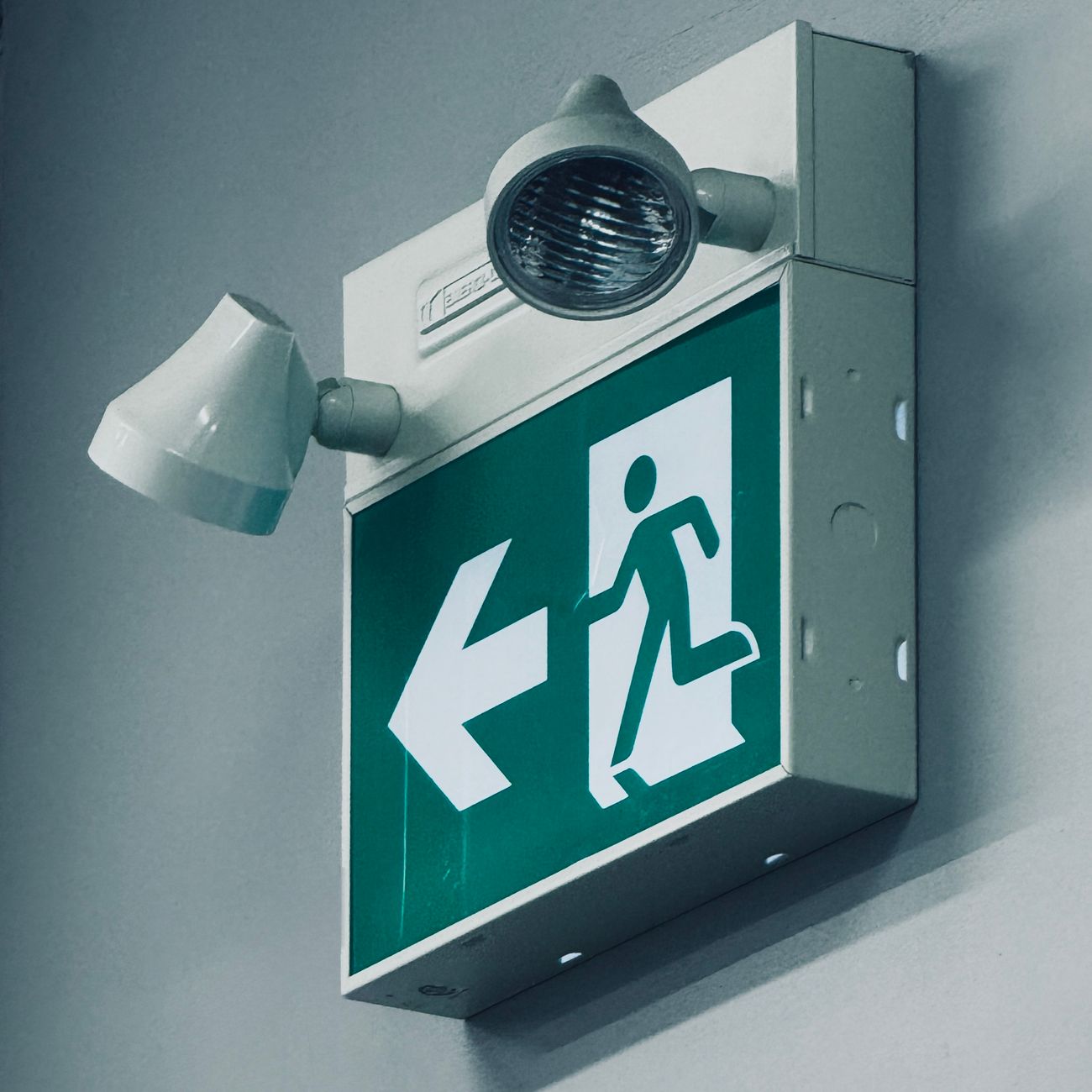
Medical needs and emergency preparedness are crucial aspects of disability travel, requiring a thorough understanding of key terms and vocabulary. In this context, disability refers to any condition that limits a person's ability to perform daily activities, such as mobility, sensory, or cognitive impairments. Travelers with disabilities may require special assistance, equipment, or accommodations to ensure their safety and comfort during trips.
One of the primary concerns for travelers with disabilities is accessibility, which involves the presence of facilities, services, and infrastructure that can be used by people with disabilities. This includes wheelchair-accessible ramps, elevators, and restrooms, as well as Braille and audio signage for visually impaired travelers. Travelers with disabilities may also require adaptive equipment, such as wheelchairs, walkers, or oxygen tanks, which must be accommodated by travel providers.
In emergency situations, travelers with disabilities may face unique challenges, such as difficulty evacuating a building or communicating with emergency responders. Therefore, it is essential to have a emergency plan in place, which includes identifying potential hazards, establishing communication protocols, and designating evacuation routes. Travelers with disabilities should also carry a personal emergency kit, containing essential items such as medication, medical equipment, and contact information for emergency services.
Travelers with medical conditions, such as diabetes or epilepsy, may require medical clearance before traveling, which involves obtaining a doctor's approval and guidance on managing their condition during the trip. They may also need to carry medical documentation, such as a doctor's letter or medical certificate, to verify their condition and treatment requirements.
In the event of a medical emergency, travelers may need to access urgent care services, such as hospitals or clinics, which can provide immediate attention and treatment. Travelers with disabilities may also require specialized medical care, such as dialysis or chemotherapy, which must be arranged in advance through their travel provider or insurance company.
Travel insurance is a critical component of emergency preparedness, as it can provide financial protection in the event of medical emergencies, trip cancellations, or interruptions. Travelers with disabilities should carefully review their insurance policy to ensure it covers their specific needs, such as medical equipment or assistance services.
Another essential aspect of emergency preparedness is communication, which involves establishing a means of contact with family, friends, or emergency services in case of an emergency. Travelers with disabilities may need to use assistive technology, such as text-to-speech devices or video remote interpreting, to communicate with others.
When traveling, it is also important to research local emergency services, such as ambulance and fire departments, and to know how to contact them in case of an emergency. Travelers with disabilities should also be aware of cultural and language differences that may affect their ability to communicate with emergency responders or access medical care.
In addition to medical emergencies, travelers with disabilities may face other challenges, such as transportation barriers, which can limit their ability to move around or access destinations. Travelers with disabilities may need to use accessible transportation services, such as wheelchair-accessible taxis or buses, or to rent adaptive vehicles, such as scooters or wheelchairs.
Travelers with disabilities may also encounter accommodation barriers, such as lack of accessible rooms or facilities, which can impact their ability to rest or participate in activities. Travelers with disabilities should research accessible accommodations, such as hotels or resorts, that can meet their needs and provide necessary assistance.
When planning a trip, travelers with disabilities should consider destination accessibility, which involves researching the accessibility of destinations, attractions, and activities. Travelers with disabilities may need to choose accessible destinations, such as cities or national parks, that offer a range of accessible facilities and services.
Travelers with disabilities may also face social barriers, such as stigma or discrimination, which can impact their ability to participate in activities or access services. Travelers with disabilities should be aware of disability rights and laws, such as the Americans with Disabilities Act, which can provide protection and support in case of discrimination.
In terms of technology, travelers with disabilities may use assistive devices, such as wheelchairs or hearing aids, to facilitate communication, mobility, or daily activities. Travelers with disabilities may also use mobile apps, such as navigation or translation tools, to access information and services during their trip.
Travelers with disabilities may also encounter environmental barriers, such as natural disasters or extreme weather conditions, which can impact their safety and well-being. Travelers with disabilities should research weather forecasts and natural disaster risks, such as earthquakes or hurricanes, and plan accordingly.
In case of an emergency, travelers with disabilities should have a contingency plan in place, which includes identifying alternative accommodations, transportation, or services. Travelers with disabilities should also carry a emergency contact list, containing phone numbers and contact information for emergency services, family, and friends.
Travelers with disabilities may also need to consider mental health support, such as counseling or therapy, to cope with the stresses of traveling. Travelers with disabilities should research mental health resources, such as support groups or hotlines, and access them as needed.
When interacting with service providers, such as hotel staff or restaurant workers, travelers with disabilities should be aware of disability etiquette, such as using respectful language or providing clear instructions. Travelers with disabilities should also be prepared to advocate for themselves, such as requesting accommodations or assistance, to ensure their needs are met.
Travelers with disabilities may also encounter language barriers, which can impact their ability to communicate with service providers or access information. Travelers with disabilities should research language resources, such as translation apps or interpreters, and use them as needed.
In terms of planning, travelers with disabilities should research accessible destinations, accommodations, and activities, and create a detailed itinerary to ensure their needs are met. Travelers with disabilities should also consider budgeting for additional expenses, such as equipment rentals or assistance services, and plan accordingly.
Travelers with disabilities may also need to consider insurance options, such as travel insurance or medical insurance, to provide financial protection in case of emergencies. Travelers with disabilities should research insurance policies and choose a provider that meets their needs and provides adequate coverage.
When traveling, travelers with disabilities should be aware of safety risks, such as crime or natural disasters, and take necessary precautions to ensure their safety. Travelers with disabilities should research safety tips, such as avoiding certain areas or using safety devices, and follow them as needed.
Travelers with disabilities may also encounter cultural differences, which can impact their ability to access services or communicate with locals. Travelers with disabilities should research cultural norms and customs, such as dress codes or social etiquette, and respect them as needed.
In terms of transportation, travelers with disabilities may need to use accessible vehicles, such as wheelchair-accessible taxis or buses, or rent adaptive equipment, such as scooters or wheelchairs. Travelers with disabilities should research transportation options and choose a provider that meets their needs and provides necessary assistance.
Travelers with disabilities may also need to consider accommodation options, such as hotels or resorts, that offer accessible rooms and facilities. Travelers with disabilities should research accommodation providers and choose a hotel or resort that meets their needs and provides necessary assistance.
When interacting with emergency responders, such as paramedics or firefighters, travelers with disabilities should be prepared to provide medical information, such as their condition or treatment requirements. Travelers with disabilities should also be aware of emergency protocols, such as evacuation procedures or first aid techniques, and follow them as needed.
Travelers with disabilities may also encounter communication barriers, such as language or cultural differences, which can impact their ability to access services or communicate with locals. Travelers with disabilities should research communication resources, such as translation apps or interpreters, and use them as needed.
Key takeaways
- In this context, disability refers to any condition that limits a person's ability to perform daily activities, such as mobility, sensory, or cognitive impairments.
- One of the primary concerns for travelers with disabilities is accessibility, which involves the presence of facilities, services, and infrastructure that can be used by people with disabilities.
- Travelers with disabilities should also carry a personal emergency kit, containing essential items such as medication, medical equipment, and contact information for emergency services.
- Travelers with medical conditions, such as diabetes or epilepsy, may require medical clearance before traveling, which involves obtaining a doctor's approval and guidance on managing their condition during the trip.
- Travelers with disabilities may also require specialized medical care, such as dialysis or chemotherapy, which must be arranged in advance through their travel provider or insurance company.
- Travel insurance is a critical component of emergency preparedness, as it can provide financial protection in the event of medical emergencies, trip cancellations, or interruptions.
- Another essential aspect of emergency preparedness is communication, which involves establishing a means of contact with family, friends, or emergency services in case of an emergency.