
Ethics and Law in Warfare.
Ethics and law in warfare are critical components of military operations that govern the conduct of armed forces during conflict. These principles help to ensure that wars are fought with respect for human rights, international law, and mor…
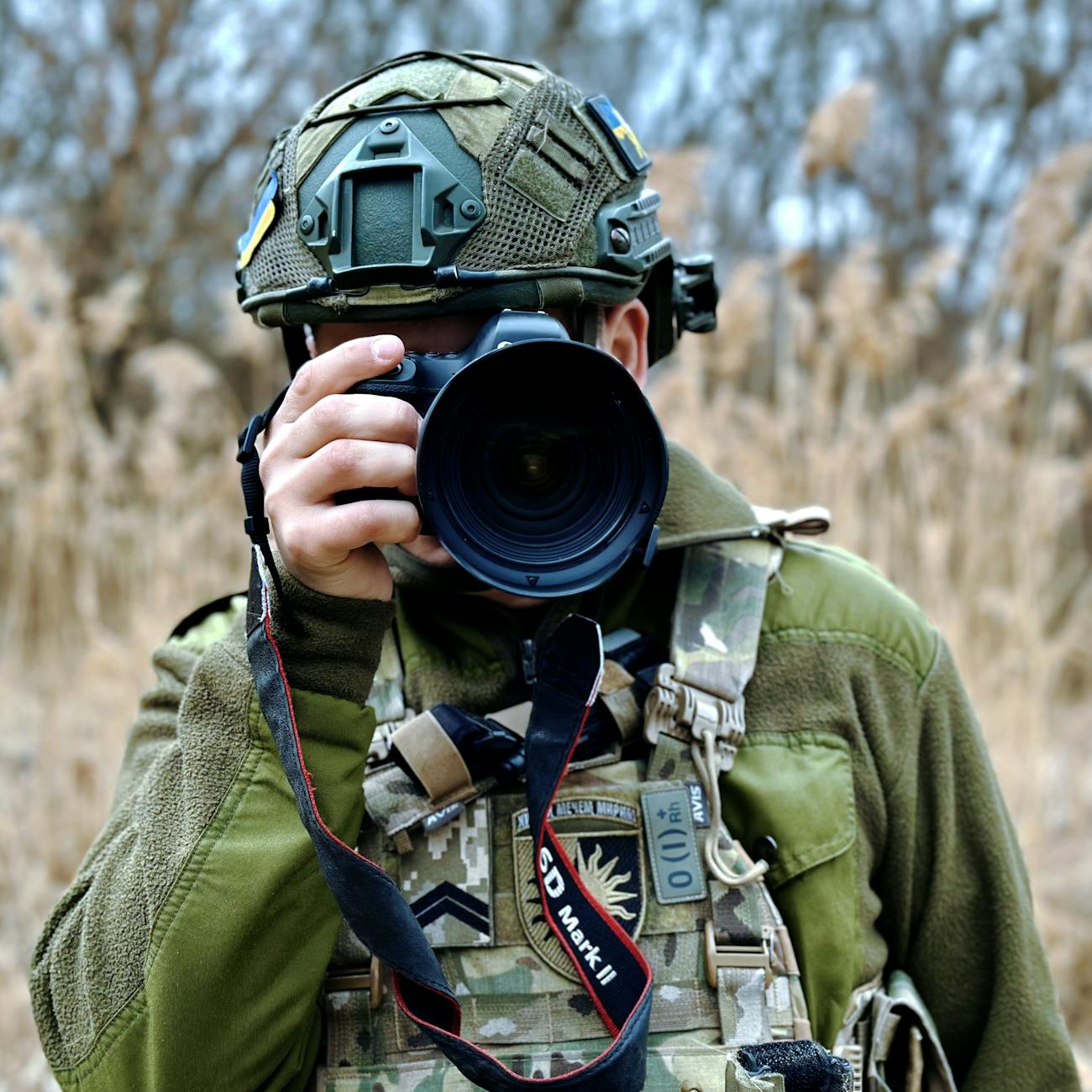
Ethics and law in warfare are critical components of military operations that govern the conduct of armed forces during conflict. These principles help to ensure that wars are fought with respect for human rights, international law, and moral standards. Understanding key terms and vocabulary in this field is essential for military personnel, policymakers, and scholars in defense and strategic studies. Below, we will delve into the key concepts that shape the ethical and legal framework of warfare.
**Just War Theory:** Just War Theory is a set of principles that guide the decision to go to war (jus ad bellum) and the conduct of war (jus in bello). According to this theory, a war is considered just if it meets certain criteria, including just cause, last resort, proportionality, and reasonable chance of success. Just War Theory also emphasizes the distinction between combatants and non-combatants, as well as the principle of discrimination, which requires that force be directed only at legitimate military targets.
**Geneva Conventions:** The Geneva Conventions are a set of international treaties that establish the rules of humanitarian law in armed conflict. These conventions protect civilians, prisoners of war, and wounded soldiers and outline the rights and responsibilities of belligerent parties during wartime. The four Geneva Conventions of 1949 and their Additional Protocols of 1977 are considered the cornerstone of international humanitarian law.
**War Crimes:** War crimes are serious violations of the laws and customs of war, including the Geneva Conventions and other international treaties. These crimes can include targeting civilians, torture, rape, and the use of prohibited weapons. Individuals who commit war crimes can be held accountable under international law, including through the International Criminal Court (ICC) or other tribunals.
**Just War:** A just war is a military conflict that meets the criteria of Just War Theory, including having a legitimate cause, being fought with proportionality and discrimination, and being a last resort. Just wars are considered morally justified and are seen as legitimate acts of self-defense or defense of others.
**Non-Combatant:** Non-combatants are individuals who are not actively participating in hostilities and are protected under international humanitarian law. This category includes civilians, medical personnel, and humanitarian aid workers. Non-combatants are entitled to special protections during armed conflict and should not be targeted by military forces.
**Proportionality:** Proportionality is a key principle in the ethics of war that requires military actions to be proportional to the threat posed. This means that the harm caused by an attack must not outweigh the military advantage gained. Proportionality helps to prevent excessive use of force and unnecessary harm to civilians.
**Combatant:** Combatants are individuals who are actively engaged in hostilities and are legitimate targets in war. Combatants include members of the armed forces, guerrilla fighters, and insurgents. Combatants are allowed to engage in combat and can be lawfully targeted by opposing forces.
**Humanitarian Intervention:** Humanitarian intervention is the use of military force by one state or group of states to protect civilians or prevent human rights abuses in another country. This concept raises ethical and legal questions about sovereignty, the responsibility to protect, and the use of force without authorization from the United Nations Security Council.
**Prisoners of War (POWs):** Prisoners of war are combatants who have been captured by opposing forces during armed conflict. POWs are entitled to certain rights and protections under the Geneva Conventions, including humane treatment, access to medical care, and repatriation at the end of hostilities. Mistreatment of POWs is considered a war crime.
**Just Cause:** Just cause is a criterion of Just War Theory that requires a legitimate reason for going to war. Just causes may include self-defense, defense of others, or protection of human rights. Wars fought for imperial conquest, revenge, or economic gain are generally considered unjust.
**Preemptive War:** A preemptive war is a military action taken in anticipation of an imminent threat. Unlike a preventive war, which is launched to prevent a future threat, a preemptive war is justified by the need to defend against an immediate danger. Preemptive wars raise ethical questions about intelligence, risk assessment, and the use of force.
**War Powers:** War powers are the authority vested in a government to declare war, deploy military forces, and conduct armed conflict. In democratic societies, war powers are typically shared between the executive branch (president or prime minister) and the legislative branch (parliament or congress). The division of war powers is designed to prevent abuses of authority and ensure accountability.
**Responsibility to Protect (R2P):** The responsibility to protect is a principle that holds states accountable for preventing and halting mass atrocities, including genocide, war crimes, ethnic cleansing, and crimes against humanity. R2P emphasizes the international community's duty to intervene when a state is unable or unwilling to protect its population from grave human rights abuses.
**Civilian Casualties:** Civilian casualties are non-combatants who are killed, injured, or otherwise harmed during armed conflict. Civilian casualties are a tragic consequence of war and raise ethical questions about the protection of non-combatants, the use of force, and the responsibility of warring parties to minimize harm to civilians.
**Conscientious Objection:** Conscientious objection is the refusal to participate in military service or to engage in war based on moral or religious beliefs. Individuals who conscientiously object to war may seek alternative forms of service, such as non-combat roles or community service. Conscientious objection is recognized as a human right under international law.
**War Crimes Tribunal:** A war crimes tribunal is a court or legal body that investigates and prosecutes individuals responsible for war crimes, crimes against humanity, and genocide. War crimes tribunals can be international, such as the International Criminal Court, or domestic, such as special courts established after conflicts like the Rwandan genocide or the Yugoslav Wars.
**Targeted Killing:** Targeted killing is the intentional use of lethal force against a specific individual who is considered a legitimate target. Targeted killings are often conducted by military or intelligence agencies to eliminate high-value threats, such as terrorist leaders or enemy commanders. The legality and ethics of targeted killing are subject to debate and controversy.
**Rules of Engagement:** Rules of engagement are military directives that define the circumstances, conditions, and limitations under which forces may use force during armed conflict. Rules of engagement help to ensure that military operations are conducted lawfully and ethically, including by minimizing civilian casualties, protecting non-combatants, and adhering to international law.
**Ethical Dilemma:** An ethical dilemma is a situation in which a person is faced with conflicting moral principles or choices. In the context of warfare, ethical dilemmas may arise when following orders conflicts with personal beliefs, when protecting civilians requires risking the lives of soldiers, or when upholding international law contradicts national interests.
**War Powers Act:** The War Powers Act is a U.S. federal law that limits the president's ability to deploy military forces without congressional approval. The law requires the president to notify Congress within 48 hours of committing troops to hostilities and to withdraw forces after 60 days unless Congress authorizes their deployment. The War Powers Act is intended to prevent unilateral military actions by the executive branch.
**Torture:** Torture is the deliberate infliction of severe physical or psychological pain or suffering on a person to extract information, punish, or intimidate. Torture is prohibited under international law, including the Geneva Conventions, the Convention Against Torture, and customary international law. Individuals who engage in torture can be prosecuted for war crimes.
**Ethical Leadership:** Ethical leadership in warfare involves making decisions that uphold moral principles, respect human rights, and adhere to international law. Ethical leaders prioritize the well-being of their subordinates, protect civilians, and promote accountability and transparency in military operations. Ethical leadership is essential for maintaining trust, morale, and legitimacy in the armed forces.
**Cyber Warfare:** Cyber warfare is the use of digital technologies to disrupt, sabotage, or attack computer systems, networks, and information infrastructure. Cyber warfare poses new ethical and legal challenges, including questions about attribution, proportionality, and the distinction between military and civilian targets. International law is still evolving to address the complexities of cyber conflict.
**Unlawful Combatant:** An unlawful combatant is a person who engages in hostilities without meeting the criteria of a lawful combatant, such as wearing a uniform, carrying arms openly, or being part of a recognized military force. Unlawful combatants do not enjoy the protections of the Geneva Conventions and can be prosecuted for war crimes. The status of unlawful combatants is controversial and raises questions about due process and human rights.
**Biological Weapons:** Biological weapons are living organisms or toxins that are used to cause disease, death, or disability in humans, animals, or plants. Biological weapons are prohibited under the Biological Weapons Convention and are considered indiscriminate and inhumane tools of warfare. The use of biological weapons is a war crime and a violation of international law.
**Ethical Decision-Making:** Ethical decision-making in warfare involves assessing the moral implications of actions, considering the rights and well-being of individuals, and weighing the consequences of choices. Ethical decision-making frameworks, such as Just War Theory, humanitarian law, and human rights principles, help military leaders and policymakers navigate complex ethical dilemmas in armed conflict.
**Counterinsurgency:** Counterinsurgency is a military strategy aimed at defeating or neutralizing insurgent groups through a combination of military, political, economic, and social measures. Counterinsurgency operations raise ethical questions about civilian protection, human rights, and the use of force against non-state actors. Effective counterinsurgency requires a holistic approach that addresses the root causes of insurgency.
**Warrior Ethos:** The warrior ethos is a set of values and beliefs that guide military personnel in combat, including courage, loyalty, selflessness, and honor. The warrior ethos emphasizes self-discipline, resilience, and dedication to the mission and the welfare of fellow soldiers. Upholding the warrior ethos requires adherence to ethical principles, respect for the laws of war, and a commitment to serving with integrity.
**Ethics Training:** Ethics training is a program designed to educate military personnel on ethical principles, laws of war, and moral decision-making in complex situations. Ethics training helps soldiers and commanders understand their responsibilities, uphold professional standards, and navigate ethical challenges during deployments. Effective ethics training promotes a culture of integrity, accountability, and respect for human rights.
**Rules-Based Order:** The rules-based order is a system of international norms, agreements, and institutions that govern state behavior, resolve disputes, and promote cooperation among nations. The rules-based order is based on principles of sovereignty, human rights, democracy, and the rule of law. Upholding the rules-based order is essential for preventing conflict, promoting stability, and advancing global security.
**Ethical Dilemma:** An ethical dilemma is a situation in which a person is faced with conflicting moral principles or choices. In the context of warfare, ethical dilemmas may arise when following orders conflicts with personal beliefs, when protecting civilians requires risking the lives of soldiers, or when upholding international law contradicts national interests.
**Law of Armed Conflict:** The law of armed conflict, also known as international humanitarian law, is a set of rules that regulate the conduct of armed forces during wartime. The law of armed conflict protects civilians, prisoners of war, and the wounded, and prohibits acts such as targeting non-combatants, torture, and indiscriminate attacks. Compliance with the law of armed conflict is essential for minimizing harm in war and upholding human dignity.
**Ethical Leadership:** Ethical leadership in warfare involves making decisions that uphold moral principles, respect human rights, and adhere to international law. Ethical leaders prioritize the well-being of their subordinates, protect civilians, and promote accountability and transparency in military operations. Ethical leadership is essential for maintaining trust, morale, and legitimacy in the armed forces.
**Civil-Military Relations:** Civil-military relations refer to the interactions and dynamics between civilian authorities (government, parliament) and the military (armed forces, defense establishment). Civil-military relations are governed by principles of civilian control of the military, respect for democratic norms, and accountability to elected leaders. Healthy civil-military relations are essential for democratic governance and the effective use of military power.
**Lethal Autonomous Weapons Systems (LAWS):** Lethal autonomous weapons systems are weapons that can select and engage targets without human intervention. LAWS raise ethical and legal concerns about accountability, proportionality, and the potential for unintended harm. The development and use of LAWS are subject to ongoing debate and calls for international regulation.
**International Humanitarian Law:** International humanitarian law, also known as the law of war or the law of armed conflict, is a body of rules that regulate the conduct of armed conflict and protect individuals affected by war. International humanitarian law includes the Geneva Conventions, Additional Protocols, and other treaties that establish the rights and responsibilities of belligerent parties during wartime. Compliance with international humanitarian law is essential for minimizing human suffering and upholding human rights in conflict.
**War Crimes:** War crimes are serious violations of the laws and customs of war, including the Geneva Conventions and other international treaties. These crimes can include targeting civilians, torture, rape, and the use of prohibited weapons. Individuals who commit war crimes can be held accountable under international law, including through the International Criminal Court (ICC) or other tribunals.
**International Criminal Court (ICC):** The International Criminal Court is a permanent international tribunal that prosecutes individuals for genocide, war crimes, crimes against humanity, and aggression. The ICC is based in The Hague, Netherlands, and operates independently of the United Nations. The ICC's jurisdiction covers crimes committed by state actors, non-state actors, and individuals in situations of armed conflict.
**Human Rights Law:** Human rights law is a body of international norms, treaties, and agreements that protect the fundamental rights and freedoms of individuals. Human rights law includes the Universal Declaration of Human Rights, the International Covenant on Civil and Political Rights, and other instruments that establish the rights to life, liberty, equality, and dignity. Upholding human rights law is essential for promoting peace, justice, and respect for human dignity in all contexts, including warfare.
**Proportionality:** Proportionality is a key principle in the ethics of war that requires military actions to be proportional to the threat posed. This means that the harm caused by an attack must not outweigh the military advantage gained. Proportionality helps to prevent excessive use of force and unnecessary harm to civilians.
**Cyber Warfare:** Cyber warfare is the use of digital technologies to disrupt, sabotage, or attack computer systems, networks, and information infrastructure. Cyber warfare poses new ethical and legal challenges, including questions about attribution, proportionality, and the distinction between military and civilian targets. International law is still evolving to address the complexities of cyber conflict.
**Command Responsibility:** Command responsibility is a legal doctrine that holds military commanders accountable for war crimes and violations of international law committed by their subordinates. Commanders have a duty to prevent, investigate, and punish misconduct within their units and can be held criminally liable for failing to do so. Command responsibility is a key mechanism for ensuring accountability and deterring abuses in armed conflict.
**Targeted Killing:** Targeted killing is the intentional use of lethal force against a specific individual who is considered a legitimate target. Targeted killings are often conducted by military or intelligence agencies to eliminate high-value threats, such as terrorist leaders or enemy commanders. The legality and ethics of targeted killing are subject to debate and controversy.
**Drones:** Drones, also known as unmanned aerial vehicles (UAVs), are aircraft operated remotely by human operators. Drones are used for surveillance, reconnaissance, and targeted strikes in conflict zones and counterterrorism operations. The use of drones raises ethical questions about civilian casualties, accountability, and the psychological impact of remote warfare. Regulations on the use of drones are evolving to address these concerns and protect human rights in armed conflict.
**Nuclear Weapons:** Nuclear weapons are explosive devices that release immense amounts of energy through nuclear reactions. The use of nuclear weapons is governed by international treaties, such as the Nuclear Non-Proliferation Treaty, that aim to prevent the spread of nuclear weapons and promote disarmament. The use of nuclear weapons is considered a last resort due to their catastrophic humanitarian consequences and the threat of global destruction.
**War Powers:** War powers are the authority vested in a government to declare war, deploy military forces, and conduct armed conflict. In democratic societies, war powers are typically shared between the executive branch (president or prime minister) and the legislative branch (parliament or congress). The division of war powers is designed to prevent abuses of authority and ensure accountability.
**Chemical Weapons:** Chemical weapons are toxic substances that are used to cause death, injury, or harm to humans. The use of chemical weapons is prohibited under the Chemical Weapons Convention and is considered a war crime. Chemical weapons are indiscriminate and inhumane tools of warfare that can cause widespread suffering and long-term health effects on civilians and combatants.
**Prisoners of War (POWs):** Prisoners of war are combatants who have been captured by opposing forces during armed conflict. POWs are entitled to certain rights and protections under the Geneva Conventions, including humane treatment, access to medical care, and repatriation at the end of hostilities. Mistreatment of POWs is considered a war crime.
**Cyber Attacks:** Cyber attacks are offensive operations that target computer systems, networks, and information technology infrastructure to disrupt, steal, or manipulate data. Cyber attacks can be carried out by state actors, non-state actors, or criminal groups and can have serious consequences for national security, critical infrastructure, and public safety. Cyber attacks raise ethical and legal questions about the use of force in cyberspace and the protection of civilian targets.
**Ethics of Care:** The ethics of care is a moral theory that emphasizes empathy, compassion, and relationships in ethical decision-making. In the context of warfare, the ethics of care highlights the importance of considering the needs and vulnerabilities of individuals affected by conflict, including civilians, refugees, and combatants. The ethics of care complements traditional ethical frameworks by focusing on the human dimensions of war and the moral obligations to alleviate suffering and promote healing.
**War Powers Resolution:** The War Powers Resolution is a U.S. federal law that limits the president's ability to commit U.S. armed forces to hostilities without congressional approval. The law requires the president to consult with Congress before deploying troops into armed conflict and to seek congressional authorization for military actions lasting more than 60 days. The War Powers Resolution is intended to ensure congressional oversight of the executive branch's war powers and to prevent unilateral military actions.
**Rendition:** Rendition is the extrajudicial transfer of individuals from one country to another for detention, interrogation, or prosecution. Rendition can involve the transfer of suspected terrorists, insurgents, or other individuals deemed to pose a security threat. Rendition raises ethical and legal questions about human rights, due process, and the use of torture or other coercive interrogation methods. The practice of rendition is controversial and has been criticized for violating international law and human rights standards.
**Humanitarian Intervention:** Humanitarian intervention is the use of military force by one state or group of states to protect civilians or prevent human rights abuses in another country. This concept raises ethical and legal questions about sovereignty, the responsibility to protect, and the use of force without authorization from the United Nations
Key takeaways
- Understanding key terms and vocabulary in this field is essential for military personnel, policymakers, and scholars in defense and strategic studies.
- Just War Theory also emphasizes the distinction between combatants and non-combatants, as well as the principle of discrimination, which requires that force be directed only at legitimate military targets.
- These conventions protect civilians, prisoners of war, and wounded soldiers and outline the rights and responsibilities of belligerent parties during wartime.
- Individuals who commit war crimes can be held accountable under international law, including through the International Criminal Court (ICC) or other tribunals.
- **Just War:** A just war is a military conflict that meets the criteria of Just War Theory, including having a legitimate cause, being fought with proportionality and discrimination, and being a last resort.
- **Non-Combatant:** Non-combatants are individuals who are not actively participating in hostilities and are protected under international humanitarian law.
- **Proportionality:** Proportionality is a key principle in the ethics of war that requires military actions to be proportional to the threat posed.