
Robotics and Autonomous Systems in Aerospace
Robotics and Autonomous Systems (RAS) are becoming increasingly important in the aerospace industry, with applications ranging from autonomous aircraft to space exploration. In this explanation, we will cover some key terms and vocabulary r…
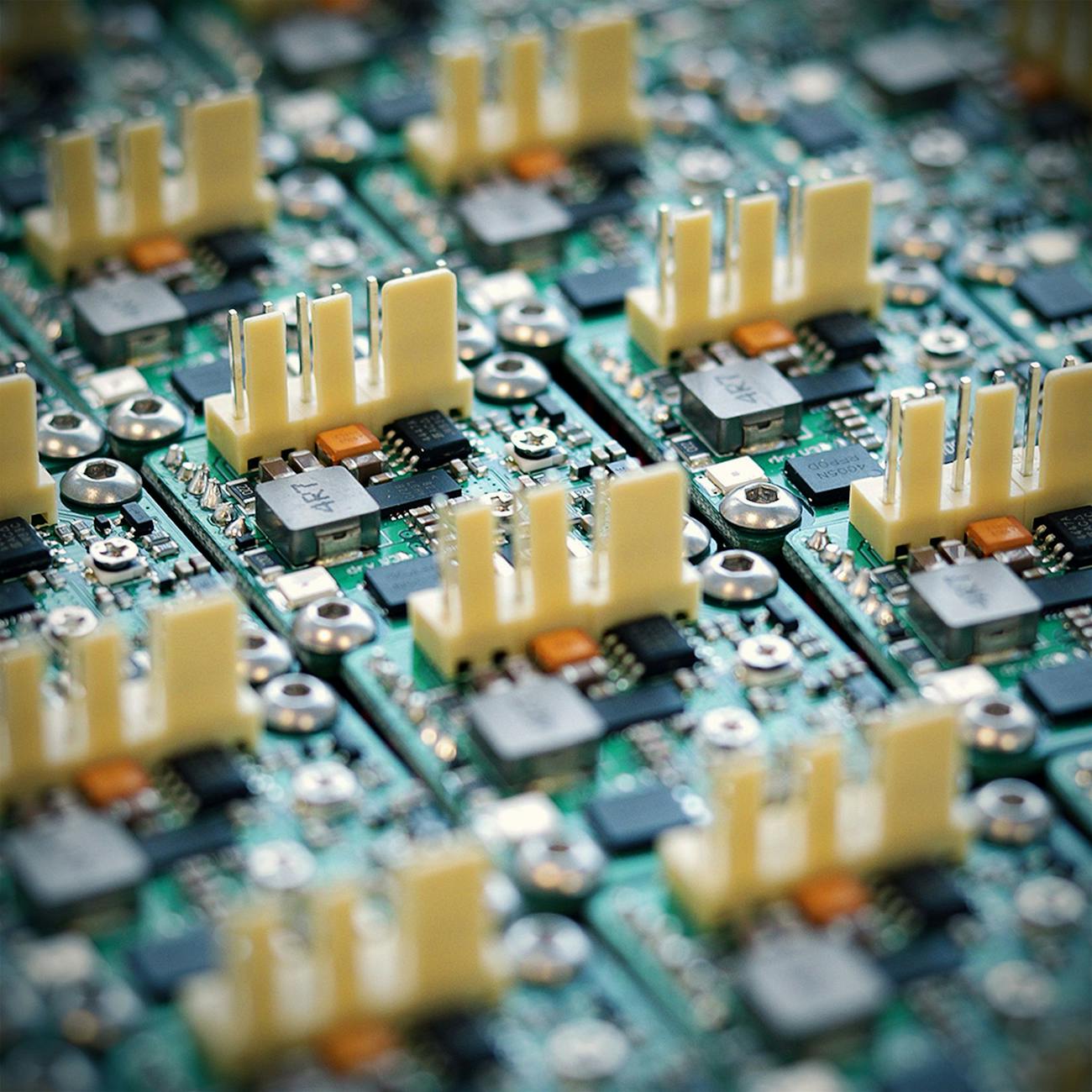
Robotics and Autonomous Systems (RAS) are becoming increasingly important in the aerospace industry, with applications ranging from autonomous aircraft to space exploration. In this explanation, we will cover some key terms and vocabulary related to RAS in aerospace, as part of the Professional Certificate in AI for Aerospace Engineering.
1. Autonomous Systems: Autonomous systems are systems that can operate without human intervention. In the context of aerospace, autonomous systems can include aircraft, spacecraft, and satellites that can navigate and perform tasks on their own. 2. Artificial Intelligence (AI): AI is the simulation of human intelligence in machines that are programmed to think and learn like humans. In RAS, AI is used to enable systems to make decisions and perform tasks without human intervention. 3. Machine Learning (ML): ML is a subset of AI that involves the use of algorithms and statistical models to enable machines to learn and improve from experience. ML is used in RAS to enable systems to adapt to new situations and make decisions based on data. 4. Computer Vision: Computer vision is the ability of machines to interpret and understand visual information from the world. In RAS, computer vision is used to enable systems to navigate and perform tasks based on visual data. 5. Sensor Fusion: Sensor fusion is the integration of data from multiple sensors to provide a more accurate and complete picture of the environment. In RAS, sensor fusion is used to enable systems to make more informed decisions based on a combination of data from different sensors. 6. Unmanned Aerial Vehicles (UAVs): UAVs, also known as drones, are aircraft that can operate without a pilot on board. UAVs are used in a variety of applications in aerospace, including surveillance, delivery, and search and rescue. 7. Autonomous Navigation: Autonomous navigation is the ability of a system to navigate and move through an environment without human intervention. In RAS, autonomous navigation is used to enable systems to perform tasks such as landing, takeoff, and flight path planning. 8. Swarm Intelligence: Swarm intelligence is the collective behavior of decentralized, self-organized systems. In RAS, swarm intelligence is used to enable systems to work together in a coordinated manner to perform tasks. 9. SLAM (Simultaneous Localization and Mapping): SLAM is the ability of a system to simultaneously locate itself and create a map of its environment. In RAS, SLAM is used to enable systems to navigate and perform tasks in new environments. 10. Path Planning: Path planning is the process of determining the optimal path for a system to take to perform a task. In RAS, path planning is used to enable systems to navigate and perform tasks efficiently and safely. 11. Obstacle Detection and Avoidance: Obstacle detection and avoidance is the ability of a system to detect and avoid obstacles in its environment. In RAS, obstacle detection and avoidance is used to enable systems to navigate and perform tasks safely. 12. Control Systems: Control systems are systems that manage, regulate, and direct the behavior of other systems. In RAS, control systems are used to enable systems to perform tasks and make decisions based on data and inputs. 13. Fault Tolerance: Fault tolerance is the ability of a system to continue functioning despite the failure of one or more of its components. In RAS, fault tolerance is used to ensure that systems can continue to operate safely and effectively in the event of a failure. 14. Redundancy: Redundancy is the duplication of critical components or functions in a system to ensure that it can continue to operate in the event of a failure. In RAS, redundancy is used to ensure that systems can continue to operate safely and effectively in the event of a failure. 15. Real-Time Systems: Real-time systems are systems that must respond to inputs and events within a specific time frame to ensure proper functioning. In RAS, real-time systems are used to enable systems to make decisions and perform tasks quickly and efficiently.
Examples of RAS in Aerospace:
* Autonomous aircraft that can take off, fly, and land without human intervention. * Spacecraft that can navigate and perform tasks in space without human intervention. * Satellites that can maintain their orbit and perform tasks without human intervention. * Delivery drones that can navigate and deliver packages to specific locations. * Surveillance drones that can navigate and perform surveillance tasks. * Search and rescue drones that can navigate and perform search and rescue tasks in dangerous environments.
Practical Applications of RAS in Aerospace:
* Improved safety and efficiency in aircraft and spacecraft operations. * Increased autonomy and reduced dependence on human intervention. * Improved data collection and analysis for decision making. * Increased capability and flexibility in aerospace operations. * Reduced costs and increased accessibility of aerospace technology.
Challenges of RAS in Aerospace:
* Ensuring safety and reliability in autonomous systems. * Addressing ethical and legal concerns related to autonomous systems. * Developing robust and secure systems that can operate in a variety of environments. * Ensuring interoperability and compatibility between different autonomous systems. * Addressing the need for skilled personnel to design, operate, and maintain autonomous systems.
In conclusion, Robotics and Autonomous Systems (RAS) are becoming increasingly important in the aerospace industry, with applications ranging from autonomous aircraft to space exploration. Key terms and vocabulary related to RAS in aerospace include Autonomous Systems, Artificial Intelligence (AI), Machine Learning (ML), Computer Vision, Sensor Fusion, Unmanned Aerial Vehicles (UAVs), Autonomous Navigation, Swarm Intelligence, SLAM (Simultaneous Localization and Mapping), Path Planning, Obstacle Detection and Avoidance, Control Systems, Fault Tolerance, Redundancy, and Real-Time Systems. Understanding these terms and concepts is essential for anyone working in the field of aerospace engineering, and the Professional Certificate in AI for Aerospace Engineering provides a comprehensive introduction to these topics.
Key takeaways
- Robotics and Autonomous Systems (RAS) are becoming increasingly important in the aerospace industry, with applications ranging from autonomous aircraft to space exploration.
- Machine Learning (ML): ML is a subset of AI that involves the use of algorithms and statistical models to enable machines to learn and improve from experience.
- * Search and rescue drones that can navigate and perform search and rescue tasks in dangerous environments.
- * Improved safety and efficiency in aircraft and spacecraft operations.
- * Addressing the need for skilled personnel to design, operate, and maintain autonomous systems.
- Understanding these terms and concepts is essential for anyone working in the field of aerospace engineering, and the Professional Certificate in AI for Aerospace Engineering provides a comprehensive introduction to these topics.