
Market Research and Analysis
Market Research and Analysis play a crucial role in the success of any strategic pharma marketing strategy. Understanding key terms and vocabulary in this field is essential for professionals looking to make informed decisions based on data…
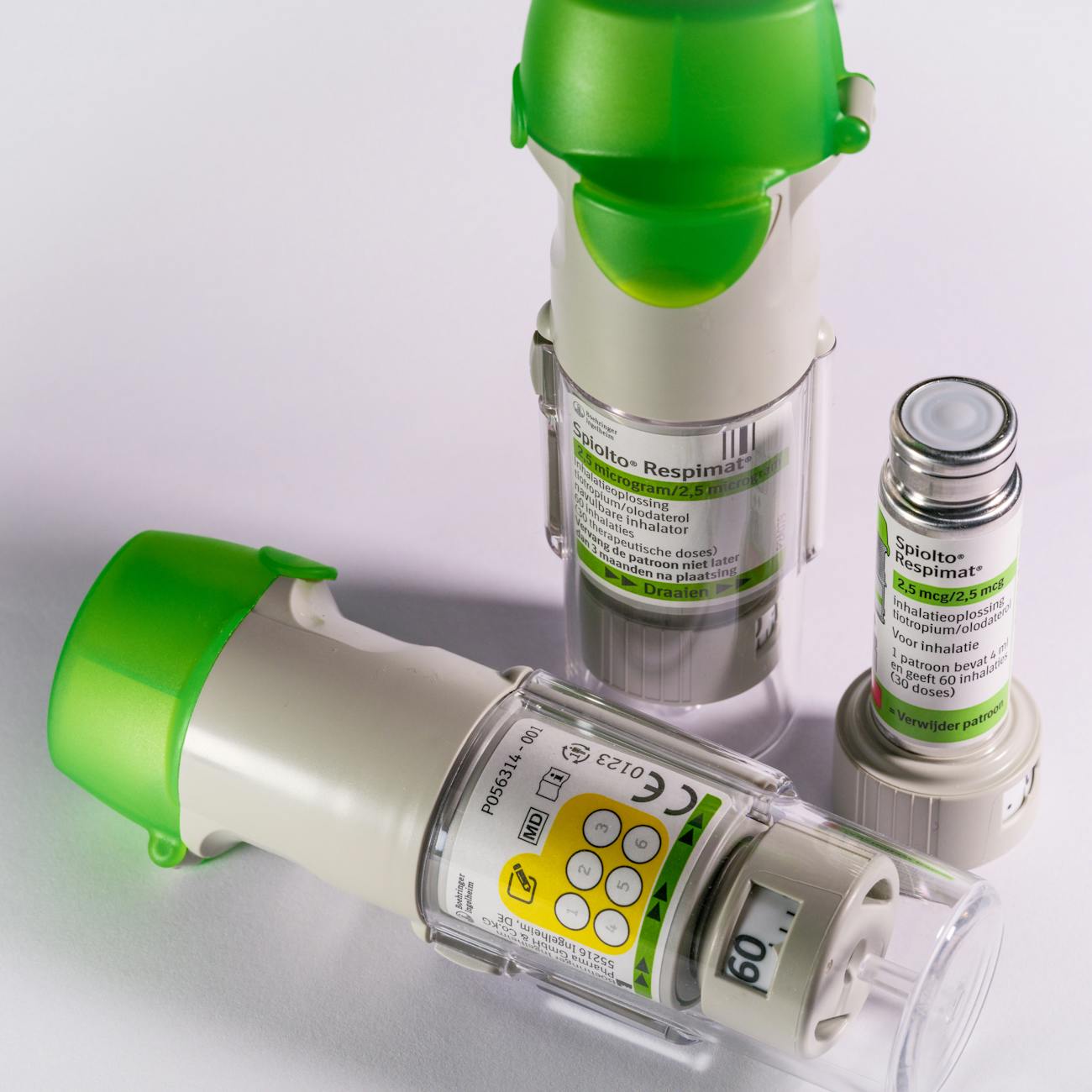
Market Research and Analysis play a crucial role in the success of any strategic pharma marketing strategy. Understanding key terms and vocabulary in this field is essential for professionals looking to make informed decisions based on data-driven insights. Below is an in-depth explanation of key terms and vocabulary in Market Research and Analysis for the Graduate Certificate in Strategic Pharma Marketing Strategies course:
1. **Market Research**: Market Research refers to the process of gathering, analyzing, and interpreting information about a market, its consumers, and competitors. This data helps businesses make informed decisions about their products, services, and marketing strategies.
2. **Primary Research**: Primary Research involves collecting data directly from the source. This can be done through surveys, interviews, focus groups, or observations. Primary research provides firsthand information and is tailored to the specific needs of the research project.
3. **Secondary Research**: Secondary Research involves analyzing data that already exists. This data can be found in reports, articles, databases, or other sources. Secondary research helps to supplement primary research and provide a broader perspective on the market.
4. **Qualitative Research**: Qualitative Research focuses on understanding consumer behavior, attitudes, and motivations. This type of research is exploratory in nature and often involves open-ended questions to uncover insights that quantitative research may not capture.
5. **Quantitative Research**: Quantitative Research involves collecting numerical data to measure and analyze trends, patterns, and relationships. This type of research is used to quantify the impact of marketing strategies, assess market trends, and make data-driven decisions.
6. **Market Segmentation**: Market Segmentation is the process of dividing a market into distinct groups based on demographics, psychographics, behavior, or other factors. This helps businesses target specific customer segments with tailored marketing strategies.
7. **Target Market**: The Target Market is the group of consumers that a company aims to reach with its products or services. Understanding the needs, preferences, and behaviors of the target market is essential for developing effective marketing campaigns.
8. **Competitive Analysis**: Competitive Analysis involves identifying and evaluating the strengths and weaknesses of competitors. This helps businesses understand their position in the market, identify opportunities for growth, and develop strategies to stay ahead of the competition.
9. **SWOT Analysis**: SWOT Analysis is a strategic planning tool that helps businesses identify their Strengths, Weaknesses, Opportunities, and Threats. This analysis helps businesses assess their internal capabilities and external environment to make informed decisions.
10. **Market Trends**: Market Trends refer to the general direction in which a market is moving. Understanding market trends helps businesses anticipate changes in consumer behavior, preferences, and demands, allowing them to adapt their strategies accordingly.
11. **Brand Awareness**: Brand Awareness is the extent to which consumers are familiar with a brand and its products or services. Building brand awareness is essential for attracting new customers, increasing market share, and fostering customer loyalty.
12. **Customer Satisfaction**: Customer Satisfaction measures how satisfied customers are with a company's products or services. Monitoring customer satisfaction helps businesses identify areas for improvement, enhance customer loyalty, and drive repeat business.
13. **Data Analysis**: Data Analysis involves examining, cleaning, and interpreting data to uncover meaningful insights. This process helps businesses make informed decisions, identify patterns and trends, and measure the effectiveness of marketing strategies.
14. **Market Penetration**: Market Penetration refers to the percentage of a target market that has purchased a company's products or services. Increasing market penetration involves attracting new customers, expanding market share, and growing revenue.
15. **Return on Investment (ROI)**: Return on Investment is a measure of the profitability of an investment. Calculating ROI helps businesses assess the effectiveness of marketing campaigns, allocate resources efficiently, and maximize their returns.
16. **Customer Lifetime Value (CLV)**: Customer Lifetime Value is the predicted net profit that a customer will generate over the course of their relationship with a company. Understanding CLV helps businesses prioritize customer acquisition and retention strategies.
17. **Market Share**: Market Share is the percentage of total sales in a market that a company controls. Monitoring market share helps businesses track their performance relative to competitors, identify growth opportunities, and assess market dynamics.
18. **Segmentation Variables**: Segmentation Variables are the criteria used to divide a market into segments. These variables can include demographic factors (age, gender, income), psychographic factors (lifestyle, values, attitudes), behavioral factors (usage rate, loyalty), or geographic factors (region, urban vs. rural).
19. **Data Collection**: Data Collection involves gathering information from various sources to support market research and analysis. This can include surveys, interviews, focus groups, social media monitoring, sales data, and online analytics.
20. **Sampling**: Sampling is the process of selecting a subset of the population to represent the larger group. Sampling helps researchers gather data efficiently and make inferences about the entire population based on the characteristics of the sample.
21. **Margin of Error**: Margin of Error is the range within which the true value of a population parameter is likely to fall. Understanding the margin of error is crucial for interpreting survey results and assessing the reliability of data.
22. **Confidence Interval**: Confidence Interval is the range within which the true value of a population parameter is likely to lie, based on the sample data. Confidence intervals help researchers estimate the precision of their findings and assess the level of uncertainty in the data.
23. **Statistical Significance**: Statistical Significance refers to the likelihood that an observed result is not due to random chance. Statistical significance is determined by comparing the observed data to a null hypothesis and helps researchers draw meaningful conclusions from their findings.
24. **Data Visualization**: Data Visualization involves presenting data in visual formats such as charts, graphs, and infographics. Visualizing data helps communicate complex information more effectively, identify trends and patterns, and make data-driven decisions.
25. **Market Research Report**: A Market Research Report is a document that summarizes the findings of a market research study. This report typically includes an executive summary, methodology, key findings, recommendations, and actionable insights for decision-makers.
26. **Survey Design**: Survey Design involves creating questionnaires or interviews to collect data from respondents. Designing a survey involves defining objectives, selecting appropriate questions, and ensuring the survey is clear, concise, and unbiased.
27. **Data Interpretation**: Data Interpretation involves analyzing and making sense of data to extract meaningful insights. This process requires critical thinking, statistical analysis, and domain expertise to draw conclusions and make actionable recommendations.
28. **Market Research Ethics**: Market Research Ethics refers to the principles and guidelines that govern the conduct of market research studies. Ethical considerations include obtaining informed consent, protecting respondent confidentiality, ensuring data accuracy, and avoiding conflicts of interest.
29. **Data Privacy**: Data Privacy refers to the protection of personal information collected during market research activities. Businesses must comply with data privacy regulations, such as the General Data Protection Regulation (GDPR), to safeguard customer data and maintain trust.
30. **Qualtrics**: Qualtrics is a popular online survey platform used for market research, customer feedback, and employee engagement. Qualtrics offers a range of survey tools, data analysis capabilities, and reporting features to help businesses gather and analyze data effectively.
31. **SPSS (Statistical Package for the Social Sciences)**: SPSS is a software program used for statistical analysis in market research. SPSS allows researchers to analyze data, generate reports, and create visualizations to uncover insights, test hypotheses, and make data-driven decisions.
32. **Market Research Panel**: A Market Research Panel is a group of individuals who have agreed to participate in market research studies. Panels can be used to gather feedback, test concepts, or conduct surveys, providing valuable insights from a diverse group of respondents.
33. **Customer Segmentation**: Customer Segmentation involves dividing customers into groups based on shared characteristics or behaviors. By segmenting customers, businesses can tailor marketing messages, promotions, and products to meet the specific needs of each segment.
34. **Data Mining**: Data Mining is the process of analyzing large datasets to uncover patterns, trends, and relationships. Data mining techniques, such as clustering, regression analysis, and association rules, help businesses extract valuable insights from complex data.
35. **Market Research Consultant**: A Market Research Consultant is a professional who provides expertise and guidance on market research strategies, methodologies, and best practices. Consultants help businesses design research studies, analyze data, and interpret findings to support decision-making.
36. **Market Research Analyst**: A Market Research Analyst is a professional who collects, analyzes, and interprets data to provide insights on market trends, consumer behavior, and competitive dynamics. Analysts help businesses understand market opportunities, assess risks, and develop strategic plans.
37. **Data-driven Decision Making**: Data-driven Decision Making involves making strategic choices based on data, rather than intuition or gut feeling. By analyzing data, businesses can identify trends, patterns, and opportunities to optimize marketing strategies and achieve business goals.
38. **Market Research Strategy**: A Market Research Strategy is a plan that outlines how a business will gather, analyze, and use data to support its marketing objectives. Developing a market research strategy involves defining goals, selecting methodologies, and allocating resources effectively.
39. **Market Research Budget**: A Market Research Budget is the amount of money allocated to conduct market research activities. Budgeting for market research involves estimating costs for data collection, analysis, reporting, and any external resources or tools needed for the research.
40. **Market Research Plan**: A Market Research Plan is a document that outlines the objectives, methodologies, timelines, and resources required for a market research project. Developing a research plan helps ensure that the study is conducted efficiently, accurately, and within budget.
41. **Data Quality**: Data Quality refers to the accuracy, completeness, and reliability of data collected for market research. Ensuring data quality involves validating data sources, cleaning data, and verifying the integrity of the information to make informed decisions.
42. **Market Research Tools**: Market Research Tools are software programs, platforms, or technologies used to collect, analyze, and visualize data for market research. These tools include survey software, data analytics platforms, social listening tools, and dashboard reporting solutions.
43. **Market Research Trends**: Market Research Trends are emerging practices, technologies, or methodologies that are shaping the field of market research. Staying abreast of market research trends helps businesses adopt innovative strategies, improve research outcomes, and stay competitive in the market.
44. **Customer Feedback**: Customer Feedback is the information provided by customers about their experiences with a product, service, or brand. Collecting and analyzing customer feedback helps businesses understand customer needs, address issues, and enhance the customer experience.
45. **Net Promoter Score (NPS)**: Net Promoter Score is a metric used to measure customer loyalty and satisfaction. NPS is calculated based on the likelihood of customers to recommend a product or service to others, providing insights into customer advocacy and brand loyalty.
46. **Market Research Dashboard**: A Market Research Dashboard is a visual tool that displays key metrics, KPIs, and insights from market research data. Dashboards help businesses monitor performance, track trends, and make data-driven decisions in real-time.
47. **Market Research Methodologies**: Market Research Methodologies are the approaches, techniques, and processes used to gather and analyze data for market research. Common methodologies include surveys, interviews, focus groups, observational studies, experiments, and data analysis.
48. **Customer Journey Mapping**: Customer Journey Mapping is the process of visualizing and analyzing the customer's interactions with a brand across different touchpoints. Mapping the customer journey helps businesses identify pain points, opportunities for improvement, and strategies to enhance the customer experience.
49. **Market Research Survey**: A Market Research Survey is a questionnaire designed to collect data from a sample of respondents. Surveys can be conducted online, by phone, or in person to gather insights on customer preferences, opinions, and behaviors.
50. **Market Research Interview**: A Market Research Interview is a one-on-one conversation between a researcher and a respondent to gather in-depth insights on a specific topic. Interviews are used to explore attitudes, motivations, and perceptions to inform marketing strategies.
In conclusion, understanding key terms and vocabulary in Market Research and Analysis is essential for professionals in the strategic pharma marketing industry. By familiarizing themselves with these concepts, practitioners can leverage data-driven insights to make informed decisions, develop effective marketing strategies, and drive business growth. From primary and secondary research to customer segmentation, competitive analysis, and data visualization, mastering these key terms will equip professionals with the knowledge and skills needed to succeed in today's competitive market landscape.
Key takeaways
- Understanding key terms and vocabulary in this field is essential for professionals looking to make informed decisions based on data-driven insights.
- **Market Research**: Market Research refers to the process of gathering, analyzing, and interpreting information about a market, its consumers, and competitors.
- Primary research provides firsthand information and is tailored to the specific needs of the research project.
- Secondary research helps to supplement primary research and provide a broader perspective on the market.
- This type of research is exploratory in nature and often involves open-ended questions to uncover insights that quantitative research may not capture.
- **Quantitative Research**: Quantitative Research involves collecting numerical data to measure and analyze trends, patterns, and relationships.
- **Market Segmentation**: Market Segmentation is the process of dividing a market into distinct groups based on demographics, psychographics, behavior, or other factors.