
Performance Enhancement in Combat Sports
Performance Enhancement in Combat Sports
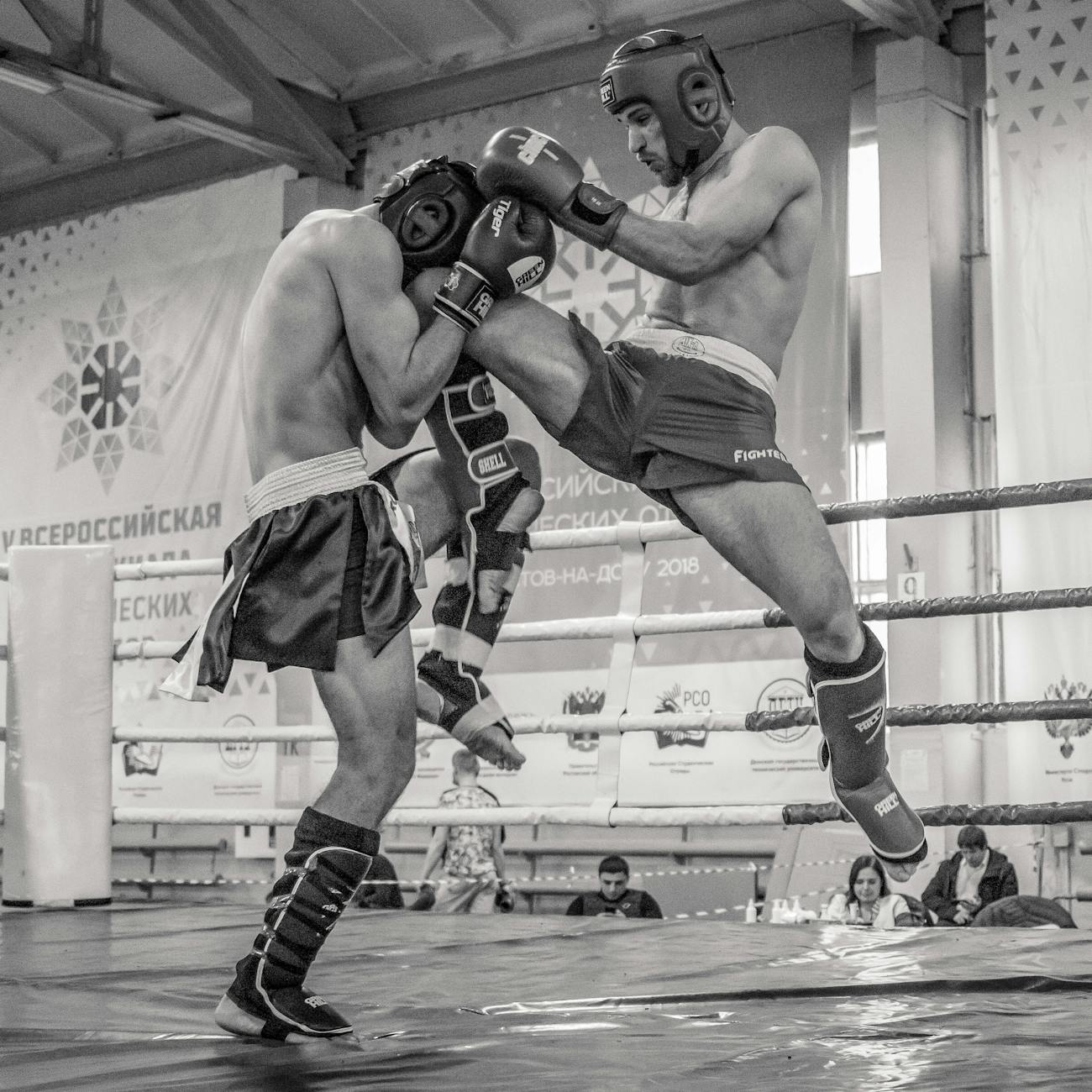
Performance Enhancement in Combat Sports
Performance enhancement in combat sports is a crucial aspect of training for athletes looking to improve their skills, strength, speed, agility, and overall performance in their chosen discipline. It involves a combination of physical conditioning, mental preparation, technical skill development, and strategic planning to help athletes reach their full potential and achieve success in competition. In this course, we will explore key terms and concepts related to performance enhancement in combat sports to help you better understand the various factors that contribute to athletic success in this demanding and dynamic field.
Anatomy and Physiology
Understanding the anatomy and physiology of the human body is essential for optimizing performance in combat sports. It is important to have a solid grasp of how the body functions and how different systems work together to support movement, strength, endurance, and overall athletic performance. Key terms related to anatomy and physiology include:
- Muscular system: The muscular system is responsible for producing movement and generating force. It is made up of different types of muscles, including skeletal muscles, smooth muscles, and cardiac muscles.
- Skeletal system: The skeletal system provides structural support for the body and protects vital organs. It also serves as an anchor for muscles, allowing for movement and mobility.
- Cardiovascular system: The cardiovascular system consists of the heart, blood vessels, and blood. It is responsible for transporting oxygen and nutrients to tissues and removing waste products from the body.
- Respiratory system: The respiratory system is responsible for the exchange of oxygen and carbon dioxide in the body. It allows for the uptake of oxygen during exercise and the removal of carbon dioxide produced as a byproduct of metabolism.
- Neuromuscular system: The neuromuscular system includes the nervous system and muscles working together to produce movement. It plays a critical role in coordinating muscle contractions, balance, coordination, and reaction time.
Strength and Conditioning
Strength and conditioning training are essential components of performance enhancement in combat sports. Building strength, power, speed, agility, and endurance can help athletes improve their performance in the ring or on the mat. Key terms related to strength and conditioning include:
- Strength: Strength is the ability of a muscle or group of muscles to generate force against resistance. It is essential for executing powerful strikes, takedowns, and grappling techniques in combat sports.
- Power: Power is the ability to generate force quickly. It is crucial for explosive movements such as throwing a punch or executing a takedown with maximal force.
- Speed: Speed is the ability to move quickly from one point to another. It is important for executing fast strikes, evasive maneuvers, and quick transitions between techniques.
- Agility: Agility is the ability to change direction quickly and efficiently. It is essential for evading opponents, moving in and out of range, and maintaining balance and control during dynamic movements.
- Endurance: Endurance is the ability to sustain prolonged physical activity. It is important for maintaining performance over the course of a fight or training session without fatigue.
Nutrition and Hydration
Proper nutrition and hydration play a significant role in performance enhancement in combat sports. Fueling the body with the right nutrients and staying hydrated can improve energy levels, recovery, and overall performance. Key terms related to nutrition and hydration include:
- Macronutrients: Macronutrients are nutrients that provide energy in the form of calories. They include carbohydrates, proteins, and fats, which are essential for fueling workouts, supporting muscle growth, and maintaining overall health.
- Micronutrients: Micronutrients are essential vitamins and minerals that are required in small amounts for various physiological functions in the body. They play a crucial role in energy production, immune function, and overall well-being.
- Hydration: Hydration is the process of replacing lost fluids in the body. Staying hydrated is essential for maintaining optimal performance, regulating body temperature, and preventing dehydration during intense training or competition.
- Pre-workout nutrition: Pre-workout nutrition involves consuming a balanced meal or snack before training or competition to fuel performance, enhance recovery, and optimize energy levels.
- Post-workout nutrition: Post-workout nutrition involves consuming nutrients after training or competition to replenish glycogen stores, repair muscle tissue, and support recovery and adaptation.
Mental Preparation
Mental preparation is a critical aspect of performance enhancement in combat sports. Developing mental toughness, focus, confidence, and resilience can help athletes overcome challenges, perform under pressure, and achieve peak performance in competition. Key terms related to mental preparation include:
- Mental toughness: Mental toughness is the ability to stay focused, motivated, and resilient in the face of adversity. It involves developing a positive mindset, managing stress, and maintaining composure under pressure.
- Visualization: Visualization is a mental rehearsal technique that involves imagining oneself performing a skill or technique in a specific scenario. It can help athletes improve technique, build confidence, and mentally prepare for competition.
- Goal setting: Goal setting involves establishing specific, measurable, achievable, relevant, and time-bound objectives to work towards. Setting goals can help athletes stay motivated, track progress, and maintain focus on their long-term aspirations.
- Positive self-talk: Positive self-talk involves using affirmations, mantras, or encouraging statements to boost confidence, overcome self-doubt, and stay motivated during training and competition.
- Relaxation techniques: Relaxation techniques such as deep breathing, progressive muscle relaxation, and mindfulness meditation can help athletes manage stress, reduce anxiety, and improve focus and performance.
Technical Skill Development
Technical skill development is essential for performance enhancement in combat sports. Mastering fundamental techniques, refining advanced skills, and developing tactical awareness can help athletes outmaneuver opponents and execute strategies effectively in competition. Key terms related to technical skill development include:
- Technique: Technique refers to the specific movements, positions, and mechanics used to perform a skill or technique effectively. It is essential for executing strikes, blocks, takedowns, submissions, and other techniques with precision and efficiency.
- Drills: Drills are repetitive exercises designed to improve specific aspects of technique, timing, coordination, and conditioning. They can help athletes develop muscle memory, build skill proficiency, and enhance performance in specific areas.
- Sparring: Sparring is simulated combat or practice fighting used to test skills, strategies, and techniques in a controlled environment. It allows athletes to apply techniques in real-time, develop timing and distance control, and gain valuable experience against resisting opponents.
- Shadowboxing: Shadowboxing is a solo training exercise where athletes practice techniques, footwork, and combinations without a partner or opponent. It can help improve movement, coordination, rhythm, and visualization of techniques.
- Technical drills: Technical drills are specific exercises designed to improve a particular aspect of technique or skill, such as striking accuracy, footwork speed, or defensive maneuvers. They can help athletes refine their skills, address weaknesses, and enhance overall performance.
Recovery and Regeneration
Recovery and regeneration are essential components of performance enhancement in combat sports. Proper rest, nutrition, hydration, and recovery strategies can help athletes recover from training, reduce fatigue, prevent injuries, and optimize performance for future workouts or competitions. Key terms related to recovery and regeneration include:
- Regeneration: Regeneration refers to the process of restoring the body's physical and mental state after intense training or competition. It involves replenishing energy stores, repairing muscle tissue, and recovering from fatigue and stress.
- Active recovery: Active recovery involves engaging in low-intensity activities such as light jogging, swimming, or cycling to promote blood flow, reduce muscle soreness, and enhance recovery without causing additional fatigue.
- Passive recovery: Passive recovery involves rest, sleep, or relaxation techniques to allow the body to recover and repair itself. It is essential for reducing fatigue, preventing overtraining, and promoting optimal performance.
- Cryotherapy: Cryotherapy is a recovery technique that involves exposing the body to cold temperatures to reduce inflammation, muscle soreness, and pain. It can help accelerate recovery, improve circulation, and enhance overall well-being.
- Massage therapy: Massage therapy involves manual manipulation of soft tissues to promote relaxation, reduce muscle tension, improve circulation, and enhance recovery. It can help athletes recover from workouts, prevent injuries, and improve flexibility and range of motion.
Performance Monitoring and Assessment
Performance monitoring and assessment are essential for tracking progress, identifying strengths and weaknesses, and making informed decisions to optimize training and performance in combat sports. Key terms related to performance monitoring and assessment include:
- Performance metrics: Performance metrics are quantitative measures used to assess various aspects of athletic performance, such as speed, power, endurance, agility, and technique. They provide objective data to track progress, set goals, and make adjustments to training programs.
- Biomechanical analysis: Biomechanical analysis involves studying the mechanics of movement to optimize technique, efficiency, and performance. It can help identify flaws in technique, improve movement patterns, and enhance performance through biomechanical adjustments.
- Heart rate monitoring: Heart rate monitoring involves tracking heart rate during exercise to assess intensity, effort, and cardiovascular fitness. It can help athletes monitor training zones, optimize workout intensity, and prevent overtraining or undertraining.
- Video analysis: Video analysis involves recording and reviewing footage of training sessions or competitions to evaluate technique, timing, positioning, and tactical decisions. It can help athletes identify areas for improvement, refine skills, and develop strategic insights.
- Performance testing: Performance testing involves conducting specific tests or assessments to measure various physical attributes, such as strength, power, speed, agility, endurance, and flexibility. It can help athletes benchmark performance, set goals, and track progress over time.
Challenges and Considerations
While performance enhancement in combat sports offers numerous benefits for athletes seeking to improve their skills and achieve success in competition, it also presents various challenges and considerations that must be addressed to ensure optimal outcomes. Key challenges and considerations include:
- Overtraining: Overtraining occurs when athletes exceed their capacity to recover from intense training, leading to fatigue, decreased performance, and increased risk of injury. It is essential to balance training volume, intensity, and recovery to prevent overtraining and optimize performance.
- Injury prevention: Combat sports involve inherent risks of injury due to the physical nature of the sport and the demands placed on the body. It is important to implement injury prevention strategies, such as proper technique, strength and conditioning, and recovery protocols, to reduce the risk of injuries and ensure athlete safety.
- Weight management: Weight management is a common concern in combat sports where athletes must compete in specific weight classes. It is essential to adopt healthy and sustainable weight management practices to meet weight requirements without compromising performance, health, or well-being.
- Mental health: The mental aspect of combat sports can have a significant impact on performance, motivation, and overall well-being. It is important to address mental health challenges, such as anxiety, stress, and burnout, through proper support, counseling, and mental preparation techniques.
- Recovery strategies: Effective recovery strategies are essential for promoting optimal performance, preventing injuries, and supporting long-term athletic development. It is important to prioritize rest, nutrition, hydration, and recovery techniques to facilitate recovery, regeneration, and adaptation to training stress.
Conclusion
Performance enhancement in combat sports is a multifaceted and dynamic process that requires a comprehensive understanding of anatomy, physiology, strength and conditioning, nutrition, mental preparation, technical skill development, recovery, performance monitoring, and assessment. By exploring key terms and concepts related to performance enhancement in combat sports, athletes and coaches can gain valuable insights into the various factors that contribute to athletic success and develop strategies to optimize performance, overcome challenges, and achieve peak performance in training and competition.
Key takeaways
- In this course, we will explore key terms and concepts related to performance enhancement in combat sports to help you better understand the various factors that contribute to athletic success in this demanding and dynamic field.
- It is important to have a solid grasp of how the body functions and how different systems work together to support movement, strength, endurance, and overall athletic performance.
- It is made up of different types of muscles, including skeletal muscles, smooth muscles, and cardiac muscles.
- - Skeletal system: The skeletal system provides structural support for the body and protects vital organs.
- It is responsible for transporting oxygen and nutrients to tissues and removing waste products from the body.
- - Respiratory system: The respiratory system is responsible for the exchange of oxygen and carbon dioxide in the body.
- - Neuromuscular system: The neuromuscular system includes the nervous system and muscles working together to produce movement.