
Aggression
Aggression is a complex behavior that is influenced by various factors, including biological, psychological, and social elements. It can be defined as any form of behavior intended to harm another individual who is motivated to avoid such t…
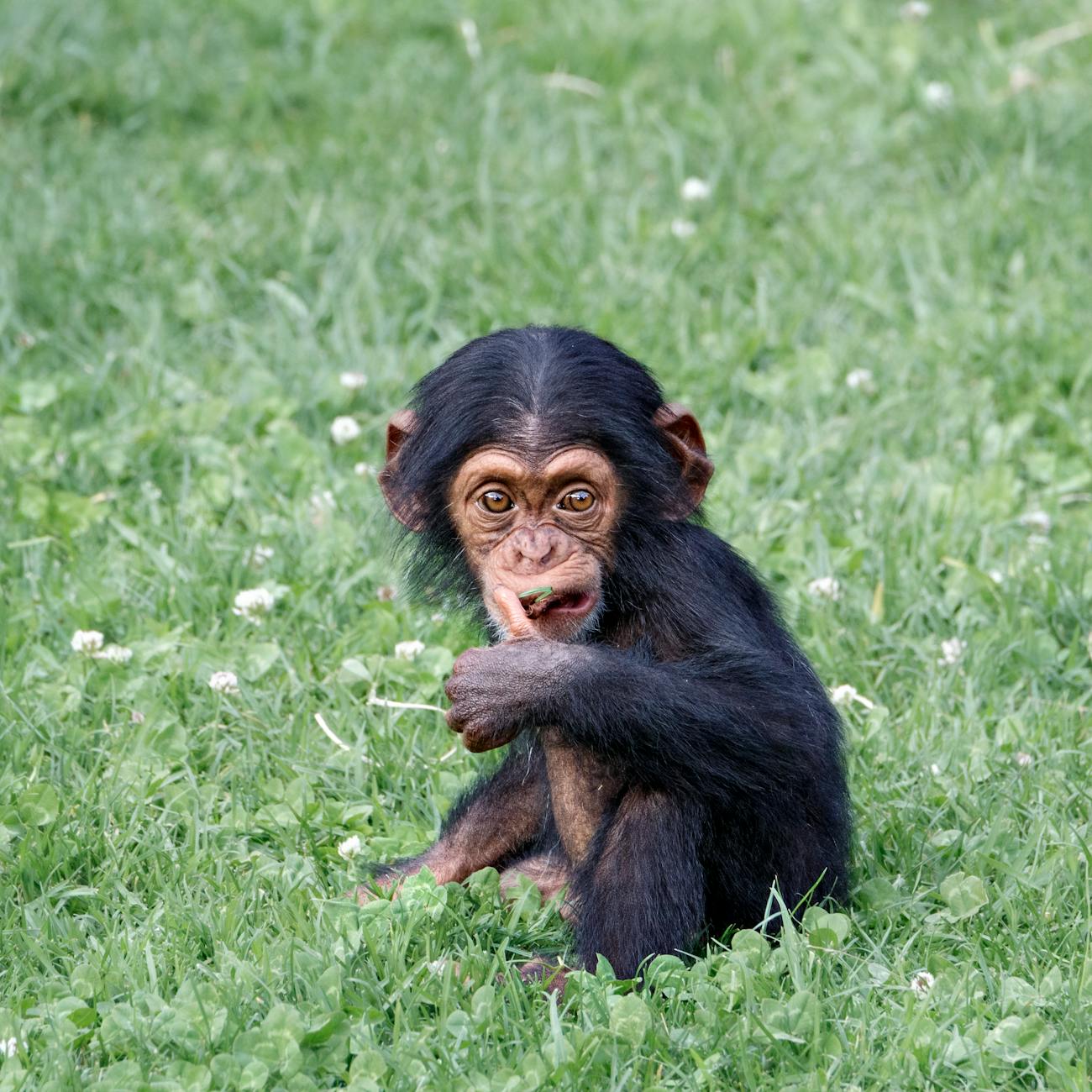
Aggression is a complex behavior that is influenced by various factors, including biological, psychological, and social elements. It can be defined as any form of behavior intended to harm another individual who is motivated to avoid such treatment. In the context of evolutionary psychology, aggression is often seen as a result of natural selection, where individuals who were able to successfully compete for resources and mates were more likely to survive and pass on their genes to the next generation.
One key concept in understanding aggression is inclusive fitness, which refers to an individual's overall genetic success, including their own offspring as well as any relatives who share a proportion of their genes. This concept helps explain why individuals may engage in aggressive behavior to protect or support their family members, as it can ultimately increase their own genetic fitness.
Another important concept related to aggression is kin selection, which is a form of natural selection that favors behaviors that increase the reproductive success of genetic relatives, even at a cost to the individual's own reproductive success. This can help explain why individuals may be more likely to help or protect their close relatives, even if it means engaging in aggressive behavior towards non-relatives.
Reciprocal altruism is another theory that can help explain aggression in evolutionary psychology. This theory suggests that individuals may engage in aggressive behavior towards those who do not reciprocate cooperation or support. By punishing individuals who do not cooperate or who engage in cheating behavior, individuals can maintain cooperation within a group and increase their own chances of reproductive success.
There are also different forms of aggression that can be observed in both humans and animals. Direct aggression involves physical harm or the threat of physical harm, such as fighting or attacking another individual. This form of aggression is often seen in competitive situations where individuals are vying for limited resources or mates. Indirect aggression, on the other hand, involves harming another individual through social means, such as gossiping, spreading rumors, or undermining someone's reputation. This form of aggression can be more subtle but still have significant negative effects on the target individual.
One of the key challenges in studying aggression is determining the underlying causes and triggers for aggressive behavior. While some forms of aggression may be innate and rooted in our evolutionary history, others may be influenced by environmental factors such as upbringing, socialization, and cultural norms. Understanding the interplay between these factors can help researchers develop more comprehensive theories of aggression and identify effective strategies for managing and reducing aggressive behavior.
Aggression is a complex behavior that is influenced by various factors, including biological, psychological, and social elements. It can be defined as any form of behavior intended to harm another individual who is motivated to avoid such treatment. In the context of evolutionary psychology, aggression is often seen as a result of natural selection, where individuals who were able to successfully compete for resources and mates were more likely to survive and pass on their genes to the next generation.
One key concept in understanding aggression is inclusive fitness, which refers to an individual's overall genetic success, including their own offspring as well as any relatives who share a proportion of their genes. This concept helps explain why individuals may engage in aggressive behavior to protect or support their family members, as it can ultimately increase their own genetic fitness.
Another important concept related to aggression is kin selection, which is a form of natural selection that favors behaviors that increase the reproductive success of genetic relatives, even at a cost to the individual's own reproductive success. This can help explain why individuals may be more likely to help or protect their close relatives, even if it means engaging in aggressive behavior towards non-relatives.
Reciprocal altruism is another theory that can help explain aggression in evolutionary psychology. This theory suggests that individuals may engage in aggressive behavior towards those who do not reciprocate cooperation or support. By punishing individuals who do not cooperate or who engage in cheating behavior, individuals can maintain cooperation within a group and increase their own chances of reproductive success.
There are also different forms of aggression that can be observed in both humans and animals. Direct aggression involves physical harm or the threat of physical harm, such as fighting or attacking another individual. This form of aggression is often seen in competitive situations where individuals are vying for limited resources or mates. Indirect aggression, on the other hand, involves harming another individual through social means, such as gossiping, spreading rumors, or undermining someone's reputation. This form of aggression can be more subtle but still have significant negative effects on the target individual.
One of the key challenges in studying aggression is determining the underlying causes and triggers for aggressive behavior. While some forms of aggression may be innate and rooted in our evolutionary history, others may be influenced by environmental factors such as upbringing, socialization, and cultural norms. Understanding the interplay between these factors can help researchers develop more comprehensive theories of aggression and identify effective strategies for managing and reducing aggressive behavior.
Aggression is a complex behavior that is influenced by various factors, including biological, psychological, and social elements. It can be defined as any form of behavior intended to harm another individual who is motivated to avoid such treatment. In the context of evolutionary psychology, aggression is often seen as a result of natural selection, where individuals who were able to successfully compete for resources and mates were more likely to survive and pass on their genes to the next generation.
One key concept in understanding aggression is inclusive fitness, which refers to an individual's overall genetic success, including their own offspring as well as any relatives who share a proportion of their genes. This concept helps explain why individuals may engage in aggressive behavior to protect or support their family members, as it can ultimately increase their own genetic fitness.
Another important concept related to aggression is kin selection, which is a form of natural selection that favors behaviors that increase the reproductive success of genetic relatives, even at a cost to the individual's own reproductive success. This can help explain why individuals may be more likely to help or protect their close relatives, even if it means engaging in aggressive behavior towards non-relatives.
Reciprocal altruism is another theory that can help explain aggression in evolutionary psychology. This theory suggests that individuals may engage in aggressive behavior towards those who do not reciprocate cooperation or support. By punishing individuals who do not cooperate or who engage in cheating behavior, individuals can maintain cooperation within a group and increase their own chances of reproductive success.
There are also different forms of aggression that can be observed in both humans and animals. Direct aggression involves physical harm or the threat of physical harm, such as fighting or attacking another individual. This form of aggression is often seen in competitive situations where individuals are vying for limited resources or mates. Indirect aggression, on the other hand, involves harming another individual through social means, such as gossiping, spreading rumors, or undermining someone's reputation. This form of aggression can be more subtle but still have significant negative effects on the target individual.
One of the key challenges in studying aggression is determining the underlying causes and triggers for aggressive behavior. While some forms of aggression may be innate and rooted in our evolutionary history, others may be influenced by environmental factors such as upbringing, socialization, and cultural norms. Understanding the interplay between these factors can help researchers develop more comprehensive theories of aggression and identify effective strategies for managing and reducing aggressive behavior.
Key takeaways
- Aggression is a complex behavior that is influenced by various factors, including biological, psychological, and social elements.
- One key concept in understanding aggression is inclusive fitness, which refers to an individual's overall genetic success, including their own offspring as well as any relatives who share a proportion of their genes.
- This can help explain why individuals may be more likely to help or protect their close relatives, even if it means engaging in aggressive behavior towards non-relatives.
- By punishing individuals who do not cooperate or who engage in cheating behavior, individuals can maintain cooperation within a group and increase their own chances of reproductive success.
- Indirect aggression, on the other hand, involves harming another individual through social means, such as gossiping, spreading rumors, or undermining someone's reputation.
- Understanding the interplay between these factors can help researchers develop more comprehensive theories of aggression and identify effective strategies for managing and reducing aggressive behavior.
- Aggression is a complex behavior that is influenced by various factors, including biological, psychological, and social elements.