
Integrative Therapies for Eczema
Integrative therapies for eczema involve the use of evidence-based complementary and alternative medicine (CAM) approaches in combination with conventional treatments to manage eczema symptoms and improve quality of life. Here are some key …
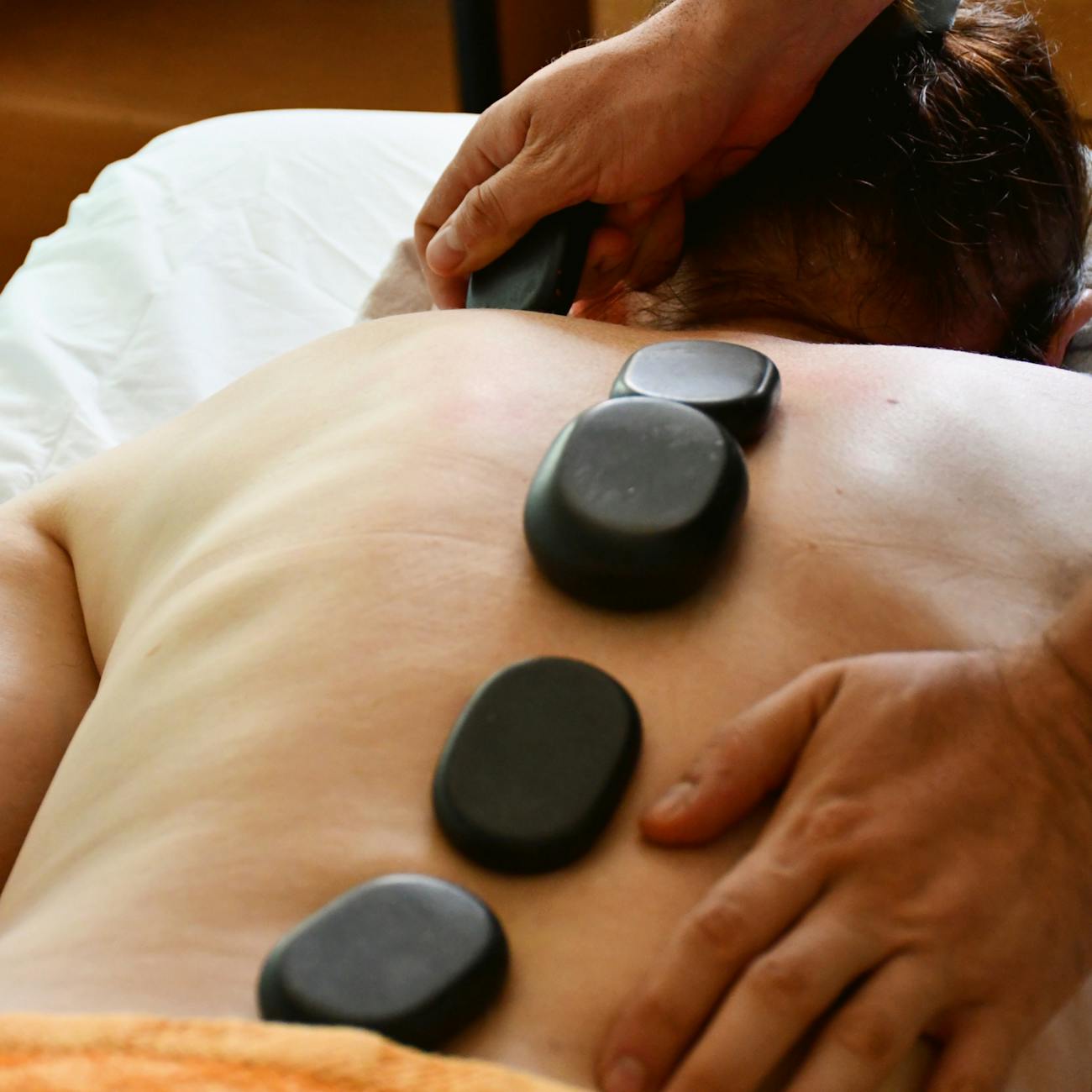
Integrative therapies for eczema involve the use of evidence-based complementary and alternative medicine (CAM) approaches in combination with conventional treatments to manage eczema symptoms and improve quality of life. Here are some key terms and vocabulary related to integrative therapies for eczema:
1. Atopic dermatitis: Also known as eczema, atopic dermatitis is a chronic inflammatory skin condition characterized by dry, itchy, and scaly patches on the skin. It is often associated with other allergic conditions such as asthma and hay fever. 2. Complementary and alternative medicine (CAM): CAM refers to a variety of healing practices and products that are not typically considered part of conventional medicine. Examples of CAM therapies for eczema include acupuncture, herbal medicine, and mind-body practices. 3. Acupuncture: Acupuncture is a traditional Chinese medicine practice that involves inserting thin needles into specific points on the body to stimulate energy flow and promote healing. It has been shown to reduce inflammation and itchiness in people with eczema. 4. Herbal medicine: Herbal medicine involves using plant extracts and other natural remedies to treat various health conditions. Some herbs that have been found to be helpful in managing eczema symptoms include chamomile, calendula, and licorice root. 5. Mind-body practices: Mind-body practices are techniques that aim to reduce stress and promote relaxation, such as meditation, yoga, and guided imagery. These practices have been shown to improve eczema symptoms by reducing inflammation and improving sleep quality. 6. Nutrition: A healthy diet is essential for maintaining overall health and well-being, and can also play a role in managing eczema symptoms. Certain foods, such as nuts, seeds, and fatty fish, are high in anti-inflammatory omega-3 fatty acids, which can help reduce inflammation in the body. 7. Topical therapies: Topical therapies are treatments that are applied directly to the skin, such as creams, ointments, and lotions. Common topical treatments for eczema include corticosteroids, calcineurin inhibitors, and moisturizers. 8. Phototherapy: Phototherapy involves exposing the skin to ultraviolet (UV) light to reduce inflammation and itchiness. This can be done in a doctor's office or at home with a UV light box. 9. Integrative medicine: Integrative medicine is a holistic approach to healthcare that combines conventional and complementary therapies to treat the whole person, rather than just the symptoms of a particular condition. 10. Personalized medicine: Personalized medicine involves tailoring treatments to the individual patient's needs and genetic makeup. This approach can be particularly useful in managing complex conditions like eczema.
Examples of integrative therapies for eczema:
* A patient with eczema may use a combination of topical corticosteroids, moisturizers, and mind-body practices such as meditation and yoga to manage their symptoms. * A practitioner of traditional Chinese medicine may use acupuncture and herbal remedies to reduce inflammation and itchiness in a patient with eczema. * A nutritionist may work with a patient with eczema to develop a personalized diet plan that incorporates anti-inflammatory foods and avoids trigger foods that exacerbate eczema symptoms.
Practical applications of integrative therapies for eczema:
* Patients with eczema can incorporate mind-body practices into their daily routine to reduce stress and promote relaxation. * Practitioners of integrative medicine can work with patients to develop a personalized treatment plan that combines conventional and complementary therapies. * Nutritionists can help patients with eczema identify trigger foods and develop a healthy, anti-inflammatory diet plan.
Challenges of integrative therapies for eczema:
* Integrative therapies for eczema may not be covered by insurance, making them inaccessible to some patients. * Some complementary therapies may interact with conventional medications, so it's important for patients to work closely with their healthcare provider to ensure safety. * The quality and safety of complementary therapies can vary widely, so it's important for patients to do their research and choose reputable sources.
In conclusion, integrative therapies for eczema involve the use of evidence-based complementary and alternative medicine approaches in combination with conventional treatments to manage eczema symptoms and improve quality of life. By incorporating mind-body practices, nutrition, topical therapies, phototherapy, and other integrative therapies, patients with eczema can develop a personalized treatment plan that addresses their individual needs and preferences. While there are challenges to integrative therapies, the potential benefits make them a valuable addition to conventional eczema treatments.
Key takeaways
- Integrative therapies for eczema involve the use of evidence-based complementary and alternative medicine (CAM) approaches in combination with conventional treatments to manage eczema symptoms and improve quality of life.
- Integrative medicine: Integrative medicine is a holistic approach to healthcare that combines conventional and complementary therapies to treat the whole person, rather than just the symptoms of a particular condition.
- * A nutritionist may work with a patient with eczema to develop a personalized diet plan that incorporates anti-inflammatory foods and avoids trigger foods that exacerbate eczema symptoms.
- * Practitioners of integrative medicine can work with patients to develop a personalized treatment plan that combines conventional and complementary therapies.
- * Some complementary therapies may interact with conventional medications, so it's important for patients to work closely with their healthcare provider to ensure safety.
- By incorporating mind-body practices, nutrition, topical therapies, phototherapy, and other integrative therapies, patients with eczema can develop a personalized treatment plan that addresses their individual needs and preferences.