
Quality Assurance in PACS Systems
Quality Assurance in Picture Archiving and Communication Systems (PACS) is crucial for ensuring the accuracy, reliability, and overall performance of these systems in healthcare settings. In this course, we will explore key terms and vocabu…
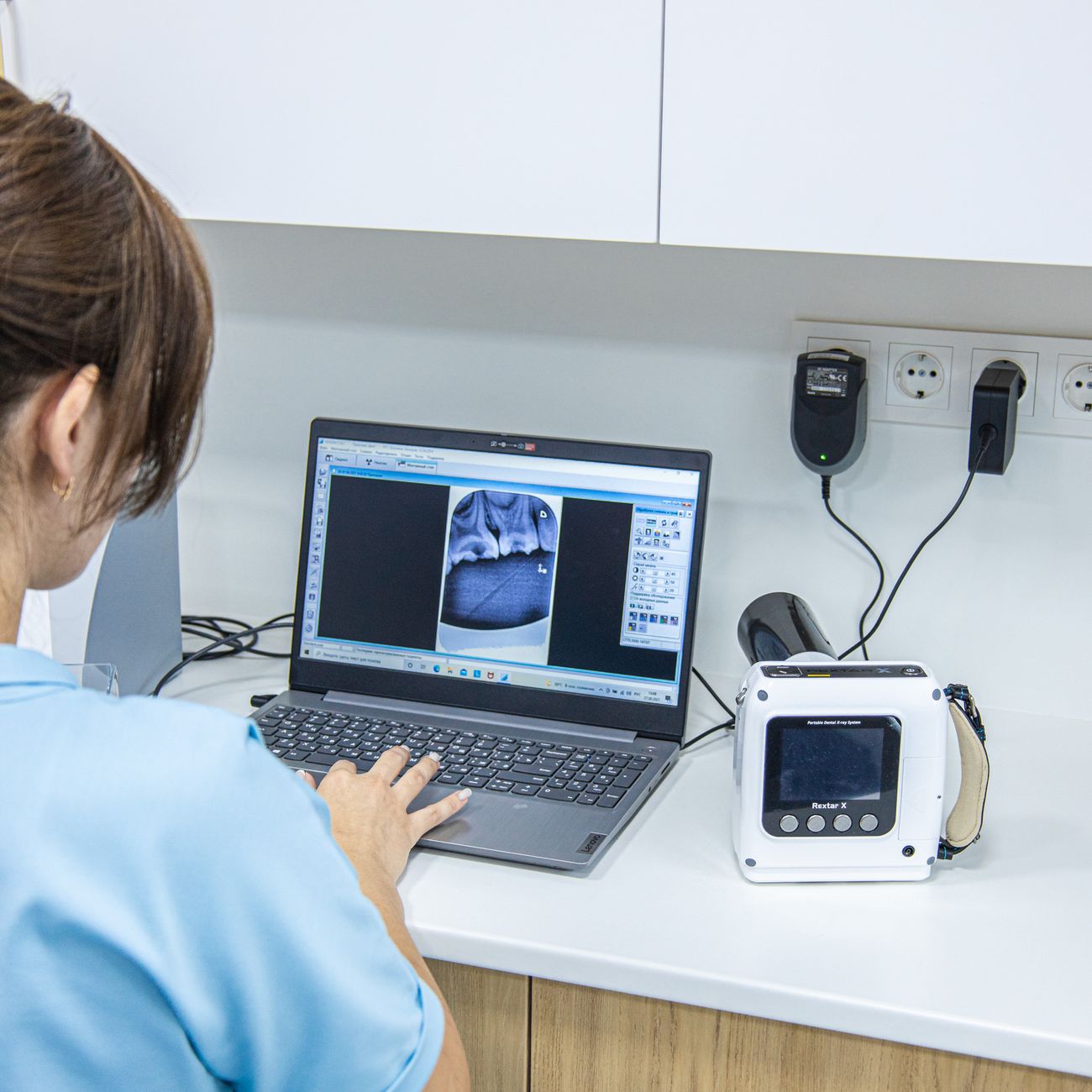
Quality Assurance in Picture Archiving and Communication Systems (PACS) is crucial for ensuring the accuracy, reliability, and overall performance of these systems in healthcare settings. In this course, we will explore key terms and vocabulary related to Quality Assurance in PACS Systems to equip you with the knowledge and skills necessary to effectively inspect and maintain these systems.
1. **PACS System**: A Picture Archiving and Communication System (PACS) is a medical imaging technology that enables healthcare providers to digitally capture, store, distribute, and display medical images such as X-rays, CT scans, and MRIs. PACS Systems play a vital role in modern healthcare by facilitating efficient image management and improving patient care.
2. **Quality Assurance (QA)**: Quality Assurance in PACS Systems refers to the systematic process of ensuring that the system meets predefined quality standards and requirements. QA activities aim to prevent errors, detect defects, and improve overall system performance to deliver high-quality medical images for accurate diagnosis and treatment.
3. **Inspection**: Inspection in PACS System QA involves examining the system components, functionalities, and processes to identify any deviations from established standards or best practices. Inspections help to identify potential issues early on and prevent them from impacting the quality of medical imaging services.
4. **Compliance**: Compliance in PACS System QA refers to adherence to regulatory requirements, industry standards, and organizational policies governing the use and maintenance of PACS Systems. Compliance ensures that the system operates in a safe, secure, and efficient manner while protecting patient data and maintaining data integrity.
5. **Validation**: Validation in PACS System QA involves confirming that the system meets its intended purpose and functions correctly according to specifications. Validation activities may include testing, verification, and documentation to ensure that the system performs as expected and complies with user requirements.
6. **Verification**: Verification in PACS System QA is the process of confirming that the system meets specified requirements and design specifications. Verification activities focus on ensuring that the system functions as intended and that any changes or updates do not introduce errors or defects.
7. **Risk Management**: Risk management in PACS System QA involves identifying, assessing, and mitigating potential risks that could impact system performance, patient safety, or data security. Effective risk management strategies help to minimize the likelihood of adverse events and ensure the continuous operation of the PACS System.
8. **Incident Management**: Incident management in PACS System QA refers to the process of responding to and resolving unexpected events, issues, or disruptions that affect the system's performance or availability. Incident management aims to minimize downtime, restore normal operations, and prevent similar incidents from occurring in the future.
9. **Audit Trails**: Audit trails in PACS System QA are electronic records that capture and document system activities, user interactions, and changes made to the system. Audit trails help to track system usage, monitor compliance, and investigate incidents or unauthorized access to ensure data integrity and system security.
10. **Data Integrity**: Data integrity in PACS System QA refers to the accuracy, consistency, and reliability of medical imaging data stored and transmitted within the system. Maintaining data integrity is essential for ensuring that medical images are not altered, corrupted, or lost, which could lead to incorrect diagnoses or treatment decisions.
11. **Interoperability**: Interoperability in PACS System QA is the ability of the system to seamlessly exchange and share medical images and patient information with other healthcare systems, devices, or applications. Interoperable PACS Systems enable healthcare providers to access and collaborate on patient data efficiently, leading to improved care coordination and outcomes.
12. **DICOM (Digital Imaging and Communications in Medicine)**: DICOM is a standard protocol for the transmission and storage of medical images and related information in PACS Systems. DICOM ensures that images from different modalities and vendors can be viewed and interpreted consistently, promoting interoperability and data exchange in healthcare settings.
13. **HL7 (Health Level Seven)**: HL7 is a set of standards for the exchange, integration, sharing, and retrieval of electronic health information in healthcare systems, including PACS Systems. HL7 facilitates communication between different healthcare applications and systems to improve data interoperability, workflow efficiency, and patient care.
14. **Workflow Optimization**: Workflow optimization in PACS System QA involves streamlining and improving the processes, procedures, and tasks involved in image acquisition, storage, retrieval, and interpretation. Optimizing workflow enhances system efficiency, reduces errors, and enhances the overall quality of medical imaging services.
15. **Training and Education**: Training and education in PACS System QA are essential for ensuring that system users, administrators, and IT staff have the knowledge and skills required to operate, maintain, and troubleshoot the system effectively. Continuous training helps to enhance user proficiency, reduce errors, and promote a culture of quality and safety in healthcare.
16. **Maintenance and Support**: Maintenance and support in PACS System QA encompass ongoing activities to monitor, update, and troubleshoot the system to ensure optimal performance and reliability. Regular maintenance and timely support help to prevent downtime, address issues promptly, and prolong the lifespan of the PACS System.
By familiarizing yourself with these key terms and concepts related to Quality Assurance in PACS Systems, you will be better equipped to conduct thorough inspections, identify potential issues, and implement effective QA strategies to maintain the quality, safety, and performance of these critical healthcare technologies. Remember that continuous learning, collaboration, and adherence to best practices are essential for ensuring the success and sustainability of PACS Systems in healthcare environments.
Key takeaways
- In this course, we will explore key terms and vocabulary related to Quality Assurance in PACS Systems to equip you with the knowledge and skills necessary to effectively inspect and maintain these systems.
- **PACS System**: A Picture Archiving and Communication System (PACS) is a medical imaging technology that enables healthcare providers to digitally capture, store, distribute, and display medical images such as X-rays, CT scans, and MRIs.
- **Quality Assurance (QA)**: Quality Assurance in PACS Systems refers to the systematic process of ensuring that the system meets predefined quality standards and requirements.
- **Inspection**: Inspection in PACS System QA involves examining the system components, functionalities, and processes to identify any deviations from established standards or best practices.
- **Compliance**: Compliance in PACS System QA refers to adherence to regulatory requirements, industry standards, and organizational policies governing the use and maintenance of PACS Systems.
- **Validation**: Validation in PACS System QA involves confirming that the system meets its intended purpose and functions correctly according to specifications.
- **Verification**: Verification in PACS System QA is the process of confirming that the system meets specified requirements and design specifications.