
Environmental Management in Mining
Environmental management in mining is a critical aspect of the mining industry, as it involves the identification, assessment, and mitigation of environmental impacts associated with mining activities. The primary goal of environmental mana…
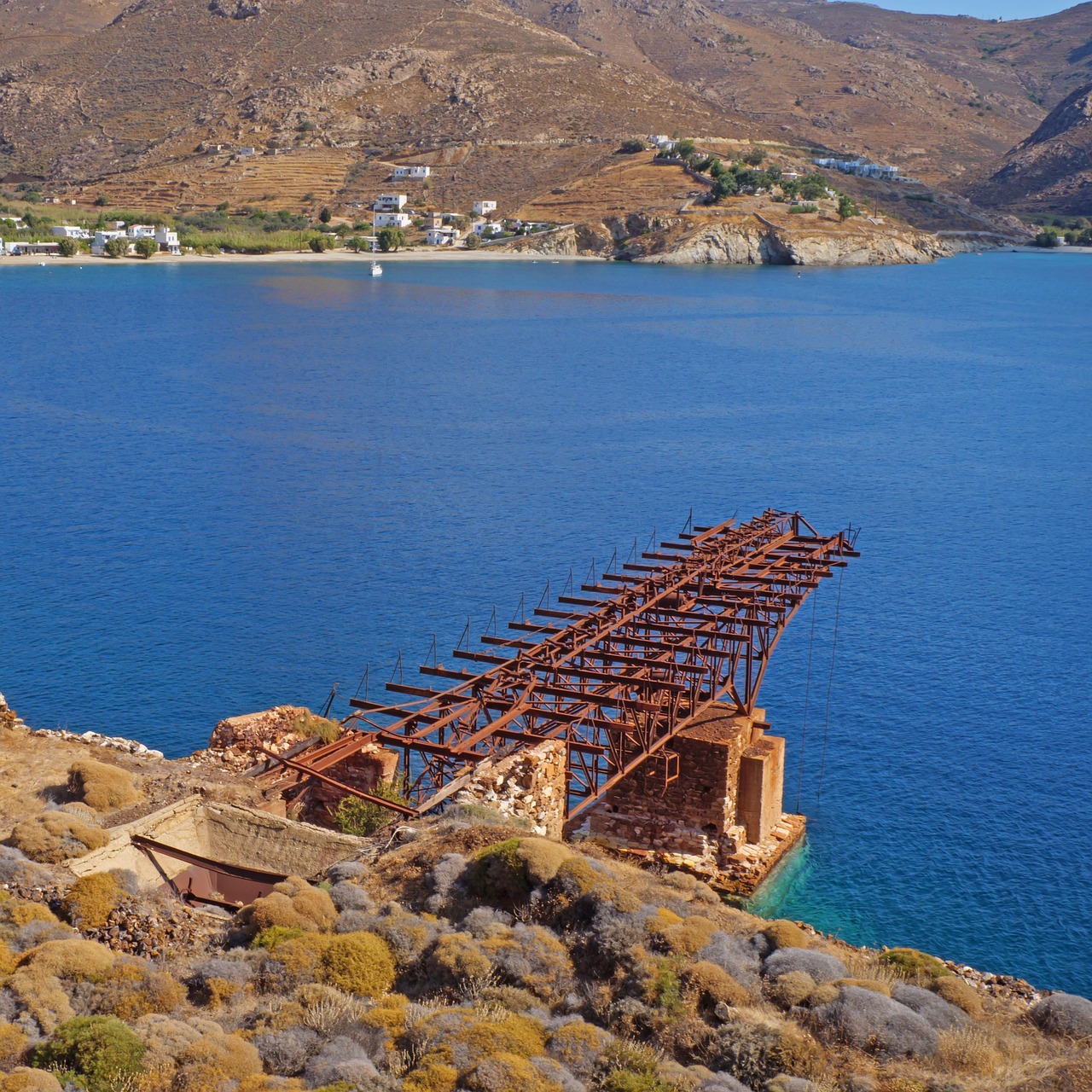
Environmental management in mining is a critical aspect of the mining industry, as it involves the identification, assessment, and mitigation of environmental impacts associated with mining activities. The primary goal of environmental management in mining is to minimize the negative effects of mining on the environment and to ensure that mining operations are conducted in a responsible and sustainable manner. One of the key terms in environmental management is baseline data, which refers to the collection of environmental data prior to the commencement of mining activities. This data serves as a reference point for measuring the environmental impacts of mining and for developing strategies to mitigate these impacts.
The environmental management process in mining involves several stages, including environmental impact assessment, risk assessment, and monitoring. Environmental impact assessment involves the identification and evaluation of the potential environmental impacts of mining activities, while risk assessment involves the identification and evaluation of the potential risks associated with these impacts. Monitoring involves the collection of data on environmental parameters such as air and water quality, noise levels, and ecosystem health. The data collected during monitoring is used to track the effectiveness of environmental management strategies and to identify areas for improvement.
One of the key challenges in environmental management in mining is the management of waste rock and tailings. Waste rock refers to the rock that is removed from the mine site but is not processed for mineral extraction, while tailings refer to the waste material that is generated during the processing of minerals. The management of waste rock and tailings is critical, as they can pose significant environmental risks if not managed properly. For example, waste rock and tailings can contain heavy metals and other contaminants that can leach into waterways and soil, causing environmental harm.
Another key challenge in environmental management in mining is the management of water resources. Mining activities can have significant impacts on water resources, including the consumption of large amounts of water, the generation of wastewater, and the potential for water pollution. The management of water resources in mining involves the implementation of strategies to reduce water consumption, to treat and reuse wastewater, and to prevent water pollution. For example, mines can implement recycle systems to reuse water, or can use treatment technologies to remove contaminants from wastewater.
Environmental management in mining also involves the management of air quality. Mining activities can generate significant amounts of dust and other air pollutants, which can have negative impacts on human health and the environment. The management of air quality in mining involves the implementation of strategies to reduce dust generation, such as the use of suppression systems, and to monitor and control air quality. For example, mines can use monitoring equipment to track air quality parameters such as particulate matter and gases.
In addition to these challenges, environmental management in mining also involves the management of biodiversity and ecosystem health. Mining activities can have significant impacts on biodiversity, including the destruction of habitats and the disruption of ecosystems. The management of biodiversity and ecosystem health in mining involves the implementation of strategies to minimize these impacts, such as the use of rehabilitation techniques to restore habitats and ecosystems. For example, mines can use revegetation techniques to restore vegetation and to promote biodiversity.
The implementation of environmental management strategies in mining is critical to minimizing the negative environmental impacts of mining activities. One of the key strategies is the use of environmental management systems, which provide a framework for managing environmental risks and impacts. Environmental management systems involve the identification of environmental risks and impacts, the development of strategies to mitigate these risks and impacts, and the implementation of monitoring and review processes to track progress.
Another key strategy is the use of technology to reduce environmental impacts. For example, mines can use remote sensing technologies to monitor environmental parameters such as air and water quality, or can use simulation models to predict environmental impacts. The use of technology can help to reduce the costs and improve the effectiveness of environmental management in mining.
The development of policy and regulation is also critical to environmental management in mining. Governments and regulatory agencies play a crucial role in developing and enforcing policies and regulations that promote responsible and sustainable mining practices. For example, governments can establish standards for environmental management in mining, or can provide incentives for mines to adopt best practices.
The role of stakeholders is also important in environmental management in mining. Stakeholders, including local communities, indigenous peoples, and non-governmental organizations, can play a crucial role in promoting responsible and sustainable mining practices. For example, stakeholders can participate in consultation processes to provide input on environmental management strategies, or can work with mines to develop community development programs.
In terms of best practices, there are several strategies that mines can use to promote environmental management. One of the key strategies is the use of life cycle assessment, which involves the evaluation of the environmental impacts of mining activities throughout the entire life cycle of the mine. Another strategy is the use of benchmarking, which involves the comparison of environmental performance with other mines or industries.
The use of certification schemes is also a key strategy in environmental management in mining. Certification schemes, such as the ISO 14001 standard, provide a framework for managing environmental risks and impacts, and can help to demonstrate a mine's commitment to responsible and sustainable mining practices. For example, mines can use auditing processes to evaluate their environmental management systems, or can use reporting processes to disclose their environmental performance.
The development of capacity and capability is also critical to environmental management in mining. Mines need to have the necessary skills, knowledge, and resources to implement effective environmental management strategies. For example, mines can provide training programs for employees, or can hire consultants to provide expertise on environmental management.
In terms of challenges, there are several issues that mines may face in implementing environmental management strategies. One of the key challenges is the lack of resources, including financial, human, and technological resources. Another challenge is the lack of awareness and understanding of environmental management principles and practices. For example, mines may not have the necessary knowledge or skills to implement effective environmental management strategies, or may not be aware of the potential environmental impacts of their activities.
The lack of regulatory frameworks and enforcement mechanisms is also a key challenge in environmental management in mining. In some countries, there may be a lack of effective regulatory frameworks or enforcement mechanisms to promote responsible and sustainable mining practices. For example, governments may not have the necessary authority or resources to enforce environmental regulations, or may not have the necessary expertise to develop and implement effective environmental management strategies.
The role of research and development is also critical to environmental management in mining. Research and development can help to identify new technologies and strategies for reducing environmental impacts, and can help to improve the effectiveness of environmental management practices. For example, research can be conducted on new technologies for reducing waste generation, or on innovative strategies for promoting biodiversity and ecosystem health.
In terms of case studies, there are several examples of mines that have implemented effective environmental management strategies. For example, the Mount Polley mine in Canada has implemented a comprehensive environmental management system that includes strategies for managing waste rock and tailings, reducing water consumption, and promoting biodiversity and ecosystem health. Another example is the Ok Tedi mine in Papua New Guinea, which has implemented a range of environmental management strategies, including the use of treatment technologies to remove contaminants from wastewater, and the implementation of rehabilitation techniques to restore habitats and ecosystems.
The use of indicators and metrics is also critical to environmental management in mining. Indicators and metrics can be used to track progress and measure the effectiveness of environmental management strategies. For example, mines can use key performance indicators (KPIs) to track environmental parameters such as air and water quality, or can use benchmarking metrics to compare their environmental performance with other mines or industries.
In terms of future directions, there are several trends and developments that are likely to shape the future of environmental management in mining. One of the key trends is the increasing use of technology and innovation to reduce environmental impacts. For example, mines can use remote sensing technologies to monitor environmental parameters, or can use simulation models to predict environmental impacts. Another trend is the increasing focus on sustainability and responsible mining practices, including the use of certification schemes and reporting processes to demonstrate a mine's commitment to environmental management.
The development of new policies and regulations is also likely to shape the future of environmental management in mining. For example, governments may develop new standards for environmental management in mining, or may provide incentives for mines to adopt best practices. The role of stakeholders is also likely to become more important, as local communities, indigenous peoples, and non-governmental organizations play a crucial role in promoting responsible and sustainable mining practices.
In terms of implications, the effective implementation of environmental management strategies in mining can have significant benefits for the environment, for local communities, and for the mining industry as a whole. For example, the reduction of waste generation and the promotion of biodiversity and ecosystem health can help to minimize the negative environmental impacts of mining activities. The implementation of certification schemes and reporting processes can also help to demonstrate a mine's commitment to responsible and sustainable mining practices, and can help to promote transparency and accountability.
The development of capacity and capability is also critical to the effective implementation of environmental management strategies in mining. Mines need to have the necessary skills, knowledge, and resources to implement effective environmental management strategies, and to track progress and measure the effectiveness of these strategies. The use of indicators and metrics can help to track progress and measure the effectiveness of environmental management strategies, and can help to identify areas for improvement.
The role of research and development is also critical to the effective implementation of environmental management strategies in mining. Research and development can help to identify new technologies and strategies for reducing environmental impacts, and can help to improve the effectiveness of environmental management practices. For example, research can be conducted on new technologies for reducing waste generation, or on innovative strategies for promoting biodiversity and ecosystem health.
In terms of challenges, the effective implementation of environmental management strategies in mining can be complex and challenging. For example, mines may face technical challenges in implementing environmental management strategies, or may face financial challenges in securing the necessary resources to implement these strategies. The lack of regulatory frameworks and enforcement mechanisms can also be a challenge, as mines may not have the necessary authority or resources to enforce environmental regulations.
The role of stakeholders is also critical to the effective implementation of environmental management strategies in mining. Stakeholders, including local communities, indigenous peoples, and non-governmental organizations, can play a crucial role in promoting responsible and sustainable mining practices. For example, stakeholders can participate in consultation processes to provide input on environmental management strategies, or can work with mines to develop community development programs.
The development of new policies and regulations is also likely to shape the future of environmental management in mining. For example, governments may develop new standards for environmental management in mining, or may provide incentives for mines to adopt best practices. The use of certification schemes and reporting processes can also help to demonstrate a mine's commitment to responsible and sustainable mining practices, and can help to promote transparency and accountability.
In terms of best practices, there are several strategies that mines can use to promote environmental management. One of the key strategies is the use of life cycle assessment, which involves the evaluation of the environmental impacts of mining activities throughout the entire life cycle of the mine. Another strategy is the use of benchmarking, which involves the comparison of environmental performance with other mines or industries.
The use of indicators and metrics is also critical to environmental management in mining. Indicators and metrics can be used to track progress and measure the effectiveness of environmental management strategies. For example, mines can use key performance indicators (KPIs) to track environmental parameters such as air and water quality, or can use benchmarking metrics to compare their environmental performance with other mines or industries.
The development of capacity and capability is also critical to the effective implementation of environmental management strategies in mining. Mines need to have the necessary skills, knowledge, and resources to implement effective environmental management strategies, and to track progress and measure the effectiveness of these strategies. The use of training programs and consultants can help to develop the necessary capacity and capability, and can help to promote the adoption of best practices.
In terms of future directions, there are several trends and developments that are likely to shape the future of environmental management in mining. One of the key trends is the increasing use of technology and innovation to reduce environmental impacts. For example, mines can use remote sensing technologies to monitor environmental parameters, or can use simulation models to predict environmental impacts. Another trend is the increasing focus on sustainability and responsible mining practices, including the use of certification schemes and reporting processes to demonstrate a mine's commitment to environmental management.
The role of research and development is also critical to the effective implementation of environmental management strategies in mining. Research and development can help to identify new technologies and strategies for reducing environmental impacts, and can help to improve the effectiveness of environmental management practices. For example, research can be conducted on new technologies for reducing waste generation, or on innovative strategies for promoting biodiversity and ecosystem health.
The development of new policies and regulations is also likely to shape the future of environmental management in mining. For example, governments may develop new standards for environmental management in mining, or may provide incentives for mines to adopt best practices. The use of certification schemes and reporting processes can also help to demonstrate a mine's commitment to responsible and sustainable mining practices, and can help to promote transparency and accountability.
In terms of implications, the effective implementation of environmental management strategies in mining can have significant benefits for the environment, for local communities, and for the mining industry as a whole. For example, the reduction of waste generation and the promotion of biodiversity and ecosystem health can help to minimize the negative environmental impacts of mining activities. The implementation of certification schemes and reporting processes can also help to demonstrate a mine's commitment to responsible and sustainable mining practices, and can help to promote transparency and accountability.
The role of stakeholders is also critical to the effective implementation of environmental management strategies in mining. Stakeholders, including local communities, indigenous peoples, and non-governmental organizations, can play a crucial role in promoting responsible and sustainable mining practices. For example, stakeholders can participate in consultation processes to provide input on environmental management strategies, or can work with mines to develop community development programs.
The development of capacity and capability is also critical to the effective implementation of environmental management strategies in mining. Mines need to have the necessary skills, knowledge, and resources to implement effective environmental management strategies, and to track progress and measure the effectiveness of these strategies. The use of training programs and consultants can help to develop the necessary capacity and capability, and can help to promote the adoption of best practices.
In terms of challenges, the effective implementation of environmental management strategies in mining can be complex and challenging. For example, mines may face technical challenges in implementing environmental management strategies, or may face financial challenges in securing the necessary resources to implement these strategies. The lack of regulatory frameworks and enforcement mechanisms can also be a challenge, as mines may not have the necessary authority or resources to enforce environmental regulations.
The role of research and development is also critical to the effective implementation of environmental management strategies in mining. Research and development can help to identify new technologies and strategies for reducing environmental impacts, and can help to improve the effectiveness of environmental management practices. For example, research can be conducted on new technologies for reducing waste generation, or on innovative strategies for promoting biodiversity and ecosystem health.
The development of new policies and regulations is also likely to shape the future of environmental management in mining. For example, governments may develop new standards for environmental management in mining, or may provide incentives for mines to adopt best practices. The use of certification schemes and reporting processes can also help to demonstrate a mine's commitment to responsible and sustainable mining practices, and can help to promote transparency and accountability.
In terms of best practices, there are several strategies that mines can use to promote environmental management. One of the key strategies is the use of life cycle assessment, which involves the evaluation of the environmental impacts of mining activities throughout the entire life cycle of the mine. Another strategy is the use of benchmarking, which involves the comparison of environmental performance with other mines or industries.
The use of indicators and metrics is also critical to environmental management in mining. Indicators and metrics can be used to track progress and measure the effectiveness of environmental management strategies. For example, mines can use key performance indicators (KPIs) to track environmental parameters such as air and water quality, or can use benchmarking metrics to compare their environmental performance with other mines or industries.
The development of capacity and capability is also critical to the effective implementation of environmental management strategies in mining. Mines need to have the necessary skills, knowledge, and resources to implement effective environmental management strategies, and to track progress and measure the effectiveness of these strategies. The use of training programs and consultants can help to develop the necessary capacity and capability, and can help to promote the adoption of best practices.
In terms of future directions, there are several trends and developments that are likely to shape the future of environmental management in mining. One of the key trends is the increasing use of technology and innovation to reduce environmental impacts. For example, mines can use remote sensing technologies to monitor environmental parameters, or can use simulation models to predict environmental impacts. Another trend is the increasing focus on sustainability and responsible mining practices, including the use of certification schemes and reporting processes to demonstrate a mine's commitment to environmental management.
The role of research and development is also critical to the effective implementation of environmental management strategies in mining. Research and development can help to identify new technologies and strategies for reducing environmental impacts, and can help to improve the effectiveness of environmental management practices. For example, research can be conducted on new technologies for reducing waste generation, or on innovative strategies for promoting biodiversity and ecosystem health.
The development of new policies and regulations is also likely to shape the future of environmental management in mining. For example, governments may develop new standards for environmental management in mining, or may provide incentives for mines to adopt best practices. The use of certification schemes and reporting processes can also help to demonstrate a mine's commitment to responsible and sustainable mining practices, and can help to promote transparency and accountability.
In terms of implications, the effective implementation of environmental management strategies in mining can have significant benefits for the environment, for local communities, and for the mining industry as a whole. For example, the reduction of waste generation and the promotion of biodiversity and ecosystem health can help to minimize the negative environmental impacts of mining activities. The implementation of certification schemes and reporting processes can also help to demonstrate a mine's commitment to responsible and sustainable mining practices, and can help to promote transparency and accountability.
The role of stakeholders is also critical to the effective implementation of environmental management strategies in mining. Stakeholders, including local communities, indigenous peoples, and non-governmental organizations, can play a crucial role in promoting responsible and sustainable mining practices. For example, stakeholders can participate in consultation processes to provide input on environmental management strategies, or can work with mines to develop community development programs.
The development of capacity and capability is also critical to the effective implementation of environmental management strategies in mining. Mines need to have the necessary skills, knowledge, and resources to implement effective environmental management strategies, and to track progress and measure the effectiveness of these strategies. The use of training programs and consultants can help to develop the necessary capacity and capability, and can help to promote the adoption of best practices.
In terms of challenges, the effective implementation of environmental management strategies in mining can be complex and challenging. For example, mines may face technical challenges in implementing environmental management strategies, or may face financial challenges in securing the necessary resources to implement these strategies. The lack of regulatory frameworks and enforcement mechanisms can also be a challenge, as mines may not have the necessary authority or resources to enforce environmental regulations.
The role of research and development is also critical to the effective implementation of environmental management strategies in mining. Research and development can help to identify new technologies and strategies for reducing environmental impacts, and can help to improve the effectiveness of environmental management practices. For example, research can be conducted on new technologies for reducing waste generation, or on innovative strategies for promoting biodiversity and ecosystem health.
The development of new policies and regulations is also likely to shape the future of environmental management in mining. For example, governments may develop new standards for environmental management in mining, or may provide incentives for mines to adopt best practices. The use of certification schemes and reporting processes can also help to demonstrate a mine's commitment to responsible and sustainable mining practices, and can help to promote transparency and accountability.
In terms of best practices, there are several strategies that mines can use to promote environmental management. One of the key strategies is the use of life cycle assessment, which involves the evaluation of the environmental impacts of mining activities throughout the entire life cycle of the mine. Another strategy is the use of benchmarking, which involves the comparison of environmental performance with other mines or industries.
The use of indicators and metrics is also critical to environmental management in mining. Indicators and metrics can be used to track progress and measure the effectiveness of environmental management strategies. For example, mines can use key performance indicators (KPIs) to track environmental parameters such as air and water quality, or can use benchmarking metrics to compare their environmental performance with other mines or industries.
The development of capacity and capability is also critical to the effective implementation of environmental management strategies in mining. Mines need to have the necessary skills, knowledge, and resources to implement effective environmental management strategies, and to track progress and measure the effectiveness of these strategies. The use of training programs and consultants can help to develop the necessary capacity and capability, and can help to promote the adoption of best practices.
In terms of future directions, there are several trends and developments that are likely to shape the future of environmental management in mining. One of the key trends is the increasing use of technology and innovation to reduce environmental impacts. For example, mines can use remote sensing technologies to monitor environmental parameters, or can use simulation models to predict environmental impacts. Another trend is the increasing focus on sustainability and responsible mining practices, including the use of certification schemes and reporting processes to demonstrate a mine's commitment to environmental management.
The role of research and development is also critical to the effective implementation of environmental management strategies in mining. Research and development can help to identify new technologies and strategies for reducing environmental impacts, and can help to improve the effectiveness of environmental management practices. For example, research can be conducted on new technologies for reducing waste generation, or on innovative strategies for promoting biodiversity and ecosystem health.
The development of new policies and regulations is also likely to shape the future of environmental management in mining. For example, governments may develop new standards for environmental management in mining, or may provide incentives for mines to adopt best practices. The use of certification schemes and reporting processes can also help to demonstrate a mine's commitment to responsible and sustainable mining practices, and can help to promote transparency and accountability.
In terms of implications, the effective implementation of environmental management strategies in mining can have significant benefits for the environment, for local communities, and for the mining industry as a whole. For example, the reduction of waste generation and the promotion of biodiversity and ecosystem health can help to minimize the negative environmental impacts of mining activities. The implementation of certification schemes and reporting processes can also help to demonstrate a mine's commitment to responsible and sustainable mining practices, and can help to promote transparency and accountability.
The role of stakeholders is also critical to the effective implementation of environmental management strategies in mining. Stakeholders, including local communities, indigenous peoples, and non-governmental organizations, can play a crucial role in promoting responsible and sustainable mining practices. For example, stakeholders can participate in consultation processes to provide input on environmental management strategies, or can work with mines to develop community development programs.
The development of capacity and capability is also critical to the effective implementation of environmental management strategies in mining. Mines need to have the necessary skills, knowledge, and resources to implement effective environmental management strategies, and to track progress and measure the effectiveness of these strategies. The use of training programs and consultants can help to develop the necessary capacity and capability, and can help to promote the adoption of best practices.
In terms of challenges, the effective implementation of environmental management strategies in mining can be complex and challenging. For example, mines may face technical challenges in implementing environmental management strategies, or may face financial challenges in securing the necessary resources to implement these strategies. The lack of regulatory frameworks and enforcement mechanisms can also be a challenge, as mines may not have the necessary authority or resources to enforce environmental regulations.
The role of research and development is also critical to the effective implementation of environmental management strategies in mining. Research and development can help to identify new technologies and strategies for reducing environmental impacts, and can help to improve the effectiveness of environmental management practices. For example, research can be conducted on new technologies for reducing waste generation, or on innovative strategies for promoting biodiversity and ecosystem health.
The development of new policies and regulations is also likely to shape the future of environmental management in mining. For example, governments may develop new standards for environmental management in mining, or may provide incentives for mines to adopt best practices. The use of certification schemes and reporting processes can also help to demonstrate a mine's commitment to responsible and sustainable mining practices, and can help to promote transparency and accountability.
In terms of best practices, there are several strategies that mines can use to promote environmental management. One of the key strategies is the use of life cycle assessment, which involves the evaluation of the environmental impacts of mining activities throughout the entire life cycle of the mine. Another strategy is the use of benchmarking, which involves the comparison of environmental performance with other mines or industries.
The use of indicators and metrics is also critical to environmental management in mining. Indicators and metrics can be used to track progress and measure the effectiveness of environmental management strategies. For example, mines can use key performance indicators (KPIs) to track environmental parameters such as air and water quality, or can use benchmarking metrics to compare their environmental performance with other mines or industries.
The development of capacity and capability is also critical to the effective implementation of environmental management strategies in mining. Mines need to have the necessary skills, knowledge, and resources to implement effective environmental management strategies, and to track progress and measure the effectiveness of these strategies. The use of training programs and consultants can help to develop the necessary capacity and capability, and can help to promote the adoption of best practices.
In terms of future directions, there are several trends and developments that are likely to shape the future of environmental management in mining. One of the key trends is the increasing use of technology and innovation to reduce environmental impacts. For example, mines can use remote sensing technologies to monitor environmental parameters, or can use simulation models to predict environmental impacts. Another trend is the increasing focus on sustainability and responsible mining practices, including the use of certification schemes and reporting processes to demonstrate a mine's commitment to environmental management.
The role of research and development is also critical to the effective implementation of environmental management strategies in mining. Research and development can help to identify new technologies and strategies for reducing environmental impacts, and can help to improve the effectiveness of environmental management practices. For example, research can be conducted on new technologies for reducing waste generation, or on innovative strategies for promoting biodiversity and ecosystem health.
The development of new policies and regulations is also likely to shape the future of environmental management in mining. For example, governments may develop new standards for environmental management in mining, or may provide incentives for mines to adopt best practices. The use of certification schemes and reporting processes can also help to demonstrate a mine's commitment to responsible and sustainable mining practices, and can help to promote transparency and accountability.
Key takeaways
- The primary goal of environmental management in mining is to minimize the negative effects of mining on the environment and to ensure that mining operations are conducted in a responsible and sustainable manner.
- The environmental management process in mining involves several stages, including environmental impact assessment, risk assessment, and monitoring.
- Waste rock refers to the rock that is removed from the mine site but is not processed for mineral extraction, while tailings refer to the waste material that is generated during the processing of minerals.
- Mining activities can have significant impacts on water resources, including the consumption of large amounts of water, the generation of wastewater, and the potential for water pollution.
- The management of air quality in mining involves the implementation of strategies to reduce dust generation, such as the use of suppression systems, and to monitor and control air quality.
- The management of biodiversity and ecosystem health in mining involves the implementation of strategies to minimize these impacts, such as the use of rehabilitation techniques to restore habitats and ecosystems.
- Environmental management systems involve the identification of environmental risks and impacts, the development of strategies to mitigate these risks and impacts, and the implementation of monitoring and review processes to track progress.