
Vocational Assessment
Vocational Assessment: Vocational assessment is a process used to evaluate an individual's capabilities, skills, interests, and aptitudes to determine their suitability for different types of work or employment opportunities. It involves as…
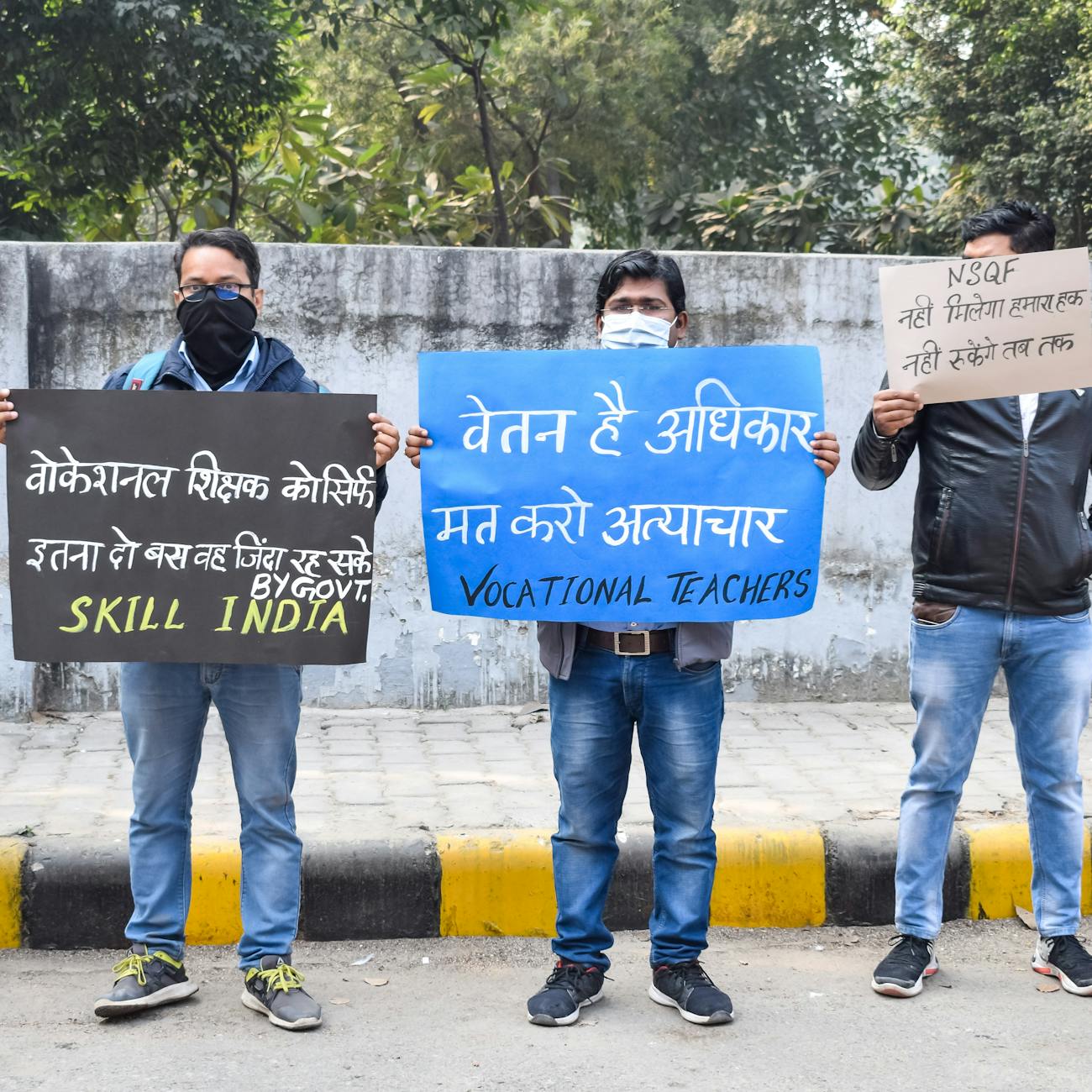
Vocational Assessment: Vocational assessment is a process used to evaluate an individual's capabilities, skills, interests, and aptitudes to determine their suitability for different types of work or employment opportunities. It involves assessing a person's vocational history, education, training, work experience, and other relevant factors to help them make informed decisions about their career path.
Vocational assessment is typically conducted by trained professionals such as vocational counselors, career coaches, or vocational rehabilitation specialists. It can be used to assist individuals with disabilities in identifying suitable job options, developing vocational goals, and creating a plan for achieving those goals.
Key Concepts in Vocational Assessment:
1. Assessment Tools: Assessment tools are instruments or techniques used to gather information about an individual's vocational strengths, weaknesses, preferences, and abilities. These tools can include standardized tests, interviews, job simulations, work samples, and self-assessment inventories.
2. Transferable Skills: Transferable skills are abilities that can be applied across different jobs or industries. These skills include communication, problem-solving, time management, and teamwork. Identifying transferable skills is essential in vocational assessment to help individuals explore a wider range of job opportunities.
3. Job Analysis: Job analysis involves examining the tasks, duties, and requirements of a specific job to determine the skills and qualifications needed to perform the job successfully. Job analysis helps match individuals with suitable job roles based on their abilities and interests.
4. Interest Inventories: Interest inventories are assessments that measure an individual's preferences for specific types of work activities or environments. These inventories help individuals explore career options that align with their interests and passions.
5. Work Values: Work values are personal beliefs and priorities that influence an individual's career decisions and job satisfaction. Examples of work values include autonomy, creativity, stability, and work-life balance. Understanding work values is crucial in vocational assessment to ensure a good fit between individuals and their chosen careers.
6. Job Placement: Job placement refers to the process of matching individuals with suitable job opportunities based on their vocational assessment results. Job placement services may include resume building, interview preparation, networking assistance, and ongoing support in the workplace.
7. Reasonable Accommodations: Reasonable accommodations are modifications or adjustments made to a job or work environment to enable individuals with disabilities to perform their job duties effectively. Vocational assessment helps identify the need for reasonable accommodations and ensures that individuals receive the support they require to succeed in the workplace.
Challenges in Vocational Assessment:
1. Subjectivity: Vocational assessment involves subjective judgments about an individual's abilities, interests, and potential for success in different job roles. This subjectivity can make it challenging to ensure objectivity and fairness in the assessment process.
2. Changing Job Market: The job market is constantly evolving, with new industries, technologies, and job roles emerging regularly. Keeping up with these changes and ensuring that vocational assessments reflect current job market trends can be a challenge for vocational professionals.
3. Cultural Sensitivity: Cultural factors such as language, values, beliefs, and norms can influence an individual's vocational choices and career aspirations. Vocational assessment must take into account cultural diversity and sensitivity to avoid bias or discrimination in the assessment process.
4. Legal and Ethical Considerations: Vocational assessment must adhere to legal and ethical guidelines to protect the rights and privacy of individuals undergoing assessment. Professionals conducting vocational assessments must be aware of relevant laws and regulations governing the assessment process.
5. Limited Resources: Limited resources, such as funding, staff, and access to assessment tools, can pose challenges in conducting comprehensive vocational assessments. Vocational professionals must find creative solutions to maximize resources and provide quality assessment services.
6. Communication: Effective communication is essential in vocational assessment to ensure that individuals understand the assessment process, results, and recommendations. Clear and concise communication can help individuals make informed decisions about their career path and goals.
Practical Applications of Vocational Assessment:
1. Career Counseling: Vocational assessment is used in career counseling to help individuals explore career options, set goals, and create a plan for achieving their vocational aspirations. Career counselors use assessment results to provide personalized guidance and support to their clients.
2. Vocational Rehabilitation: Vocational assessment plays a crucial role in vocational rehabilitation programs for individuals with disabilities. Assessment results help identify suitable job opportunities, develop job readiness skills, and provide ongoing support to help individuals succeed in the workplace.
3. Job Matching: Vocational assessment is used to match individuals with suitable job roles based on their skills, interests, and preferences. Job matching helps ensure a good fit between individuals and their chosen careers, leading to higher job satisfaction and performance.
4. Workplace Accommodations: Vocational assessment helps identify the need for workplace accommodations for individuals with disabilities. Assessment results inform the type of accommodations required to support individuals in performing their job duties effectively and independently.
5. Skills Development: Vocational assessment can identify areas for skills development and training to enhance an individual's employability and job prospects. Assessment results help individuals focus on acquiring the skills needed for their desired career path.
6. Job Retention: Vocational assessment is used to assess an individual's ability to maintain employment and succeed in the workplace. Assessment results can help identify potential barriers to job retention and develop strategies to overcome these challenges.
7. Return-to-Work Programs: Vocational assessment is essential in return-to-work programs for individuals recovering from injuries or illnesses. Assessment results help determine the individual's readiness to return to work, identify suitable job roles, and provide necessary support during the transition back to the workplace.
In conclusion, vocational assessment is a valuable tool in helping individuals explore career options, develop vocational goals, and achieve success in the workplace. By considering key concepts, challenges, and practical applications of vocational assessment, professionals can conduct comprehensive assessments that support individuals in making informed decisions about their career path and employment opportunities.
Key takeaways
- Vocational Assessment: Vocational assessment is a process used to evaluate an individual's capabilities, skills, interests, and aptitudes to determine their suitability for different types of work or employment opportunities.
- It can be used to assist individuals with disabilities in identifying suitable job options, developing vocational goals, and creating a plan for achieving those goals.
- Assessment Tools: Assessment tools are instruments or techniques used to gather information about an individual's vocational strengths, weaknesses, preferences, and abilities.
- Identifying transferable skills is essential in vocational assessment to help individuals explore a wider range of job opportunities.
- Job Analysis: Job analysis involves examining the tasks, duties, and requirements of a specific job to determine the skills and qualifications needed to perform the job successfully.
- Interest Inventories: Interest inventories are assessments that measure an individual's preferences for specific types of work activities or environments.
- Work Values: Work values are personal beliefs and priorities that influence an individual's career decisions and job satisfaction.