
Cultural Competence in Trauma Leadership
Cultural competence in trauma leadership is a crucial skill set for professionals working in the field of trauma care. It involves understanding, valuing, and respecting the diverse cultural backgrounds, beliefs, and practices of both patie…
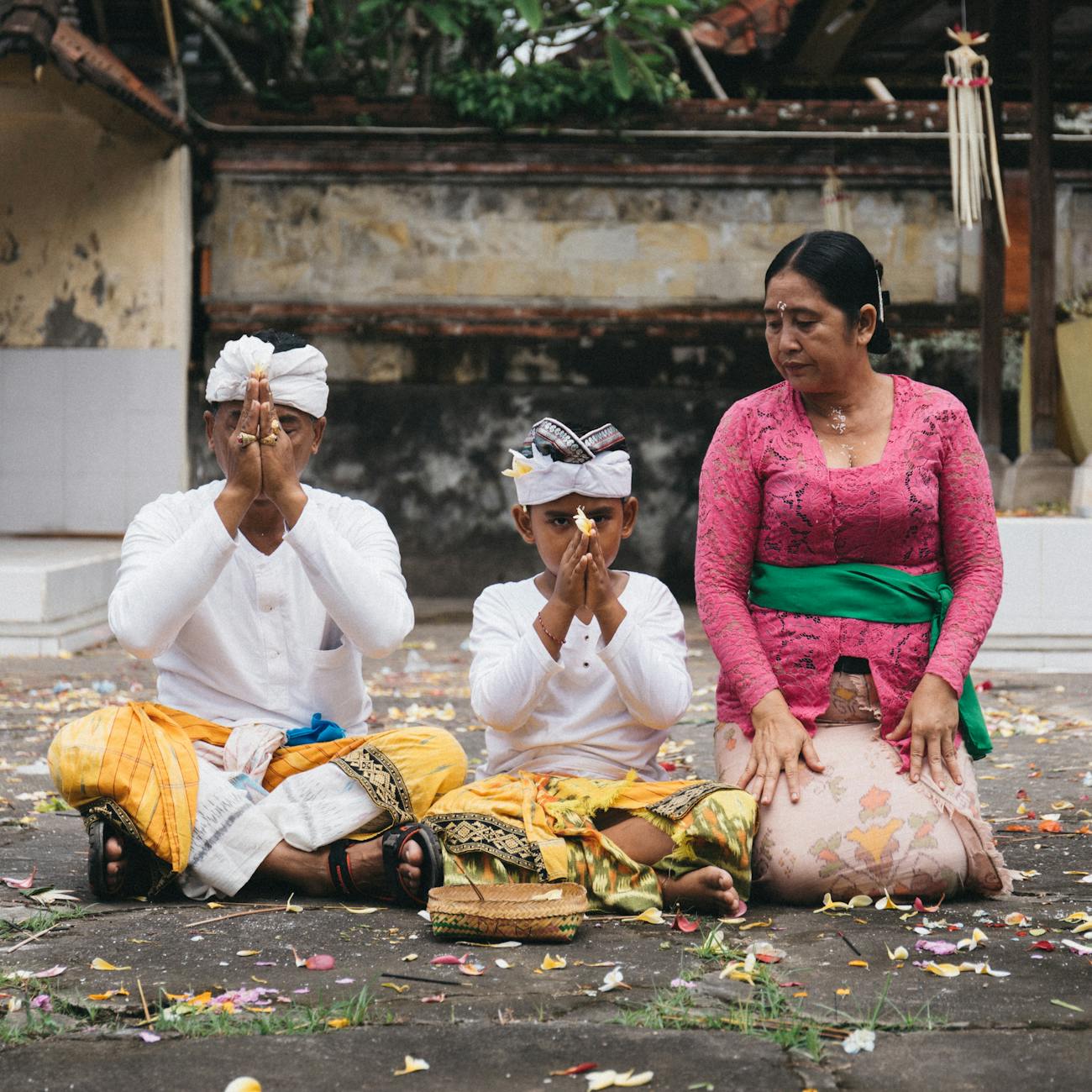
Cultural competence in trauma leadership is a crucial skill set for professionals working in the field of trauma care. It involves understanding, valuing, and respecting the diverse cultural backgrounds, beliefs, and practices of both patients and colleagues. By developing cultural competence, trauma leaders can provide more effective and holistic care, build stronger relationships with patients and staff, and ultimately improve outcomes for those affected by trauma.
Key Terms and Vocabulary:
1. **Cultural Competence**: Cultural competence refers to the ability to interact effectively with people from different cultures. It involves being aware of one's own cultural biases, understanding the cultural norms and practices of others, and adapting one's behavior and communication style to be respectful and inclusive.
2. **Trauma Leadership**: Trauma leadership involves guiding and directing a team of professionals in the field of trauma care. Trauma leaders are responsible for coordinating care, making critical decisions, and ensuring that all team members work together effectively to provide the best possible outcomes for patients.
3. **Diversity**: Diversity refers to the presence of a variety of different cultural, ethnic, and social backgrounds within a group or community. Embracing diversity is essential for cultural competence in trauma leadership, as it allows leaders to better understand and connect with individuals from all walks of life.
4. **Inclusion**: Inclusion is the practice of creating a welcoming and supportive environment for all individuals, regardless of their cultural background or identity. Inclusive leaders ensure that all team members feel valued, respected, and empowered to contribute their unique perspectives and experiences.
5. **Cultural Awareness**: Cultural awareness involves recognizing and acknowledging the cultural differences that exist between individuals. Trauma leaders must be culturally aware in order to avoid making assumptions or judgments based on their own cultural perspective and to be able to provide culturally sensitive care to all patients.
6. **Cultural Sensitivity**: Cultural sensitivity refers to the ability to understand and respond to the needs and preferences of individuals from diverse cultural backgrounds. Trauma leaders who are culturally sensitive are able to adapt their communication and care practices to ensure that all patients feel respected and understood.
7. **Implicit Bias**: Implicit bias refers to the unconscious attitudes or stereotypes that influence our perceptions and behaviors towards others. Trauma leaders must be aware of their own implicit biases in order to prevent them from negatively impacting their interactions with patients and colleagues from different cultural backgrounds.
8. **Intersectionality**: Intersectionality is the concept that individuals can experience multiple forms of discrimination or disadvantage based on their intersecting identities, such as race, gender, sexuality, or socioeconomic status. Trauma leaders must consider intersectionality when providing care to ensure that they address all aspects of a patient's experience.
9. **Cultural Humility**: Cultural humility is the practice of recognizing one's own limitations and committing to lifelong learning and self-reflection in order to better understand and serve individuals from diverse cultural backgrounds. Trauma leaders who practice cultural humility are able to continuously improve their cultural competence and provide more effective care.
10. **Cultural Intelligence**: Cultural intelligence is the ability to adapt and work effectively in diverse cultural settings. Trauma leaders with high cultural intelligence are able to navigate cross-cultural interactions with sensitivity and skill, leading to better communication, collaboration, and outcomes in trauma care.
Practical Applications:
1. **Training and Education**: Trauma leaders can enhance their cultural competence through training and education programs that focus on diversity, inclusion, cultural awareness, and sensitivity. By investing in ongoing learning and development, leaders can improve their ability to provide culturally competent care.
2. **Community Engagement**: Trauma leaders can build cultural competence by engaging with diverse communities and seeking to understand their unique needs and perspectives. By listening to community members, collaborating with local organizations, and participating in cultural events, leaders can gain valuable insights that inform their practice.
3. **Cross-Cultural Communication**: Trauma leaders can improve their cultural competence by developing strong cross-cultural communication skills. This includes being mindful of language barriers, nonverbal cues, and cultural differences in communication styles, and adapting their approach to ensure effective and respectful interactions with patients and colleagues.
4. **Collaborative Decision-Making**: Trauma leaders can promote cultural competence within their teams by fostering a collaborative decision-making process that values diverse perspectives and experiences. By encouraging open dialogue, active listening, and mutual respect, leaders can create a culture of inclusion and innovation that benefits both patients and staff.
Challenges:
1. **Unconscious Bias**: One of the key challenges to cultural competence in trauma leadership is overcoming unconscious bias. Leaders must actively work to identify and address their own biases in order to provide fair and equitable care to all patients, regardless of their cultural background.
2. **Language Barriers**: Language barriers can present a significant challenge to cultural competence in trauma care. Leaders must find creative solutions, such as utilizing interpreters or multilingual staff, to ensure effective communication with patients who speak languages other than English.
3. **Cultural Misunderstandings**: Cultural misunderstandings can arise when leaders are not aware of or sensitive to the cultural norms and practices of their patients. To avoid misunderstandings, leaders must take the time to learn about the cultural backgrounds of the individuals they serve and adapt their approach accordingly.
4. **Resistance to Change**: Some individuals may be resistant to the idea of cultural competence or may feel uncomfortable stepping outside of their cultural comfort zone. Trauma leaders must be prepared to address this resistance through education, open dialogue, and leading by example in order to promote a culture of diversity and inclusion.
In conclusion, cultural competence is a critical skill for trauma leaders seeking to provide high-quality, patient-centered care in today's diverse healthcare landscape. By developing cultural awareness, sensitivity, humility, and intelligence, trauma leaders can create inclusive and supportive environments that enhance outcomes for all patients, regardless of their cultural background. By addressing challenges such as unconscious bias, language barriers, cultural misunderstandings, and resistance to change, trauma leaders can build stronger relationships with patients and colleagues, promote diversity and inclusion, and ultimately improve the delivery of trauma care.
Key takeaways
- By developing cultural competence, trauma leaders can provide more effective and holistic care, build stronger relationships with patients and staff, and ultimately improve outcomes for those affected by trauma.
- It involves being aware of one's own cultural biases, understanding the cultural norms and practices of others, and adapting one's behavior and communication style to be respectful and inclusive.
- Trauma leaders are responsible for coordinating care, making critical decisions, and ensuring that all team members work together effectively to provide the best possible outcomes for patients.
- Embracing diversity is essential for cultural competence in trauma leadership, as it allows leaders to better understand and connect with individuals from all walks of life.
- **Inclusion**: Inclusion is the practice of creating a welcoming and supportive environment for all individuals, regardless of their cultural background or identity.
- Trauma leaders must be culturally aware in order to avoid making assumptions or judgments based on their own cultural perspective and to be able to provide culturally sensitive care to all patients.
- **Cultural Sensitivity**: Cultural sensitivity refers to the ability to understand and respond to the needs and preferences of individuals from diverse cultural backgrounds.