
Urban Warfare Medical Care
Combat Casualty Care refers to the systematic approach used by medical personnel to provide immediate life‑saving treatment to wounded personnel in the midst of hostilities. It encompasses the full continuum from the point of injury through…
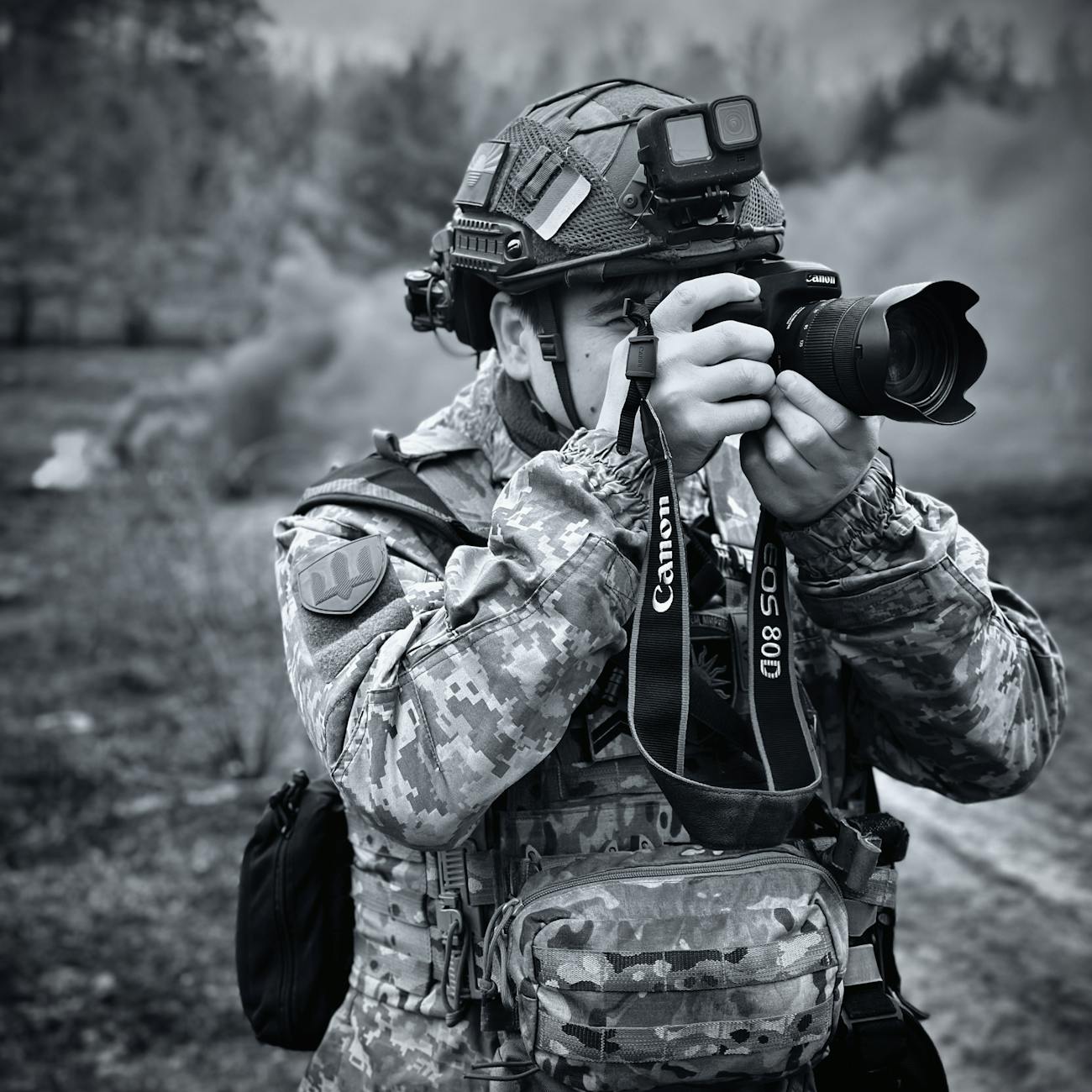
Combat Casualty Care refers to the systematic approach used by medical personnel to provide immediate life‑saving treatment to wounded personnel in the midst of hostilities. It encompasses the full continuum from the point of injury through evacuation to definitive care. In urban environments, the dense layout of streets, buildings, and underground structures creates unique challenges for delivering this care. For example, a soldier wounded in a narrow alley may be unable to move quickly, requiring the medics to adapt their positioning and equipment to the constrained space. The principle of “care within the combat zone” emphasizes that the first minutes of treatment are critical, and that every effort must be made to stabilize the casualty before transport.
Triage is the process of rapidly assessing casualties to prioritize treatment based on the severity of injuries and the likelihood of survival. In urban warfare, triage is often performed under fire, in chaotic settings, and with limited resources. The three primary categories are: immediate (life‑threatening injuries requiring urgent intervention), delayed (serious but not immediately fatal), and minimal (minor injuries). A practical example is a mass casualty incident caused by an improvised explosive device (IED) in a market square. Medics must quickly separate those with uncontrolled hemorrhage (immediate) from those with broken limbs (delayed) and those with superficial cuts (minimal). The challenge lies in maintaining an accurate assessment while under stress, with possible interference from ongoing combat and civilian presence.
Medical Evacuation (MEDEVAC) denotes the organized movement of injured personnel from the point of injury to higher levels of care. In cities, the transport routes may be obstructed by rubble, barricades, or hostile forces, necessitating flexible evacuation plans. Air‑based MEDEVAC, such as a helicopter landing on a rooftop helipad, can bypass ground obstacles but may be vulnerable to enemy anti‑aircraft fire. Ground‑based evacuation using armored ambulances or improvised stretchers can be more covert but slower. An example of a successful MEDEVAC is the extraction of a wounded combatant from a multi‑story building using a rope rigged to a fire escape, allowing a stretcher to be lowered safely to a waiting vehicle. The logistical challenge is coordinating the timing of evacuation with the security situation, ensuring that the casualty is not exposed to further danger during transfer.
Forward Aid Station (FAS) is a temporary medical facility positioned close to the front lines, designed to provide rapid assessment, emergency treatment, and preparation for evacuation. In an urban setting, a FAS might be established in a converted warehouse, a basement of a municipal building, or a fortified container. The station is equipped with essential supplies such as tourniquets, hemostatic agents, airway management tools, and basic surgical kits. For instance, a FAS set up in the basement of a school can serve both military personnel and civilians, offering a protected environment for initial treatment. The primary challenge for an FAS is maintaining operational security while providing enough space and resources to handle multiple casualties, especially when the front line is fluid and can shift rapidly through streets and alleys.
Combat Lifesaver (CLS) is a soldier who has received advanced medical training beyond basic first aid, enabling them to perform life‑saving interventions when a medic is not immediately available. In dense urban combat, CLSs are critical because they may be the only medical presence within a building or vehicle. Their skill set includes controlling severe bleeding, managing airway obstruction, and initiating intravenous fluid therapy. A practical scenario involves a CLS inside a convoy that is ambushed; the CLS must quickly apply a tourniquet, perform needle decompression for a suspected tension pneumothorax, and coordinate with the unit’s command for rapid extraction. The difficulty for CLSs lies in operating under fire, limited visibility, and the need to make rapid decisions with limited equipment.
Hemostatic Agents are substances applied to bleeding wounds to accelerate clot formation and reduce blood loss. Common agents include combat gauze impregnated with kaolin or chitosan. In urban warfare, the confined environments often result in injuries with irregular wound patterns, such as shrapnel fragments embedded in clothing or debris. Applying a hemostatic dressing directly to a deep laceration in a cramped hallway may be hindered by limited access, requiring the medic to use a finger‑trap technique to compress the wound while simultaneously packing the gauze. The challenge is ensuring adequate pressure without causing additional tissue damage, especially when the casualty cannot be repositioned easily.
Airway Management encompasses techniques to maintain a patent airway, a critical component of the “ABCs” (Airway, Breathing, Circulation). In a city, smoke from fires, dust from collapsed structures, and debris can obstruct the airway. Devices such as nasopharyngeal airways, orotracheal tubes, and supraglottic airway devices are employed based on the casualty’s level of consciousness and available equipment. For example, a soldier with facial trauma from a blast may have a compromised airway due to swelling and blood; a medics may insert a nasopharyngeal airway while simultaneously applying a cervical collar to protect the spine. The difficulty arises from limited lighting, the need to work in confined spaces, and the risk of further injury to the airway structures.
Battlefield Analgesia refers to the administration of pain‑relieving medication in combat conditions. Effective analgesia improves casualty morale and reduces physiological stress, but must be balanced against the risk of respiratory depression or masking vital signs. Options include oral analgesics, intramuscular morphine, or newer agents such as fentanyl lozenges. In an urban firefight, a casualty with multiple fractures may receive an intramuscular dose of morphine while a medic monitors respiratory rate through a portable pulse oximeter. The challenge lies in the limited monitoring equipment, the need for rapid dosing, and ensuring that the medication does not interfere with later surgical interventions.
Combat‑Ready Medical Kit (CRMK) is a standardized set of medical supplies carried by individual soldiers or small teams. The kit typically contains tourniquets, hemostatic dressings, airway adjuncts, emergency medications, and a compact trauma bag. In a city, the CRMK may be adapted to include additional items such as a compact flashlight, a portable battery‑powered suction device, and a small field‑size ultrasound probe for rapid assessment of internal bleeding. A practical illustration is a squad moving through a high‑rise building; each member carries a CRMK that can be quickly accessed from a belt pouch, allowing immediate response to a casualty who falls from a balcony. The difficulty is maintaining the kit’s readiness—ensuring that all items are within expiration dates and that soldiers are proficient in their use under stress.
Medical Counter‑Munitions (MCM) are specialized medical protocols and equipment designed to address injuries caused by unconventional weapons, such as chemical, biological, radiological, and nuclear (CBRN) agents. Urban warfare may involve the use of toxic gases or contaminated debris. Medics must be trained in decontamination procedures, the use of protective gear, and the administration of antidotes. For instance, when a chemical agent is dispersed in a subway tunnel, medics don MCM‑rated masks, establish a decontamination corridor, and provide atropine to affected individuals. The challenge is the rapid identification of the agent, the need for immediate protective measures, and the coordination of evacuation to facilities equipped for CBRN care.
Combat‑Ready Blood Products denote the availability of blood components such as packed red blood cells, plasma, and whole blood for transfusion in the field. In urban operations, the logistics of storing and transporting blood are complicated by temperature control requirements and the need for rapid accessibility. Some units employ a “walking blood bank” concept, where screened personnel donate fresh whole blood that can be used within hours. An example is a forward aid post that maintains a small refrigerator powered by a portable generator, allowing the storage of O‑negative blood for up to 48 hours. The difficulty includes ensuring proper cross‑matching, preventing wastage, and managing the risk of infection in austere environments.
Damage Control Resuscitation (DCR) is a set of strategies aimed at preventing the lethal triad of hypothermia, acidosis, and coagulopathy in severely injured patients. In the urban battlefield, DCR emphasizes permissive hypotension, early use of balanced blood product ratios, and rapid control of bleeding. A scenario might involve a casualty with massive abdominal hemorrhage from a bomb blast; the medics apply a pelvic binder, administer a 1:1:1 Ratio of plasma, platelets, and red cells, and keep the patient’s systolic blood pressure at approximately 80‑90 mm Hg until surgical control is achieved. The challenge is that the necessary blood products and monitoring equipment may be scarce, and the chaotic environment can impede the careful execution of DCR protocols.
Portable Diagnostic Ultrasound (often referred to as “FAST” – Focused Assessment with Sonography for Trauma) allows rapid detection of internal bleeding, pericardial effusion, and pneumothorax. In an urban setting, the device’s compact size and battery operation make it suitable for use in cramped rooms or vehicles. A medic may perform a FAST exam on a casualty lying on a floor of a partially collapsed building, identifying free fluid in the abdomen that mandates urgent evacuation. The limitations include the need for trained operators, the potential for interference from metallic debris, and the difficulty of maintaining a sterile field in a non‑clinical environment.
Medical Documentation is the systematic recording of casualty information, treatments administered, and subsequent outcomes. Accurate documentation is vital for continuity of care, legal accountability, and post‑mission analysis. In the field, a simple electronic tablet or a paper “medic card” may be used. For example, after treating a civilian with a gunshot wound, the medic notes the time of injury, vital signs, interventions (tourniquet applied, analgesia given), and the evacuation route. The challenge is that the chaotic nature of combat may limit the time available for thorough documentation, and the risk of loss or damage to records is heightened in an urban environment where equipment can be easily misplaced.
Medical Logistics encompasses the planning, acquisition, transportation, and distribution of medical supplies, equipment, and personnel. Urban warfare demands a dynamic logistics chain that can adapt to rapidly changing front lines, road blockages, and the presence of civilian infrastructure. A logistics officer may coordinate the delivery of a new batch of hemostatic dressings via a convoy that must navigate narrow streets while avoiding ambushes. The problem of “last‑mile” delivery becomes acute when the forward aid station is located in a building that is under siege, requiring innovative solutions such as drone drops or the use of civilian volunteers to transport supplies. Maintaining a balance between supply availability and security is a constant tension.
Medical Evacuation Routes (MER) are pre‑planned pathways used to move casualties from the point of injury to higher levels of care. In an urban theater, MERs must consider road conditions, potential enemy fire, and civilian traffic. Routes may include designated alleyways, underground tunnels, or even riverine vessels if the city is situated on a waterway. For instance, a MER might involve moving a casualty from a rooftop landing zone down a fire‑escape stairwell, onto a ground vehicle, and then onto a medical helicopter waiting at a cleared street intersection. The difficulty lies in updating the MERs in real time as the tactical situation evolves, ensuring that medics and evacuees are not exposed to new threats.
Psychological First Aid (PFA) addresses the immediate emotional and mental health needs of casualties and civilians affected by combat. Urban warfare often produces high levels of stress, fear, and trauma due to close‑quarter fighting, civilian casualties, and the destruction of familiar environments. PFA techniques include active listening, providing reassurance, and linking individuals to longer‑term mental health resources. A medic may encounter a civilian who witnessed a building collapse; the medic offers calm presence, validates the person’s feelings, and supplies information on where to obtain further counseling. The challenge is that medics themselves may be fatigued or traumatized, and the resources for follow‑up care may be limited in the combat zone.
Combat‑Related Burn Management involves the treatment of thermal, chemical, or electrical burns sustained during urban conflict. Fires in residential blocks, explosions, and the use of incendiary weapons can create complex burn injuries. Initial management includes cooling the burn with clean water, applying sterile dressings, and monitoring for inhalation injury. For example, a soldier with a second‑degree burn from a Molotov cocktail may receive immediate cooling, followed by the application of a silver sulfadiazine‑impregnated dressing. The constraints in an urban setting include limited access to large volumes of clean water, the need to protect the casualty from further structural collapse, and the difficulty of maintaining a sterile environment amidst debris.
Tourniquet Application is a cornerstone of hemorrhage control. Modern tourniquets are designed for rapid placement and reliable occlusion of arterial flow. In dense city streets, a medic may need to apply a tourniquet while standing on uneven pavement or while the casualty is leaning against a wall. Proper placement is typically 5–7 cm proximal to the wound, with a windlass tightened until the bleeding stops. The medic must then note the time of application to avoid prolonged ischemia. Challenges include the risk of applying the tourniquet over a contaminated surface, the potential for inadvertent nerve injury, and the necessity of re‑evaluation during evacuation.
Chest Decompression is performed to treat tension pneumothorax, a life‑threatening condition where air accumulates in the pleural space, collapsing the lung. In urban combat, blast injuries and penetrating chest wounds are common causes. The procedure involves inserting a needle or small catheter into the second intercostal space at the mid‑clavicular line, followed by the release of trapped air. A medic operating in a dimly lit hallway may use a pre‑marked chest decompression kit to locate the entry point quickly. The difficulty lies in maintaining sterility, avoiding damage to underlying structures, and confirming successful decompression when visual cues are limited.
Field‑Hospital Integration describes the coordination between forward medical elements and more permanent or larger medical facilities located deeper within the rear area. Urban operations often create a “layered” medical system where casualties are first stabilized at a forward aid station, then transferred to a field hospital set up in a repurposed convention center or sports arena. The integration requires standardized communication protocols, compatible medical equipment, and shared patient tracking systems. For instance, a casualty who receives initial hemorrhage control at a forward aid station is later handed off to a surgical team at a field hospital equipped with a portable operating theater. The primary challenge is ensuring seamless handoffs despite the unpredictable nature of urban combat, where supply lines may be intermittently disrupted.
Medical Training Simulations are realistic exercises designed to prepare medics for the unique demands of urban warfare. These simulations may include mock buildings, simulated IEDs, and role‑players acting as civilians. They allow trainees to practice triage, evacuation, and advanced interventions in environments that mimic the constraints of real operations. A typical scenario might involve a simulated house fire with multiple casualties, requiring the medics to navigate smoke, assess injuries, and coordinate evacuation via a narrow stairwell. The benefit of such simulations is the development of muscle memory and decision‑making under pressure. However, logistical constraints such as access to suitable training facilities and the need for qualified instructors can limit the frequency and realism of these exercises.
Medical Ethics in Urban Conflict addresses the moral considerations that arise when providing care in a densely populated environment where combatants and civilians are intermingled. Principles such as non‑discrimination, confidentiality, and the duty to treat the wounded apply, but practical implementation can be complex. For example, a medic may encounter an enemy combatant who is severely injured; the medic must decide whether to treat the individual while also protecting their own unit. The law of armed conflict obliges medical personnel to render care without adverse distinction, yet the immediate tactical situation may impose constraints. The challenge is balancing humanitarian obligations with operational security and mission objectives.
Medical Communication Systems enable the rapid exchange of casualty information, resource requests, and status updates among medics, commanders, and evacuation assets. In an urban theater, radio frequencies may be congested, and line‑of‑sight communication can be obstructed by tall structures. Secure digital platforms, satellite links, and mesh networks are employed to overcome these obstacles. A medic may use a handheld device to send a digital casualty report, including vital signs and treatment administered, to a command center that coordinates MEDEVAC assets. The difficulty lies in ensuring reliability of the communication hardware, preventing electronic interference, and training all personnel to use the system efficiently.
Medical Threat Assessment is the systematic evaluation of potential hazards that could impact medical operations. In cities, threats include IEDs, sniper fire, chemical agents, and the presence of hostile civilians. Conducting a threat assessment involves gathering intelligence, mapping high‑risk zones, and establishing safe corridors for medical movement. For example, before establishing a forward aid station in a downtown district, the medical planner reviews recent enemy activity, identifies possible ambush points, and selects a location with natural cover and multiple egress routes. The primary difficulty is the fluid nature of urban conflict, where threat levels can shift rapidly, requiring continuous reassessment.
Medical Personnel Rotation refers to the scheduled movement of medics and doctors in and out of forward positions to prevent fatigue, burnout, and loss of proficiency. Urban warfare often imposes high mental and physical strain due to the close proximity of combat, the need for rapid decision‑making, and exposure to civilian suffering. A rotation schedule might involve a medic spending 48 hours at a forward aid station, followed by a 72‑hour rest period at a rear base where they can recover and receive additional training. The challenge is maintaining sufficient medical coverage while accounting for the logistical constraints of moving personnel through contested urban terrain.
Medical Safety Protocols are procedures designed to protect both patients and providers from additional harm. In a city, safety protocols encompass the use of personal protective equipment (PPE), decontamination procedures, and situational awareness. Medics must wear ballistic helmets, body armor, and eye protection while still being able to perform delicate procedures. For instance, a medic applying a chest tube in a building under possible hostile fire must maintain a secure posture, keep the weapon ready, and continuously monitor for changes in the tactical situation. The difficulty lies in balancing the need for protection with the dexterity required for medical interventions.
Bloodborne Pathogen Precautions are essential to prevent the transmission of diseases such as hepatitis and HIV during wound care. In urban environments, limited sterilization facilities may increase the risk of contamination. Medics use disposable gloves, sterile dressings, and proper sharps disposal whenever possible. An example is the use of a portable autoclave to sterilize reusable instruments in a field hospital set up inside a school gymnasium. The challenge is ensuring that all personnel follow the protocols consistently, especially when under stress, and that adequate supplies of disposable items are maintained despite supply chain disruptions.
Medical Documentation Standards such as the NATO STANAG 1472 provide a common framework for recording casualty information across allied forces. Adhering to these standards facilitates interoperability, data sharing, and joint medical operations. In an urban coalition operation, medics from different nations may treat the same casualty; using a standardized casualty card ensures that each provider records the same data fields, such as injury mechanism, treatment rendered, and evacuation timeline. The difficulty is training all personnel on the specific format and ensuring that translation or language barriers do not impede accurate documentation.
Medical Training Accreditation ensures that the knowledge and skills taught in courses like the Professional Certificate in Urban Warfare Operations meet recognized competency levels. Accreditation bodies may require demonstration of proficiency in trauma care, triage, and evacuation planning. For example, a candidate must successfully complete a practical exam involving the application of a tourniquet, performance of a FAST exam, and coordination of a simulated MEDEVAC in a mock urban environment. The challenge is maintaining rigorous assessment standards while adapting the curriculum to emerging threats and technological advancements.
Medical Command and Control (MedC2) is the hierarchical structure that directs medical resources, personnel, and operations. In a city, MedC2 must integrate with both the overall combat command and the civilian emergency services to synchronize efforts. The medical commander may issue orders for the establishment of new aid stations, allocate blood supplies, and coordinate with local hospitals for civilian casualty care. An example is a joint operation where military medics work alongside municipal fire departments to treat victims of a terrorist attack. The primary challenge is achieving unity of effort while respecting the distinct chains of command and legal frameworks governing each entity.
Medical Casualty Evacuation (CASEVAC) differs from MEDEVAC in that it utilizes non‑medical vehicles or platforms to transport casualties, often when dedicated medical assets are unavailable. In an urban context, CASEVAC may involve using a civilian taxi, a commercial delivery van, or even a civilian volunteer to move a wounded individual to a safer location. For instance, after a building collapse, a medic may request a nearby food‑delivery driver to transport a casualty to a designated triage point. The challenge is ensuring that the vehicle is suitable for the patient’s condition, that the driver receives basic instructions on patient handling, and that the route remains safe from ongoing threats.
Medical Counter‑Improvised Explosive Device (C‑IED) Measures focus on protecting medical personnel and facilities from the effects of IEDs. This includes the use of blast‑resistant shelters, the placement of medical stations away from likely target zones, and the employment of electronic jamming equipment. A forward aid station may be constructed within a reinforced concrete basement, with its entrance concealed to reduce visibility to enemy observers. The difficulty lies in balancing the need for rapid access to casualties with the imperative to minimize exposure to explosive threats.
Medical Logistics Resupply Cycles define the frequency and method by which medical supplies are replenished. In a city, resupply may be conducted via convoys that navigate narrow streets, via aerial drops onto rooftops, or through underground tunnels. A resupply operation might involve a convoy delivering a pallet of trauma kits to a forward aid station located on the third floor of a municipal building, using a stairwell lift to move the supplies. The challenge is timing the resupply to avoid peak combat periods, coordinating with security forces to ensure convoy safety, and managing the storage constraints of limited space.
Medical Training for Civilians is increasingly recognized as essential in urban warfare, where the line between combatant and non‑combatant can blur. Providing basic first‑aid instruction to local populations can improve overall casualty outcomes and foster goodwill. Training sessions may cover the use of tourniquets, wound packing, and how to signal for medical assistance. An example is a medical team conducting a brief workshop in a community center, teaching residents to apply a hemostatic dressing to a bleeding wound. The difficulty is delivering the training in a short timeframe, ensuring cultural sensitivity, and dealing with language barriers.
Medical Equipment Maintenance ensures that all devices, from portable ventilators to diagnostic ultrasound units, remain functional. In the harsh environment of a city under fire, equipment can be exposed to dust, moisture, and physical shock. Regular checks, cleaning, and calibration are required. For instance, a medic may perform a daily inspection of a battery‑powered suction device, verifying that the filter is clear and that the battery holds a charge. The challenge is allocating time for maintenance while maintaining operational readiness, and ensuring that spare parts are available when needed.
Medical Evacuation (MEDEVAC) Night Operations involve moving casualties under reduced visibility, which is common in urban settings where combat may continue through the night. Night‑vision equipment, infrared markers, and illuminated evacuation routes are employed to enhance safety. A medevac helicopter may land on a rooftop marked with infrared beacons, allowing a stretcher team to load the casualty quickly. The difficulty lies in navigating obstacles that are not visible to the naked eye, maintaining communication with ground forces, and preventing the evacuation assets from becoming targets in the darkness.
Medical Threat Intelligence gathers information on emerging medical risks, such as the use of new chemical agents or changes in enemy tactics that affect casualty patterns. This intelligence informs training, equipment procurement, and operational planning. For example, intelligence indicating that an adversary is employing chlorine gas in confined spaces prompts medics to stock additional respirators and decontamination kits. The challenge is that threat intelligence may be fragmented, requiring analysts to synthesize data from multiple sources and disseminate actionable guidance rapidly.
Medical Personnel Mental Health Support addresses the psychological well‑being of medics who are exposed to high‑stress situations. Programs may include peer support groups, counseling services, and resilience training. In an urban campaign, medics may experience cumulative stress from treating both combatants and civilians, witnessing extensive destruction, and operating in close proximity to enemy fire. A medics’ support unit might conduct regular check‑ins, provide confidential hotlines, and organize debriefing sessions after major incidents. The difficulty is ensuring that mental health resources are accessible, culturally appropriate, and not stigmatized within the military hierarchy.
Medical Training for Urban Navigation equips medics with the skills to move efficiently through city terrain while carrying equipment and casualties. This includes knowledge of building layouts, stairwell locations, and potential choke points. Training may involve map reading, use of GPS devices, and rehearsals of movement routes under simulated fire. For instance, a medic learns to identify the nearest fire‑escape exit in a high‑rise office building to facilitate rapid evacuation of a casualty. The challenge is that urban environments can be highly variable, with structures differing widely in design, and the presence of enemy forces can alter known routes.
Medical Triage Tags are color‑coded identifiers used to label casualties according to the urgency of their medical needs. Standard tags include red for immediate, yellow for delayed, green for minimal, and black for expectant or deceased. In a chaotic urban scene, the use of triage tags helps organize the flow of patients toward appropriate treatment stations. A medic may attach a red tag to a soldier with a penetrating abdominal wound, indicating that the casualty requires rapid surgical intervention. The difficulty is ensuring that tags remain visible and legible amid dust, smoke, and low lighting conditions.
Medical Contingency Planning involves preparing for worst‑case scenarios, such as a mass casualty incident, a chemical attack, or the loss of a forward aid station. Contingency plans outline alternative evacuation routes, backup medical sites, and surge capacities. In a city, planners may designate multiple “safe houses” that can be quickly converted into ad‑hoc medical facilities if the primary site becomes compromised. An example is a plan that calls for the rapid conversion of a parking garage into a triage area, complete with portable lighting and power generators. The challenge is maintaining the readiness of these contingency sites, ensuring they are stocked, and rehearsing the activation procedures.
Medical Documentation for Civilian Casualties must comply with both military regulations and local legal requirements. Accurate records are essential for subsequent legal processes, compensation claims, and public health monitoring. When a medic treats a civilian victim of a blast, they record the patient’s identity, injury description, treatment provided, and the outcome. This documentation may later be used in investigations or for humanitarian reporting. The difficulty lies in navigating differing privacy laws, language barriers, and the potential for incomplete information in the chaotic aftermath of an incident.
Medical Logistics for Blood Products includes the procurement, storage, and distribution of blood components in a theater of operations. Urban settings may allow the use of existing civilian blood banks, but security concerns and the need for rapid turnover dictate strict protocols. A forward medical unit may arrange a partnership with a local hospital to receive O‑negative whole blood, transported in insulated containers with temperature monitors. The challenge is ensuring the integrity of the blood supply amidst fluctuating temperatures, possible power outages, and the need to protect the supplies from enemy exploitation.
Medical Training Simulators such as high‑fidelity manikins and virtual reality platforms provide realistic practice environments. In urban warfare, simulators can replicate the noise, confined spaces, and limited lighting that medics will encounter. A virtual reality module might place the trainee inside a burning building, requiring them to locate a casualty, control bleeding, and prepare for evacuation while navigating smoke and structural instability. The benefit is enhanced skill retention; however, the challenge is the cost of acquiring and maintaining such advanced equipment, as well as ensuring that the scenarios accurately reflect the unpredictable nature of real combat.
Medical Communication Encryption secures the transmission of sensitive casualty data, mission orders, and logistical requests. In a city where communications may be intercepted, encryption prevents adversaries from gaining intelligence about medical operations. Medics use encrypted radios, secure messaging apps, and cryptographic keys to protect their communications. For example, a medics’ team sends an encrypted text to request a MEDEVAC, including the patient’s condition and location coordinates. The difficulty is balancing the need for rapid communication with the time required to encrypt and decrypt messages, especially when operating under fire.
Medical Evacuation (MEDEVAC) Coordination Centers serve as hubs where casualty information, resource availability, and evacuation assets are synchronized. In an urban environment, these centers may be located in mobile command vehicles equipped with satellite links and real‑time mapping software. The coordinator receives updates from forward medics, prioritizes cases based on triage tags, and dispatches the appropriate aircraft or vehicle. An example is a coordination center that utilizes a digital dashboard displaying the location of all forward aid stations, the status of available helicopters, and the estimated time of arrival for each request. The challenge is maintaining situational awareness when the battlefield is fluid and communication lines are intermittently disrupted.
Medical Supply Chain Resilience refers to the ability of the logistics system to adapt to disruptions, such as road closures, enemy interdiction, or supply shortages. Urban warfare often creates unpredictable bottlenecks, requiring flexible solutions like the use of unmanned aerial vehicles (UAVs) to deliver critical items to otherwise inaccessible locations. A UAV may drop a pallet of hemostatic dressings onto a rooftop helipad, where a medics’ team retrieves the supplies. The difficulty lies in ensuring that the UAV can operate safely in a contested airspace, that the dropped payload remains intact, and that the receiving team can quickly access the supplies.
Medical Evacuation (MEDEVAC) Safety Protocols include procedures for aircraft deconfliction, threat assessment, and crew protection. In a city, helicopters may be required to fly low to avoid radar detection, increasing the risk of collision with obstacles such as power lines or high‑rise structures. Pilots and medics follow pre‑flight briefings that outline known hazards, enemy anti‑aircraft positions, and preferred landing zones. For instance, a MEDEVAC crew may be instructed to land on a specially prepared rooftop with a clear zone marked by orange panels, reducing the chance of inadvertent fire. The challenge is maintaining flexibility while adhering to safety guidelines, especially when the tactical situation changes rapidly.
Medical Personnel Decontamination Procedures are essential when dealing with chemical, biological, radiological, or nuclear (CBRN) contaminants. Medics must have access to decontamination stations equipped with showers, neutralizing agents, and protective gear. In an urban scenario, a decontamination area may be set up in a large parking lot, with barriers to separate contaminated and clean zones. A casualty emerging from a building suspected of chemical exposure is guided through a decontamination tunnel before receiving medical care. The difficulty is ensuring that the decontamination process does not delay life‑saving treatment, and that the equipment remains functional despite the harsh environmental conditions.
Medical Documentation for Battlefield Injuries must capture detailed information about the mechanism of injury, the time elapsed, and the interventions performed. This data supports medical research, after‑action reviews, and legal accountability. For example, a medic records that a soldier sustained a penetrating head wound from a 7.62 Mm round, applied a hemostatic dressing, and initiated rapid transport to a field hospital. The documentation may later be used in a review to assess the effectiveness of protective helmets. The challenge is ensuring that medics have the time and tools to record this information accurately while under fire.
Medical Training for High‑Risk Environments focuses on preparing medics for operations in areas with elevated danger, such as active shooter zones, terrorist‑occupied buildings, or areas with ongoing shelling. Training includes tactical movement, threat recognition, and the ability to provide care while maintaining personal security. A realistic drill might involve medics entering a simulated hostage situation, providing immediate care to a wounded hostage while coordinating with a tactical team to neutralize the threat. The difficulty is balancing the urgency of medical care with the necessity of maintaining tactical superiority and personal safety.
Medical Evacuation (MEDEVAC) Documentation includes flight logs, patient care reports, and handover forms that ensure continuity of care. Each MEDEVAC flight generates a record of the patient’s vital signs, treatments administered en route, and any changes in condition. Upon arrival at the receiving facility, the medical crew provides a verbal handover and transfers the written documentation. In an urban environment, the rapid turnover of patients may require streamlined documentation processes, such as the use of electronic forms that auto‑populate fields from the medics’ handheld devices. The challenge is ensuring data integrity and confidentiality while operating in a high‑tempo setting.
Medical Logistics for Personal Protective Equipment (PPE) ensures that medics have access to helmets, ballistic vests, eye protection, and respiratory masks. In the urban battlefield, the risk of blast, fragments, and chemical exposure makes PPE essential. Logistics officers must track inventory levels, forecast consumption rates, and arrange resupply. For example, a forward aid station may maintain a stock of Level III ballistic helmets and N95 respirators, replenished weekly via a secure convoy. The difficulty lies in managing the competing demands for PPE between combat units and medical personnel, especially when supply lines are strained.
Medical Evacuation (MEDEVAC) Night Vision Integration enhances the ability to conduct evacuations after dark. Night‑vision goggles (NVGs) allow pilots and medics to identify landing zones, assess casualty condition, and navigate obstacles. In a city, illuminated windows, streetlights, and reflective surfaces can create glare that interferes with NVG performance, requiring careful selection of landing sites. A medics’ team may use NVGs to locate a rooftop marked with infrared strobes, ensuring a safe touchdown for the helicopter. The challenge is maintaining equipment functionality in harsh conditions, such as extreme temperatures or exposure to moisture.
Medical Counter‑Improvised Explosive Device (C‑IED) Training equips medics with knowledge of how IEDs are constructed, how to recognize signs of their presence, and how to respond when an IED detonates near a casualty. Training includes the use of blast‑protective shields, the identification of secondary devices, and the implementation of rapid evacuation procedures. For instance, after an IED blast in a market, medics must quickly assess for secondary threats, apply tourniquets to those with severe bleeding, and coordinate a safe extraction route. The difficulty is the unpredictable nature of IED placement and the need for constant vigilance while delivering care.
Medical Evacuation (MEDEVAC) Coordination with Civilian EMS is increasingly important in urban areas where civilian emergency services may already be responding to incidents. Joint coordination ensures that resources are not duplicated and that casualties receive the most appropriate level of care. A medics’ liaison officer may establish a communication link with the city’s 911 dispatch center, sharing real‑time information about casualty locations and evacuation needs. The benefit is a more efficient use of assets; the challenge is aligning military and civilian protocols, which may differ in terms of triage priorities, documentation standards, and chain of command.
Medical Training for Cultural Competence prepares medics to interact respectfully and effectively with diverse civilian populations. Understanding local customs, language, and social norms can improve patient cooperation and reduce misunderstandings. Training may include basic phrases in the local language, awareness of religious practices that affect medical care (such as modesty requirements), and knowledge of local health beliefs. For example, a medic treating a civilian who refuses blood transfusion for religious reasons must balance respect for the patient’s beliefs with the need to provide life‑saving care. The challenge is delivering culturally sensitive care while operating under the pressures of combat.
Medical Evacuation (MEDEVAC) Load Planning involves determining the number of patients that can be safely transported on a given aircraft, taking into account weight limits, equipment, and medical support staff. In an urban theater, the distance to the nearest definitive care facility may be short, allowing for multiple rapid sorties.
Key takeaways
- The principle of “care within the combat zone” emphasizes that the first minutes of treatment are critical, and that every effort must be made to stabilize the casualty before transport.
- The three primary categories are: immediate (life‑threatening injuries requiring urgent intervention), delayed (serious but not immediately fatal), and minimal (minor injuries).
- An example of a successful MEDEVAC is the extraction of a wounded combatant from a multi‑story building using a rope rigged to a fire escape, allowing a stretcher to be lowered safely to a waiting vehicle.
- The primary challenge for an FAS is maintaining operational security while providing enough space and resources to handle multiple casualties, especially when the front line is fluid and can shift rapidly through streets and alleys.
- A practical scenario involves a CLS inside a convoy that is ambushed; the CLS must quickly apply a tourniquet, perform needle decompression for a suspected tension pneumothorax, and coordinate with the unit’s command for rapid extraction.
- Applying a hemostatic dressing directly to a deep laceration in a cramped hallway may be hindered by limited access, requiring the medic to use a finger‑trap technique to compress the wound while simultaneously packing the gauze.
- For example, a soldier with facial trauma from a blast may have a compromised airway due to swelling and blood; a medics may insert a nasopharyngeal airway while simultaneously applying a cervical collar to protect the spine.