
Chocolate Business Management
Artisan Chocolate Making is a professional certificate course that requires a solid understanding of key terms and vocabulary related to chocolate business management. Here are some of the most important terms and concepts you'll need to kn…
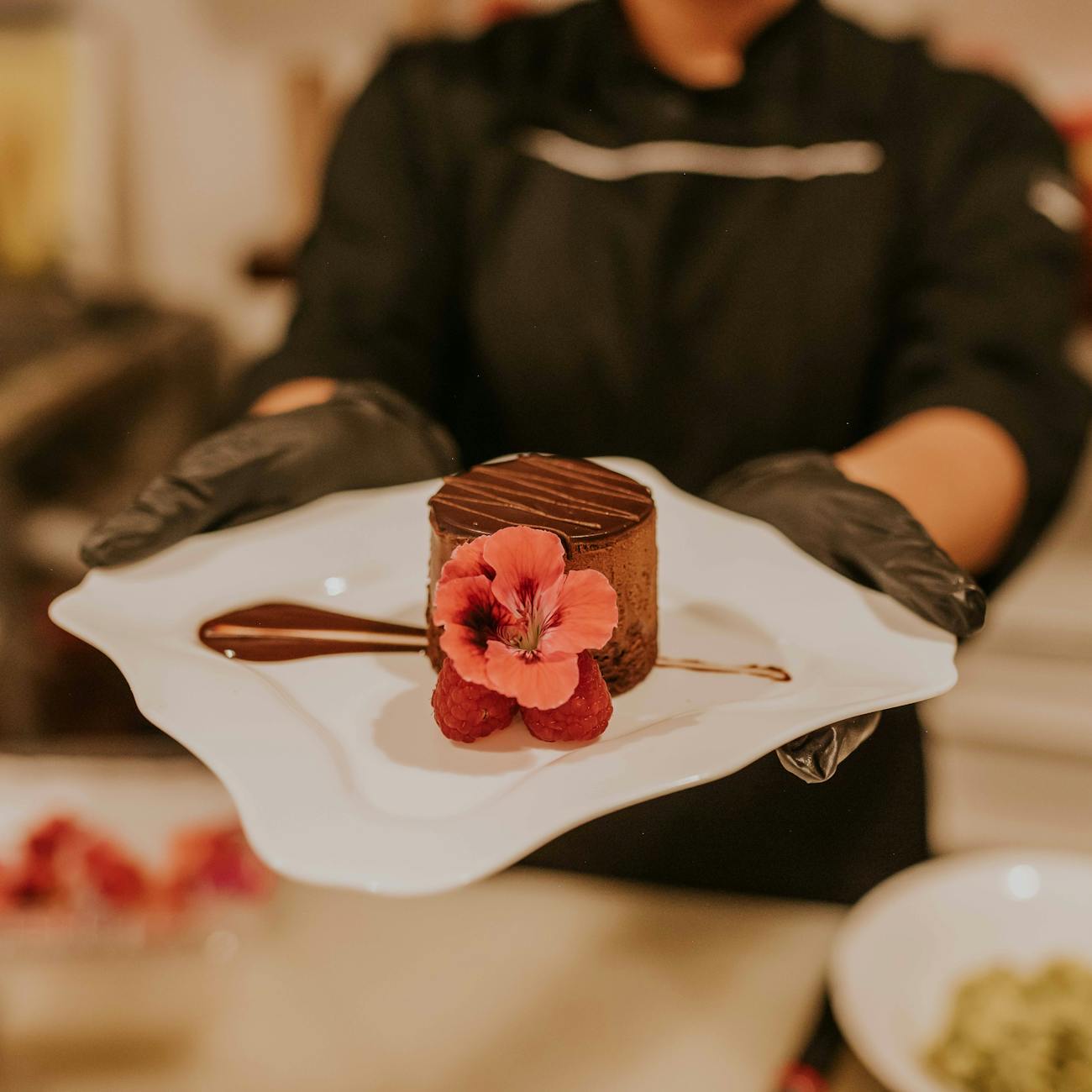
Artisan Chocolate Making is a professional certificate course that requires a solid understanding of key terms and vocabulary related to chocolate business management. Here are some of the most important terms and concepts you'll need to know:
1. Chocolate Making Process: The chocolate making process involves several steps, including fermentation, drying, roasting, winnowing, grinding, conching, tempering, and molding. Each step is critical to the final flavor and texture of the chocolate. 2. Cacao Beans: Cacao beans are the primary ingredient in chocolate. They come in several varieties, including Forastero, Criollo, and Trinitario, each with its own unique flavor profile. 3. Fermentation: Fermentation is the first step in the chocolate making process. Cacao beans are placed in containers and allowed to ferment for several days, which develops their flavor and aroma. 4. Drying: After fermentation, cacao beans are dried in the sun or using artificial methods. Proper drying is essential to prevent mold growth and preserve the beans' flavor. 5. Roasting: Roasting is the process of heating cacao beans to bring out their flavor. The roasting temperature and time can significantly impact the final flavor of the chocolate. 6. Winnowing: Winnowing is the process of removing the outer shell of the cacao bean, leaving only the inner nib. 7. Grinding: Grinding is the process of breaking down the cacao nibs into a paste, which is then mixed with sugar and other ingredients to create chocolate. 8. Conching: Conching is the process of mixing and aerating the chocolate to develop its flavor and texture. The length of conching can vary from a few hours to several days. 9. Tempering: Tempering is the process of heating and cooling chocolate to create a stable crystalline structure, which gives the chocolate a glossy finish and a satisfying snap when broken. 10. Molding: Molding is the process of shaping chocolate into bars, truffles, or other forms using molds. 11. Chocolate Formulation: Chocolate formulation refers to the specific recipe used to create a particular chocolate product. The formulation includes the type and amount of cacao beans, sugar, milk powder, and other ingredients. 12. Chocolate Grades: Chocolate is graded based on its flavor, aroma, and appearance. Premium chocolate is made from high-quality cacao beans and has a more complex flavor profile. 13. Fair Trade: Fair trade is a certification program that ensures cacao farmers receive a fair price for their beans. It also promotes sustainable farming practices and safe working conditions. 14. Direct Trade: Direct trade is a model where chocolate makers buy cacao beans directly from farmers, cutting out intermediaries and ensuring a fair price for the farmers. 15. Bean-to-Bar: Bean-to-bar chocolate is made entirely in-house, from the cacao beans to the final product. This model allows for greater control over the chocolate making process and ensures high-quality standards. 16. Couverture Chocolate: Couverture chocolate is a high-quality chocolate that contains a higher percentage of cocoa butter, making it ideal for coating truffles and other confections. 17. Single Origin Chocolate: Single origin chocolate is made from cacao beans sourced from a single region or farm. This type of chocolate showcases the unique flavor profile of the cacao beans from that specific location. 18. Chocolate Flavor Pairing: Chocolate flavor pairing is the practice of combining chocolate with other ingredients to create unique flavor profiles. Some common pairings include chocolate and fruit, chocolate and spices, and chocolate and nuts. 19. Chocolate Tasting: Chocolate tasting is the practice of evaluating the flavor, aroma, and texture of chocolate. It involves careful observation and analysis of the chocolate's characteristics. 20. Chocolate Shelf Life: Chocolate shelf life refers to the length of time chocolate can be stored before it begins to deteriorate in quality. Proper storage can extend the shelf life of chocolate. 21. Chocolate Packaging: Chocolate packaging plays a critical role in protecting the product and promoting its brand. It should be attractive, functional, and sustainable. 22. Chocolate Marketing: Chocolate marketing involves promoting and selling chocolate products to consumers. It requires a deep understanding of consumer behavior and preferences. 23. Chocolate Sales: Chocolate sales involve selling chocolate products to retailers, wholesalers, or directly to consumers. Successful sales require effective communication, negotiation, and relationship-building skills. 24. Chocolate Pricing: Chocolate pricing involves setting the price of chocolate products based on production costs, market demand, and competition. It requires a deep understanding of financial management and cost accounting. 25. Chocolate Supply Chain Management: Chocolate supply chain management involves managing the flow of cacao beans from the farm to the final product. It requires effective communication, logistics, and inventory management skills.
Challenge:
Try creating your own chocolate formulation using different ratios of cacao beans, sugar, and milk powder. Experiment with different roasting times and temperatures to create unique flavor profiles. Practice chocolate tasting and evaluate the flavor, aroma, and texture of your own chocolate. Consider the chocolate packaging and marketing to create a unique brand identity. Finally, calculate the production costs and set a price for your chocolate based on market demand and competition.
Example:
Let's say you want to create a 70% dark chocolate bar. You'll need to use 700 grams of cacao beans for every 1000 grams of chocolate. To create a balanced flavor, you can add 300 grams of sugar and no milk powder. Roast the cacao beans at 250 degrees Fahrenheit for 30 minutes, then grind and conch them for several hours. Temper the chocolate and mold it into bars. Evaluate the flavor, aroma, and texture of the chocolate, and adjust the formulation as needed. Consider the packaging and marketing to create a unique brand identity. Finally, calculate the production costs and set a price for the chocolate based on market demand and competition.
Key takeaways
- Artisan Chocolate Making is a professional certificate course that requires a solid understanding of key terms and vocabulary related to chocolate business management.
- Tempering: Tempering is the process of heating and cooling chocolate to create a stable crystalline structure, which gives the chocolate a glossy finish and a satisfying snap when broken.
- Finally, calculate the production costs and set a price for your chocolate based on market demand and competition.
- Finally, calculate the production costs and set a price for the chocolate based on market demand and competition.