
Daylighting Performance Evaluation
Daylighting Performance Evaluation is the process of assessing and analyzing the effectiveness of daylighting strategies in architectural design. This evaluation is crucial in creating buildings that maximize the use of natural light while …
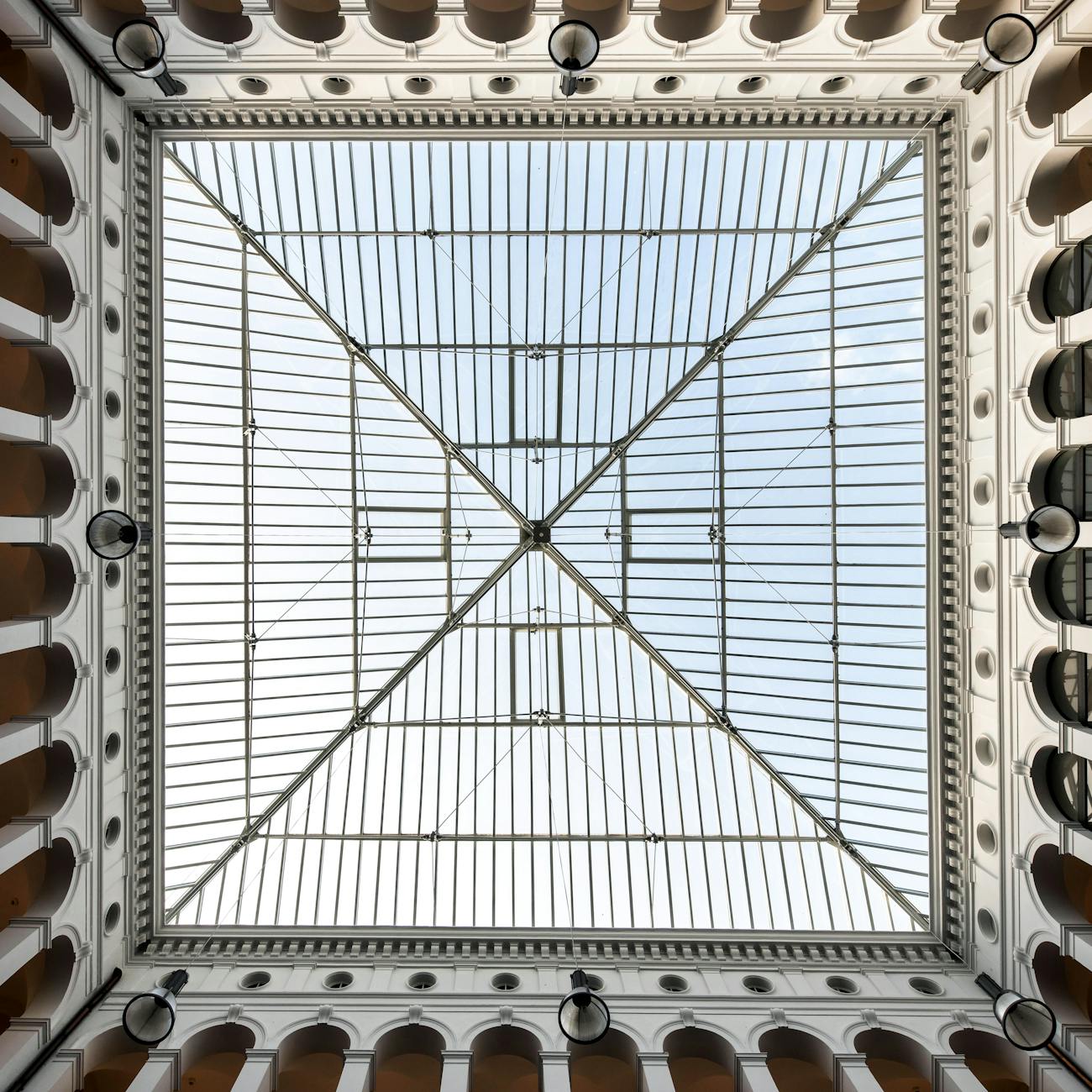
Daylighting Performance Evaluation is the process of assessing and analyzing the effectiveness of daylighting strategies in architectural design. This evaluation is crucial in creating buildings that maximize the use of natural light while minimizing the need for artificial lighting. In the Advanced Certificate in Daylighting for Biophilic Architecture, students will learn about various key terms and vocabulary related to daylighting performance evaluation. Here are some of the most important ones:
1. Daylight Factor (DF): Daylight Factor is the ratio of interior illuminance (measured in lux) to exterior illuminance. It is a common metric used to evaluate the daylighting performance of a building and indicates the amount of natural light that enters a space. A higher daylight factor indicates better daylighting performance. For example, a daylight factor of 5% means that the interior illuminance is 5% of the exterior illuminance. 2. Luminous Efficacy: Luminous efficacy is the ratio of luminous flux (measured in lumens) to the power input (measured in watts) of a light source. It measures the efficiency of a light source in converting electrical energy into visible light. A higher luminous efficacy indicates a more efficient light source. For example, a luminous efficacy of 100 lumens per watt means that the light source produces 100 lumens of light for every watt of electrical power consumed. 3. UDI (Useful Daylight Illuminance): UDI is the amount of daylight that is within a range that is useful for visual tasks. It is typically defined as the illuminance range between 100 lux and 10,000 lux. UDI is an essential metric for evaluating daylighting performance because it indicates the amount of daylight that is useful for occupants. For example, a UDI of 50% means that 50% of the interior illuminance is within the useful daylight illuminance range. 4. Glare: Glare is the sensation of discomfort or visual impairment caused by excessive brightness or contrast. It can be caused by direct sunlight, reflections, or bright artificial lights. Glare can reduce productivity and increase eye strain, so it is essential to minimize glare in building design. For example, diffusing daylight using shades or louvers can help reduce glare. 5. Daylight Autonomy (DA): Daylight autonomy is the percentage of time that a space meets a specified illuminance level without the need for artificial lighting. It is an essential metric for evaluating daylighting performance because it indicates the amount of time that a space can be lit using only natural light. For example, a daylight autonomy of 80% means that the space meets the specified illuminance level 80% of the time. 6. Spatial Daylight Autonomy (sDA): Spatial daylight autonomy is a metric that evaluates the daylighting performance of an entire space rather than just a single point. It is calculated by determining the percentage of points within a space that meet a specified illuminance level for a certain percentage of the day. For example, an sDA of 50% at 50% means that 50% of the points within the space meet the specified illuminance level 50% of the day. 7. Annual Sunlight Exposure (ASE): Annual sunlight exposure is a metric that evaluates the amount of sunlight that enters a space over the course of a year. It is typically measured in hours or percentage of the year. ASE is an essential metric for evaluating daylighting performance because it indicates the amount of sunlight that occupants will be exposed to over time. For example, an ASE of 20% means that the space receives sunlight for 20% of the year. 8. Climate-Based Daylight Modeling (CBDM): Climate-Based Daylight Modeling is a simulation-based approach to daylighting performance evaluation. It takes into account the location, climate, and building orientation to predict the amount of daylight that will enter a space over time. CBDM is a powerful tool for evaluating daylighting performance because it can predict the impact of design decisions over the entire year.
Now that we have covered some of the key terms and vocabulary related to daylighting performance evaluation let's look at some practical applications, examples, and challenges.
Practical Applications: Daylighting performance evaluation can be applied in various ways in architectural design. For example, designers can use it to:
* Evaluate the effectiveness of daylighting strategies before construction. * Optimize the placement of windows, skylights, and other daylighting elements. * Minimize glare and improve visual comfort. * Meet energy efficiency and sustainability goals. * Create biophilic environments that connect occupants with nature.
Examples: Here are some examples of how daylighting performance evaluation has been used in building design:
* The California Academy of Sciences in San Francisco, CA, uses a combination of skylights, clerestory windows, and light shelves to maximize daylighting while minimizing glare. The building's daylighting strategy was evaluated using CBDM, which helped optimize the placement of daylighting elements. * The Kendeda Building for Innovative Sustainable Design at Georgia Tech in Atlanta, GA, uses a range of daylighting strategies, including a double-skin facade, clerestory windows, and light shelves, to achieve a high level of daylighting autonomy. The building's daylighting performance was evaluated using CBDM, which helped optimize the design for energy efficiency and occupant comfort.
Challenges: Daylighting performance evaluation can be challenging due to the complex and dynamic nature of daylight. Some of the challenges include:
* Accurately modeling the impact of weather conditions, such as cloud cover and sun angles. * Predicting the impact of shading devices, such as louvers and overhangs. * Balancing daylighting performance with other design considerations, such as thermal comfort and acoustic performance. * Addressing the variability of occupant needs and preferences.
Conclusion: Daylighting performance evaluation is a critical component of biophilic architecture. It enables designers to create buildings that maximize the use of natural light while minimizing the need for artificial lighting. By understanding the key terms and vocabulary related to daylighting performance evaluation, students in the Advanced Certificate in Daylighting for Biophilic Architecture course will be better equipped to design buildings that meet the needs of occupants and the environment. Practical applications, examples, and challenges demonstrate the importance of daylighting performance evaluation in architectural design. By addressing the challenges and utilizing the tools and techniques available, designers can create buildings that connect occupants with nature and promote health, well-being, and productivity.
Key takeaways
- In the Advanced Certificate in Daylighting for Biophilic Architecture, students will learn about various key terms and vocabulary related to daylighting performance evaluation.
- Spatial Daylight Autonomy (sDA): Spatial daylight autonomy is a metric that evaluates the daylighting performance of an entire space rather than just a single point.
- Now that we have covered some of the key terms and vocabulary related to daylighting performance evaluation let's look at some practical applications, examples, and challenges.
- Practical Applications: Daylighting performance evaluation can be applied in various ways in architectural design.
- * Optimize the placement of windows, skylights, and other daylighting elements.
- * The California Academy of Sciences in San Francisco, CA, uses a combination of skylights, clerestory windows, and light shelves to maximize daylighting while minimizing glare.
- Challenges: Daylighting performance evaluation can be challenging due to the complex and dynamic nature of daylight.