
Eating Disorders in Athletes
Eating Disorders in Athletes
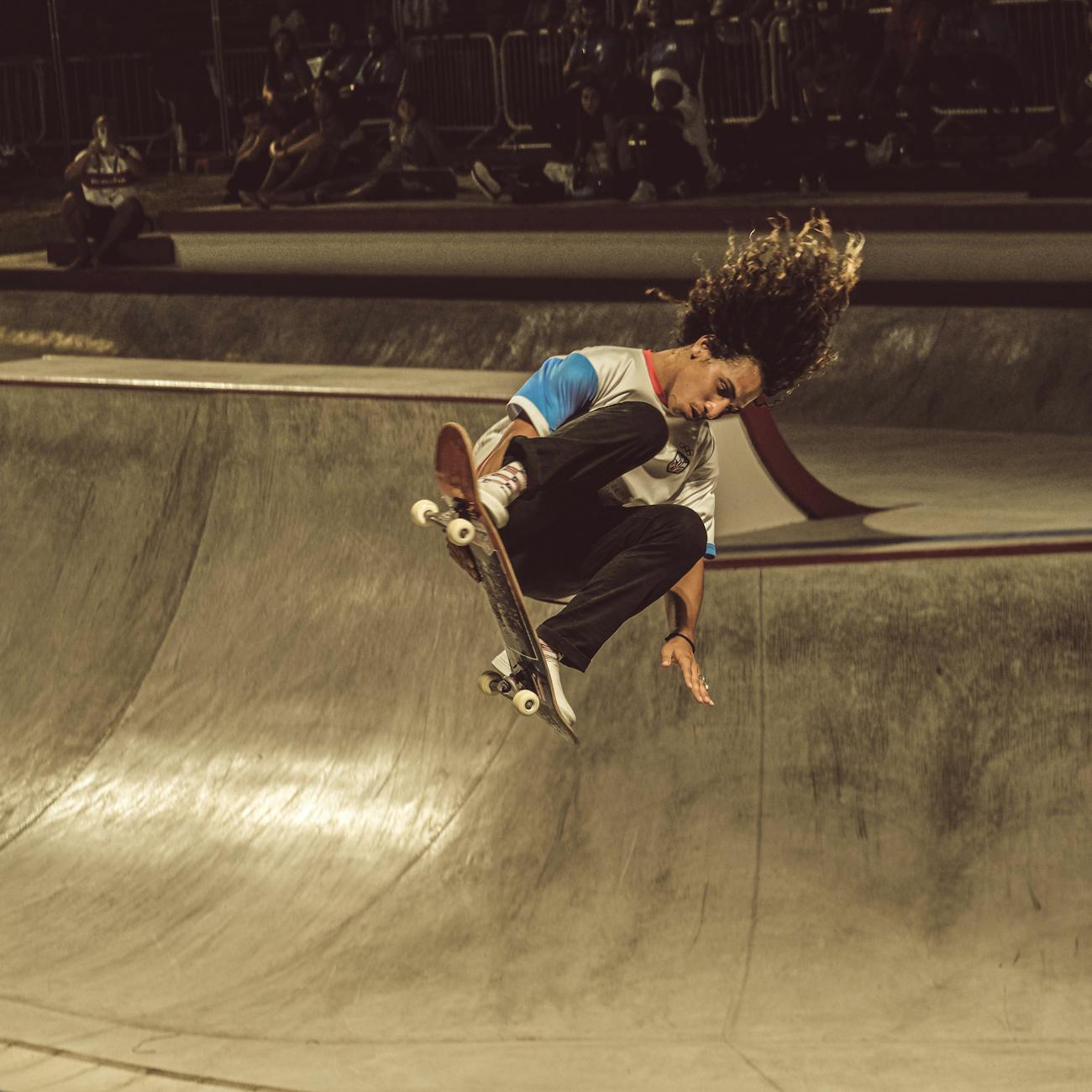
Eating Disorders in Athletes
Eating Disorders Eating disorders are serious mental health conditions characterized by unhealthy eating habits that can have severe physical and emotional consequences. They often involve a preoccupation with food, weight, and body image, leading to dangerous behaviors such as restrictive dieting, binge eating, or purging.
Athletes Athletes are individuals who participate in sports or physical activities at a competitive level. They often have specific training regimens and dietary requirements to support their performance and overall health. Athletes can compete individually or as part of a team in a wide range of sports.
Prevalence Eating disorders are prevalent among athletes, with research suggesting that they are more common in sports that emphasize leanness or weight control, such as gymnastics, figure skating, dance, and endurance sports like running and cycling. Female athletes are more likely to develop eating disorders, but they can also affect male athletes.
Risk Factors Several risk factors can contribute to the development of eating disorders in athletes, including: - Pressure to maintain a certain weight or body shape for performance or aesthetic reasons. - Perfectionism and high levels of self-criticism. - History of dieting or weight-related issues. - Low self-esteem or poor body image. - Overtraining or excessive exercise. - Genetics and family history of eating disorders.
Types of Eating Disorders There are several types of eating disorders that can affect athletes, including: - Anorexia Nervosa: Characterized by extreme food restriction, fear of gaining weight, and a distorted body image. - Bulimia Nervosa: Involves episodes of binge eating followed by purging behaviors such as vomiting, laxative use, or excessive exercise. - Binge Eating Disorder: Defined by recurrent episodes of uncontrollable overeating without compensatory behaviors. - Orthorexia: Obsession with eating only "healthy" or "clean" foods, leading to restrictive eating patterns and nutritional deficiencies.
Signs and Symptoms Athletes with eating disorders may exhibit a variety of physical, emotional, and behavioral signs and symptoms, including: - Rapid weight loss or fluctuations. - Obsession with calorie counting or food rules. - Avoidance of social gatherings involving food. - Preoccupation with body image and fear of weight gain. - Fatigue, weakness, and poor performance. - Mood swings, irritability, or depression. - Ritualistic behaviors around food or exercise.
Consequences Untreated eating disorders can have severe consequences for athletes, including: - Nutritional deficiencies leading to impaired physical and cognitive function. - Increased risk of injuries due to weakened muscles and bones. - Hormonal imbalances affecting performance and overall health. - Psychological distress, anxiety, and depression. - Social isolation and strained relationships with coaches and teammates.
Diagnosis and Treatment Diagnosing and treating eating disorders in athletes can be challenging due to the overlap between disordered eating behaviors and the demands of training and competition. Healthcare professionals, including sports psychologists, dietitians, and physicians, play a crucial role in identifying and addressing eating disorders in athletes. Treatment may involve a multidisciplinary approach that includes: - Nutritional counseling to address dietary imbalances and restore healthy eating habits. - Cognitive-behavioral therapy to challenge negative thoughts and behaviors related to food and body image. - Monitoring physical health, including weight, hydration status, and bone density. - Creating a supportive environment that promotes a healthy relationship with food and exercise.
Prevention Preventing eating disorders in athletes requires a proactive approach that focuses on promoting body positivity, healthy attitudes towards food and exercise, and a supportive team culture. Coaches, parents, and sports organizations can help prevent eating disorders by: - Educating athletes about the risks of disordered eating and the importance of proper nutrition for performance. - Encouraging open communication about body image concerns and promoting self-compassion. - Avoiding weight-related comments or pressure to achieve a certain body shape. - Providing resources for mental health support and counseling. - Monitoring athletes for signs of disordered eating and intervening early to prevent escalation.
Challenges There are several challenges associated with addressing eating disorders in athletes, including: - Stigma and shame surrounding mental health issues that may prevent athletes from seeking help. - Conflicting messages about body image and weight within the sports culture. - Balancing the demands of training and competition with the need for adequate rest and recovery. - Lack of awareness or resources for identifying and treating eating disorders in athletic settings. - Resistance to change or denial of the problem by athletes or coaches.
Conclusion Eating disorders in athletes are a complex and multifaceted issue that requires a comprehensive approach to prevention, diagnosis, and treatment. By raising awareness, promoting a healthy body image, and providing support for athletes struggling with disordered eating, we can create a more inclusive and supportive sports environment that prioritizes the well-being of athletes at all levels of competition.
Key takeaways
- Eating Disorders Eating disorders are serious mental health conditions characterized by unhealthy eating habits that can have severe physical and emotional consequences.
- They often have specific training regimens and dietary requirements to support their performance and overall health.
- Female athletes are more likely to develop eating disorders, but they can also affect male athletes.
- Risk Factors Several risk factors can contribute to the development of eating disorders in athletes, including: - Pressure to maintain a certain weight or body shape for performance or aesthetic reasons.
- Types of Eating Disorders There are several types of eating disorders that can affect athletes, including: - Anorexia Nervosa: Characterized by extreme food restriction, fear of gaining weight, and a distorted body image.
- Signs and Symptoms Athletes with eating disorders may exhibit a variety of physical, emotional, and behavioral signs and symptoms, including: - Rapid weight loss or fluctuations.
- Consequences Untreated eating disorders can have severe consequences for athletes, including: - Nutritional deficiencies leading to impaired physical and cognitive function.