
Sacred Dance as Meditation and Prayer
Sacred Dance as Meditation and Prayer is a course that focuses on the use of dance as a spiritual practice. In this advanced skill certificate program, students will explore the key terms and vocabulary associated with sacred dance, meditat…
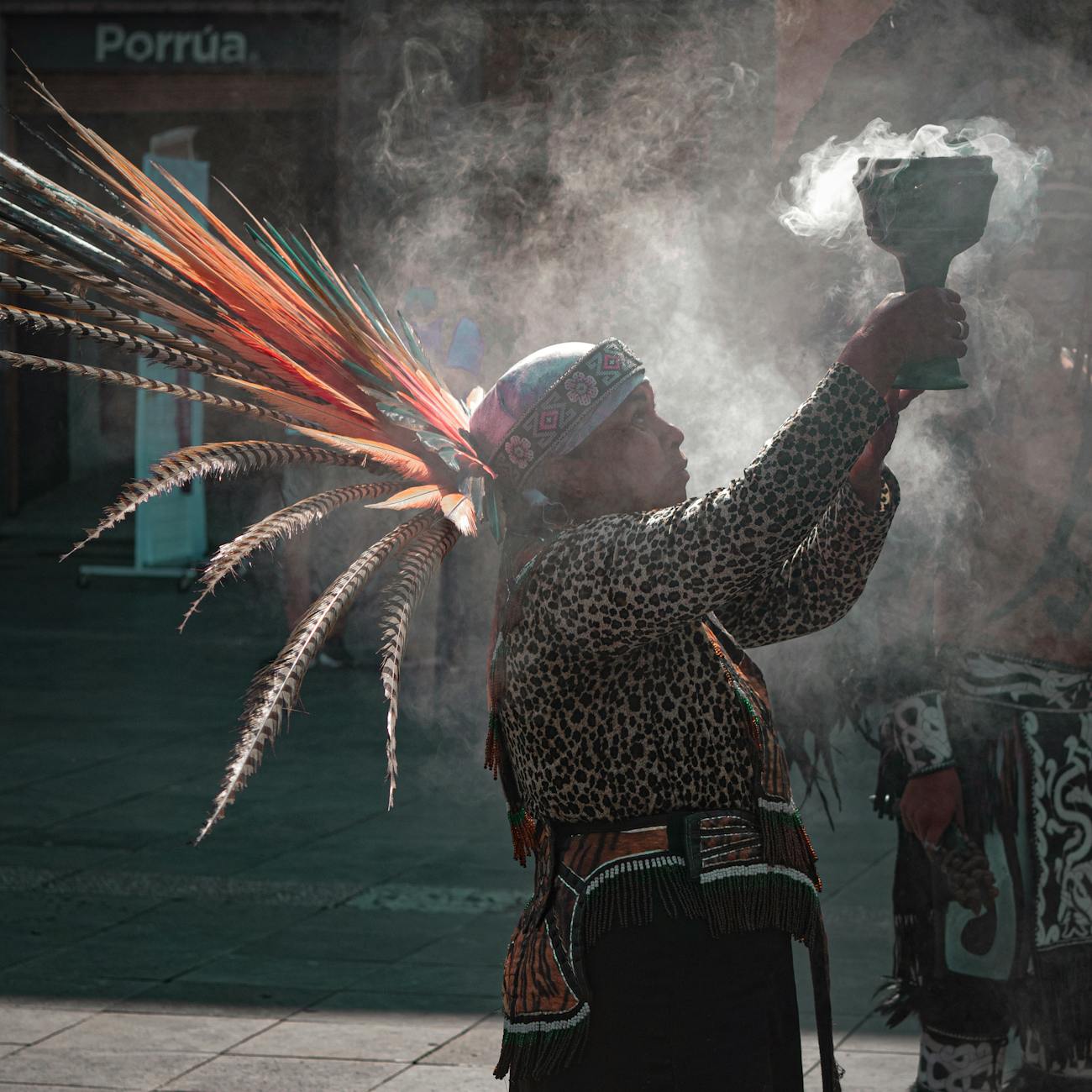
Sacred Dance as Meditation and Prayer is a course that focuses on the use of dance as a spiritual practice. In this advanced skill certificate program, students will explore the key terms and vocabulary associated with sacred dance, meditation, and prayer. Here is a detailed explanation of some of the key terms and concepts:
1. Sacred Dance: Sacred dance is a form of dance that is performed for spiritual or religious purposes. It is often used as a form of meditation, prayer, or worship. Sacred dance can be found in many different cultures and religions, including Christianity, Hinduism, Buddhism, and Indigenous traditions. 2. Meditation: Meditation is a practice that involves focusing the mind on a particular object, thought, or activity to achieve a mentally clear and emotionally calm state. Meditation can be done in many different ways, including through breathwork, visualization, or movement. 3. Prayer: Prayer is a practice that involves communicating with a higher power or spiritual being. It can take many different forms, including spoken or written words, songs, or dances. 4. Spiritual Practice: A spiritual practice is any activity that is done with the intention of deepening one's spiritual connection or awareness. Sacred dance can be a powerful spiritual practice because it allows individuals to connect with their bodies, minds, and spirits in a meaningful way. 5. Chakras: Chakras are energy centers in the body that are believed to affect physical, emotional, and spiritual well-being. There are seven main chakras, located along the spine from the base to the crown of the head. 6. Mudras: Mudras are hand gestures that are used in many different spiritual traditions, including yoga and sacred dance. They are believed to help direct energy flow in the body and can be used to facilitate meditation and prayer. 7. Visualization: Visualization is a technique that involves creating mental images to facilitate meditation or prayer. It can be used to focus the mind, access inner wisdom, or manifest goals. 8. Breathwork: Breathwork is a practice that involves consciously regulating the breath to promote physical, emotional, and spiritual well-being. It can be used to facilitate meditation, reduce stress, and promote relaxation. 9. Ritual: A ritual is a series of actions or gestures that are performed in a specific way to create a sacred or spiritual experience. Rituals can be used to mark transitions, honor sacred events, or deepen spiritual connection. 10. Improvisation: Improvisation is a technique that involves creating dance movements spontaneously, without pre-planning or choreography. It can be used to facilitate self-expression, creativity, and spiritual connection. 11. Embodiment: Embodiment is the practice of fully inhabiting the body and experiencing the world through physical sensations and movements. It can be used to deepen spiritual connection, promote self-awareness, and facilitate healing. 12. Intention: Intention is the act of setting a clear and focused goal or desire for a meditation, prayer, or spiritual practice. It can help to direct energy and focus the mind. 13. Integration: Integration is the process of incorporating spiritual insights and experiences into daily life. It can help to promote ongoing growth, transformation, and well-being.
Examples and Practical Applications:
* In a sacred dance class, students might use mudras to direct energy flow and facilitate meditation. They might also use breathwork to promote relaxation and focus the mind. * In a meditation practice, individuals might use visualization to access inner wisdom or manifest goals. They might also use chakra meditation to promote physical, emotional, and spiritual balance. * In a prayer practice, individuals might use dance movements to express gratitude, honor a higher power, or connect with their spiritual community. * In a ritual practice, individuals might use improvisation to facilitate self-expression and creativity. They might also use embodiment practices to deepen spiritual connection and promote self-awareness.
Challenges:
* One challenge in sacred dance as meditation and prayer is finding the right balance between structure and spontaneity. While choreography can be helpful in facilitating focus and intention, improvisation can promote creativity and self-expression. * Another challenge is integrating spiritual insights and experiences into daily life. It can be easy to feel spiritually connected during a meditation, prayer, or sacred dance practice, but incorporating those insights into daily life can be more challenging. * Finally, finding the right balance between individual practice and community connection can be a challenge. While solo practice can promote self-awareness and spiritual connection, community connection can provide support, accountability, and inspiration.
In summary, Sacred Dance as Meditation and Prayer is a course that explores the use of dance as a spiritual practice. By understanding key terms and concepts such as sacred dance, meditation, prayer, spiritual practice, chakras, mudras, visualization, breathwork, ritual, improvisation, embodiment, intention, and integration, students can deepen their spiritual connection and promote physical, emotional, and spiritual well-being. Through practical applications and challenges, students can explore the power of sacred dance as a tool for meditation, prayer, and spiritual growth.
Key takeaways
- In this advanced skill certificate program, students will explore the key terms and vocabulary associated with sacred dance, meditation, and prayer.
- Meditation: Meditation is a practice that involves focusing the mind on a particular object, thought, or activity to achieve a mentally clear and emotionally calm state.
- * In a prayer practice, individuals might use dance movements to express gratitude, honor a higher power, or connect with their spiritual community.
- It can be easy to feel spiritually connected during a meditation, prayer, or sacred dance practice, but incorporating those insights into daily life can be more challenging.
- Through practical applications and challenges, students can explore the power of sacred dance as a tool for meditation, prayer, and spiritual growth.