
Building Pathology Report Writing
Building pathology report writing is a crucial aspect of the Advanced Certificate in Building Pathology and Rehabilitation. Understanding key terms and vocabulary in this field is essential for accurately assessing the condition of a buildi…
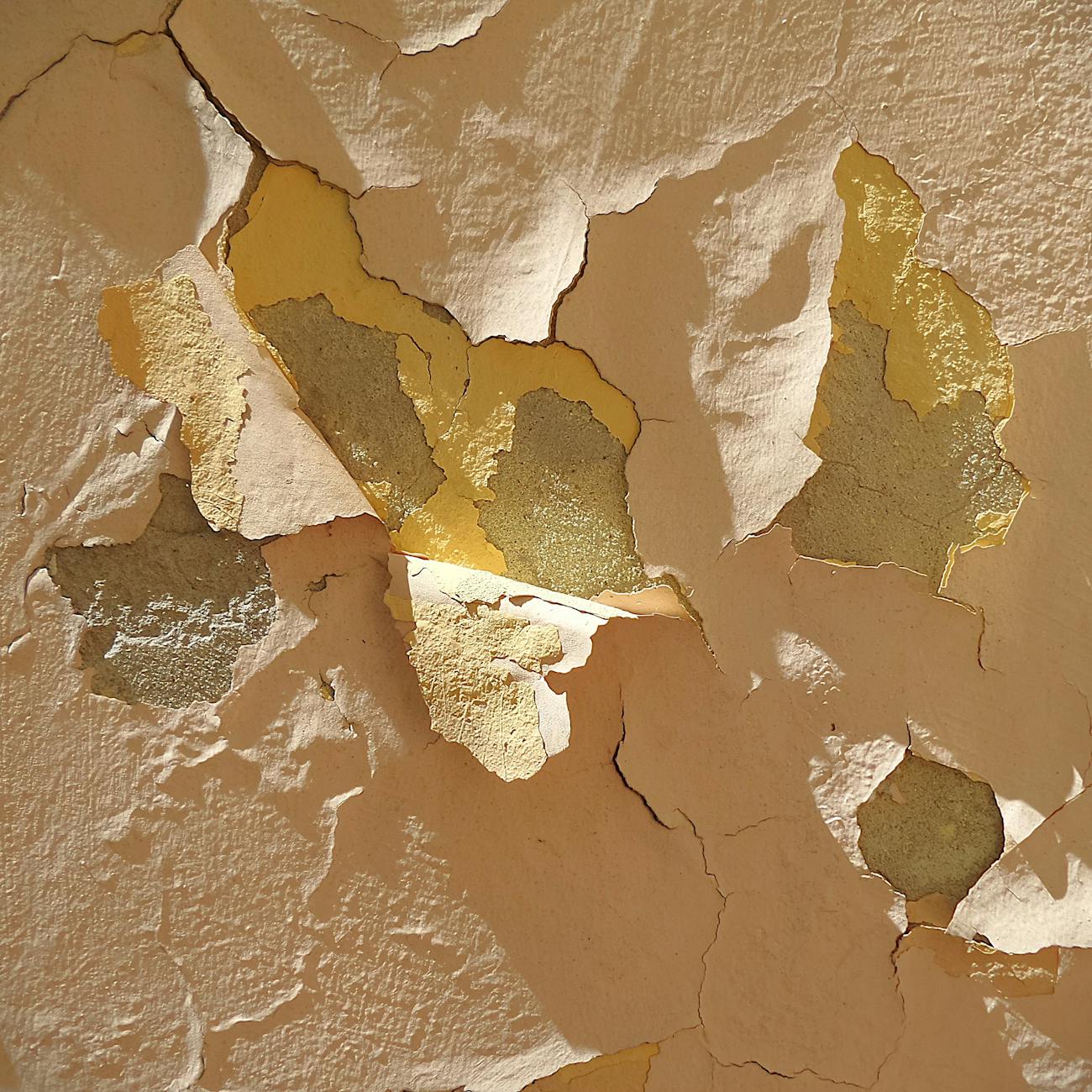
Building pathology report writing is a crucial aspect of the Advanced Certificate in Building Pathology and Rehabilitation. Understanding key terms and vocabulary in this field is essential for accurately assessing the condition of a building, identifying defects, and recommending appropriate remedial actions. Below, we will explore important terms and concepts related to building pathology report writing.
1. **Building Pathology**: Building pathology is the study of building defects, their causes, and the effects they have on the performance and lifespan of a building. It involves investigating the condition of buildings, identifying issues, and proposing solutions to address those problems.
2. **Building Pathologist**: A building pathologist is a professional who specializes in assessing the condition of buildings, diagnosing defects, and recommending appropriate remedial measures. Building pathologists use their expertise to conduct thorough inspections, analyze data, and prepare detailed reports on the condition of a building.
3. **Defect**: A defect is any fault, imperfection, or flaw in a building that affects its performance, durability, or safety. Common defects in buildings include cracks, leaks, dampness, structural issues, and inadequate insulation. Identifying defects is a key part of building pathology report writing.
4. **Deterioration**: Deterioration refers to the gradual decline in the condition of a building over time. Factors such as age, weather exposure, poor maintenance, and inadequate construction can contribute to the deterioration of building materials and components. Building pathologists assess the extent of deterioration and its impact on the building's structural integrity.
5. **Moisture Intrusion**: Moisture intrusion occurs when water penetrates a building's envelope through cracks, leaks, or defects in the construction. Moisture intrusion can lead to mold growth, decay of building materials, and structural damage. Building pathologists must identify sources of moisture intrusion and recommend solutions to prevent further damage.
6. **Structural Integrity**: Structural integrity refers to the ability of a building to withstand loads and forces without experiencing failure or collapse. Building pathologists assess the structural integrity of a building by examining its foundation, framing, and load-bearing elements. They identify any weaknesses or defects that could compromise the building's stability.
7. **Building Envelope**: The building envelope is the physical barrier that separates the interior of a building from the external environment. It includes the walls, roof, windows, doors, and other components that protect the interior space from moisture, air infiltration, and temperature fluctuations. Building pathologists evaluate the condition of the building envelope to identify any defects that could compromise its performance.
8. **Condensation**: Condensation occurs when warm, moist air comes into contact with a cold surface, causing the moisture in the air to condense into water droplets. Condensation can lead to dampness, mold growth, and damage to building materials. Building pathologists investigate the causes of condensation and recommend strategies to reduce moisture levels and improve ventilation.
9. **Mold**: Mold is a type of fungi that thrives in damp, humid environments. Mold growth in buildings can pose health risks to occupants and cause damage to building materials. Building pathologists identify areas of mold growth, assess the extent of contamination, and recommend remediation measures to eliminate mold and prevent its recurrence.
10. **Thermal Bridging**: Thermal bridging occurs when a conductive material creates a pathway for heat to bypass insulation, leading to energy loss and thermal discomfort. Building pathologists inspect building components such as steel beams, concrete slabs, and window frames for thermal bridging issues. They recommend insulation upgrades and thermal breaks to improve energy efficiency and occupant comfort.
11. **Building Regulations**: Building regulations are legal requirements that govern the design, construction, and maintenance of buildings to ensure the health, safety, and welfare of occupants. Building pathologists must have a thorough understanding of building regulations and codes to assess compliance, identify deviations, and recommend corrective actions to bring buildings into compliance.
12. **Remedial Actions**: Remedial actions are measures taken to address building defects, improve performance, and extend the lifespan of a building. Building pathologists propose remedial actions based on their findings from inspections and assessments. Remedial actions may include repairs, upgrades, maintenance practices, and retrofitting measures to enhance the building's condition and functionality.
13. **Cost Estimation**: Cost estimation involves calculating the expenses associated with remedial actions, repairs, and maintenance activities recommended in a building pathology report. Building pathologists work with cost estimators and contractors to provide accurate estimates for materials, labor, and other costs involved in implementing remedial measures.
14. **Sustainability**: Sustainability in building pathology focuses on promoting environmentally friendly and energy-efficient practices in building design, construction, and maintenance. Building pathologists consider sustainable building materials, energy-saving technologies, and green building certifications when recommending solutions to improve the performance and sustainability of buildings.
15. **Risk Assessment**: Risk assessment involves evaluating the likelihood and potential consequences of building defects, failures, or hazards. Building pathologists conduct risk assessments to prioritize issues, determine the urgency of remedial actions, and develop strategies to mitigate risks and ensure the safety and integrity of buildings.
16. **Historic Buildings**: Historic buildings are structures of architectural, cultural, or historical significance that require special care and conservation. Building pathologists assess historic buildings for defects, deterioration, and preservation needs. They recommend appropriate conservation methods, materials, and restoration techniques to maintain the authenticity and integrity of historic structures.
17. **Building Information Modeling (BIM)**: Building Information Modeling (BIM) is a digital tool that allows for the creation and management of 3D models of buildings and their components. Building pathologists use BIM technology to visualize building conditions, analyze data, and collaborate with stakeholders to develop comprehensive building pathology reports.
18. **Asbestos**: Asbestos is a naturally occurring mineral fiber that was commonly used in building materials for its fire resistance and insulating properties. However, asbestos exposure can cause serious health risks, including lung cancer and mesothelioma. Building pathologists identify asbestos-containing materials in buildings, assess the risks of exposure, and recommend safe removal and disposal procedures.
19. **Indoor Air Quality**: Indoor air quality refers to the cleanliness and healthiness of the air inside a building. Poor indoor air quality can result from pollutants, mold, dust, and volatile organic compounds (VOCs) that can affect occupants' health and comfort. Building pathologists assess indoor air quality, identify sources of contamination, and recommend ventilation improvements and air purification measures to enhance occupant well-being.
20. **Professional Report Writing**: Professional report writing is a critical skill for building pathologists to communicate findings, recommendations, and solutions effectively. Building pathology reports should be clear, concise, and well-organized, with detailed descriptions of defects, photographs, diagrams, and cost estimates. Building pathologists must use technical language appropriately and provide actionable insights to clients, building owners, and stakeholders.
In conclusion, building pathology report writing requires a deep understanding of key terms and concepts related to building defects, deterioration, remedial actions, regulations, sustainability, risk assessment, and historic preservation. Building pathologists play a crucial role in assessing building conditions, diagnosing issues, and developing comprehensive reports to guide decision-making and ensure the long-term performance and sustainability of buildings. By mastering the vocabulary and principles of building pathology, professionals can effectively communicate their expertise and recommendations to clients, contractors, and other stakeholders in the construction industry.
Key takeaways
- Understanding key terms and vocabulary in this field is essential for accurately assessing the condition of a building, identifying defects, and recommending appropriate remedial actions.
- **Building Pathology**: Building pathology is the study of building defects, their causes, and the effects they have on the performance and lifespan of a building.
- **Building Pathologist**: A building pathologist is a professional who specializes in assessing the condition of buildings, diagnosing defects, and recommending appropriate remedial measures.
- **Defect**: A defect is any fault, imperfection, or flaw in a building that affects its performance, durability, or safety.
- Factors such as age, weather exposure, poor maintenance, and inadequate construction can contribute to the deterioration of building materials and components.
- **Moisture Intrusion**: Moisture intrusion occurs when water penetrates a building's envelope through cracks, leaks, or defects in the construction.
- **Structural Integrity**: Structural integrity refers to the ability of a building to withstand loads and forces without experiencing failure or collapse.