
Climate Change and Environmental Policy
Climate Change: a long-term alteration in the statistical distribution of weather patterns over periods ranging from decades to millions of years, resulting in new climate normals (NOAA). The current trend of climate change is primarily cau…
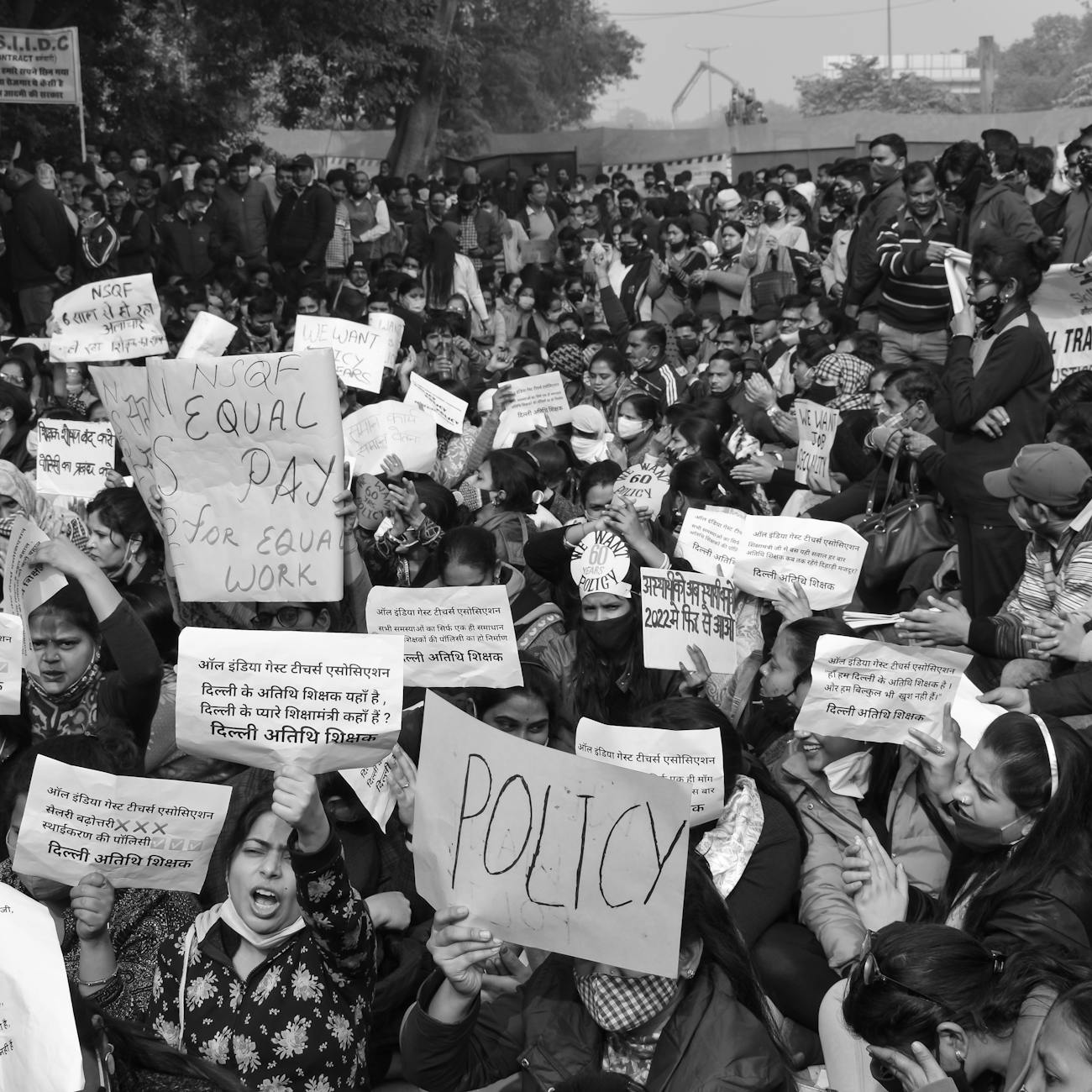
Climate Change: a long-term alteration in the statistical distribution of weather patterns over periods ranging from decades to millions of years, resulting in new climate normals (NOAA). The current trend of climate change is primarily caused by human activities, particularly the emission of greenhouse gases such as carbon dioxide and methane.
Greenhouse Gases (GHGs): gases in Earth's atmosphere that trap heat, keeping the planet warm enough to sustain life. The primary greenhouse gases include carbon dioxide (CO2), methane (CH4), nitrous oxide (N2O), and fluorinated gases. Human activities, such as burning fossil fuels, deforestation, and industrial processes, significantly increase the concentration of these gases in the atmosphere, leading to global warming and climate change.
Global Warming: the long-term increase in Earth's average temperature due to human activities, primarily the emission of greenhouse gases. Global warming causes a variety of changes in the climate, such as rising sea levels, more frequent and intense heatwaves, storms, and droughts.
Paris Agreement: an international treaty adopted in 2015 by 196 parties (189 countries and the European Union) at the 21st Conference of the Parties (COP21) of the United Nations Framework Convention on Climate Change (UNFCCC). The agreement aims to limit global warming to well below 2°C above pre-industrial levels and pursue efforts to limit the temperature increase to 1.5°C.
Mitigation: the process of reducing the sources or enhancing the sinks of greenhouse gases (GHGs) to reduce the overall impact of climate change. Mitigation measures can include reducing emissions from energy production, transportation, and industry, as well as increasing carbon sequestration through afforestation and reforestation.
Adaptation: the process of adjusting to the current and future impacts of climate change, including increased temperatures, sea-level rise, and extreme weather events. Adaptation measures can include building sea walls to protect against coastal flooding, developing drought-resistant crops, and improving infrastructure resilience.
Emissions Trading System (ETS): a market-based approach to reducing greenhouse gas emissions, also known as "cap-and-trade." An ETS sets a cap on the total level of emissions allowed and issues a corresponding number of allowances (or permits) to emitters. Emitters can trade allowances with one another, providing flexibility and incentivizing emissions reduction.
Renewable Energy: energy sources that are replenished naturally, such as solar, wind, hydro, and geothermal power. Renewable energy sources are essential for reducing greenhouse gas emissions and mitigating climate change.
Carbon Footprint: the total amount of greenhouse gases (GHGs) emitted directly or indirectly to support human activities, usually expressed in equivalent tons of carbon dioxide (CO2). Calculating a carbon footprint helps individuals and organizations understand their contribution to climate change and identify opportunities to reduce their emissions.
Circular Economy: an economic system that aims to eliminate waste and the continual use of resources by reusing, repairing, and recycling products and materials. A circular economy can help reduce greenhouse gas emissions, conserve resources, and increase economic efficiency.
Sustainable Development: development that meets the needs of the present without compromising the ability of future generations to meet their own needs (Brundtland Commission). Sustainable development considers economic, social, and environmental factors and seeks to balance these dimensions for long-term prosperity.
Environmental, Social, and Governance (ESG): a framework for evaluating a company's performance in environmental, social, and governance areas. ESG factors are increasingly important for investors and stakeholders seeking to understand a company's sustainability, risk management, and long-term value creation.
Biodiversity: the variety of plant and animal life in the world or in a particular habitat or ecosystem. Biodiversity is essential for maintaining ecosystem stability, providing food, medicine, and clean water, and supporting human well-being. Climate change poses significant threats to biodiversity, as rising temperatures and changing weather patterns disrupt ecosystems and threaten species extinction.
Climate Refugees: individuals or communities displaced due to the impacts of climate change, such as sea-level rise, desertification, and extreme weather events. Climate refugees often face significant challenges in accessing resources, services, and protection.
Climate Resilience: the ability of a system, community, or society to adapt to, anticipate, and respond to the adverse impacts of climate change, ensuring its sustainability and well-being. Climate resilience can be enhanced through various strategies, such as improving infrastructure, diversifying livelihoods, and strengthening governance systems.
Climate Finance: the financing required to mitigate and adapt to climate change, including investments in renewable energy, energy efficiency, low-carbon transportation, and climate-resilient infrastructure. Climate finance can come from various sources, such as public and private sectors, multilateral development banks, and international climate funds.
Climate Risk: the potential harm or loss that may result from the impacts of climate change, such as increased frequency and intensity of extreme weather events, sea-level rise, and changing precipitation patterns. Climate risk can affect various sectors, including agriculture, energy, transportation, and health, and requires comprehensive risk management strategies.
Climate Vulnerability: the degree to which a system, community, or society is susceptible to, and unable to cope with, the adverse effects of climate change. Climate vulnerability is determined by a variety of factors, including exposure, sensitivity, and adaptive capacity.
Climate Justice: the fair and equitable distribution of the benefits, burdens, and risks of climate change, recognizing the historical and ongoing contributions of different countries and communities to greenhouse gas emissions. Climate justice emphasizes the need to protect the most vulnerable populations, such as low-income communities, indigenous peoples, and women, and ensure their participation in decision-making processes.
Decarbonization: the process of reducing or eliminating greenhouse gas emissions from economic activities, particularly the energy sector. Decarbonization strategies can include increasing energy efficiency, transitioning to renewable energy sources, and implementing carbon capture and storage technologies.
Green Economy: an economic system that aims to reduce environmental risks and ecological scarcities, improve resource efficiency, and drive sustainable development. A green economy prioritizes investments in renewable energy, clean transportation, sustainable agriculture, and other environmentally friendly sectors.
Green Jobs: jobs that contribute to preserving or restoring the environment, reducing emissions, and minimizing waste. Green jobs can be found in various sectors, including renewable energy, energy efficiency, and sustainable transportation.
Net-Zero Emissions: a balance between the amount of greenhouse gases (GHGs) emitted and the amount removed from the atmosphere, resulting in no net increase in emissions. Achieving net-zero emissions is essential for limiting global warming to well below 2°C above pre-industrial levels.
Sustainable Development Goals (SDGs): a set of 17 interconnected global goals adopted by the United Nations in 2015, aimed at addressing various challenges, such as poverty, inequality, climate change, and sustainable consumption. The SDGs are designed to be integrated and universally applicable, guiding global development efforts until 2030.
Zero-Waste: a philosophy and practice of designing, producing, consuming, and reusing products in a way that minimizes waste and maximizes resource efficiency. Zero-waste strategies can include reducing packaging, reusing and repairing products, and recycling or composting waste.
Carbon Neutrality: achieving a balance between the amount of greenhouse gases (GHGs) emitted and the amount removed from the atmosphere through various strategies, such as carbon offsets, sequestration, and renewable energy. Carbon neutrality is essential for limiting global warming and achieving net-zero emissions.
Carbon Offset: a reduction or removal of greenhouse gases (GHGs) emissions to compensate for emissions made elsewhere. Carbon offsets can be achieved through various strategies, such as reforestation, renewable energy projects, and energy efficiency measures.
Carbon Pricing: a policy tool that puts a financial cost on greenhouse gas (GHG) emissions, either through a carbon tax or an emissions trading system (ETS). Carbon pricing can incentivize businesses and individuals to reduce their emissions and invest in cleaner technologies.
Circular Economy Business Models: business strategies that prioritize resource efficiency, waste reduction, and product longevity. Circular economy business models can include leasing, sharing, repairing, and refurbishing products, as well as recycling and upcycling materials.
Climate Action Plan: a comprehensive strategy outlining the actions required to
Key takeaways
- Climate Change: a long-term alteration in the statistical distribution of weather patterns over periods ranging from decades to millions of years, resulting in new climate normals (NOAA).
- Human activities, such as burning fossil fuels, deforestation, and industrial processes, significantly increase the concentration of these gases in the atmosphere, leading to global warming and climate change.
- Global warming causes a variety of changes in the climate, such as rising sea levels, more frequent and intense heatwaves, storms, and droughts.
- Paris Agreement: an international treaty adopted in 2015 by 196 parties (189 countries and the European Union) at the 21st Conference of the Parties (COP21) of the United Nations Framework Convention on Climate Change (UNFCCC).
- Mitigation measures can include reducing emissions from energy production, transportation, and industry, as well as increasing carbon sequestration through afforestation and reforestation.
- Adaptation: the process of adjusting to the current and future impacts of climate change, including increased temperatures, sea-level rise, and extreme weather events.
- " An ETS sets a cap on the total level of emissions allowed and issues a corresponding number of allowances (or permits) to emitters.