
Autonomous Robots in Architecture
Autonomous robots in architecture are becoming increasingly popular as they offer many benefits, such as increased efficiency, accuracy, and the ability to work in hazardous environments. In this explanation, we will discuss key terms and v…
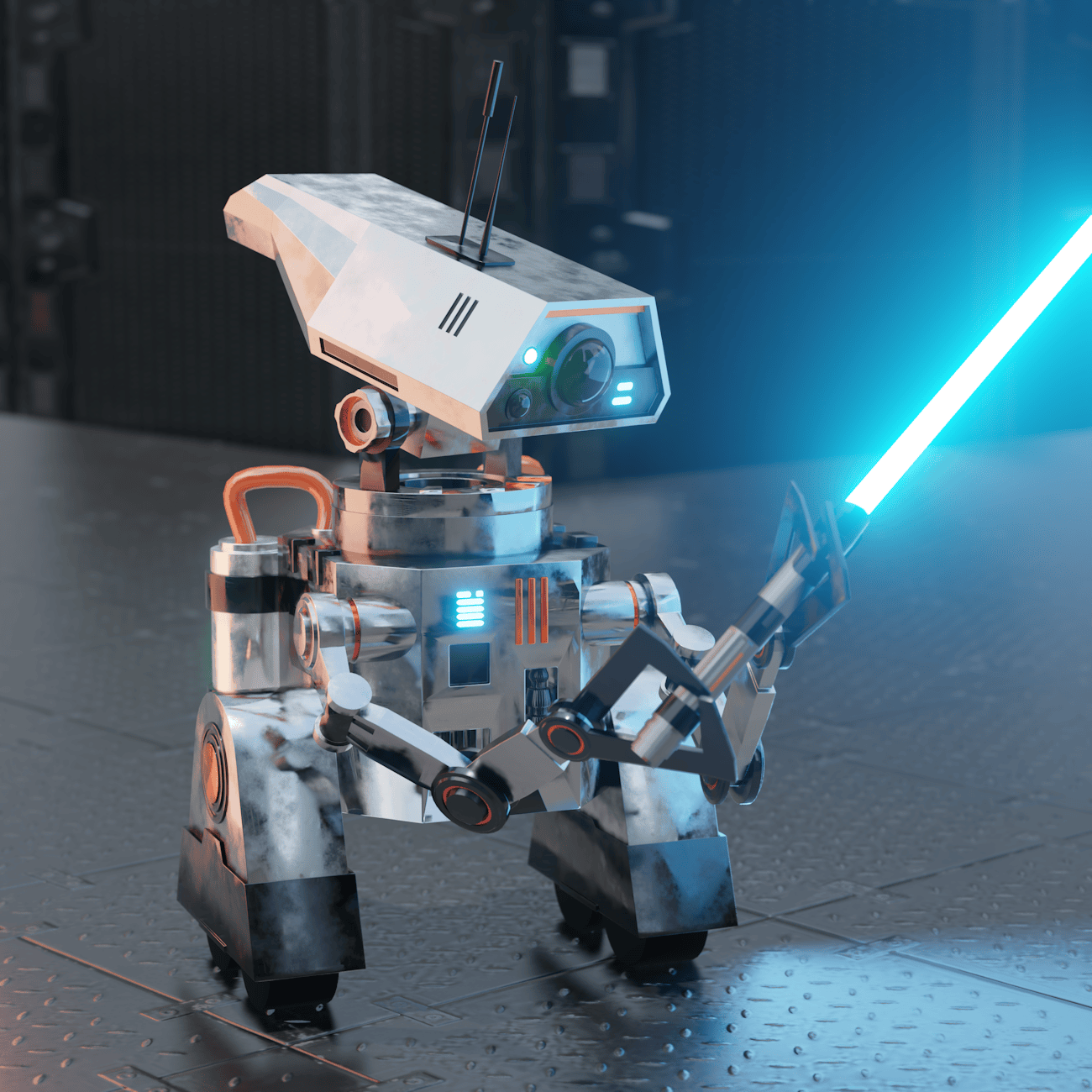
Autonomous robots in architecture are becoming increasingly popular as they offer many benefits, such as increased efficiency, accuracy, and the ability to work in hazardous environments. In this explanation, we will discuss key terms and vocabulary related to autonomous robots in the context of the Professional Certificate in AI-Driven Architectural Innovation.
1. Autonomous Robots: Autonomous robots are machines that can perform tasks without human intervention. They can make decisions, navigate, and interact with their environment independently. In architecture, autonomous robots can be used for various tasks, such as construction, demolition, and maintenance. 2. Artificial Intelligence (AI): AI is a branch of computer science that deals with creating intelligent machines that can think and learn like humans. AI is used in autonomous robots to enable them to make decisions, recognize objects, and navigate their environment. 3. Machine Learning (ML): ML is a subset of AI that enables machines to learn from data without being explicitly programmed. ML algorithms are used in autonomous robots to enable them to recognize patterns, learn from experience, and improve their performance over time. 4. Deep Learning (DL): DL is a subset of ML that uses artificial neural networks to model and solve complex problems. DL algorithms are used in autonomous robots for tasks such as image recognition, speech recognition, and natural language processing. 5. Computer Vision: Computer vision is a field of AI that deals with enabling machines to interpret and understand visual data from the world. Computer vision is used in autonomous robots for tasks such as object recognition, tracking, and navigation. 6. Sensors: Sensors are devices that detect and measure physical phenomena, such as light, sound, temperature, and movement. Sensors are used in autonomous robots to enable them to perceive their environment and interact with it. 7. Actuators: Actuators are devices that convert electrical signals into physical movement. Actuators are used in autonomous robots to enable them to move and interact with their environment. 8. Navigation: Navigation is the process of determining and following a path or course. Autonomous robots use navigation algorithms to move around their environment and reach their destination. 9. Mapping: Mapping is the process of creating a representation of an environment. Autonomous robots use mapping algorithms to create a map of their environment, which they can use for navigation and localization. 10. Localization: Localization is the process of determining the position and orientation of a robot in its environment. Autonomous robots use localization algorithms to determine their position and orientation, which is essential for navigation. 11. Path Planning: Path planning is the process of determining the optimal path for a robot to move from one point to another. Autonomous robots use path planning algorithms to find the shortest, safest, or most efficient path to their destination. 12. Swarm Robotics: Swarm robotics is a field of AI that deals with the coordination of multiple robots working together as a group. Swarm robotics is used in architecture for tasks such as construction and maintenance, where a group of robots can work together to complete a task more efficiently than a single robot. 13. Human-Robot Interaction (HRI): HRI is the study of how humans and robots interact with each other. HRI is essential in autonomous robots in architecture, where robots need to interact with humans safely and efficiently. 14. Simulation: Simulation is the process of creating a virtual environment to test and evaluate the performance of a robot. Simulation is used in autonomous robots in architecture to test and optimize their performance before deployment. 15. Ethics: Ethics is the study of moral principles and values. Ethics is essential in autonomous robots in architecture, where robots need to operate within ethical guidelines and regulations.
Autonomous robots in architecture have many practical applications. For example, they can be used for construction tasks such as bricklaying, welding, and painting. They can also be used for demolition tasks, such as cutting and drilling. Autonomous robots can also be used for maintenance tasks, such as cleaning, inspection, and repair.
However, autonomous robots in architecture also pose challenges. For example, they need to be able to navigate complex environments, recognize objects, and make decisions in real-time. They also need to be able to work safely and efficiently alongside humans.
To address these challenges, researchers are developing new AI algorithms, sensors, and actuators. They are also exploring new approaches to HRI, simulation, and ethics.
In conclusion, autonomous robots in architecture are machines that can perform tasks without human intervention. They use AI, ML, and DL to make decisions, recognize objects, and navigate their environment. Sensors and actuators enable them to perceive and interact with their environment. Navigation, mapping, localization, path planning, swarm robotics, HRI, simulation, and ethics are all essential concepts in autonomous robots in architecture. Practical applications include construction, demolition, and maintenance tasks. Challenges include navigating complex environments, recognizing objects, and working safely alongside humans. Researchers are addressing these challenges by developing new AI algorithms, sensors, and actuators and exploring new approaches to HRI, simulation, and ethics.
References:
* Arief, B., & Krause, A. (2017). Towards human-robot collaboration in construction. Automation in Construction, 81, 125-134. * Augugliaro, F., Bonarini, A., & Birattari, M. (2012). Swarm-bots: a swarm robotics approach to collective behavior. IEEE Robotics & Automation Magazine, 19(2), 56-67. * Bergstrom, J., & Rolando, D. (2019). Autonomous robots in architecture: a review. Automation in Construction, 109, 102942. * Chung, K., & Lee, J. (2018). Development of an autonomous construction robot system using deep learning. Automation in Construction, 95, 106-115. * Dogramadzi, S., Marin, M., & Kyriakopoulos, K. (2016). A review of robotic technologies for construction applications. Automation in Construction, 66, 105-117. * Fdez-Cueli, M., & Secco, E. (2019). A review of human-robot interaction in construction. Automation in Construction, 108, 102909. * Karam, N., & Marzouk, A. (2019). Autonomous robots for construction: a survey. International Journal of Advanced Robotic Systems, 16(4), 1-17. * Kim, J., & Lee, J. (2018). Development of an autonomous wall-climbing robot for building maintenance. Automation in Construction, 94, 29-36. * Rus, D., & Hollis, N. (2011). A survey of sensor-based autonomous mobile robots. IEEE Sensors Journal, 11(8), 1503-1519. * Wang, Y., & Hu, X. (2019). Autonomous robots for construction: a review. Automation in Construction, 108, 102896.
Key takeaways
- Autonomous robots in architecture are becoming increasingly popular as they offer many benefits, such as increased efficiency, accuracy, and the ability to work in hazardous environments.
- Swarm robotics is used in architecture for tasks such as construction and maintenance, where a group of robots can work together to complete a task more efficiently than a single robot.
- Autonomous robots can also be used for maintenance tasks, such as cleaning, inspection, and repair.
- For example, they need to be able to navigate complex environments, recognize objects, and make decisions in real-time.
- To address these challenges, researchers are developing new AI algorithms, sensors, and actuators.
- Researchers are addressing these challenges by developing new AI algorithms, sensors, and actuators and exploring new approaches to HRI, simulation, and ethics.
- Development of an autonomous construction robot system using deep learning.