
Power System Protection and Switchgear
Power System Protection and Switchgear are crucial components of a power system, ensuring its safe and reliable operation. In this explanation, we will discuss key terms and vocabulary related to these concepts, focusing on their importance…
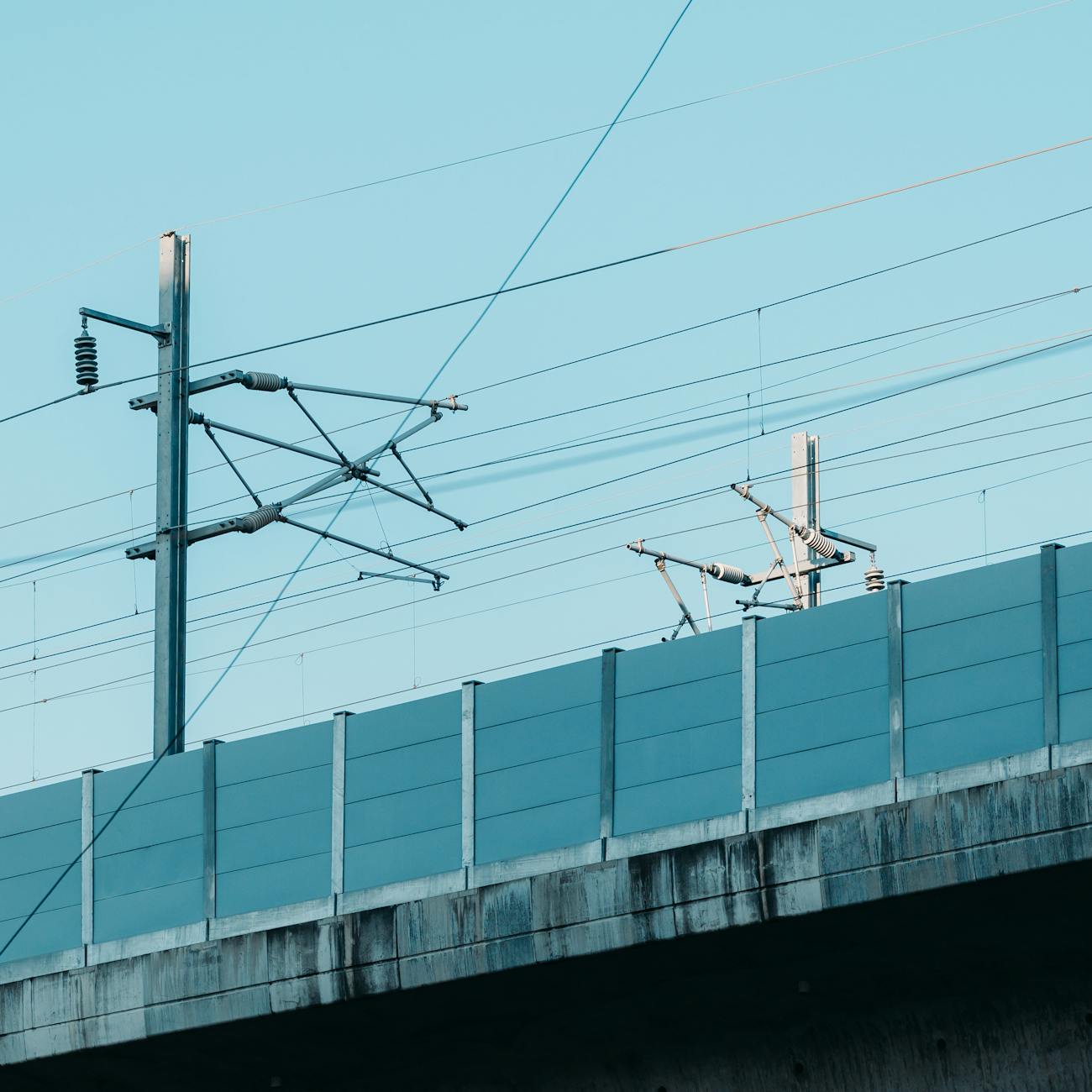
Power System Protection and Switchgear are crucial components of a power system, ensuring its safe and reliable operation. In this explanation, we will discuss key terms and vocabulary related to these concepts, focusing on their importance, practical applications, and challenges.
Power System Protection:
1. Faults: Faults refer to abnormal conditions in a power system, such as short-circuits, overloads, or ground faults, which can cause damage to equipment or pose a risk to personnel. 2. Protection Relay: A protection relay is a device that detects faults in a power system and initiates a trip signal to isolate the faulted section, preventing further damage. 3. Overcurrent Protection: Overcurrent protection is a type of protection that detects and isolates faults caused by excessive current flow in a power system. 4. Distance Protection: Distance protection is a type of protection that detects faults based on the impedance of the faulted section, providing faster and more accurate protection than overcurrent protection. 5. Directional Protection: Directional protection is a type of protection that detects faults based on the direction of current flow, allowing for selective protection of specific sections of a power system. 6. Permissive Overreaching Transfer Trip (POTT): POTT is a type of protection that allows for the coordinated tripping of multiple lines in a power system, preventing overloads and ensuring system stability. 7. Zone Interlocking: Zone interlocking is a type of protection that prevents the simultaneous tripping of multiple lines, ensuring system stability and preventing blackouts. 8. Backup Protection: Backup protection is a type of protection that provides redundant protection in case of failure of the primary protection system, ensuring system reliability.
Switchgear:
1. Switchgear: Switchgear refers to the electrical equipment used for controlling, protecting, and isolating electrical circuits in a power system. 2. Circuit Breaker: A circuit breaker is a switching device that can interrupt the flow of current in a power system in case of a fault, providing protection and isolation. 3. Fuse: A fuse is a protective device that interrupts the flow of current in a power system in case of an overcurrent fault, providing protection and isolation. 4. Isolator: An isolator is a switching device used for isolating a section of a power system from the rest of the system, allowing for maintenance or repair. 5. Load Break Switch: A load break switch is a switching device used for switching live circuits under normal operating conditions, allowing for the safe and reliable operation of a power system. 6. Current Transformer (CT): A current transformer is a device used for measuring and monitoring the current flow in a power system, providing data for protection and control. 7. Voltage Transformer (VT): A voltage transformer is a device used for measuring and monitoring the voltage level in a power system, providing data for protection and control. 8. Protection and Control Relay: A protection and control relay is a device used for monitoring, protecting, and controlling a power system, providing fast and accurate responses to faults and other abnormal conditions.
Examples and Practical Applications:
Power System Protection:
* A power system experiences a short-circuit fault, and the protection relay detects the fault and initiates a trip signal, isolating the faulted section and preventing further damage. * Overcurrent protection is used to detect and isolate faults caused by excessive current flow, providing protection for equipment and personnel. * Distance protection is used to detect faults based on the impedance of the faulted section, providing faster and more accurate protection than overcurrent protection. * Directional protection is used to detect faults based on the direction of current flow, allowing for selective protection of specific sections of a power system. * Permissive Overreaching Transfer Trip (POTT) is used to allow for the coordinated tripping of multiple lines in a power system, preventing overloads and ensuring system stability. * Zone interlocking is used to prevent the simultaneous tripping of multiple lines, ensuring system stability and preventing blackouts.
Switchgear:
* A circuit breaker is used to interrupt the flow of current in a power system in case of a fault, providing protection and isolation. * A fuse is used to interrupt the flow of current in a power system in case of an overcurrent fault, providing protection and isolation. * An isolator is used for isolating a section of a power system from the rest of the system, allowing for maintenance or repair. * A load break switch is used for switching live circuits under normal operating conditions, allowing for the safe and reliable operation of a power system. * Current and voltage transformers are used for measuring and monitoring the current and voltage levels in a power system, providing data for protection and control. * A protection and control relay is used for monitoring, protecting, and controlling a power system, providing fast and accurate responses to faults and other abnormal conditions.
Challenges:
Power System Protection:
* Coordination of protection relays is crucial to ensure selective protection and prevent unnecessary tripping of healthy sections of the power system. * Distance protection can be affected by changing system conditions, such as changes in load or fault impedance. * Directional protection can be affected by changing system conditions, such as changes in power flow or system configuration.
Switchgear:
* Circuit breakers and other switchgear components must be properly maintained and tested to ensure reliable and safe operation. * Switchgear components must be properly rated and selected to match the power system conditions and requirements. * Switchgear components must be properly coordinated to ensure reliable and selective operation, preventing unnecessary tripping of healthy sections of the power system.
Conclusion:
Power System Protection and Switchgear are essential components of a power system, ensuring its safe and reliable operation. Understanding key terms and vocabulary related to these concepts is crucial for engineers and technicians working in the power industry. By understanding the importance, practical applications, and challenges related to Power System Protection and Switchgear, professionals can ensure the safe and reliable operation of power systems, preventing damage to equipment and ensuring the safety of personnel.
Key takeaways
- In this explanation, we will discuss key terms and vocabulary related to these concepts, focusing on their importance, practical applications, and challenges.
- Distance Protection: Distance protection is a type of protection that detects faults based on the impedance of the faulted section, providing faster and more accurate protection than overcurrent protection.
- Protection and Control Relay: A protection and control relay is a device used for monitoring, protecting, and controlling a power system, providing fast and accurate responses to faults and other abnormal conditions.
- * A power system experiences a short-circuit fault, and the protection relay detects the fault and initiates a trip signal, isolating the faulted section and preventing further damage.
- * A protection and control relay is used for monitoring, protecting, and controlling a power system, providing fast and accurate responses to faults and other abnormal conditions.
- * Coordination of protection relays is crucial to ensure selective protection and prevent unnecessary tripping of healthy sections of the power system.
- * Switchgear components must be properly coordinated to ensure reliable and selective operation, preventing unnecessary tripping of healthy sections of the power system.