
Materials and Techniques of Mid-Century Modern Construction
Mid-Century Modern (MCM) construction is a style that emerged in the mid-20th century, roughly from the 1940s to the 1960s. It is characterized by clean lines, simple forms, and a focus on functionality and new materials and techniques deve…
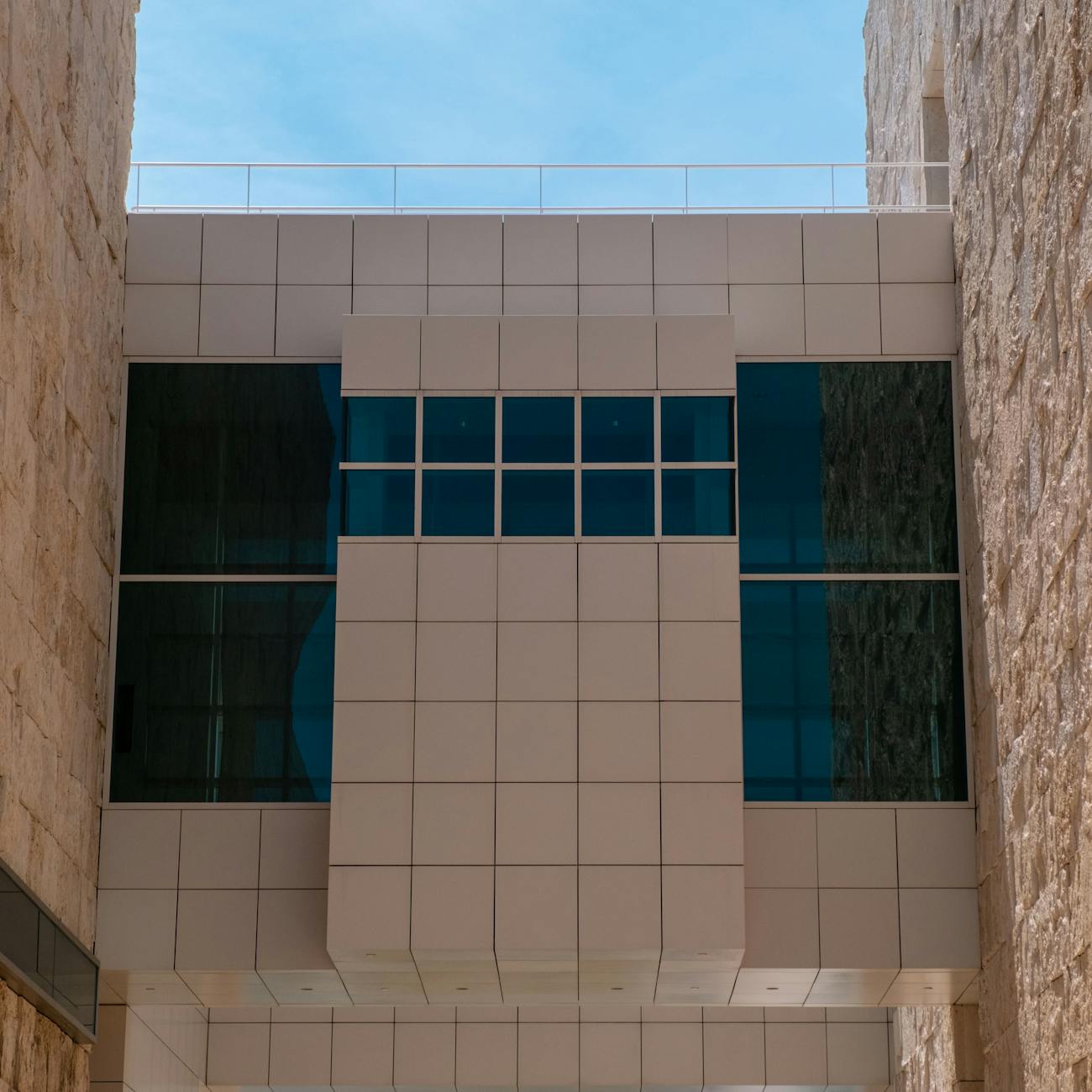
Mid-Century Modern (MCM) construction is a style that emerged in the mid-20th century, roughly from the 1940s to the 1960s. It is characterized by clean lines, simple forms, and a focus on functionality and new materials and techniques developed during this time period. Here are some key terms and vocabulary related to the materials and techniques of MCM construction:
1. Post-and-Beam Construction: This is a type of framing system where the structural components are made up of vertical posts and horizontal beams, creating an open and spacious interior. This system allows for large windows and open floor plans, which are hallmarks of MCM design. 2. Plate Glass: Large, flat sheets of glass that were widely used in MCM construction to create expansive windows and glass walls. Plate glass is made by pouring molten glass onto a flat surface and then cooling it slowly. 3. Butterfly Roof: A type of roof where two opposing sides slope down to a central point, creating a butterfly-like shape. This design allows for the collection of rainwater and is often used in MCM homes to create a modern and distinctive appearance. 4. Breeze Block: Concrete blocks with a decorative pattern that were widely used in MCM construction for walls and screens. Breeze blocks allow for the passage of air and light while providing privacy and sun protection. 5. Steel Frame: A structural system made of steel beams and columns, often used in MCM construction to create large, open interior spaces. Steel frames are strong, durable, and fire-resistant, making them an ideal choice for modernist architecture. 6. Plywood: Thin layers of wood veneer glued together to create a strong, lightweight, and flexible material. Plywood was widely used in MCM construction for cabinetry, furniture, and interior finishes. 7. Cantilever: A structural element that extends beyond its support, creating an overhang. Cantilevers are often used in MCM construction to create floating staircases, balconies, and roofs. 8. Formica: A type of laminate material made of layers of paper and resin, often used in MCM construction for countertops, cabinets, and furniture. Formica is durable, easy to clean, and comes in a variety of colors and patterns. 9. Anodized Aluminum: Aluminum that has been treated with a chemical process to create a durable, corrosion-resistant surface. Anodized aluminum was widely used in MCM construction for window frames, siding, and roofing. 10. Radiant Heat: A type of heating system that uses hot water or electric coils to heat the floors or ceilings, providing a comfortable and energy-efficient way to heat a space. Radiant heat was often used in MCM construction to create a cozy and modern living environment. 11. Structural Insulated Panels (SIPs): A type of building panel made of insulation sandwiched between two layers of oriented strand board (OSB). SIPs are strong, lightweight, and energy-efficient, making them an ideal choice for MCM construction. 12. Glulam: Glued laminated timber, a type of engineered wood made of layers of lumber glued together to create a strong, stable, and sustainable building material. Glulam was widely used in MCM construction for beams, columns, and roof trusses. 13. Thermally Broken Windows: Windows that have a thermal barrier between the inner and outer frames, reducing heat transfer and improving energy efficiency. Thermally broken windows were often used in MCM construction to create a modern and sustainable living environment. 14. Polystyrene Insulation: A type of insulation made of expanded polystyrene beads, often used in MCM construction for wall and roof insulation. Polystyrene insulation is lightweight, durable, and provides excellent thermal performance. 15. Vinyl Siding: A type of exterior cladding made of polyvinyl chloride (PVC), often used in MCM construction for its durability, low maintenance, and versatility. Vinyl siding comes in a variety of colors and styles, making it a popular choice for modernist architecture. 16. Ranch Style: A type of house design that is single-story, with a low-pitched roof and an open floor plan. Ranch-style homes were popular in MCM construction for their simplicity, functionality, and connection to the outdoors. 17. Atomic Ranch: A subtype of ranch-style homes that are characterized by their sleek, minimalist design, flat or low-pitched roofs, and large windows. Atomic ranch homes were popular in MCM construction for their modernist aesthetic and connection to the natural environment.
In summary, Mid-Century Modern construction is characterized by its use of innovative materials and techniques to create a modern, functional, and sustainable living environment. From post-and-beam construction to anodized aluminum and polystyrene insulation, these materials and techniques were used to create a new architectural language that was distinctly modern and forward-thinking. Understanding these key terms and vocabulary is essential for anyone interested in the restoration of MCM buildings, as it provides a foundation for understanding the unique challenges and opportunities presented by this style of construction.
Some practical applications of this knowledge include the ability to identify and assess the condition of MCM buildings, to specify appropriate materials and techniques for restoration projects, and to develop strategies for preserving the original character and integrity of these buildings. Challenges in MCM restoration include working with limited availability of original materials, balancing modern energy efficiency requirements with the original design intent, and ensuring that restoration work is sensitive to the historical and cultural significance of these buildings.
To further explore the materials and techniques of Mid-Century Modern construction, we recommend researching the work of notable MCM architects and builders, such as Joseph Eichler, Charles and Ray Eames, and Richard Neutra. These architects and builders were pioneers in the use of new materials and techniques in MCM construction, and their work continues to inspire and inform contemporary architecture and design. Additionally, there are many online resources and forums dedicated to MCM restoration, which can provide valuable information and support for those interested in this field.
In conclusion, understanding the materials and techniques of Mid-Century Modern construction is essential for anyone involved in the restoration of MCM buildings. By familiarizing yourself with key terms and concepts, such as post-and-beam construction, plate glass, and thermally broken windows, you can develop the knowledge and skills needed to preserve the original character and integrity of these buildings, while also ensuring their continued viability and sustainability for future generations. Whether you are a professional architect, contractor, or DIY enthusiast, the restoration of MCM buildings offers a unique and rewarding opportunity to engage with this rich and vibrant architectural legacy, and to contribute to its ongoing evolution and adaptation in the 21st century.
Key takeaways
- It is characterized by clean lines, simple forms, and a focus on functionality and new materials and techniques developed during this time period.
- Post-and-Beam Construction: This is a type of framing system where the structural components are made up of vertical posts and horizontal beams, creating an open and spacious interior.
- From post-and-beam construction to anodized aluminum and polystyrene insulation, these materials and techniques were used to create a new architectural language that was distinctly modern and forward-thinking.
- To further explore the materials and techniques of Mid-Century Modern construction, we recommend researching the work of notable MCM architects and builders, such as Joseph Eichler, Charles and Ray Eames, and Richard Neutra.
- In conclusion, understanding the materials and techniques of Mid-Century Modern construction is essential for anyone involved in the restoration of MCM buildings.