
Canine Health and Wellness
Canine Health and Wellness is a critical area of study in the Professional Certificate in Canine Massage Therapy. It involves understanding the various factors that contribute to a dog's overall health and well-being, including proper nutri…
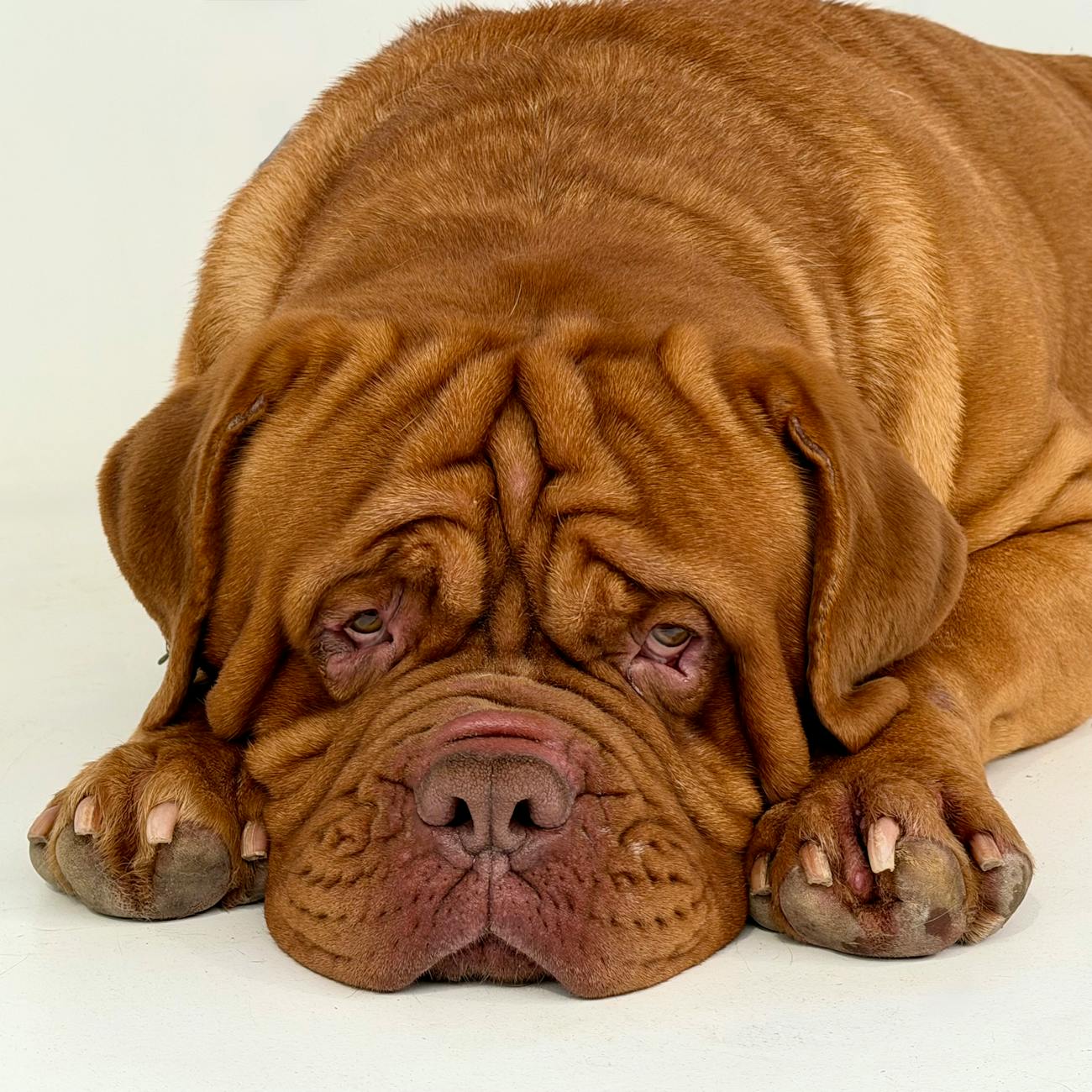
Canine Health and Wellness is a critical area of study in the Professional Certificate in Canine Massage Therapy. It involves understanding the various factors that contribute to a dog's overall health and well-being, including proper nutrition, exercise, grooming, and veterinary care. In this explanation, we will discuss some of the key terms and vocabulary related to canine health and wellness.
1. Nutrition: Proper nutrition is essential for a dog's health and well-being. A balanced diet that meets a dog's nutritional needs is critical for maintaining a healthy weight, promoting healthy skin and coat, supporting immune system function, and preventing chronic diseases. Dogs require a diet that includes proteins, carbohydrates, fats, vitamins, and minerals.
Example: A high-quality dog food that meets the Association of American Feed Control Officials (AAFCO) standards for nutritional adequacy is an excellent choice for most dogs. It is important to feed dogs the appropriate amount of food based on their age, weight, and activity level to prevent obesity.
Practical Application: As a canine massage therapist, it is essential to understand the role of nutrition in a dog's health and well-being. You can work with pet owners to promote proper nutrition by recommending high-quality dog food, providing resources on canine nutrition, and encouraging regular exercise.
Challenge: Develop a handout on canine nutrition that includes information on the essential nutrients dogs need, how to choose a high-quality dog food, and tips for preventing obesity.
2. Exercise: Regular exercise is crucial for a dog's physical and mental health. It helps maintain a healthy weight, promotes cardiovascular health, strengthens muscles and bones, and reduces behavioral problems.
Example: Daily walks, playtime, and dog sports such as agility, flyball, and frisbee are excellent forms of exercise for dogs.
Practical Application: As a canine massage therapist, you can encourage pet owners to provide their dogs with regular exercise. You can also suggest dog-friendly activities and locations in the area, such as dog parks or hiking trails.
Challenge: Create a list of dog-friendly activities and locations in your area that you can share with pet owners.
3. Grooming: Proper grooming is essential for a dog's health and well-being. It helps maintain a healthy coat and skin, prevents matting and hairballs, and reduces the risk of skin infections.
Example: Regular brushing, bathing, nail trimming, and ear cleaning are all essential grooming tasks.
Practical Application: As a canine massage therapist, you can educate pet owners on proper grooming techniques and the importance of regular grooming. You can also recommend grooming tools and products that are safe and effective for dogs.
Challenge: Develop a grooming guide for pet owners that includes information on brushing, bathing, nail trimming, and ear cleaning.
4. Veterinary Care: Regular veterinary care is critical for preventing and treating diseases and maintaining a dog's overall health and well-being.
Example: Regular veterinary visits, vaccinations, parasite prevention, and dental care are all essential components of veterinary care.
Practical Application: As a canine massage therapist, you can encourage pet owners to seek regular veterinary care for their dogs. You can also provide resources on veterinary clinics and hospitals in the area.
Challenge: Develop a resource guide for pet owners that includes information on veterinary clinics and hospitals in your area, as well as tips for preparing for veterinary visits.
5. Massage Therapy: Canine massage therapy is a complementary therapy that can help promote a dog's health and well-being. It involves manipulating a dog's muscles and soft tissues to improve circulation, reduce tension, and promote relaxation.
Example: Canine massage therapy can be used to treat a variety of conditions, including arthritis, hip dysplasia, and anxiety.
Practical Application: As a canine massage therapist, you can use your skills and knowledge to promote a dog's health and well-being. You can work with pet owners to develop a customized massage therapy plan that meets their dog's needs.
Challenge: Develop a massage therapy plan for a dog with arthritis that includes techniques for reducing pain and inflammation, improving mobility, and promoting relaxation.
6. Anatomy: Understanding canine anatomy is essential for canine massage therapists. It involves knowing the location and function of a dog's muscles, bones, and other structures.
Example: The iliopsoas muscle is a hip flexor muscle that is often tight in dogs with hip dysplasia.
Practical Application: As a canine massage therapist, you can use your knowledge of canine anatomy to identify areas of tension and discomfort in dogs. You can also use this knowledge to develop customized massage therapy plans that target specific muscles and structures.
Challenge: Create a diagram that labels the major muscles and bones of a dog's body.
7. Physiology: Understanding canine physiology is also essential for canine massage therapists. It involves knowing how a dog's body functions and responds to massage therapy.
Example: Massage therapy can increase circulation, which can help reduce inflammation and promote healing.
Practical Application: As a canine massage therapist, you can use your knowledge of canine physiology to develop massage therapy plans that target specific physiological responses.
Challenge: Develop a massage therapy plan that targets the circulatory system in a dog with arthritis.
8. Pathology: Understanding canine pathology is important for canine massage therapists. It involves knowing how diseases and conditions affect a dog's body and how they may respond to massage therapy.
Example: Massage therapy should be avoided in dogs with certain conditions, such as cancer or infectious diseases.
Practical Application: As a canine massage therapist, you can use your knowledge of canine pathology to identify conditions that may contraindicate massage therapy. You can also work with veterinarians to develop safe and effective massage therapy plans for dogs with chronic conditions.
Challenge: Develop a list of conditions that may contraindicate massage therapy and how to modify massage therapy plans for dogs with these conditions.
9. Safety: Safety is paramount in canine massage therapy. It involves taking precautions to prevent injury to both the therapist and the dog.
Example: Proper body mechanics, using appropriate massage techniques, and using protective gear, such as gloves and towels, are all important safety measures.
Practical Application: As a canine massage therapist, you can use your knowledge of safety measures to prevent injury to yourself and the dog.
Challenge: Develop a safety checklist for canine massage therapy sessions that includes proper body mechanics, using appropriate massage techniques, and using protective gear.
10. Professionalism: Professionalism is essential in canine massage therapy. It involves maintaining high ethical standards, continuing education, and building positive relationships with pet owners and veterinarians.
Example: Maintaining confidentiality, obtaining informed consent, and providing high-quality services are all important aspects of professionalism.
Practical Application: As a canine massage therapist, you can use your professionalism to build trust with pet owners and veterinarians, which can lead to referrals and repeat business.
Challenge: Develop a code of ethics for canine massage therapists that includes maintaining confidentiality, obtaining informed consent, and providing high-quality services.
In conclusion, canine health and wellness is a critical area of study in the Professional Certificate in Canine Massage Therapy. Understanding the key terms and vocabulary related to canine health and wellness can help canine massage therapists promote a dog's health and well-being. By focusing on proper nutrition, exercise, grooming, veterinary care, massage therapy, anatomy, physiology, pathology, safety, and
Key takeaways
- It involves understanding the various factors that contribute to a dog's overall health and well-being, including proper nutrition, exercise, grooming, and veterinary care.
- A balanced diet that meets a dog's nutritional needs is critical for maintaining a healthy weight, promoting healthy skin and coat, supporting immune system function, and preventing chronic diseases.
- Example: A high-quality dog food that meets the Association of American Feed Control Officials (AAFCO) standards for nutritional adequacy is an excellent choice for most dogs.
- You can work with pet owners to promote proper nutrition by recommending high-quality dog food, providing resources on canine nutrition, and encouraging regular exercise.
- Challenge: Develop a handout on canine nutrition that includes information on the essential nutrients dogs need, how to choose a high-quality dog food, and tips for preventing obesity.
- It helps maintain a healthy weight, promotes cardiovascular health, strengthens muscles and bones, and reduces behavioral problems.
- Example: Daily walks, playtime, and dog sports such as agility, flyball, and frisbee are excellent forms of exercise for dogs.