
International Labor Standards and Human Rights
International Labor Standards (ILS) are a set of standards that aim to promote and protect workers' rights around the world. These standards are established by international organizations such as the International Labour Organization (ILO) …
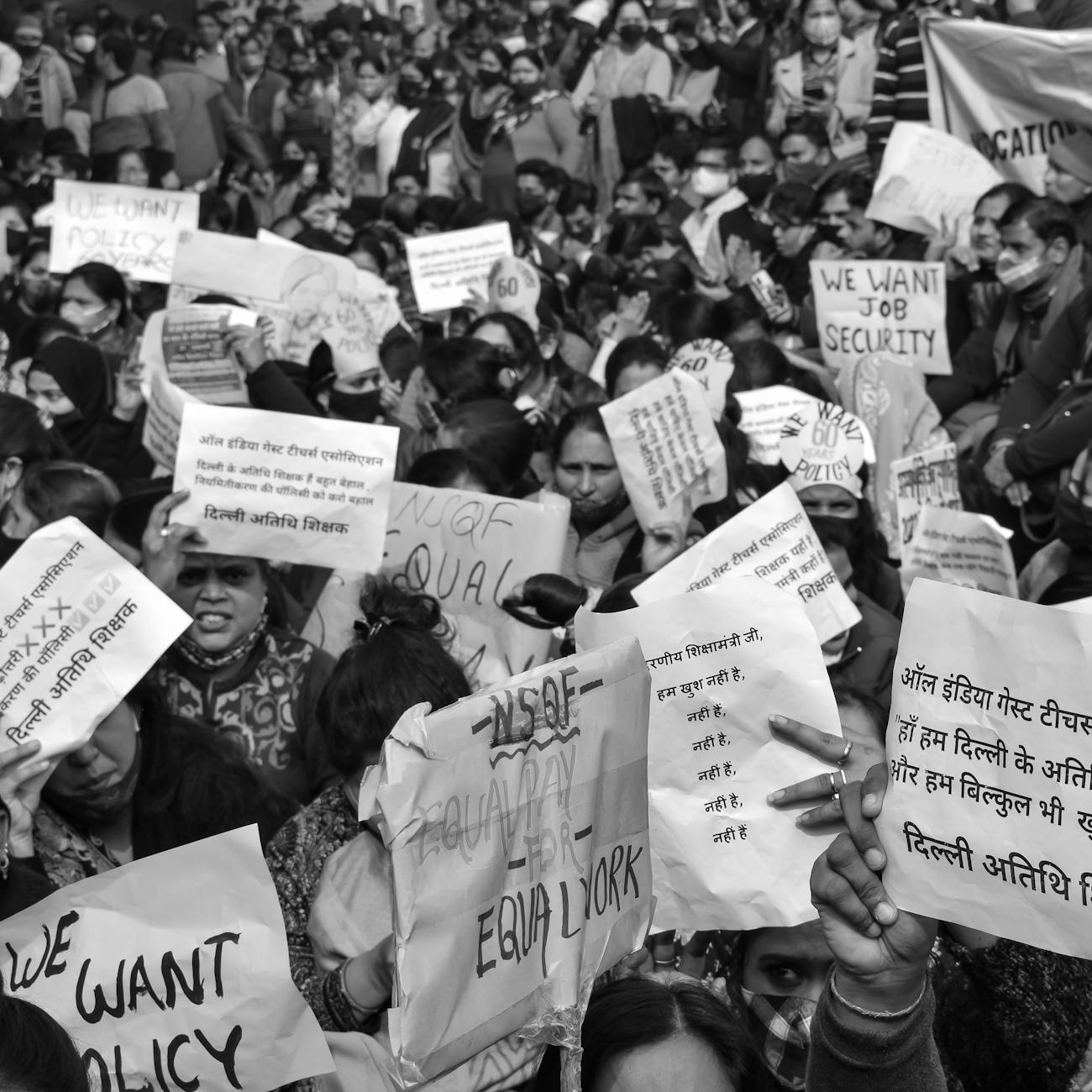
International Labor Standards (ILS) are a set of standards that aim to promote and protect workers' rights around the world. These standards are established by international organizations such as the International Labour Organization (ILO) and are based on conventions, recommendations, and principles that have been agreed upon by governments, employers, and workers from different countries.
Human rights are fundamental rights and freedoms that are inherent to all human beings, regardless of their nationality, sex, ethnicity, religion, or any other status. Human rights include civil and political rights, such as the right to life, liberty, and freedom of expression, as well as social, economic, and cultural rights, such as the right to education, health, and decent working conditions.
The ILO is a tripartite organization that brings together representatives from governments, employers, and workers to promote social justice and promote decent work for all. The ILO has established a system of international labor standards that includes over 180 conventions and 200 recommendations. These standards cover a wide range of issues, including freedom of association, collective bargaining, discrimination, child labor, forced labor, and working hours.
Conventions are legal instruments that are binding on the states that ratify them. Once a convention is ratified, the state is obligated to implement its provisions and report regularly to the ILO on its compliance. Recommendations, on the other hand, are non-binding and provide guidelines and best practices for states to follow.
The ILO's supervisory system is responsible for monitoring compliance with international labor standards. This system includes two main mechanisms: the Committee of Experts on the Application of Conventions and Recommendations (CEACR) and the Conference Committee on the Application of Standards (CAS). The CEACR is an independent body composed of legal experts who review reports submitted by states on their implementation of conventions and recommendations. The CAS is a political body that examines the observations and comments of the CEACR and makes recommendations to the ILO's International Labour Conference.
In addition to the ILO, other international organizations also play a role in promoting and protecting human rights and international labor standards. For example, the United Nations (UN) has established a number of human rights treaties, such as the International Covenant on Civil and Political Rights and the International Covenant on Economic, Social, and Cultural Rights, which protect a wide range of human rights. The UN also has a number of mechanisms for monitoring compliance with these treaties, including the Human Rights Council and the Universal Periodic Review.
Another important international organization is the International Organization of Employers (IOE), which represents the interests of employers at the international level. The IOE works closely with the ILO and other international organizations to promote decent work and protect the rights of employers.
Practical Applications and Challenges
One practical application of international labor standards is in the area of supply chain management. Many companies have committed to respecting human rights and international labor standards in their supply chains, and have put in place policies and procedures to ensure that their suppliers are compliant. For example, a company may require its suppliers to comply with certain conventions or recommendations, or may conduct audits to ensure compliance.
Another practical application is in the area of labor migration. International labor standards can provide guidance on the treatment of migrant workers and help ensure that they are protected from discrimination and exploitation. The ILO has established a number of conventions and recommendations on labor migration, including the Migration for Employment Convention (Revised), 1949 (No. 97) and the Migrant Workers (Supplementary Provisions) Convention, 1975 (No. 143).
However, there are also challenges in implementing and enforcing international labor standards. One challenge is the lack of resources and capacity in some countries to effectively implement and enforce these standards. Another challenge is the fact that many countries have not ratified key conventions, or have not implemented them effectively. Additionally, some countries may have cultural or religious practices that are incompatible with certain international labor standards.
Examples
One example of the implementation of international labor standards is the elimination of child labor. The ILO has established a number of conventions and recommendations on child labor, including the Minimum Age Convention, 1973 (No. 138) and the Worst Forms of Child Labor Convention, 1999 (No. 182). These conventions set minimum ages for employment and prohibit the worst forms of child labor, such as forced labor and hazardous work.
Another example is the promotion of gender equality. The ILO has established a number of conventions and recommendations on gender equality, including the Equal Remuneration Convention, 1951 (No. 100) and the Discrimination (Employment and Occupation) Convention, 1958 (No. 111). These conventions prohibit discrimination in employment and occupation on the grounds of sex and require equal pay for work of equal value.
Conclusion
International labor standards and human rights are crucial for promoting social justice and protecting the rights of workers around the world. International organizations such as the ILO and the UN have established a system of standards and mechanisms for monitoring compliance, and many countries have committed to implementing these standards. However, there are also challenges in implementing and enforcing these standards, and more needs to be done to ensure that all workers are protected. Companies, governments, and civil society organizations all have a role to play in promoting and protecting international labor standards and human rights.
Key takeaways
- International Labor Standards (ILS) are a set of standards that aim to promote and protect workers' rights around the world.
- Human rights include civil and political rights, such as the right to life, liberty, and freedom of expression, as well as social, economic, and cultural rights, such as the right to education, health, and decent working conditions.
- The ILO is a tripartite organization that brings together representatives from governments, employers, and workers to promote social justice and promote decent work for all.
- Once a convention is ratified, the state is obligated to implement its provisions and report regularly to the ILO on its compliance.
- This system includes two main mechanisms: the Committee of Experts on the Application of Conventions and Recommendations (CEACR) and the Conference Committee on the Application of Standards (CAS).
- The UN also has a number of mechanisms for monitoring compliance with these treaties, including the Human Rights Council and the Universal Periodic Review.
- Another important international organization is the International Organization of Employers (IOE), which represents the interests of employers at the international level.