
Spa Management and Leadership
Spa Management and Leadership is a comprehensive field that requires a deep understanding of various key terms and vocabulary. Here are some of the most important terms and concepts in spa management, along with explanations, examples, prac…
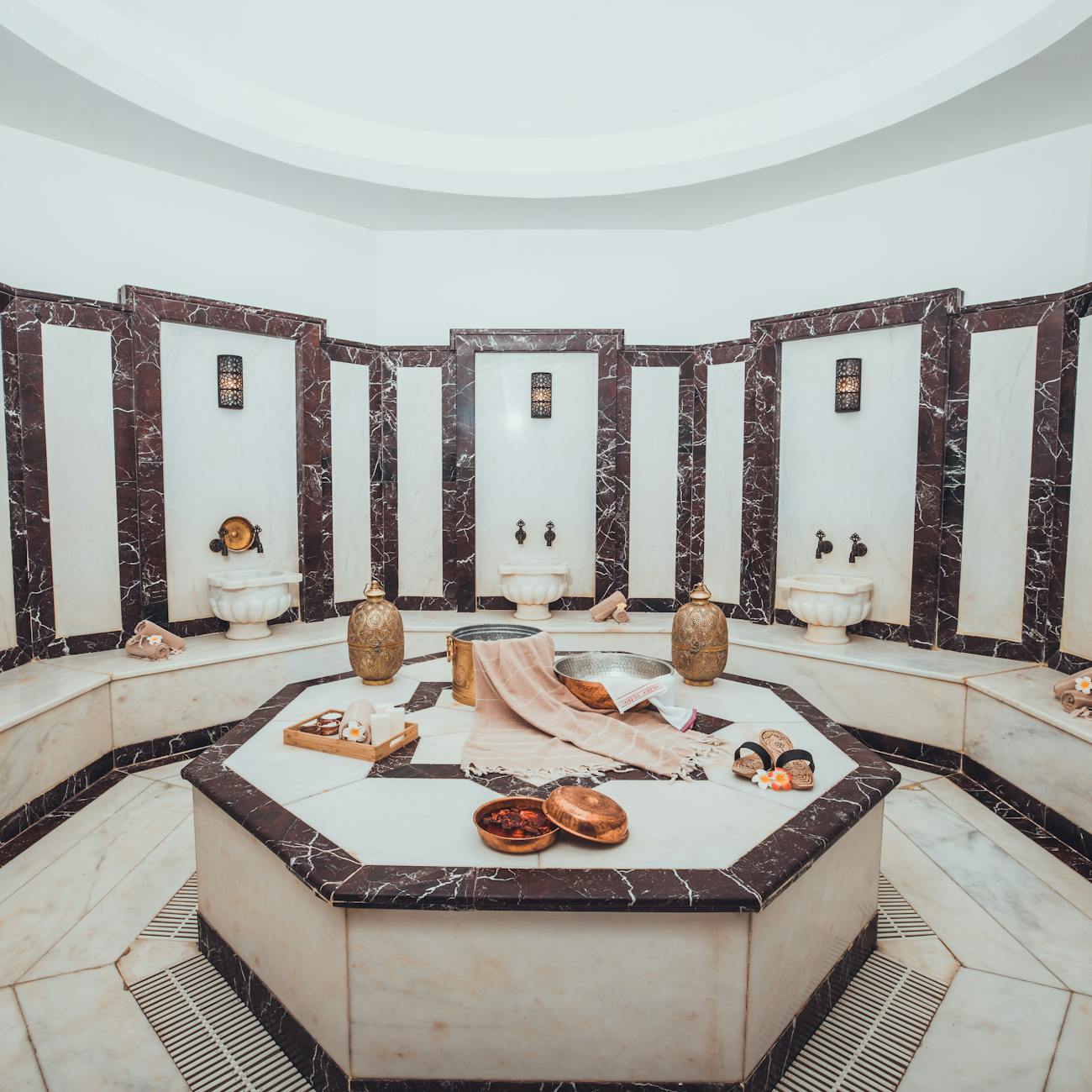
Spa Management and Leadership is a comprehensive field that requires a deep understanding of various key terms and vocabulary. Here are some of the most important terms and concepts in spa management, along with explanations, examples, practical applications, and challenges.
1. Spa: A spa is a place dedicated to the overall well-being through a variety of professional services that encourage the renewal of body, mind, and spirit. It is a commercial establishment offering health through water-based treatments, such as massage, exercise, and hydrotherapy. 2. Spa Management: Spa management is the practice of overseeing the operations and administration of a spa facility. It involves managing staff, finances, marketing, and customer service to ensure the spa runs smoothly and efficiently. 3. Leadership: Leadership is the ability to guide, inspire, and influence others to achieve a common goal. In spa management, leadership involves creating a vision for the spa, setting goals and objectives, and motivating staff to achieve those goals. 4. Customer Service: Customer service is the assistance and advice provided by a company to those people who buy or use its products or services. In spa management, customer service involves providing a positive and memorable experience for spa guests, addressing their needs and concerns, and ensuring their satisfaction. 5. Financial Management: Financial management is the process of planning, organizing, directing, and controlling the financial activities of a business or organization. In spa management, financial management involves creating and managing budgets, tracking expenses, and maximizing revenue. 6. Marketing: Marketing is the process of identifying, anticipating, and satisfying customer needs and wants through the creation, promotion, and distribution of products or services. In spa management, marketing involves promoting the spa's services, attracting new customers, and retaining existing ones. 7. Human Resources: Human resources is the department within a business or organization that is responsible for recruiting, hiring, and training employees, as well as managing employee relations, benefits, and compensation. In spa management, human resources involves recruiting and hiring qualified staff, providing training and development opportunities, and managing employee performance. 8. Spa Operations: Spa operations refer to the day-to-day activities involved in running a spa, including scheduling appointments, managing inventory, and maintaining equipment. 9. Spa Treatments: Spa treatments are the services offered by a spa, such as massages, facials, and body treatments. These treatments are designed to promote relaxation, rejuvenation, and well-being. 10. Retail: Retail is the sale of goods to the public for personal or household consumption. In spa management, retail involves selling spa-related products, such as skincare products, candles, and bath salts. 11. Spa Etiquette: Spa etiquette refers to the rules and expectations for behavior in a spa setting. This includes things like arriving on time for appointments, turning off electronic devices, and being respectful of other guests and staff. 12. Health and Safety: Health and safety are critical components of spa management. This involves ensuring that all spa treatments and equipment are safe and hygienic, that staff are trained in first aid and emergency procedures, and that guests are informed of any risks associated with spa treatments. 13. Sustainability: Sustainability is an essential consideration in spa management. This involves using environmentally friendly products and practices, reducing energy and water consumption, and promoting sustainable tourism. 14. Revenue Management: Revenue management is the process of maximizing revenue from spa services and retail sales. This involves analyzing data, setting prices, and making strategic decisions about promotions and discounts. 15. Social Media: Social media is a powerful tool for spa marketing and customer engagement. This involves creating and managing social media accounts, posting updates and promotions, and engaging with followers. 16. Guest Feedback: Guest feedback is essential for improving spa services and guest satisfaction. This involves collecting and analyzing feedback from guests, responding to concerns and complaints, and making necessary improvements. 17. Spa Software: Spa software is a tool for managing spa operations, including scheduling appointments, managing client records, and tracking revenue. 18. Staff Training: Staff training is essential for ensuring that spa staff are knowledgeable, skilled, and motivated. This involves providing ongoing training and development opportunities, setting performance goals, and providing feedback and coaching. 19. Spa Policies: Spa policies are the rules and guidelines for spa operations, including cancellation policies, dress codes, and payment procedures. 20. Spa Trends: Spa trends are the latest developments and innovations in the spa industry, such as new treatments, technologies, and design concepts. Staying up-to-date with spa trends is essential for staying competitive and providing the best possible guest experience.
In conclusion, spa management and leadership require a deep understanding of key terms and vocabulary. By understanding these terms and concepts, spa managers and leaders can create a vision for their spa, set goals and objectives, and motivate staff to achieve those goals. They can also provide excellent customer service, manage finances, market the spa, and ensure health and safety. By staying up-to-date with spa trends and continuously improving their skills and knowledge, spa managers and leaders can provide an exceptional guest experience and achieve long-term success.
Key takeaways
- Here are some of the most important terms and concepts in spa management, along with explanations, examples, practical applications, and challenges.
- Human Resources: Human resources is the department within a business or organization that is responsible for recruiting, hiring, and training employees, as well as managing employee relations, benefits, and compensation.
- By staying up-to-date with spa trends and continuously improving their skills and knowledge, spa managers and leaders can provide an exceptional guest experience and achieve long-term success.