
Interprofessional Collaboration and Communication
Interprofessional collaboration refers to the process by which professionals from different health disciplines work together to deliver comprehensive, coordinated, and patient‑focused care. In the context of nursing administration and leade…
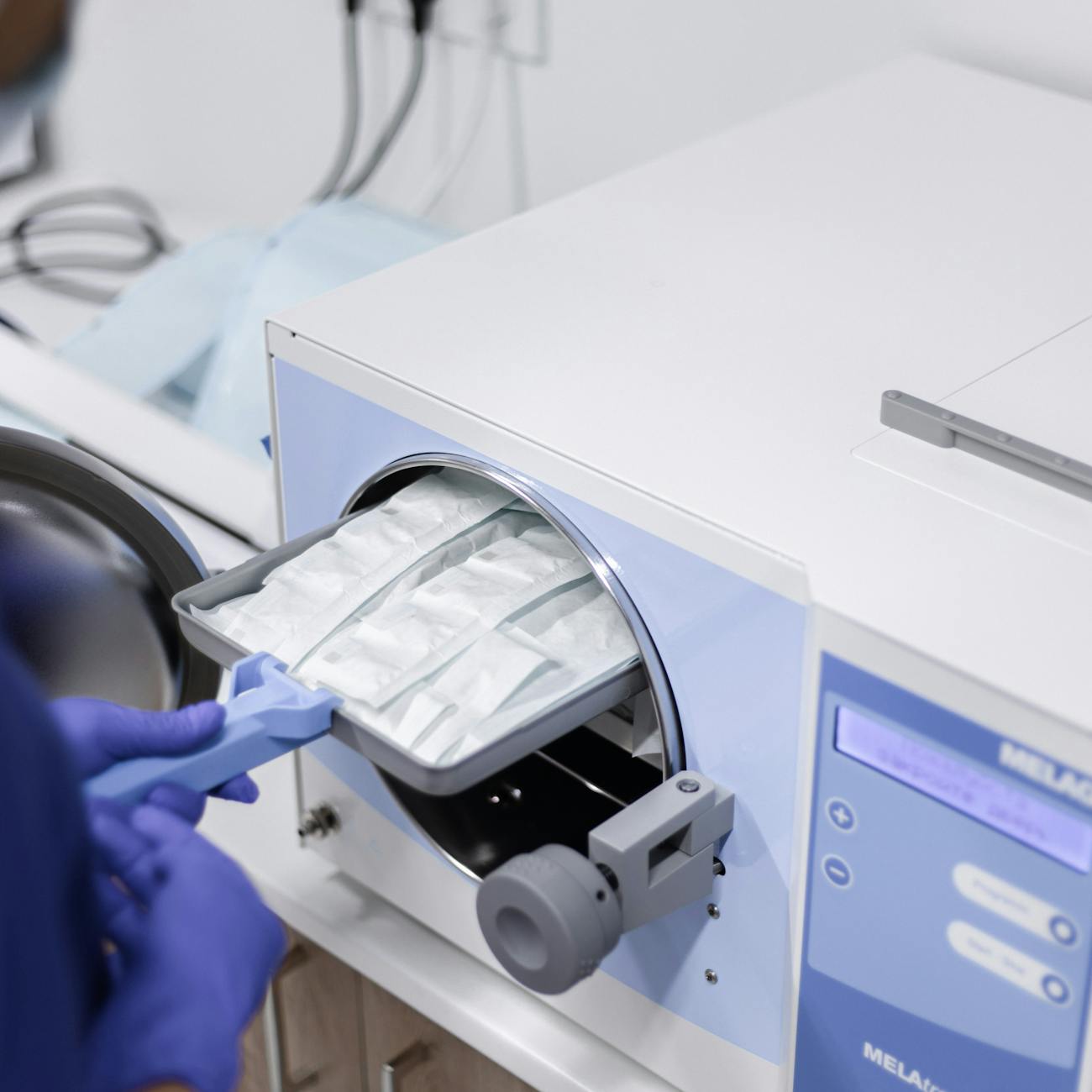
Interprofessional collaboration refers to the process by which professionals from different health disciplines work together to deliver comprehensive, coordinated, and patient‑focused care. In the context of nursing administration and leadership, understanding this term means recognizing that optimal health outcomes are achieved when nurses, physicians, pharmacists, social workers, therapists, and administrators share information, align goals, and make joint decisions. For example, a hospital unit that integrates a pharmacist into daily rounds can reduce medication errors by enabling real‑time drug‑interaction checks. Practical application of this concept requires leaders to create structures such as interdisciplinary committees, joint training sessions, and shared performance metrics. A common challenge is the persistence of professional silos, where each discipline operates independently, limiting the flow of information and reducing the efficiency of care delivery.
Communication is the exchange of information, ideas, and feelings between individuals or groups. Effective communication in health care must be clear, concise, and purposeful, ensuring that each team member understands their responsibilities and the patient’s needs. A practical illustration is the use of the SBAR (Situation, Background, Assessment, Recommendation) format during shift handoffs. When a nurse reports a deteriorating patient using SBAR, the receiving clinician quickly grasps the critical data, leading to timely interventions. Challenges to effective communication include hierarchical barriers, language differences, and varying levels of health literacy among team members.
Multidisciplinary team (MDT) is a group of health professionals from diverse fields who collaborate on patient care. In a cancer care setting, an MDT might include an oncologist, a nurse practitioner, a dietitian, a social worker, and a physiotherapist. Each member contributes specialized knowledge, but the team’s success hinges on shared goals and mutual respect. Leaders must facilitate regular MDT meetings, define clear agendas, and document decisions to maintain accountability. A frequent obstacle is the difficulty in aligning scheduling across professions, which can lead to missed meetings and fragmented care plans.
Role clarity refers to each professional’s understanding of their own responsibilities and the boundaries of their practice. When nurses know exactly what tasks fall within their scope—such as medication administration, patient education, and care coordination—they can perform confidently and avoid duplication of effort. Role clarity is promoted through orientation programs, competency checklists, and ongoing mentorship. Without it, professionals may overstep or underutilize their expertise, causing tension and inefficiency.
Scope of practice defines the procedures, actions, and processes that a health professional is permitted to perform based on licensure, education, and regulatory standards. For nurses, this includes activities like wound care, patient assessment, and delegation of tasks to support staff. Understanding the scope of practice is essential for administrators when assigning duties, especially in high‑acuity environments where rapid decision‑making is required. A challenge arises when institutional policies are ambiguous, leading staff to either limit their contributions unnecessarily or inadvertently assume tasks beyond their legal authority.
Patient‑centered care is an approach that places the individual’s preferences, values, and needs at the forefront of clinical decisions. In an interprofessional setting, this means that every team member—whether a nurse, physician, or allied health professional—must actively listen to the patient’s voice. For instance, during discharge planning, a nurse may coordinate with a social worker to arrange home health services that align with the patient’s cultural preferences and financial constraints. Barriers to patient‑centered care often include time pressures, standardized protocols that overlook personal nuances, and insufficient training in cultural competence.
Teamwork is the collaborative effort of a group to achieve a common goal. Effective teamwork in health care relies on trust, shared responsibility, and open communication. A practical example is a rapid response team that includes a critical‑care nurse, a respiratory therapist, and a physician. Each member contributes unique expertise, and the team’s coordinated actions can reverse a patient’s decline. However, challenges such as unclear leadership during emergencies, power differentials, and varying communication styles can impede seamless teamwork.
Shared decision‑making (SDM) is a process where clinicians and patients work together to choose a treatment plan based on clinical evidence and the patient’s preferences. In interprofessional contexts, SDM may involve a nurse explaining medication side effects, a pharmacist reviewing drug interactions, and a physician outlining therapeutic options. The collaborative nature of SDM enhances adherence and satisfaction. A common difficulty is ensuring that all professionals convey consistent information, as contradictory messages can confuse patients and erode trust.
Conflict resolution is the method by which disagreements are addressed and settled constructively. In health‑care teams, conflicts may arise from differing clinical opinions, resource allocation, or personal values. Effective resolution strategies include active listening, identifying underlying interests, and seeking mutually beneficial solutions. For example, a nurse and a physician may disagree on the timing of a diagnostic test; through a structured discussion, they might agree on a compromise that balances clinical urgency with patient comfort. Resistance to conflict resolution often stems from a culture that discourages open dialogue or fears of retaliation.
Communication barriers are obstacles that hinder the flow of information. These can be physical (e.G., Noisy environments), linguistic (e.G., Limited English proficiency), cultural (e.G., Differing norms about hierarchy), or technological (e.G., Incompatible electronic systems). Recognizing these barriers enables leaders to implement interventions such as translation services, standardized handoff tools, and training in cultural humility. Persistent barriers can lead to misinterpretations, delayed care, and increased risk of adverse events.
Active listening involves fully concentrating on the speaker, understanding their message, responding thoughtfully, and remembering key points. In interprofessional meetings, active listening ensures that each discipline’s perspective is valued. A nurse who practices active listening might paraphrase a physician’s orders to confirm understanding before acting, thereby reducing errors. The challenge lies in maintaining focus amid multitasking demands and high‑stress situations, which can cause lapses in attention.
Feedback is information provided to an individual about their performance, with the aim of reinforcing strengths and addressing areas for improvement. Constructive feedback in a collaborative setting promotes growth and enhances team function. For instance, after a simulated code scenario, a senior nurse might give feedback to a junior physician on communication clarity, while also highlighting the physician’s rapid decision‑making skill. Feedback must be timely, specific, and delivered in a respectful manner; otherwise, it may be perceived as criticism and diminish morale.
Assertiveness is the ability to express one’s thoughts, needs, and concerns openly and confidently while respecting others. In hierarchical environments, nurses often need to be assertive to advocate for patient safety. An example is a nurse who, upon noticing a medication dose error, promptly alerts the prescribing physician and documents the incident. Assertiveness training equips staff with techniques to voice concerns without fear of retribution, yet cultural norms that discourage speaking up can still impede its practice.
Delegation is the assignment of tasks from a higher‑level professional to a qualified subordinate, ensuring appropriate supervision and accountability. Effective delegation allows nurse leaders to maximize staff utilization while maintaining patient safety. For example, a charge nurse may delegate vital‑sign monitoring to a nursing assistant, while retaining responsibility for interpreting trends and notifying the RN. Delegation challenges include uncertainty about staff competence, fear of overburdening others, and unclear policies on task limits.
Empowerment refers to granting individuals the authority, resources, and confidence to make decisions and take action. In nursing administration, empowerment can be fostered through shared governance models, where staff nurses participate in policy development and quality‑improvement initiatives. When nurses feel empowered, they are more likely to engage in innovative problem‑solving and champion patient safety. Barriers to empowerment include restrictive managerial styles, limited access to data, and insufficient training.
Leadership styles encompass the approaches leaders use to influence and guide teams. Common styles in health care include transformational, transactional, and situational leadership. A transformational leader inspires staff by articulating a compelling vision for interprofessional collaboration, encouraging professional development, and recognizing achievements. Transactional leaders focus on clear expectations and rewards for meeting performance standards, while situational leaders adapt their approach based on the team’s readiness and the complexity of the task. Selecting the appropriate style can enhance collaboration, yet leaders may struggle to shift from a dominant style to a more flexible approach.
Transformational leadership emphasizes vision, inspiration, and personal development. Nurse administrators who practice transformational leadership might initiate a hospital‑wide interprofessional education program, encouraging staff to attend workshops on teamwork and communication. This style fosters a culture of continuous improvement and shared purpose. However, transformational leaders must balance enthusiasm with practical execution, as overly ambitious projects can overwhelm staff if resources are insufficient.
Situational leadership involves adjusting leadership behavior to the competence and commitment levels of team members. In a newly formed interprofessional task force, a leader may adopt a directing style initially, providing explicit instructions, and then transition to a coaching style as members gain confidence. This adaptability supports skill development and enhances team cohesion. The main difficulty is accurately assessing each member’s readiness, which requires ongoing observation and feedback.
Collaborative practice is the systematic partnership of health professionals who share responsibility for patient care, decision‑making, and outcomes. It is distinguished from simple cooperation by its deeper integration of expertise and joint accountability. In a collaborative practice model, a nurse and a pharmacist co‑manage chronic disease patients, jointly reviewing medication regimens and adjusting therapy based on patient response. Successful collaborative practice depends on formal agreements, shared protocols, and mutual trust. Barriers include regulatory restrictions, reimbursement structures that favor solo practice, and limited interprofessional training.
Interprofessional education (IPE) is the learning process where students from two or more health professions train together to promote collaborative practice. IPE activities—such as simulation scenarios involving nursing, medical, and pharmacy students—help participants develop communication skills, understand each other’s roles, and appreciate the value of teamwork. Incorporating IPE into curricula requires coordination among academic departments, scheduling alignment, and faculty development. Obstacles often involve logistical complexities, differing accreditation requirements, and resistance from faculty accustomed to discipline‑specific teaching.
Competency denotes the combination of knowledge, skills, attitudes, and behaviors required to perform a professional role effectively. In interprofessional contexts, competencies may include communication, teamwork, conflict management, and cultural competence. Competency frameworks guide curriculum design, assessment, and professional development. For instance, a nursing competency map might list “effective interprofessional communication” as a required skill, with measurable outcomes such as accurate SBAR handoffs. Ensuring that competencies are regularly evaluated and updated poses a challenge, particularly when evidence‑based practices evolve rapidly.
Accreditation is the formal recognition by a governing body that an organization or program meets defined standards of quality. Accreditation agencies often assess interprofessional collaboration components, evaluating whether institutions have structures for joint decision‑making, shared governance, and quality‑improvement processes. Maintaining accreditation requires continuous documentation, periodic self‑studies, and readiness for external review. The demanding nature of accreditation can strain resources, yet it also drives systematic improvement.
Quality improvement (QI) is the systematic, data‑driven approach to enhancing health‑care processes and outcomes. Interprofessional QI initiatives may target reducing catheter‑associated infections, improving medication reconciliation, or streamlining discharge planning. A typical QI cycle involves identifying a problem, measuring baseline performance, implementing changes, and re‑evaluating results. Nurses often lead QI projects, collaborating with physicians, pharmacists, and administrators to align goals. Challenges include data collection burdens, resistance to change, and difficulty sustaining improvements over time.
Patient safety is the prevention of errors and adverse events in health‑care delivery. Interprofessional collaboration is a cornerstone of patient safety, as it ensures multiple perspectives review critical decisions. A safety initiative might involve a “time‑out” protocol before surgery, requiring the surgeon, anesthesiologist, and circulating nurse to verify patient identity, procedure, and site together. Implementing such safety checks can be hindered by time constraints, complacency, or lack of shared accountability.
Adverse events are unintended injuries or complications resulting from health‑care management rather than the underlying disease. Examples include medication errors, falls, and pressure ulcers. When adverse events occur, root‑cause analysis (RCA) is employed to uncover system failures. In an interprofessional RCA, a nurse, a physician, and a quality manager examine the event, identify contributing factors such as communication gaps or equipment malfunction, and develop corrective actions. The difficulty lies in creating a non‑punitive environment that encourages honest reporting.
Root cause analysis (RCA) is a structured method for investigating the underlying reasons for an adverse event. RCA typically involves gathering data, constructing a timeline, and using tools like fishbone diagrams to explore contributing causes. The process culminates in recommendations to prevent recurrence. For example, an RCA of a medication overdose may reveal that the electronic health record (EHR) lacked alerts for high‑dose prescriptions, prompting a system upgrade. Implementing recommendations can be delayed by budget constraints or technology integration issues.
Interdisciplinary rounds are structured meetings where members of various health disciplines discuss patient progress, plan care, and coordinate interventions. During daily rounds, a nurse may present vital signs, a pharmacist may comment on drug therapy, and a social worker may update on discharge barriers. This real‑time collaboration improves care continuity and reduces duplication. Barriers include conflicting schedules, inadequate documentation systems, and insufficient training on round etiquette.
Care coordination is the deliberate organization of patient‑centered activities among multiple providers and settings. Effective coordination ensures that necessary services are delivered in a timely, efficient manner. A nurse manager may establish a care‑coordination team that tracks patients transitioning from hospital to home, liaising with community health workers and primary‑care physicians. Obstacles often involve fragmented health‑information systems, unclear responsibility delineation, and limited resources for follow‑up.
Continuity of care denotes the seamless provision of health services across time and settings, maintaining consistent information and therapeutic relationships. Interprofessional continuity is achieved when each provider accesses the same patient records and respects previous decisions. For instance, a patient discharged with a complex wound plan should receive consistent instructions from the inpatient nurse, the home‑health nurse, and the outpatient wound‑care specialist. Gaps in continuity can lead to medication discrepancies, missed appointments, and patient dissatisfaction.
Health informatics is the discipline that studies the acquisition, storage, retrieval, and use of health information to improve care. In interprofessional collaboration, health‑informatics tools such as shared EHRs enable real‑time data exchange among team members. A nurse documenting a fall risk can flag the patient’s record, prompting the physical therapist to implement fall‑prevention exercises. Challenges include interoperability between systems, data overload, and ensuring privacy compliance.
Electronic health record (EHR) is a digital version of a patient’s chart that integrates clinical data across care settings. The EHR supports interprofessional collaboration by providing a single source of truth for diagnoses, medications, allergies, and care plans. For example, a pharmacist can review a patient’s medication list within the EHR, identify duplicate therapy, and communicate changes to the nurse and physician. Barriers to EHR use include user fatigue, insufficient training, and alerts fatigue, which can cause important warnings to be ignored.
Documentation involves the systematic recording of patient information, clinical decisions, and interventions. Accurate documentation is essential for legal protection, billing, and continuity of care. In collaborative environments, documentation must reflect contributions from all disciplines, ensuring that each professional’s input is visible. A nurse may document a pain assessment, while a physiotherapist records mobility status, both contributing to a comprehensive care plan. Inconsistent documentation practices can lead to information gaps and miscommunication.
Confidentiality is the ethical and legal duty to protect patient information from unauthorized disclosure. In interprofessional teams, confidentiality must be maintained while sharing necessary data for coordinated care. For instance, a social worker sharing psychosocial information with a medical team must ensure that the data is used solely for treatment planning and stored securely. Breaches often occur when electronic communications lack encryption or when staff discuss patient details in public areas.
Informed consent is the process by which a patient voluntarily agrees to a proposed intervention after receiving adequate information about risks, benefits, and alternatives. Interprofessional collaboration may involve multiple providers obtaining consent for different aspects of care. A nurse may obtain consent for a blood draw, while a surgeon obtains consent for an operative procedure. Coordination is required to avoid duplicate or contradictory explanations. Miscommunication during consent can lead to legal challenges and loss of trust.
Ethical considerations encompass the principles that guide professional conduct, such as beneficence, non‑maleficence, autonomy, and justice. In collaborative practice, ethical dilemmas may arise when team members disagree on treatment goals. For example, a nurse may advocate for palliative care while a surgeon recommends aggressive intervention. Ethical deliberation frameworks, such as ethics committees or case conferences, help resolve such conflicts. Cultural differences and personal values can complicate ethical decision‑making, requiring sensitivity and open dialogue.
Professional boundaries define the limits of appropriate relationships between health‑care providers and patients or colleagues. Maintaining boundaries ensures trust, reduces exploitation, and protects both parties. In interprofessional settings, boundaries also refer to respecting each discipline’s scope of practice. A nurse should not prescribe medication, but should collaborate with a prescriber to advocate for patient needs. Boundary violations often stem from role confusion or lack of clear policies.
Advocacy is the act of supporting and promoting the rights and interests of patients and the profession. Nurses frequently act as advocates by communicating patient preferences to the broader team. In a multidisciplinary board meeting, a nurse may present data on patient satisfaction, urging administrators to allocate resources for improved staffing. Advocacy can be hindered by hierarchical structures that limit nurses’ influence in decision‑making forums.
Reflective practice involves the deliberate examination of one’s actions and experiences to learn and improve. Interprofessional reflective practice may occur during debriefings after a code event, where participants discuss what went well and what could be refined. Reflective journals, peer‑review sessions, and facilitated discussions foster continuous learning. Barriers include time constraints and a culture that values performance over introspection.
Resilience describes the capacity to adapt and recover from adversity, stress, or change. Health‑care professionals develop resilience through supportive leadership, mentorship, and self‑care strategies. In high‑stress environments like emergency departments, resilient teams can maintain performance despite frequent disruptions. Interprofessional support networks, such as peer‑support groups, enhance resilience. Burnout, however, remains a pervasive threat that undermines resilience and collaborative effectiveness.
Burnout is a state of emotional, physical, and mental exhaustion caused by prolonged exposure to workplace stressors. Symptoms include depersonalization, reduced personal accomplishment, and chronic fatigue. Burnout negatively impacts interprofessional collaboration, as exhausted staff may communicate less effectively or withdraw from team activities. Prevention strategies include workload management, recognition programs, and access to mental‑health resources. Organizational culture plays a pivotal role in mitigating burnout.
Change management refers to the structured approach for transitioning individuals, teams, and organizations from a current state to a desired future state. Implementing a new interprofessional communication platform requires change‑management steps: Assessing readiness, engaging stakeholders, providing training, and monitoring adoption. Resistance is common, especially when changes threaten established routines or perceived autonomy. Effective change management leverages clear vision, transparent communication, and incremental implementation.
Stakeholder engagement involves identifying and involving individuals or groups who have an interest in or are affected by a project. In health‑care collaboration, stakeholders include clinicians, administrators, patients, families, and payers. Engaging stakeholders early ensures that initiatives reflect diverse perspectives and gain broad support. Techniques such as focus groups, surveys, and advisory panels facilitate engagement. A challenge is balancing conflicting interests, such as cost containment versus quality improvement.
Policy development is the process of creating formal guidelines that govern practice, resource allocation, and organizational behavior. Interprofessional policies may address handoff standards, medication reconciliation, or emergency response protocols. Developing policy requires evidence review, stakeholder input, drafting, and approval. Effective policies are clear, actionable, and regularly reviewed. Implementation barriers include lack of awareness, insufficient training, and competing priorities.
Strategic planning is the systematic process of defining an organization’s direction and allocating resources to achieve long‑term goals. In nursing administration, strategic plans often incorporate objectives for interprofessional collaboration, such as establishing joint quality‑improvement committees or integrating interprofessional education into staff development. The planning cycle includes environmental scanning, SWOT analysis, goal setting, and performance measurement. Failure to align strategic goals with operational realities can result in unmet expectations.
Resource allocation concerns the distribution of financial, human, and material assets to support organizational priorities. Effective allocation ensures that interprofessional initiatives receive sufficient staffing, technology, and training. For example, budgeting for a shared simulation lab enables nurses, physicians, and pharmacists to practice teamwork. Competing demands, limited budgets, and political considerations often complicate allocation decisions.
Performance metrics are quantifiable indicators used to assess the effectiveness of processes, outcomes, and behaviors. In collaborative settings, metrics may include rates of medication errors, patient‑satisfaction scores, or interdisciplinary communication frequency. Data collection tools such as surveys, audits, and dashboards support ongoing monitoring. Interpreting metrics requires context; a rise in reported incidents may reflect improved reporting rather than a true increase in errors.
Outcome measurement evaluates the impact of interventions on patient health, safety, and experience. Interprofessional interventions are assessed through outcomes like reduced length of stay, improved chronic‑disease control, or decreased readmission rates. Robust outcome measurement demands baseline data, appropriate control groups, and statistical analysis. Challenges include attributing outcomes to specific collaborative actions amidst multiple concurrent initiatives.
Evidence‑based practice (EBP) integrates the best available research, clinical expertise, and patient values to guide decision‑making. Interprofessional EBP teams review literature, develop guidelines, and implement protocols. A nurse may lead an EBP project to adopt a new wound‑care dressing, collaborating with a surgeon and a supply manager to evaluate cost and efficacy. Barriers to EBP include limited time for literature review, lack of access to databases, and resistance to change established practices.
Guidelines are systematically developed statements that assist practitioners in making appropriate health‑care decisions for specific clinical circumstances. Professional societies publish guidelines that often recommend interprofessional approaches, such as multidisciplinary pain management. Implementing guidelines requires adaptation to local contexts, staff training, and ongoing audit. Non‑adherence may stem from perceived lack of relevance or workflow incompatibility.
Protocols are detailed, step‑by‑step instructions for performing specific clinical tasks. Protocols standardize care, reduce variability, and enhance safety. A sepsis protocol may delineate nurse‑initiated blood‑culture collection, physician‑ordered antibiotics, and pharmacist‑reviewed dosing. Protocol compliance can be monitored through chart audits. Rigid protocols, however, may limit clinician judgment in complex cases, necessitating built‑in flexibility.
Standard operating procedures (SOPs) are documented processes that describe routine operations. SOPs support consistency across interprofessional teams, ensuring that each member follows the same workflow. For instance, an SOP for patient discharge may outline nurse assessment, pharmacist reconciliation, and social‑work referral steps. Maintaining SOP relevance requires periodic review and incorporation of feedback from frontline staff.
Accreditation standards define the criteria that organizations must meet to achieve and retain accreditation status. These standards often include requirements for interprofessional collaboration, such as evidence of joint training programs and shared governance structures. Compliance audits assess documentation, staff interviews, and performance data. Meeting standards can be resource‑intensive, yet accreditation provides external validation of quality.
Risk management involves identifying, assessing, and mitigating potential hazards that could harm patients, staff, or the organization. Interprofessional risk‑management strategies may include creating safety‑culture committees, conducting regular drills, and analyzing near‑miss reports. A nurse’s observation of a faulty infusion pump, reported promptly, can prevent a serious adverse event. Barriers include under‑reporting due to fear of blame and insufficient follow‑up on identified risks.
Legal liability refers to the responsibility for legal consequences arising from professional actions or omissions. Collaborative care can complicate liability, as multiple providers may share accountability for an outcome. Clear documentation of each professional’s role, consent processes, and communication can protect against malpractice claims. Legal counsel often advises establishing joint protocols to delineate responsibilities and reduce ambiguity.
Negotiation is the process of reaching an agreement through discussion and compromise. In health‑care settings, negotiation may occur over resource distribution, staffing levels, or service contracts. A nurse manager might negotiate with the finance department for additional staff to support a new interdisciplinary clinic. Effective negotiation requires preparation, active listening, and an understanding of each party’s interests. Power imbalances can impede equitable outcomes.
Consensus building aims to achieve collective agreement among diverse stakeholders. Consensus techniques such as Delphi panels or nominal group processes are useful when developing interprofessional policies. For example, creating a hospital‑wide fall‑prevention strategy may involve gathering input from nurses, physicians, physiotherapists, and environmental services, iteratively refining recommendations until broad acceptance is reached. The process can be time‑consuming, and achieving true consensus may be unrealistic, requiring compromise instead.
Problem solving encompasses identifying issues, generating solutions, and implementing actions. Structured problem‑solving models, like the Plan‑Do‑Study‑Act (PDSA) cycle, guide interprofessional teams through systematic improvement. A nurse notices delayed lab results impacting patient care; the team maps the process, identifies bottlenecks, tests a new electronic ordering pathway, and evaluates impact. Resistance may emerge if team members feel excluded from the decision‑making process.
Innovation denotes the introduction of novel ideas, methods, or technologies that improve health‑care delivery. Interprofessional innovation often emerges from cross‑disciplinary brainstorming, where diverse expertise sparks creative solutions. An example is a mobile app co‑developed by nurses, pharmacists, and IT specialists to track medication adherence in real time. Barriers to innovation include limited funding, regulatory constraints, and organizational inertia.
Technology integration refers to the incorporation of digital tools into clinical workflows. Effective integration aligns technology with existing processes, enhances communication, and supports decision‑making. For instance, integrating a tele‑monitoring platform with the EHR allows nurses to receive alerts about patients’ vital‑sign trends remotely, prompting timely interventions. Challenges include user resistance, interoperability issues, and the need for comprehensive training.
Telehealth delivers health services remotely using telecommunications technology. Interprofessional telehealth teams may include a nurse practitioner conducting virtual assessments, a pharmacist reviewing medication regimens, and a dietitian providing nutrition counseling. Telehealth expands access, especially for rural populations, but requires clear protocols for documentation, privacy, and emergency procedures. Technological limitations, such as bandwidth constraints, can affect the quality of interactions.
Virtual collaboration involves teamwork conducted through digital platforms rather than face‑to‑face meetings. Video conferencing, secure messaging, and shared cloud documents enable interdisciplinary discussions across geographic locations. A virtual case conference may bring together a rural nurse, an urban specialist, and a health‑policy analyst to develop a community‑based intervention. Virtual collaboration can be hampered by time‑zone differences, reduced non‑verbal cues, and “Zoom fatigue.”
Cultural humility is an ongoing process of self‑reflection and learning about one’s own cultural biases and the cultures of others. In interprofessional settings, cultural humility fosters respectful interactions among diverse team members. A nurse who acknowledges her limited understanding of a colleague’s cultural background can ask open‑ended questions, thereby building trust. Institutional support for cultural‑humility training is essential; without it, superficial diversity initiatives may fail to produce genuine inclusion.
Language barriers occur when team members do not share a common language or proficiency level, complicating communication. In multicultural health‑care environments, employing professional interpreters, multilingual signage, and bilingual staff can mitigate these barriers. For instance, a Spanish‑speaking nurse may use a certified interpreter to convey a medication plan to an English‑only physician, ensuring accurate information exchange. Overreliance on informal translation (e.G., Family members) can introduce errors and confidentiality concerns.
Health literacy refers to the ability of patients to obtain, process, and understand health information needed to make informed decisions. Interprofessional teams must assess health‑literacy levels and tailor communication accordingly. A nurse might use plain‑language pamphlets, while a pharmacist reinforces dosing instructions with visual aids. Low health literacy is linked to poor adherence, higher readmission rates, and increased health‑care costs, underscoring the need for coordinated education efforts.
Patient empowerment involves enabling patients to take an active role in their own health care. Interprofessional collaboration amplifies empowerment by providing comprehensive information and support. A care‑team meeting that includes the patient, a nurse educator, and a social worker can develop a self‑management plan for chronic disease, fostering confidence and adherence. Barriers include paternalistic attitudes, limited time for patient education, and insufficient resources for follow‑up.
Family involvement recognizes the important role of family members in supporting patient health. Interprofessional teams should engage families in care planning, education, and decision‑making. For pediatric patients, a multidisciplinary team may include parents in discussions about treatment options, ensuring that cultural and logistical considerations are addressed. Challenges arise when family dynamics are complex, or when confidentiality requirements limit information sharing.
Allied health professionals encompass a broad range of non‑physician, non‑nurse practitioners who provide essential services, such as physiotherapy, occupational therapy, speech‑language pathology, and radiography. Including allied health perspectives enriches care plans and enhances outcomes. A nurse may coordinate with a physiotherapist to develop a mobility program for post‑surgical patients, thereby reducing length of stay. Integration barriers often include limited awareness of allied health scope, scheduling conflicts, and reimbursement restrictions.
Pharmacists are medication experts who play a vital role in medication safety, optimization, and education. Collaborative medication reconciliation, where pharmacists review patient medication histories with nurses and physicians, reduces adverse drug events. Pharmacists also contribute to antimicrobial stewardship programs, guiding appropriate antibiotic use. Institutional challenges include insufficient staffing, lack of access to patient charts, and limited authority to intervene without physician endorsement.
Physiotherapists specialize in restoring movement, function, and quality of life. In a stroke rehabilitation unit, physiotherapists work closely with nurses to monitor patient vitals during mobility exercises, ensuring safety. Interprofessional handoffs that include physiotherapy goals improve continuity of care. Barriers may involve unclear referral pathways and competing priorities for therapy sessions.
Social workers address psychosocial aspects of health, such as housing, financial stress, and mental health. By collaborating with nurses, social workers can identify patients at risk for readmission due to inadequate support, arranging community resources accordingly. Integration challenges include limited staffing, high caseloads, and sometimes ambiguous role definitions within clinical teams.
Dietitians provide nutrition assessment and counseling. Collaboration between dietitians and nurses can enhance management of diabetic patients, where nurses monitor blood glucose while dietitians tailor meal plans. Effective communication ensures that dietary modifications are documented in the EHR and communicated to the kitchen staff. Coordination difficulties often stem from differing documentation systems and delayed referrals.
Occupational therapists focus on enabling patients to perform daily activities. In a joint effort, occupational therapists and nurses may assess a patient’s ability to safely use assistive devices before discharge. Clear documentation of functional status aids physicians in determining readiness for home care. Barriers include limited availability of therapy slots and inconsistent communication about therapy goals.
Radiographers operate imaging equipment and provide diagnostic images. Collaboration with nursing staff ensures patient safety during imaging procedures, especially for vulnerable populations. Radiographers may need to coordinate with nurses to manage contrast‑allergy precautions. Communication gaps can result in missed safety checks or delayed imaging.
Health administrators oversee the operational, financial, and strategic aspects of health‑care organizations. Their engagement is crucial for sustaining interprofessional initiatives, as they allocate resources, set policies, and monitor performance. A health administrator may champion a joint quality‑improvement project by providing data analytics support and facilitating cross‑departmental meetings. Administrative barriers include competing priorities, budget constraints, and bureaucratic processes.
Health economists analyze the cost‑effectiveness of health‑care interventions. By collaborating with clinical teams, health economists can evaluate the financial impact of interprofessional models, such as reduced readmissions due to coordinated discharge planning. Their analyses inform strategic decisions and justify investment in collaborative programs. Challenges include accessing accurate cost data and aligning economic metrics with clinical outcomes.
Public health professionals address population‑level health concerns, focusing on prevention, health promotion, and disease surveillance. Interprofessional collaboration with public health can enhance community outreach programs, such as vaccination drives that involve nurses, pharmacists, and health educators. Integration hurdles include differing timelines (clinical versus community interventions) and varying data‑sharing regulations.
Community health workers serve as liaisons between health‑care systems and the communities they serve, often providing culturally appropriate education and navigation assistance. Collaborative partnerships between nurses and community health workers improve follow‑up adherence for chronic‑disease patients. Barriers may include limited formal training for community health workers and unclear supervisory structures.
Leadership in interprofessional collaboration demands the ability to influence, inspire, and coordinate diverse professionals toward shared objectives. Effective leaders model collaborative behavior, encourage open communication, and recognize contributions across disciplines. They also address systemic obstacles, such as hierarchical cultures, that impede teamwork. Leadership development programs that incorporate coaching, mentorship, and simulation can strengthen these competencies. However, identifying and nurturing leaders who possess both clinical expertise and collaborative acumen remains a persistent challenge.
Shared governance is a model that empowers frontline staff to participate in decision‑making regarding policies, practice standards, and quality improvement. In nursing, shared governance councils often include representatives from nursing, medicine, pharmacy, and ancillary services, providing a platform for interprofessional dialogue. This structure enhances ownership of initiatives and promotes transparency. Resistance may arise when senior leaders perceive loss of control or when council recommendations lack implementation support.
Mentorship involves experienced professionals guiding less‑experienced colleagues, fostering skill development and professional growth. Interprofessional mentorship pairs, such as a senior pharmacist mentoring a novice nurse on medication safety, can bridge knowledge gaps and reinforce collaborative habits. Formal mentorship programs require clear objectives, matching processes, and evaluation mechanisms. Without institutional backing, mentorship relationships may be informal and unsustainable.
Professional development refers to ongoing education and training that enhance knowledge, skills, and competencies. Interprofessional professional development may include workshops on collaborative communication, simulation exercises, and joint certification courses. Investing in such development improves team performance and patient outcomes. Funding limitations, staff shortages, and competing clinical demands often restrict participation.
Continuing education (CE) ensures that health‑care providers remain current with evolving standards, technologies, and best practices. CE activities that emphasize interprofessional topics, such as cultural competence or team dynamics, reinforce collaborative principles. Accreditation bodies frequently require CE credits for license renewal, providing motivation for participation. However, the quality of CE varies, and some offerings may lack relevance to daily collaborative practice.
Simulation training provides realistic, risk‑free environments for practicing clinical scenarios and teamwork. High‑fidelity mannequins, standardized patients, and virtual reality platforms enable interdisciplinary teams to rehearse critical events, such as code blue responses.
Key takeaways
- Interprofessional collaboration refers to the process by which professionals from different health disciplines work together to deliver comprehensive, coordinated, and patient‑focused care.
- Effective communication in health care must be clear, concise, and purposeful, ensuring that each team member understands their responsibilities and the patient’s needs.
- A frequent obstacle is the difficulty in aligning scheduling across professions, which can lead to missed meetings and fragmented care plans.
- When nurses know exactly what tasks fall within their scope—such as medication administration, patient education, and care coordination—they can perform confidently and avoid duplication of effort.
- A challenge arises when institutional policies are ambiguous, leading staff to either limit their contributions unnecessarily or inadvertently assume tasks beyond their legal authority.
- For instance, during discharge planning, a nurse may coordinate with a social worker to arrange home health services that align with the patient’s cultural preferences and financial constraints.
- However, challenges such as unclear leadership during emergencies, power differentials, and varying communication styles can impede seamless teamwork.