
Chinese Medicine Qigong
Qi (Chi) is the foundational concept of Chinese Medicine and Qigong, referring to the vital life‑energy that animates every living organism. In Qigong practice the aim is to cultivate, circulate, and balance Qi so that health is maintained …
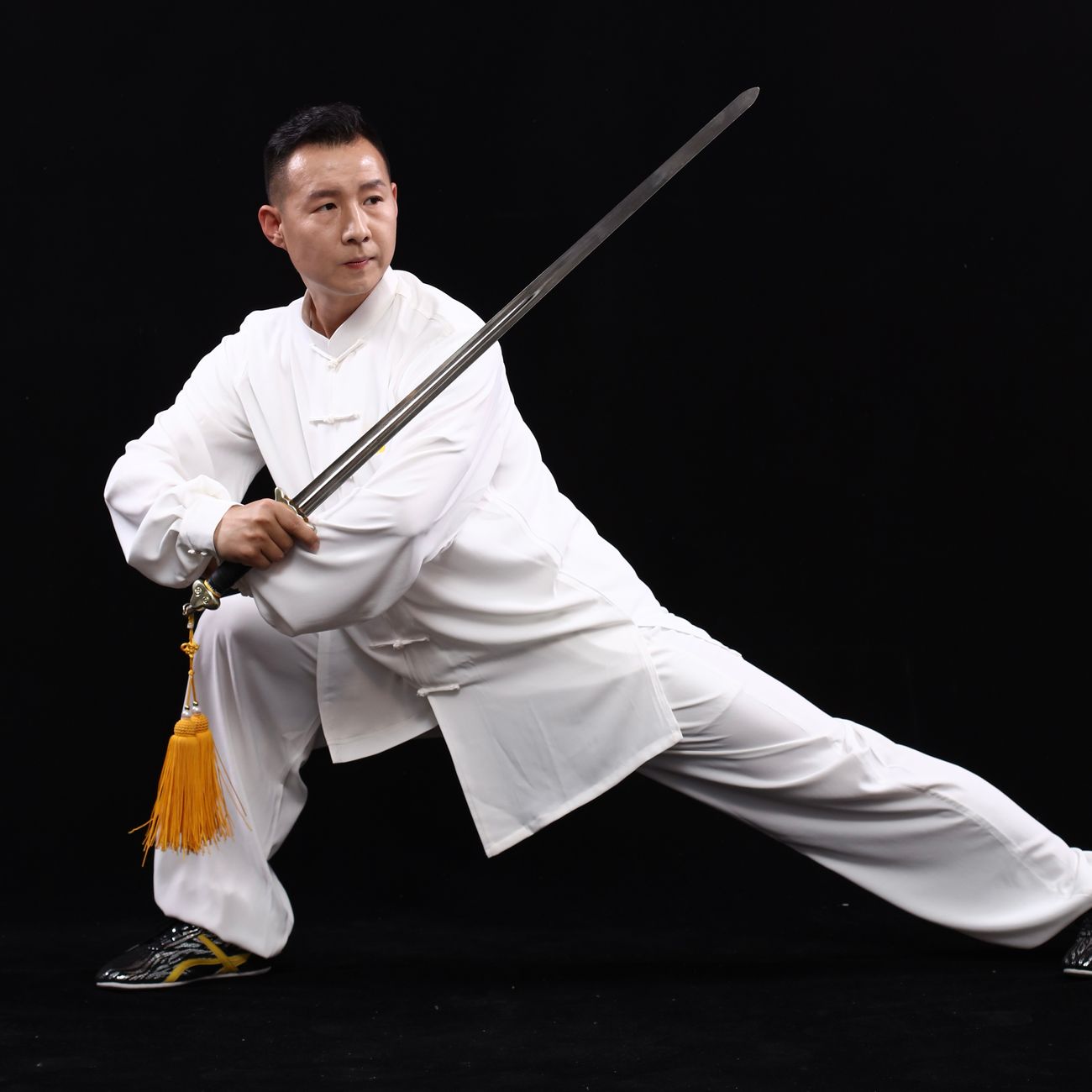
Qi (Chi) is the foundational concept of Chinese Medicine and Qigong, referring to the vital life‑energy that animates every living organism. In Qigong practice the aim is to cultivate, circulate, and balance Qi so that health is maintained and disease is prevented. Qi is not a static substance; it flows in dynamic patterns that are described by the meridian system, and it is influenced by the opposing principles of Yin and Yang. For example, a practitioner might feel a gentle warmth spreading through the abdomen during a breathing exercise, which is an indication that the descending phase of Qi is functioning properly.
Yin and Yang are the dual forces that govern all phenomena in the universe, including the human body. Yin represents qualities such as coolness, stillness, and substance, while Yang denotes heat, activity, and function. In Qigong, each movement and breath is designed to harmonize these forces. A typical challenge for beginners is to over‑emphasize Yang (active movement) and neglect Yin (stillness), leading to fatigue or imbalance. An experienced teacher will therefore integrate periods of gentle, slow motion (Yang) with moments of quiet, meditative stillness (Yin) to achieve equilibrium.
Jing (Essence) is the most profound, inheritable substance of the body, stored primarily in the kidneys. Jing provides the material basis for growth, reproduction, and the development of the five senses. In Qigong, exercises that stimulate the lower Dan Tian (the energy center located three finger‑widths below the navel) are believed to nourish Jing. For instance, the “Holding the Ball” posture, where the practitioner visualizes a ball of energy in the lower abdomen, is used to reinforce Jing and support long‑term vitality.
Shen (Spirit) refers to the mental and emotional aspects of a person, encompassing consciousness, cognition, and emotional regulation. Qigong practices that involve visualization, chanting, or mindful awareness are intended to calm and refine Shen. A common practical application is the use of a soft, rhythmic chant during a standing meditation; this can help quiet the mind, reduce anxiety, and improve sleep quality. One frequent obstacle is the tendency for the mind to wander; skilled instructors teach techniques such as “returning the breath” to gently bring attention back to the present moment.
Li (Strength) is the physical manifestation of Qi, expressed as muscular power, endurance, and structural integrity. In Qigong, the cultivation of Li is achieved through slow, coordinated movements that align the skeletal system with the flow of Qi. For example, the “Eight Pieces of Brocade” (Ba Duan Jin) includes a posture called “Two Hands Hold the Feet to Strengthen the Kidneys,” which stretches the spine, engages the core muscles, and thereby enhances Li. A typical challenge is insufficient grounding; students may feel a loss of balance if they do not maintain proper foot placement and weight distribution.
Xue (Blood) transports nutrients, oxygen, and Qi throughout the body, while also removing waste products. The circulation of Xue is intimately linked with the movement of Qi; if Qi becomes stagnant, Xue may also become sluggish, leading to conditions such as bruising or menstrual irregularities. Qigong exercises that involve gentle abdominal massage or “pumping” movements can stimulate Xue flow. An illustrative case is the “Abdominal Breathing” technique, where the practitioner expands the belly on inhalation and contracts it on exhalation, thereby encouraging Xue movement in the abdominal region.
Jingluo (Meridian System) is the network of channels through which Qi and Xue travel. There are twelve primary meridians, each associated with a specific organ system, and eight extraordinary vessels that serve as reservoirs and regulators. Understanding the meridian pathways is essential for Qigong because each form of practice targets particular meridians to address specific health concerns. For example, the “Lifting the Sky” movement is said to open the Lung meridian, which can be beneficial for respiratory ailments. A common difficulty for novices is the inability to sense the subtle sensations along a meridian; teachers often guide students to focus on tingling or warmth in the fingertips, elbows, or shoulders as indicators of meridian activation.
Luò (Luo Vessels) are the smaller branches that connect the main meridians to the surface tissues, providing a pathway for Qi to reach the skin and muscles. Luo vessels are especially important in therapeutic Qigong because they allow localized treatment of pain or tension. An example of a Luo‑focused practice is “Pressing the Sea of Qi” – a gentle tapping technique applied to the forearms that stimulates the Luo vessels of the Heart and Small Intestine meridians, often relieving shoulder and neck discomfort. Practitioners may initially find the tapping rhythm unnatural; consistent practice helps develop the appropriate cadence and pressure.
Zang and Fu are the organ categories in Chinese Medicine. Zang organs (Heart, Liver, Spleen, Lung, Kidney) are primarily yin, storing essential substances, while Fu organs (Small Intestine, Gallbladder, Stomach, Large Intestine, Bladder) are primarily yang, responsible for transformation and excretion. Qigong exercises often aim to balance Zang‑Fu relationships. The “Holding the Ball” posture, for instance, engages both the Heart (Zang) and the Small Intestine (Fu) by coordinating breath with gentle arm movements, fostering harmonious interaction. A practical challenge is that many students focus only on the physical aspect and overlook the internal organ dynamics; educators therefore emphasize mindful breathing and visualization of organ functions during each movement.
Wu Xing (Five Elements) – Wood, Fire, Earth, Metal, Water – represent a cyclical model of interdependence used to explain physiological processes, seasonal changes, and emotional patterns. Each element corresponds to a Zang‑Fu pair (e.G., Wood ↔ Liver‑Gallbladder, Fire ↔ Heart‑Small Intestine). In Qigong, the Five‑Element framework guides the sequencing of postures to promote the generating cycle (Wood → Fire → Earth → Metal → Water) and to correct the controlling cycle when imbalances arise. For example, a practitioner experiencing excessive anger (associated with Wood) may be instructed to perform the “Fire‑Cleansing” posture, which stimulates the Heart meridian to temper Wood excess. Understanding the Five‑Element relationships helps students diagnose subtle emotional or physical disturbances and select the most appropriate Qigong form.
Ba Gua (Eight Trigrams) is a symbolic representation of the fundamental forces of nature, each trigram consisting of three lines that are either broken (yin) or solid (yang). Ba Gua is incorporated into advanced Qigong practices such as “Eight Trigram Walking,” where the practitioner steps in patterns that correspond to the trigrams, thereby harmonizing body movement with cosmic energy. The practical application of Ba Gua includes improving balance, coordination, and spatial awareness. A typical challenge in Ba Gua walking is maintaining the correct footwork while simultaneously focusing on internal energy flow; beginners are advised to practice slowly, using a marked floor grid to ensure accuracy.
Dan Tian (Energy Center) refers to three focal points where Qi is stored and transformed: The lower, middle, and upper Dan Tian. The lower Dan Tian, located a few centimeters below the navel, is the primary reservoir for cultivating and grounding Qi. The middle Dan Tian, at the level of the heart, governs emotional balance, while the upper Dan Tian, in the forehead region, is associated with mental clarity. Qigong exercises frequently direct attention to the lower Dan Tian through visualization and breath control. For instance, “Micro‑cosmic Orbit” meditation involves circulating Qi from the lower to the upper Dan Tian and back, creating a closed loop that enhances overall vitality. An obstacle many students encounter is the difficulty of feeling the subtle warmth in the lower abdomen; regular practice of “Abdominal Breathing” helps develop this sensitivity.
Micro‑cosmic Orbit (Xiao Zhou Tian) is a fundamental Qigong meditation that guides Qi along the Ren (Conception) and Du (Governing) channels, forming a continuous circuit. This practice strengthens the internal energy pathways, improves circulation, and calms the mind. A typical instruction includes inhaling to draw Qi up the Du channel to the crown of the head, then exhaling to guide it down the Ren channel to the lower Dan Tian. Practical application includes reducing stress, enhancing concentration, and supporting the immune system. Common challenges involve maintaining a smooth, uninterrupted flow; interruptions often arise from mental chatter or physical tension, which can be mitigated by progressive relaxation and focused intention.
Zhan Zhuang (Standing Meditation) is a cornerstone of many Qigong styles, emphasizing stillness, alignment, and the cultivation of internal strength. During Zhan Zhuang, the practitioner adopts a specific posture—often resembling a horse stance or “embracing the tree”—and holds it for extended periods while maintaining relaxed breathing. The benefits include improved posture, increased Li, enhanced Qi circulation, and a deeper connection to the Dan Tian. For example, a 10‑minute standing meditation can alleviate chronic lower back pain by strengthening the lumbar support muscles and promoting Qi flow through the Kidney meridian. A frequent difficulty is the emergence of pain or fatigue; instructors recommend gradual progression, starting with short intervals and using subtle micro‑movements (e.G., Gentle rocking) to keep Qi moving without breaking the stillness.
Ba Duan Jin (Eight Pieces of Brocade) is a classical Qigong set consisting of eight distinct movements, each designed to target specific organ systems and meridians. The eight postures are: 1) “Two Hands Hold the Sky,” 2) “Drawing the Bow to Shoot the Hawk,” 3) “Separating Heaven and Earth,” 4) “Wise Owl Gazes Backwards,” 5) “Sway the Head and Shake the Tail,” 6) “Bouncing on the Toes,” 7) “Clenching the Fists and Looking at the Back,” and 8) “Bending the Body and Touching the Toes.” Each movement incorporates breath coordination, visualization, and gentle stretching, making Ba Duan Jin a comprehensive health‑preserving routine. Practical applications range from improving cardiovascular function (posture 1) to strengthening the liver and gallbladder (posture 2). A common obstacle is the tendency to rush through the forms; teachers emphasize slow, deliberate execution to allow Qi to penetrate the deeper layers of tissue.
Qigong Meridian Stretching is a set of exercises that specifically target the twelve primary meridians by combining dynamic stretching with breath regulation. By extending the limbs and gently pulling on the tendons, practitioners create space for Qi to flow unobstructed. For example, the “Spine Flex” movement stretches the Kidney meridian along the lower back, which can be beneficial for fatigue and urinary issues. The practical value lies in its ability to address meridian stagnation caused by prolonged sitting or repetitive strain. Challenges include maintaining proper alignment while reaching for distant points; the use of mirrors or a partner for feedback can aid in achieving the correct posture.
He Li (Harmony and Integration) is a principle that describes the balanced interaction between the external environment and internal bodily functions. In Qigong, He Li is achieved by synchronizing breath, movement, and intention so that the practitioner becomes attuned to seasonal changes, dietary patterns, and emotional states. A concrete example is adjusting the intensity of a Qigong session during a hot summer day—practicing lighter, more Yang‑oriented movements to align with the external heat, while in winter, longer, deeper breathing and more Yin‑focused postures help conserve internal warmth. The challenge is cultivating the sensitivity to detect subtle environmental cues; regular self‑observation and journaling can enhance this perceptual skill.
Nei Gong (Internal Skill) refers to the cultivated internal abilities that arise from consistent Qigong practice, such as refined breath control, heightened body awareness, and the capacity to direct Qi consciously. Nei Gong is distinguished from external martial skills by its emphasis on inner transformation rather than forceful output. A practical application is the ability to generate a subtle “energy shield” by visualizing Qi enveloping the body, which can reduce the impact of stressors. Students often struggle with the abstract nature of Nei Gong; guided imagery and progressive body scans are effective methods for developing these internal competencies.
Yi Qi (Intention) is the mental directive that guides the flow of Qi during Qigong. The phrase “Yi‑Qi‑Xue‑Shen” (Intention‑Qi‑Blood‑Spirit) encapsulates the hierarchy of influence, where intention leads the other three components. In practice, a practitioner might set a clear intention to “strengthen the Lung meridian” before performing a breathing exercise, thereby focusing the mind and facilitating targeted Qi movement. An example of Yi Qi in action is the “Mindful Hand‑to‑Heart” posture, where the practitioner visualizes Qi traveling from the hands to the heart while gently placing the palms over the chest. A common challenge is the distraction of spontaneous thoughts; the teacher’s role is to reinforce the habit of returning to the chosen intention with each breath.
Dao Yin (Guiding and Stretching) is an early form of Qigong that emphasizes coordinated breathing, gentle movement, and mental focus. Dao Yin is often used as a therapeutic modality for musculoskeletal disorders, respiratory conditions, and emotional imbalance. A typical Dao Yin sequence might begin with “Squeezing the Kidneys” – a gentle contraction of the pelvic floor while inhaling, followed by “Opening the Chest” – raising the arms overhead while exhaling, thereby promoting the flow of Qi through the Kidney and Lung meridians. Practical challenges include the temptation to force the body into deeper stretches before sufficient flexibility has been developed; instructors stress the importance of honoring the body’s limits and progressing gradually.
Shi Li (Tenacious Energy) is a concept describing the persistent, sustained quality of Qi that can be cultivated through regular Qigong practice. This energy is often described as a “steady flame” that does not waver with external circumstances. In daily life, Shi Li manifests as endurance during long work hours, resilience in the face of illness, and steady emotional composure. A practical method for developing Shi Li is the “Standing Pillar” exercise, where the practitioner maintains a straight posture, relaxed shoulders, and slow, diaphragmatic breathing for ten minutes, gradually extending the duration as tolerance improves. Common obstacles involve impatience and the desire for rapid results; teachers encourage a patient, long‑term perspective, reminding students that Shi Li grows incrementally over months and years.
Jing Luo (Essence‑Channel) theory integrates the concepts of Jing, Qi, and the meridian network, providing a comprehensive framework for understanding how vitality is stored, transformed, and distributed. In Qigong, the practitioner works to protect Jing by avoiding excessive depletion (e.G., Over‑exertion) and to enhance Qi circulation through smooth meridian flow. An example of Jing Luo application is the “Four‑Season Qigong” program, which modifies the intensity and focus of postures according to the season’s corresponding organ (Spring – Liver, Summer – Heart, Autumn – Lung, Winter – Kidney). The challenge lies in remembering the seasonal correspondences and adjusting the practice accordingly; a simple chart placed near the practice area can serve as a reminder.
Shen Qi (Spiritual Qi) is the subtle, refined form of Qi that nourishes mental clarity, emotional stability, and spiritual insight. Practices that emphasize stillness, such as “Silent Sitting” (Jing Zuo), are designed to cultivate Shen Qi. During Silent Sitting, the practitioner sits upright with eyes gently closed, maintains natural breathing, and allows thoughts to pass without attachment. Over time, this practice can lead to heightened intuition, improved memory, and a sense of inner peace. A frequent difficulty is the emergence of restlessness or intrusive thoughts; the teacher’s guidance often involves acknowledging these sensations without judgment and gently redirecting attention to the breath or a chosen point of focus.
Wu Wei (Effortless Action) is a Taoist principle that informs the philosophy of Qigong, encouraging practitioners to move with natural ease rather than force. In a Qigong session, this translates to allowing movements to arise spontaneously from the body’s internal rhythm, rather than imposing rigid, externally‑driven patterns. For example, during the “Wave Hands Like Clouds” movement, the practitioner synchronizes the hand motion with the breath, allowing the arms to flow like water without tension. The practical benefit is the reduction of muscular strain and the promotion of smooth Qi flow. Students often struggle with the paradox of “doing nothing” while still performing movements; mentorship and repeated practice help internalize the balance between activity and relaxation.
Qi Gong (Energy Cultivation) is a broad term encompassing a variety of practices that aim to develop, balance, and harmonize the body’s vital energy. It includes static practices (e.G., Seated meditation), dynamic practices (e.G., Moving forms), and therapeutic techniques (e.G., Meridian tapping). The diversity of Qi Gong allows it to be tailored to individual health goals, such as improving cardiovascular function, enhancing immune response, or supporting emotional well‑being. A specific example is “Heart‑Opening Qi Gong,” which combines gentle chest expansions with rhythmic breathing to invigorate the Heart meridian and calm the nervous system. Common challenges include the misconception that Qi Gong is solely a physical exercise; educators must therefore emphasize the integrative nature of mind, breath, and movement.
Dao De Jing (Classic of the Way and Virtue) provides philosophical grounding for many Qigong principles, emphasizing harmony with the natural order and the cultivation of inner virtue. While not a technical manual, the Dao De Jing’s verses inspire practitioners to adopt humility, patience, and simplicity in their practice. For instance, the concept of “returning to the root” aligns with the Qigong focus on the lower Dan Tian as the source of vitality. Practitioners who internalize these teachings often report a deeper sense of purpose and alignment with their health goals. A challenge is translating abstract philosophical ideas into concrete practice; teachers can bridge this gap by offering short reflective prompts after each session, encouraging students to contemplate how the day’s practice embodies a specific Daoist principle.
Qi Deficiency is a diagnostic pattern in Chinese Medicine characterized by weak, shallow, and slow‑moving Qi. Clinical manifestations may include fatigue, shortness of breath, weak voice, and a tendency toward cold sensations. In Qigong, the therapeutic approach for Qi deficiency emphasizes nourishing and consolidating Qi through gentle, grounding movements and deep abdominal breathing. The “Six‑Way Qi Gong” routine, which includes postures such as “Raising the Heavens” and “Pressing the Sea of Qi,” is designed to augment Qi production and distribution. Practical application involves daily practice of 15‑20 minutes, focusing on the sensation of Qi rising with each inhalation and descending with each exhalation. A frequent obstacle is the patient’s impatience for rapid improvement; clinicians counsel realistic expectations and encourage consistent, incremental practice.
Qi Stagnation denotes a blockage or sluggish movement of Qi, often resulting in pain, emotional tension, and digestive disturbances. Symptoms may include chest tightness, menstrual irregularities, and irritability. Qigong techniques for Qi stagnation prioritize smooth, flowing movements and the release of tension. The “Spiral Breathing” exercise, where the practitioner inhales while visualizing Qi spiraling upward along the spine and exhales while spiraling downward, is effective in dissolving stagnation. A practical scenario is a desk worker who experiences neck and shoulder tension after prolonged computer use; a brief 5‑minute “Neck Release” Qigong sequence can restore Qi flow and alleviate discomfort. The principal challenge is the tendency to hold breath or make abrupt movements, which can exacerbate stagnation; mindfulness of breath continuity and slow transitions is essential.
Qi Rebellion (Qi Counterflow) occurs when Qi moves in the wrong direction, often manifesting as coughing, vomiting, or emotional outbursts. In Qigong, the therapeutic aim is to redirect Qi back to its proper pathways. The “Reversal of Qi” technique involves inhaling deeply, visualizing Qi entering the lower Dan Tian, and exhaling slowly while imagining Qi flowing upward through the Governing Channel. This method can be particularly useful for individuals who experience frequent hiccups or acute stress responses. A notable challenge is the difficulty in maintaining a calm mental state when Qi Rebellion is accompanied by strong physical sensations; guided relaxation and a calm environment are recommended to support the practitioner.
Yin Deficiency reflects a depletion of the cooling, nourishing aspects of the body, often leading to signs such as night sweats, dry throat, and a feeling of heat in the palms and soles. Qigong practices for Yin deficiency incorporate more Yin‑oriented movements, slower pacing, and cooling visualizations. The “Cooling Wave” posture, wherein the practitioner gently sweeps the arms downward while inhaling, and lifts them upward while exhaling, promotes the circulation of Yin Qi. Practical application includes integrating a nightly Qigong routine that emphasizes relaxation and deep, slow breathing to restore Yin balance before sleep. A common difficulty is the temptation to engage in vigorous Yang‑focused exercises late in the evening, which can further deplete Yin; educators stress the importance of timing and the selection of appropriate practices for each time of day.
Yang Deficiency is characterized by a lack of warmth, vigor, and active energy, with symptoms such as cold limbs, fatigue, and a pale complexion. Qigong protocols for Yang deficiency focus on warming, dynamic movements that generate heat and stimulate the Kidney and Spleen meridians. The “Sunrise Stretch” – a series of upward arm lifts combined with deep inhalations – is an effective way to invigorate Yang. A practical example is a patient recovering from a prolonged illness who feels lethargic; a short, energetic Qigong session in the morning can jump‑start metabolic activity and improve overall vitality. The challenge is ensuring that the intensity of the practice does not exceed the individual’s capacity, which could lead to over‑exertion; gradual progression and careful monitoring of the body’s response are advised.
Five‑Element Qigong integrates the Wu Xing theory with specific postures that correspond to each element’s organ pair. The sequence typically follows the generating cycle: Wood (Liver‑Gallbladder), Fire (Heart‑Small Intestine), Earth (Spleen‑Stomach), Metal (Lung‑Large Intestine), Water (Kidney‑Bladder). Each element’s posture includes targeted breath patterns and visualizations. For instance, the Wood posture may involve gentle side‑bending while inhaling, visualizing fresh green energy entering the Liver meridian. This method is practical for individuals seeking a holistic approach that addresses both physical and emotional dimensions. A frequent obstacle is remembering the correct order and associated visualizations; a mnemonic chart placed near the practice area can aid retention.
Eight‑Extraordinary Vessels (Ba Mai) are deeper pathways that serve as reservoirs for Qi and can be accessed through specialized Qigong techniques. The eight vessels include the Ren, Du, Chong, Dai, and the four lesser vessels (Yang‑Ming, Tai‑Yin, Shao‑Yin, Jue‑Yin). Practitioners who work with the Eight‑Extraordinary Vessels often report improved stamina, enhanced immune function, and a deeper sense of internal harmony. A concrete practice is the “Dantian Rotation” exercise, which circulates Qi through the Dai vessels by rotating the torso gently while maintaining a stable lower Dan Tian focus. Challenges include the subtlety of sensations in these deeper channels; beginners are encouraged to use light tapping or gentle pressure on the abdomen to stimulate awareness of the underlying flow.
Qi Gong Breathing (Tu Na) encompasses several breathing patterns, each with distinct therapeutic goals. The primary patterns are: 1) “Natural Breath” – unforced, diaphragmatic inhalation and exhalation; 2) “Reverse Breathing” – inhaling while drawing the abdomen inward and exhaling while expanding it; 3) “Full‑Lung Breath” – a deep, slow inhalation filling the entire chest cavity, followed by a controlled exhalation. Selecting the appropriate breathing method depends on the practitioner’s condition; for instance, reverse breathing is often used to strengthen the Kidney meridian, while full‑lung breath is beneficial for lung health. A practical challenge is coordinating breath with movement, especially for novices; the use of a metronome or counting aloud can help synchronize the two.
Qi Gong Meditation (Zuo Chan) is a seated practice that cultivates stillness, mindfulness, and internal energy flow. The typical sequence involves assuming a comfortable seated posture, aligning the spine, gently closing the eyes, and focusing on the breath while allowing thoughts to pass without attachment. Visualization may be incorporated, such as imagining a gentle light flowing through the meridians. Practical applications include stress reduction, improved concentration, and support for chronic disease management. Common obstacles include physical discomfort (e.G., Leg numbness) and mental restlessness; modifications such as using a cushion or practicing “walking meditation” can alleviate these issues.
Qi Gong for Chronic Pain employs specific movements and breath techniques designed to modulate the flow of Qi and release muscular tension. The “Spine Rotation” exercise, for example, gently twists the torso while inhaling and exhaling, encouraging Qi to circulate around the vertebral column, which can relieve lower back pain. Additionally, “Finger‑to‑Toe Stretch” promotes flexibility in the extremities and stimulates the Small Intestine meridian, often helpful for arthritic conditions. A case study might involve a patient with chronic knee pain who practices the “Knee Lifting” posture daily; after several weeks, the patient reports reduced stiffness and improved mobility. The main challenge is ensuring patients do not push beyond their comfort zone, which could exacerbate pain; a graduated approach with professional supervision is recommended.
Qi Gong for Mental Health integrates gentle movement, breath regulation, and focused intention to address anxiety, depression, and emotional dysregulation. The “Heart‑Calming” sequence utilizes slow arm circles synchronized with deep abdominal breathing, fostering a sense of safety and grounding. Visualization of a warm, pink light enveloping the chest further supports emotional balance. Empirical observations suggest that regular practice can lower cortisol levels, improve sleep quality, and increase feelings of well‑being. A frequent challenge is maintaining consistency, particularly when individuals experience low motivation; setting a fixed daily time, such as immediately after waking, can increase adherence.
Qi Gong for Athletes is tailored to enhance performance, recovery, and injury prevention. Core principles include optimizing Qi flow to the muscles, improving proprioception, and promoting efficient breath patterns. The “Dynamic Lung Expansion” drill, which incorporates rapid arm swings with synchronized inhalations, can increase aerobic capacity and lung efficiency. Athletes may also benefit from “Grounding Stance” training, which strengthens the lower Dan Tian and improves leg stability, essential for sprinters and jumpers. A practical challenge is integrating Qi Gong into already demanding training schedules; short, high‑impact sessions (5‑10 minutes) inserted before or after primary workouts have been shown to yield measurable benefits without compromising overall training volume.
Qi Gong and Nutrition emphasizes the relationship between diet, Qi production, and organ health. According to Chinese Medicine, foods have energetic qualities (temperature, flavor, and meridian affinity) that influence Qi. Warm, sweet foods such as cooked grains and root vegetables support Spleen Qi, while sour foods like citrus can invigorate Liver Qi. In a Qigong program, practitioners are encouraged to align their meals with the energetic demands of their practice—for example, consuming a light, warming soup before a vigorous Yang‑focused session. A common difficulty is translating these principles into modern dietary habits; a practical solution is to create simple meal plans that incorporate the recommended flavors and temperatures while respecting personal preferences and cultural norms.
Qi Gong Assessment involves evaluating posture, breath quality, movement fluidity, and subjective sensations. An instructor may use a checklist to observe alignment of the spine, the smoothness of the breath, and the presence of any tension in the shoulders or hips. Additionally, the practitioner may be asked to describe internal sensations such as warmth, tingling, or heaviness, which can indicate the quality of Qi flow. For example, a student reporting a gentle heat in the lower abdomen during “Abdominal Breathing” suggests effective Dan Dian activation. A challenge in assessment is the subjective nature of internal sensations; educators often supplement observation with self‑report questionnaires and encourage students to keep a practice journal to track progress over time.
Qi Gong Safety Guidelines are essential to prevent injury and ensure optimal benefits. Key points include: 1) Warm‑up the body with gentle movements before intensive practice; 2) Maintain a neutral spine to avoid strain; 3) Keep breathing natural and avoid forced breath‑holding; 4) Listen to the body’s signals and stop if pain, dizziness, or excessive fatigue occurs; 5) Practice in a well‑ventilated, calm environment free from distractions. An illustrative scenario: A novice begins a standing meditation without a proper warm‑up, leading to knee pain; adherence to the safety guidelines would have prevented this by incorporating a brief joint‑mobilizing routine beforehand. The main obstacle is the tendency to overlook these precautions in the enthusiasm to progress quickly; regular reinforcement of safety protocols by the instructor helps embed these habits.
Qi Gong Integration with Western Medicine offers a complementary approach that can enhance conventional treatment outcomes. For example, patients undergoing chemotherapy may use gentle Qigong breathing and movement to mitigate fatigue, improve immune function, and reduce nausea. Clinical studies have demonstrated that Qigong can lower blood pressure, improve glycemic control in diabetes, and support rehabilitation after stroke. A practical protocol might involve a 30‑minute Qigong session three times per week, coordinated with the patient’s medical schedule, and monitored by both the Qigong instructor and the primary care physician. Challenges include aligning treatment timelines and ensuring that Qigong does not interfere with medication schedules; clear communication among all health‑care providers is essential.
Qi Gong Research Methodology encompasses qualitative and quantitative approaches to evaluate efficacy, mechanisms, and safety. Common methods include randomized controlled trials (RCTs), physiological measurements (e.G., Heart rate variability, cortisol levels), and patient‑reported outcome measures (e.G., Quality‑of‑life questionnaires). For instance, an RCT comparing a 12‑week Ba Duan Jin program to a control group may assess changes in blood pressure, stress scores, and functional mobility. Qualitative interviews can capture participants’ subjective experiences of energy flow and emotional transformation. A notable challenge in Qigong research is the difficulty of blinding participants; researchers often use active control groups (e.G., Light stretching) to mitigate expectancy effects. Rigorous study design and transparent reporting are critical for advancing the evidence base.
Qi Gong Ethics emphasizes respect for the practitioner‑student relationship, cultural sensitivity, and the responsible transmission of knowledge. Instructors should obtain informed consent before teaching therapeutic Qigong, clarify the scope of practice, and avoid making unfounded health claims. Cultural humility involves acknowledging the origins of Qigong in Chinese tradition while adapting practices to diverse populations. A practical example is modifying certain postures to accommodate individuals with limited mobility, ensuring inclusivity without compromising the underlying energetic intent. Ethical dilemmas may arise when students seek rapid healing; teachers must balance encouragement with realistic expectations, emphasizing consistent practice and holistic lifestyle changes.
Qi Gong Terminology Summary provides a quick reference for learners to reinforce key concepts. Each term is paired with a concise definition and a practical tip:
- Qi: Vital energy; visualize warmth in the abdomen during breath work. - Yin/Yang: Opposing forces; balance active movement with stillness. - Jing: Inherited essence; protect by avoiding over‑exertion. - Shen: Spirit; calm through meditation and visualization. - Li: Strength; develop via standing postures and core engagement. - Xue: Blood; promote circulation with abdominal breathing. - Meridian: Energy pathways; target specific meridians with tailored movements. - Dan Dian: Energy center; focus attention there during all practices. - Micro‑cosmic Orbit: Closed Qi circuit; practice daily for systemic balance. - Zhan Zhuang: Standing meditation; start with 2‑minute intervals, increase gradually. - Ba Duan Jin: Eight‑brocade set; perform each posture slowly, feeling Qi in the corresponding organ.
By internalizing these terms and their applications, students can deepen their understanding of Qigong, integrate theory with practice, and navigate the challenges that arise on the path to health and harmony.
Key takeaways
- For example, a practitioner might feel a gentle warmth spreading through the abdomen during a breathing exercise, which is an indication that the descending phase of Qi is functioning properly.
- An experienced teacher will therefore integrate periods of gentle, slow motion (Yang) with moments of quiet, meditative stillness (Yin) to achieve equilibrium.
- For instance, the “Holding the Ball” posture, where the practitioner visualizes a ball of energy in the lower abdomen, is used to reinforce Jing and support long‑term vitality.
- One frequent obstacle is the tendency for the mind to wander; skilled instructors teach techniques such as “returning the breath” to gently bring attention back to the present moment.
- For example, the “Eight Pieces of Brocade” (Ba Duan Jin) includes a posture called “Two Hands Hold the Feet to Strengthen the Kidneys,” which stretches the spine, engages the core muscles, and thereby enhances Li.
- An illustrative case is the “Abdominal Breathing” technique, where the practitioner expands the belly on inhalation and contracts it on exhalation, thereby encouraging Xue movement in the abdominal region.
- A common difficulty for novices is the inability to sense the subtle sensations along a meridian; teachers often guide students to focus on tingling or warmth in the fingertips, elbows, or shoulders as indicators of meridian activation.