
Mindfulness and Body Integration
In the context of Somatic Therapy, mindfulness refers to the practice of being fully present and engaged in the current moment, while cultivating a non-judgmental awareness of one's thoughts, feelings, and bodily sensations. This concept is…
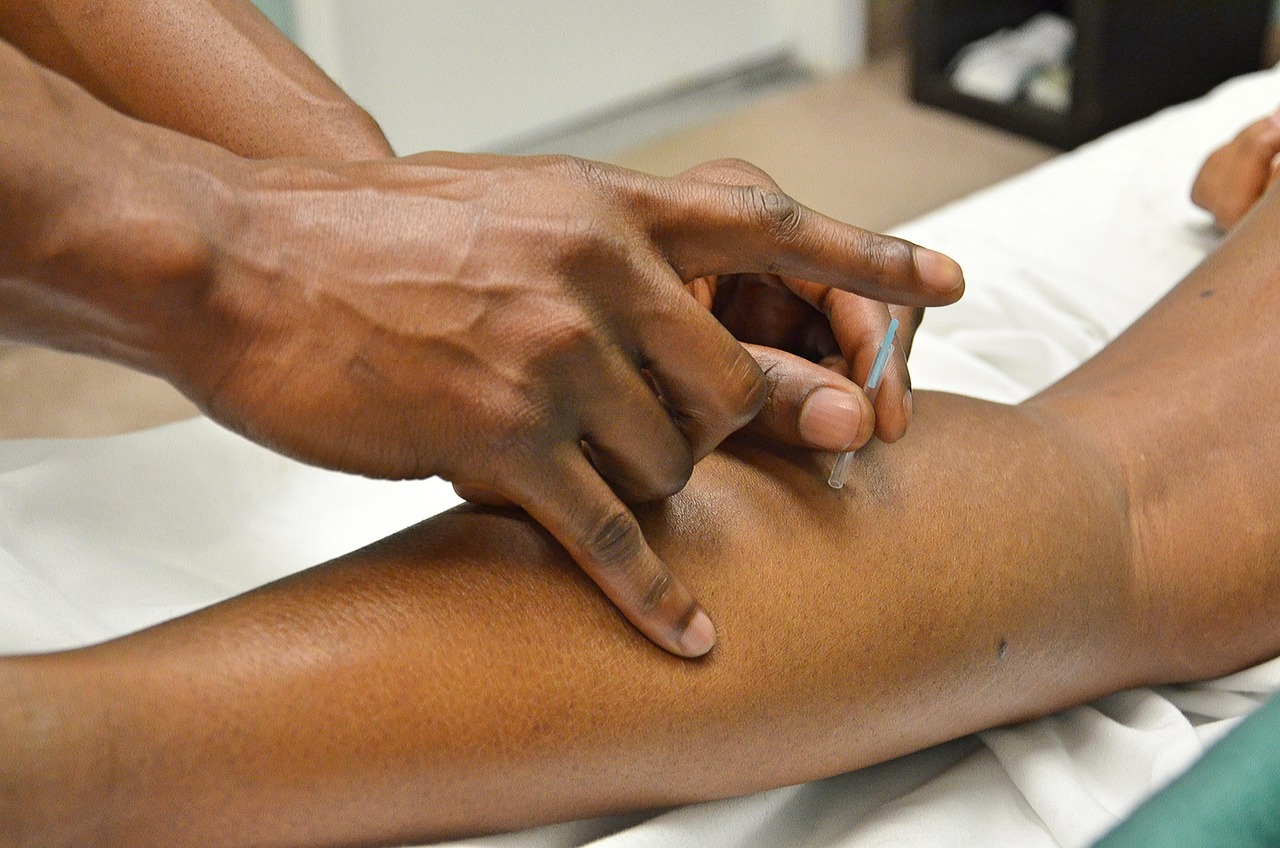
In the context of Somatic Therapy, mindfulness refers to the practice of being fully present and engaged in the current moment, while cultivating a non-judgmental awareness of one's thoughts, feelings, and bodily sensations. This concept is rooted in the idea that the body and mind are intricately connected, and that by paying attention to the body's sensations and experiences, individuals can gain a deeper understanding of themselves and develop greater self-awareness. The practice of mindfulness involves paying attention to the present moment, without trying to change or react to it, and instead, simply observing it with curiosity and openness.
One of the key concepts in Somatic Therapy is the idea of interoception, which refers to the ability to sense and perceive internal bodily sensations, such as hunger, thirst, pain, and emotions. Developing interoceptive awareness is essential for building self-awareness and understanding the complex interactions between the body and mind. By paying attention to internal bodily sensations, individuals can gain insight into their emotional states, thought patterns, and behavioral tendencies, and develop greater self-regulation skills.
Another important concept in Somatic Therapy is the idea of trauma and its impact on the body and mind. Traumatic experiences can have a profound effect on an individual's physical and emotional well-being, leading to hypervigilance, anxiety, and dissociation. Somatic Therapy offers a range of techniques and approaches for working with trauma, including grounding techniques, breathwork, and mindfulness practices. These approaches aim to help individuals develop greater resilience and self-awareness, and to reduce the negative effects of trauma on their body and mind.
The concept of neuroplasticity is also central to Somatic Therapy, as it refers to the brain's ability to reorganize and adapt in response to new experiences and learning. By harnessing the power of neuroplasticity, individuals can rewire their brain and develop new habits, thought patterns, and behaviors. This concept is particularly relevant in the context of trauma recovery, as it suggests that individuals can rewire their brain and develop new coping strategies and resilience skills.
In Somatic Therapy, the concept of embodiment refers to the process of becoming more fully engaged with and aware of one's body and its sensations. This involves developing a greater sense of interoceptive awareness, as well as cultivating a more positive and compassionate relationship with the body. By becoming more embodied, individuals can develop greater self-awareness, self-acceptance, and self-compassion, and can reduce their experience of stress, anxiety, and trauma.
The concept of bottom-up processing is also important in Somatic Therapy, as it refers to the idea that the body and its sensations can be a powerful source of information and insight. By paying attention to the body and its sensations, individuals can gain access to unconscious memories, emotions, and experiences, and can develop a deeper understanding of themselves and their behavior. This approach is in contrast to top-down processing, which involves using cognitive strategies and rational thinking to understand and manage emotions and behavior.
In Somatic Therapy, the concept of pendulation refers to the process of moving back and forth between different states of arousal and relaxation. This involves oscillating between hyperarousal and hypoarousal, and can be used to help individuals regulate their nervous system and manage stress and trauma. By practicing pendulation, individuals can develop greater resilience and self-regulation skills, and can reduce their experience of anxiety and overwhelm.
The concept of window of tolerance is also important in Somatic Therapy, as it refers to the range of arousal levels that an individual can tolerate without becoming overwhelmed or numb. By understanding and working with the window of tolerance, individuals can develop greater self-awareness and self-regulation skills, and can reduce their experience of stress and trauma. This concept is particularly relevant in the context of trauma recovery, as it suggests that individuals can learn to regulate their nervous system and manage their arousal levels in order to reduce their experience of hypervigilance and anxiety.
In Somatic Therapy, the concept of self-regulation refers to the ability to manage and regulate one's own emotions, thoughts, and behaviors. This involves developing a range of skills and strategies, including mindfulness, breathwork, and grounding techniques, in order to manage stress and trauma. By developing greater self-regulation skills, individuals can reduce their experience of anxiety and overwhelm, and can develop greater resilience and well-being.
The concept of co-regulation is also important in Somatic Therapy, as it refers to the process of regulating and managing one's own nervous system in relation to another person's nervous system. This involves developing a range of skills and strategies, including emotional intelligence, empathy, and communication skills, in order to manage and regulate the relationship between two or more individuals. By developing greater co-regulation skills, individuals can reduce their experience of conflict and stress, and can develop greater harmony and connection in their relationships.
In Somatic Therapy, the concept of attachment refers to the process of forming and maintaining relationships with others. This involves developing a range of skills and strategies, including emotional intelligence, empathy, and communication skills, in order to manage and regulate the relationship between two or more individuals. By developing greater attachment security, individuals can reduce their experience of anxiety and insecurity, and can develop greater trust and connection in their relationships.
The concept of polyvagal theory is also important in Somatic Therapy, as it refers to the idea that the nervous system has multiple branching pathways that can be activated in response to different stimuli. This involves understanding the different responses of the nervous system, including the ventral vagal response, the sympathetic response, and the dorsal vagal response, and developing strategies to manage and regulate these responses in order to reduce stress and trauma.
In Somatic Therapy, the concept of felt sense refers to the experience of having a direct and immediate sense of one's body and its sensations. This involves developing a greater sense of interoceptive awareness, as well as cultivating a more positive and compassionate relationship with the body. By developing a greater felt sense, individuals can reduce their experience of disconnection and numbness, and can develop greater self-awareness and self-acceptance.
The concept of somatic experiencing is also important in Somatic Therapy, as it refers to the process of becoming more fully engaged with and aware of one's body and its sensations. This involves developing a range of skills and strategies, including mindfulness, breathwork, and grounding techniques, in order to manage and regulate the body and its sensations. By developing greater somatic awareness, individuals can reduce their experience of stress and trauma, and can develop greater resilience and well-being.
In Somatic Therapy, the concept of orienting refers to the process of becoming more fully engaged with and aware of one's environment and its sensations. This involves developing a range of skills and strategies, including mindfulness, breathwork, and grounding techniques, in order to manage and regulate the senses and the body. By developing greater orienting skills, individuals can reduce their experience of disorientation and confusion, and can develop greater clarity and focus.
The concept of resilience is also important in Somatic Therapy, as it refers to the ability to withstand and recover from adversity and trauma. This involves developing a range of skills and strategies, including self-regulation, co-regulation, and community building, in order to manage and regulate the body and its sensations. By developing greater resilience, individuals can reduce their experience of stress and trauma, and can develop greater well-being and life satisfaction.
In Somatic Therapy, the concept of community refers to the process of forming and maintaining relationships with others. This involves developing a range of skills and strategies, including emotional intelligence, empathy, and communication skills, in order to manage and regulate the relationship between two or more individuals. By developing greater community connections, individuals can reduce their experience of loneliness and isolation, and can develop greater belonging and connection.
The concept of cultural sensitivity is also important in Somatic Therapy, as it refers to the process of understanding and respecting the cultural backgrounds and values of individuals and communities. This involves developing a range of skills and strategies, including cultural awareness, empathy, and communication skills, in order to manage and regulate the relationship between two or more individuals. By developing greater cultural sensitivity, individuals can reduce their experience of cultural insensitivity and microaggressions, and can develop greater understanding and respect for cultural differences.
In Somatic Therapy, the concept of power dynamics refers to the process of understanding and managing the power imbalances that can exist in relationships and systems. This involves developing a range of skills and strategies, including self-awareness, empathy, and communication skills, in order to manage and regulate the relationship between two or more individuals. By developing greater power awareness, individuals can reduce their experience of oppression and marginalization, and can develop greater empowerment and self-determination.
The concept of social justice is also important in Somatic Therapy, as it refers to the process of promoting equity and fairness in society and systems. This involves developing a range of skills and strategies, including self-awareness, empathy, and communication skills, in order to manage and regulate the relationship between two or more individuals. By developing greater social justice awareness, individuals can reduce their experience of oppression and marginalization, and can develop greater empowerment and self-determination.
In Somatic Therapy, the concept of healing refers to the process of recovering from trauma and adversity. This involves developing a range of skills and strategies, including self-regulation, co-regulation, and community building, in order to manage and regulate the body and its sensations. By developing greater healing awareness, individuals can reduce their experience of stress and trauma, and can develop greater well-being and life satisfaction.
The concept of growth is also important in Somatic Therapy, as it refers to the process of developing and expanding one's capacity for self-awareness, self-regulation, and self-acceptance. This involves developing a range of skills and strategies, including mindfulness, breathwork, and grounding techniques, in order to manage and regulate the body and its sensations. By developing greater growth awareness, individuals can reduce their experience of stagnation and plateaus, and can develop greater resilience and well-being.
In Somatic Therapy, the concept of integration refers to the process of combining and synthesizing different aspects of the self, including the body, mind, and spirit. This involves developing a range of skills and strategies, including mindfulness, breathwork, and grounding techniques, in order to manage and regulate the body and its sensations. By developing greater integration awareness, individuals can reduce their experience of disconnection and fragmentation, and can develop greater wholeness and coherence.
The concept of transformation is also important in Somatic Therapy, as it refers to the process of undergoing a profound and lasting change in one's life and being. This involves developing a range of skills and strategies, including self-awareness, self-regulation, and self-acceptance, in order to manage and regulate the body and its sensations. By developing greater transformation awareness, individuals can reduce their experience of stagnation and plateaus, and can develop greater resilience and well-being.
In Somatic Therapy, the concept of awareness refers to the process of developing a greater understanding and appreciation of one's body and its sensations. This involves developing a range of skills and strategies, including mindfulness, breathwork, and grounding techniques, in order to manage and regulate the body and its sensations. By developing greater awareness, individuals can reduce their experience of disconnection and numbness, and can develop greater self-awareness and self-acceptance.
The concept of acceptance is also important in Somatic Therapy, as it refers to the process of embracing and accepting one's body and its sensations, without judgment or resistance. This involves developing a range of skills and strategies, including mindfulness, breathwork, and grounding techniques, in order to manage and regulate the body and its sensations. By developing greater acceptance, individuals can reduce their experience of self-criticism and self-rejection, and can develop greater self-compassion and self-love.
In Somatic Therapy, the concept of compassion refers to the process of cultivating a kind and gentle attitude towards oneself and others. This involves developing a range of skills and strategies, including mindfulness, breathwork, and grounding techniques, in order to manage and regulate the body and its sensations. By developing greater compassion, individuals can reduce their experience of self-criticism and self-rejection, and can develop greater self-acceptance and self-love.
The concept of love is also important in Somatic Therapy, as it refers to the process of cultivating a deep and abiding sense of connection and belonging with oneself and others. This involves developing a range of skills and strategies, including mindfulness, breathwork, and grounding techniques, in order to manage and regulate the body and its sensations. By developing greater love, individuals can reduce their experience of isolation and disconnection, and can develop greater intimacy and connection with themselves and others.
Key takeaways
- In the context of Somatic Therapy, mindfulness refers to the practice of being fully present and engaged in the current moment, while cultivating a non-judgmental awareness of one's thoughts, feelings, and bodily sensations.
- By paying attention to internal bodily sensations, individuals can gain insight into their emotional states, thought patterns, and behavioral tendencies, and develop greater self-regulation skills.
- Traumatic experiences can have a profound effect on an individual's physical and emotional well-being, leading to hypervigilance, anxiety, and dissociation.
- This concept is particularly relevant in the context of trauma recovery, as it suggests that individuals can rewire their brain and develop new coping strategies and resilience skills.
- By becoming more embodied, individuals can develop greater self-awareness, self-acceptance, and self-compassion, and can reduce their experience of stress, anxiety, and trauma.
- By paying attention to the body and its sensations, individuals can gain access to unconscious memories, emotions, and experiences, and can develop a deeper understanding of themselves and their behavior.
- This involves oscillating between hyperarousal and hypoarousal, and can be used to help individuals regulate their nervous system and manage stress and trauma.