
Anatomy and Physiology for Abdominal Emotional Wellness Massage
The study of abdominal emotional wellness massage requires a solid grasp of the anatomical structures, physiological processes, and the specific terminology that underpins both the physical and emotional dimensions of the practice. Below is…
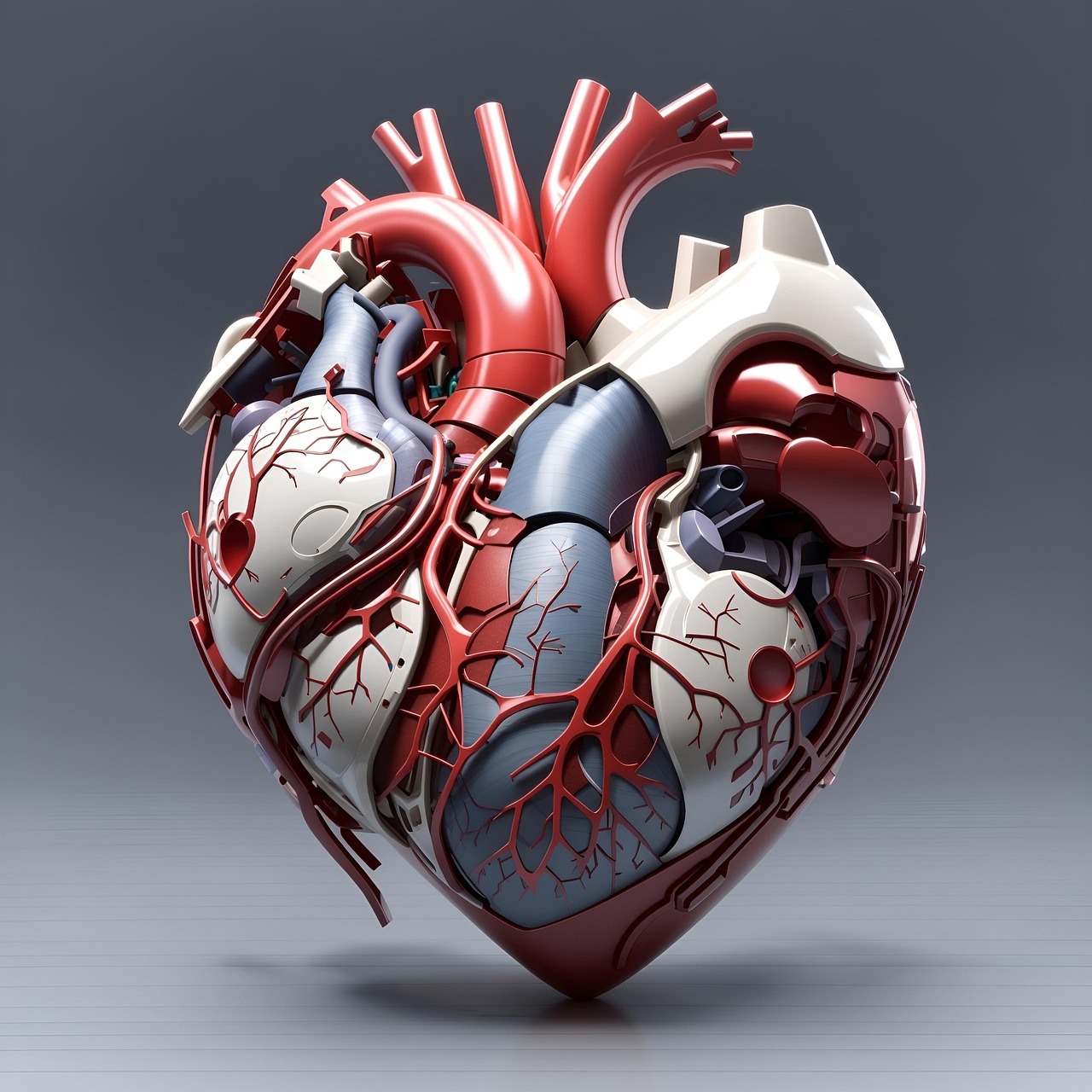
The study of abdominal emotional wellness massage requires a solid grasp of the anatomical structures, physiological processes, and the specific terminology that underpins both the physical and emotional dimensions of the practice. Below is a comprehensive guide to the key terms and vocabulary that learners will encounter throughout the Certificate Programme in Abdominal Emotional Wellness Massage. Each entry includes a definition, functional relevance, practical application in massage, and common challenges or misconceptions that may arise. The aim is to provide a learner‑friendly reference that can be consulted repeatedly during coursework, clinical practice, and professional development.
Abdomen – The region of the body bounded superiorly by the diaphragm, inferiorly by the pelvic brim, and laterally by the abdominal wall. It houses the majority of the digestive organs, as well as important vascular, lymphatic, and endocrine structures. In emotional wellness massage, the abdomen is regarded as a “second brain” because of its dense network of sensory receptors and its connection to the autonomic nervous system. Practitioners must be aware of the spatial relationships of organs to avoid excessive pressure on vulnerable structures.
Visceral – Refers to the internal organs, especially those within the thoracic and abdominal cavities. Visceral structures are innervated by autonomic nerves, and their tone can reflect emotional states such as anxiety or grief. Understanding visceral anatomy enables the therapist to tailor techniques that influence organ mobility and autonomic balance.
Somatic – Pertains to the body’s musculoskeletal system, including skin, muscles, and joints. Somatic tissues are primarily under voluntary control and are innervated by the somatic nervous system. In abdominal emotional wellness massage, somatic layers provide the “gateway” through which deep tissue work can reach visceral structures.
Peritoneum – A serous membrane that lines the abdominal cavity (parietal peritoneum) and covers the abdominal organs (visceral peritoneum). It secretes lubricating fluid, allowing organs to glide smoothly. The peritoneum contains mechanoreceptors and chemoreceptors that can influence emotional states through the vagal pathway. Gentle, rhythmic strokes over the peritoneal surface can stimulate these receptors, promoting relaxation.
Diaphragm – A dome‑shaped skeletal muscle separating the thoracic and abdominal cavities. Its contraction draws air into the lungs, while its relaxation allows exhalation. The diaphragm is a primary component of the respiratory pump that also drives abdominal organ movement. In practice, encouraging diaphragmatic breathing can enhance the client’s sense of safety and reduce sympathetic arousal.
Vagus Nerve – The tenth cranial nerve, a major component of the parasympathetic nervous system. It innervates the heart, lungs, and most abdominal viscera, transmitting afferent signals about internal states to the brain. Stimulation of the vagus through abdominal massage can lower heart rate, reduce cortisol levels, and foster emotional regulation. Practitioners often incorporate slow, rhythmic strokes along the lateral abdominal wall to activate vagal pathways.
Enteric Nervous System (ENS) – Often termed the “second brain,” this extensive network of neurons resides within the gastrointestinal tract. It operates semi‑autonomously, regulating motility, secretion, and blood flow. The ENS communicates bidirectionally with the central nervous system via the vagus nerve, influencing mood and stress responses. Massage techniques that promote gentle peristaltic movement can support ENS balance and improve emotional wellbeing.
Mesentery – A double layer of peritoneum that suspends the intestines from the posterior abdominal wall, containing blood vessels, nerves, and lymphatics. It is now recognized as an organ in its own right, with a role in immune function and metabolic regulation. Gentle traction on the mesentery during massage can facilitate lymphatic drainage and improve organ mobility, but care must be taken to avoid excessive force that could compromise vascular supply.
Lymphatic System – A network of vessels, nodes, and organs that returns interstitial fluid to the bloodstream, removes waste, and supports immune surveillance. In the abdomen, the lymphatic network drains the gastrointestinal tract, liver, and spleen. Manual lymphatic drainage techniques, performed with light pressure and rhythmic movements, can reduce edema, enhance detoxification, and support emotional resilience by decreasing inflammatory cytokines.
Collateral Circulation – Alternate pathways of blood flow that supply an organ when primary vessels are obstructed or narrowed. The abdominal region has rich collateral networks, particularly around the liver and intestines. Understanding these pathways helps the therapist avoid compromising blood flow during deep tissue work and allows for safer manipulation of tissues.
Portal Vein – A major vessel that transports nutrient‑rich blood from the gastrointestinal tract and spleen to the liver. Its flow is influenced by abdominal pressure and diaphragmatic movement. Techniques that facilitate gentle abdominal compression can enhance portal circulation, supporting hepatic detoxification and metabolic balance, which in turn may affect emotional states such as irritability.
Hepatic Portal System – The vascular system comprising the portal vein, hepatic artery, and hepatic veins. It regulates the delivery of nutrients and hormones to the liver. Massage that encourages rhythmic liver motion can improve portal flow, aiding in the processing of stress hormones and contributing to a calmer mental state.
Gallbladder – A small, pear‑shaped organ that stores and concentrates bile. Its contraction is coordinated with the ingestion of fatty foods and is modulated by the ENS and vagus nerve. Gentle mobilization of the gallbladder during massage can relieve biliary tension, which some clients associate with emotional “stagnation” or “bloating” feelings.
Pancreas – An endocrine and exocrine gland located behind the stomach. It secretes insulin, glucagon, and digestive enzymes. The pancreas is innervated by autonomic fibers that can be influenced by abdominal massage, potentially aiding in the regulation of blood glucose and emotional stability.
Spleen – An organ involved in immune function, blood filtration, and storage of platelets. It receives blood from the splenic artery and returns it via the splenic vein to the portal system. The spleen is sensitive to stress; excessive pressure can cause splenic congestion, which may manifest as heightened anxiety. Light, nurturing strokes over the left upper quadrant can promote splenic relaxation.
Kidney – Although primarily retroperitoneal, the kidneys are integral to fluid balance and hormonal regulation. They receive sympathetic innervation that can be modulated through abdominal massage, influencing the release of renin and affecting blood pressure. Practitioners should be mindful of the kidneys’ position to avoid deep pressure directly over the renal capsule.
Adrenal Glands – Small glands perched atop each kidney, producing cortisol, adrenaline, and other stress hormones. While they are not directly accessible via abdominal massage, the surrounding fascial layers can be worked to influence adrenal activity indirectly through sympathetic modulation.
Fascia – A continuous sheet of connective tissue that envelops muscles, organs, and vessels. In the abdomen, fascia forms layers such as the superficial fascia, deep fascia, and visceral fascia. Fascia stores mechanical tension and can reflect emotional patterns; for example, chronic stress may lead to fascial adhesions that restrict organ movement. Myofascial release techniques aim to restore elasticity and promote emotional release.
Superficial Fascia – The layer of loose connective tissue just beneath the skin, containing adipose tissue, blood vessels, and nerves. It is often a conduit for superficial emotional expression, as tension in this layer can manifest as a “tight belly.” Light stroking or skin‑rolling can alleviate superficial fascial tension, encouraging a sense of openness.
Deep Fascia – A denser, more organized connective tissue that surrounds muscles, bones, and organs. In the abdomen, deep fascia includes the transversalis fascia, which lines the inner surface of the abdominal wall. Working with deep fascia requires moderate pressure and sustained holds to release restrictive patterns that may be linked to emotional trauma.
Transversalis Fascia – A layer of deep fascia that separates the inner abdominal muscles from the peritoneum. It provides structural support and transmits forces generated by intra‑abdominal pressure. Massage that gently lifts and thins this fascia can improve core stability and facilitate emotional grounding.
Thoracolumbar Fascia – A broad sheet of connective tissue extending from the thoracic to lumbar regions, connecting the back muscles to the abdominal wall. It plays a pivotal role in postural integrity and can become stiff in individuals with chronic anxiety. Integrating thoracolumbar work with abdominal techniques creates a holistic approach to emotional regulation.
Linea Alba – The midline tendinous seam that runs vertically along the anterior abdominal wall, formed by the interlacing of the aponeuroses of the abdominal muscles. It is a common site of tension in people who habitually hold stress internally. Gentle longitudinal strokes along the linea alba can release this tension, allowing emotional energy to flow more freely.
Rectus Abdominis – The paired “six‑pack” muscle that flexes the spine and compresses the abdominal cavity. Its fibers run vertically and are enclosed within the rectus sheath. Overactivity of the rectus abdominis may be associated with “holding” emotions such as fear or anger. Stretching and softening this muscle can promote emotional release and improve respiratory depth.
External Oblique – A broad, flat muscle located on the lateral abdomen, with fibers running inferomedially. It contributes to trunk rotation and lateral flexion. Emotional patterns of “tightness” on one side of the body can be reflected in asymmetrical external oblique tension. Bilateral work, including cross‑fascial strokes, helps restore balance.
Internal Oblique – Situated deep to the external oblique, its fibers run superomedially. It works synergistically with the external oblique and transversus abdominis. The internal oblique is often involved in “guarding” responses during emotional distress. Releasing this muscle can reduce the physiological “fight‑or‑flight” posture.
Transversus Abdominis – The deepest abdominal muscle, wrapping horizontally around the torso. It acts as a natural corset, stabilizing the spine and protecting internal organs. The transversus abdominis is closely linked to the diaphragm and pelvic floor, forming a functional unit that influences emotional grounding. Activation through gentle “drawing‑in” techniques can enhance a client’s sense of safety.
Pelvic Floor – A group of muscles, ligaments, and connective tissue that forms the base of the pelvis, supporting the bladder, uterus, and rectum. It is innervated by the pudendal nerve and works in concert with the diaphragm and transversus abdominis. Dysfunction of the pelvic floor often co‑exists with abdominal tension and emotional dysregulation. Integrating pelvic floor awareness into abdominal massage can deepen therapeutic outcomes.
Diaphragmatic Breathing – A breathing pattern in which the diaphragm contracts fully, allowing the abdomen to expand during inhalation. This technique activates the parasympathetic nervous system, reduces cortisol, and enhances lymphatic flow. Teaching clients diaphragmatic breathing during massage sessions empowers them to maintain the physiological benefits after the treatment ends.
Intra‑Abdominal Pressure (IAP) – The pressure within the abdominal cavity generated by the coordinated action of the diaphragm, abdominal muscles, and pelvic floor. IAP influences spinal stability, organ perfusion, and venous return. Excessive IAP, often a result of chronic stress, can impede circulation and exacerbate emotional tension. Massage that encourages gentle release of abdominal compression can normalize IAP.
Visceral Manipulation – A set of manual techniques aimed at improving the mobility of the internal organs and their surrounding fascial structures. It emphasizes gentle, directed pressure applied to specific points that correspond with the organs’ natural movement patterns. In the context of emotional wellness, visceral manipulation can release “held” emotions trapped within the viscera, facilitating a sense of emotional lightness.
Myofascial Release – A therapeutic approach that applies sustained pressure to the fascia to eliminate restrictions and restore normal tissue elasticity. The technique can be adapted for the abdominal region, focusing on areas where fascial adhesions impede organ movement or create somatic tension. Practitioners must maintain a steady, moderate pressure and monitor client feedback to avoid overstimulation.
Trigger Point – A hyperirritable spot within a muscle or fascia that can refer pain to other regions. In the abdomen, trigger points may develop in the quadratus lumborum, psoas major, or even within the abdominal wall muscles. Identifying and releasing trigger points can alleviate referred pain that manifests as emotional discomfort, such as “tightness” in the chest or “butterflies” in the stomach.
Quadratus Lumborum (QL) – A deep muscle of the posterior abdominal wall that stabilizes the lumbar spine and assists in lateral flexion. It is frequently implicated in low back pain and can become tense due to chronic emotional stress. Releasing the QL during abdominal sessions can improve spinal alignment and reduce the psychosomatic expression of anxiety.
Psoas Major – A hip flexor that originates from the lumbar vertebrae and inserts into the lesser trochanter of the femur. It is often called the “muscle of the soul” because it connects the lumbar spine to the pelvis and is highly responsive to emotional states. Tightness in the psoas may reflect suppressed emotions such as grief or fear. Gentle lengthening of the psoas can promote emotional release.
Renal Capsule – A thin, fibrous layer that encloses each kidney. While not a direct target in abdominal massage, awareness of its location helps therapists avoid deep pressure that could compromise renal function. Light, indirect strokes over the flank can support renal circulation without penetrating the capsule.
Ureter – The muscular tube that transports urine from the kidneys to the bladder. It lies retroperitoneally and is protected by surrounding fascia. Practitioners should avoid direct pressure over the ureters to prevent discomfort or urinary disturbances.
Gastrointestinal Motility – The coordinated contractions of the stomach and intestines that propel food through the digestive tract. Motility is regulated by the ENS, hormonal signals, and autonomic input. Massage that mimics peristaltic waves can stimulate motility, relieving constipation and associated emotional frustration.
Peristalsis – A wave‑like contraction that moves contents through the gastrointestinal tract. It is driven by smooth muscle activity and ENS signaling. During massage, rhythmic, longitudinal strokes along the bowel can enhance peristalsis, supporting both digestive health and emotional equilibrium.
Hernia– A protrusion of an organ or tissue through a weakness in the abdominal wall. Common types include inguinal, umbilical, and incisional hernias. Knowledge of hernia locations is essential to avoid exacerbating the condition during massage. In some cases, a gentle, supportive approach can help reduce discomfort without increasing risk.
Adhesion – A fibrous band that forms between tissues, often as a result of surgery, trauma, or chronic inflammation. In the abdomen, adhesions can restrict organ movement and create localized pain, which may be interpreted as emotional distress. Myofascial release and visceral manipulation can gradually soften adhesions, improving both physical and emotional mobility.
Acute Inflammation – A short‑term immune response characterized by redness, heat, swelling, and pain. In the abdominal cavity, inflammation may arise from infection, injury, or autoimmune processes. Massage should be avoided in areas of acute inflammation, as it may exacerbate the response. However, after the acute phase resolves, gentle techniques can aid in tissue healing.
Chronic Inflammation – A prolonged, low‑grade inflammatory state that can contribute to conditions such as irritable bowel syndrome (IBS) or chronic pelvic pain. Chronic inflammation often correlates with persistent emotional stress. Massage that supports lymphatic drainage and reduces fascial tension can help modulate inflammatory pathways.
Hormone – Chemical messengers secreted by endocrine glands that travel through the bloodstream to regulate bodily functions. In the abdominal region, key hormones include insulin, glucagon, cortisol, and sex hormones. Understanding the hormonal milieu assists therapists in tailoring sessions to support endocrine balance, which in turn influences mood and stress resilience.
Cortisol – The primary stress hormone released by the adrenal cortex. Elevated cortisol can impair digestion, weaken immune function, and increase anxiety. Abdominal emotional wellness massage aims to down‑regulate cortisol through parasympathetic activation, deep breathing, and gentle tissue work.
Oxytocin – A peptide hormone associated with bonding, trust, and social connection. Physical touch, including massage, can stimulate oxytocin release, fostering a sense of safety and emotional openness. Practitioners can enhance this effect by maintaining a calm environment, using soothing language, and offering nurturing contact.
Endorphins – Endogenous opioids that produce analgesia and feelings of well‑being. Massage stimulates endorphin production, which can alleviate both physical discomfort and emotional pain. Clients often report a “lifted” mood after a session, reflecting the biochemical impact of endorphin release.
Serotonin – A neurotransmitter involved in mood regulation, appetite, and sleep. Abdominal massage that improves gut health can positively influence serotonin levels, as approximately 90 % of the body’s serotonin is produced in the gastrointestinal tract. This gut‑brain axis underscores the importance of addressing abdominal health for emotional wellness.
Gut‑Brain Axis – The bidirectional communication network linking the central nervous system and the gastrointestinal system via neural, hormonal, and immunological pathways. Dysregulation of this axis can manifest as anxiety, depression, or digestive disturbances. Massage that supports gut motility, reduces inflammation, and balances autonomic tone can help restore axis harmony.
Autonomic Nervous System (ANS) – The part of the nervous system that regulates involuntary bodily functions, divided into the sympathetic (fight‑or‑flight) and parasympathetic (rest‑and‑digest) branches. The abdominal region is a focal point for ANS activity; thus, massage that shifts the balance toward parasympathetic dominance can reduce stress and improve emotional stability.
Sympathetic Nervous System – The branch of the ANS responsible for preparing the body for rapid action. It increases heart rate, constricts blood vessels, and redirects blood flow toward muscles. Chronic sympathetic activation can lead to abdominal tension, reduced digestion, and heightened anxiety. Recognizing signs of sympathetic dominance helps the therapist adjust techniques to promote relaxation.
Parasympathetic Nervous System – The branch of the ANS that conserves energy, promotes digestion, and supports restorative processes. Activation during abdominal massage can be achieved through slow, rhythmic strokes, deep breathing cues, and a soothing environment. A parasympathetically dominant state encourages emotional calm and bodily repair.
Neurotransmitter – A chemical messenger that transmits signals across synapses. In the context of abdominal emotional wellness, key neurotransmitters include acetylcholine (parasympathetic signaling), norepinephrine (sympathetic signaling), and dopamine (reward pathways). Massage can indirectly influence neurotransmitter balance by modulating autonomic activity.
Acetylcholine – The primary neurotransmitter of the parasympathetic system. It promotes digestive secretions, slows heart rate, and facilitates relaxation. Techniques that stimulate the vagus nerve increase acetylcholine release, supporting a calmer emotional state.
Norepinephrine – The main neurotransmitter of the sympathetic system. It raises alertness, increases heart rate, and can contribute to anxiety when elevated. Reducing sympathetic tone through abdominal massage helps lower norepinephrine levels, easing emotional tension.
Dopamine – A neurotransmitter associated with motivation, reward, and pleasure. Positive tactile experiences, such as a well‑executed massage, can boost dopamine, reinforcing a sense of wellbeing and encouraging continued self‑care.
Biofeedback – A technique that provides real‑time information about physiological processes (e.G., Heart rate, muscle tension). While not a direct part of abdominal massage, biofeedback can be used by practitioners to monitor client responses, ensuring that techniques are achieving the desired autonomic shift.
Somatic Experiencing – A therapeutic approach that focuses on bodily sensations to process trauma. It aligns closely with abdominal emotional wellness massage, as both prioritize the body as a gateway to emotional release. Incorporating somatic awareness prompts (e.G., “Notice any sensations in the lower abdomen”) can deepen the therapeutic impact.
Trauma‑Informed Care – A framework that recognizes the prevalence of trauma and emphasizes safety, choice, collaboration, and empowerment. In abdominal massage, trauma‑informed practices involve obtaining informed consent, allowing clients to set pressure limits, and providing an environment that feels secure. This approach reduces the risk of re‑traumatization and supports emotional healing.
Client History – A comprehensive record of the client’s medical, surgical, psychological, and lifestyle background. For abdominal emotional wellness massage, the history should include digestive disorders, previous abdominal surgeries, hormonal conditions, and emotional concerns. Accurate history taking informs safe technique selection and individualized treatment planning.
Contraindications – Specific conditions or circumstances where a particular massage technique should not be performed. In the abdominal region, contraindications may include acute inflammation, recent abdominal surgery (within 6 weeks), uncontrolled hypertension, deep vein thrombosis, or active cancer. Understanding contraindications protects both client and practitioner.
Precautions – Situations that require modified techniques or heightened awareness rather than outright avoidance. Examples include mild abdominal tenderness, pregnancy (especially after the first trimester), or a history of hernias. Practitioners should adapt pressure, positioning, and duration accordingly.
Pregnancy – A physiological state that alters abdominal anatomy, hormone levels, and circulatory dynamics. During pregnancy, the uterus expands, displacing abdominal organs and increasing blood volume. Massage techniques must be adjusted to avoid direct pressure on the uterus and to respect the altered center of gravity. Gentle, supportive strokes can alleviate common pregnancy‑related discomforts such as lower back pain and digestive sluggishness, while also promoting emotional wellbeing.
Post‑uralysis – The condition of having an enlarged, often tender liver due to excessive alcohol consumption or metabolic dysfunction. Clients with post‑uralysis may experience a heightened emotional state related to guilt or shame. Massage that focuses on gentle liver mobilization can aid in detoxification and emotional processing, but care must be taken to avoid excessive pressure that could exacerbate hepatic congestion.
Intra‑Abdominal Organs – The collection of structures within the abdominal cavity, including the stomach, liver, gallbladder, pancreas, spleen, intestines, kidneys, and adrenal glands. Mastery of their anatomical relationships is essential for safe and effective abdominal massage. Visualizing the three‑dimensional layout helps the therapist navigate toward therapeutic targets while respecting organ boundaries.
Abdominal Quadrants – The division of the abdomen into four regions: Right upper, left upper, right lower, and left lower. This framework assists in locating organs and identifying areas of discomfort. For instance, the right upper quadrant houses the liver and gallbladder, while the left lower quadrant contains the sigmoid colon. Using quadrants as a reference point during assessment streamlines communication and treatment planning.
Clinical Assessment – The systematic process of evaluating a client’s physical and emotional state before treatment. In abdominal emotional wellness massage, assessment includes palpation of the abdominal wall, observation of breathing patterns, inquiry about digestive symptoms, and exploration of emotional triggers. A thorough assessment guides the selection of appropriate techniques and ensures safety.
Palpation – The manual examination of the body using the hands to assess tissue texture, temperature, tension, and movement. Skilled palpation of the abdomen reveals subtle changes in organ mobility, fascial restrictions, and muscular tone. Practitioners should employ a light, respectful touch, especially when navigating sensitive areas.
Deep Tissue Massage – A modality that applies sustained pressure to reach deeper layers of muscle and fascia. While effective for releasing chronic tension, deep tissue work in the abdominal region must be performed cautiously to avoid compromising organ integrity. Gradual pressure increase, client feedback, and awareness of anatomical landmarks are critical.
Light‑Touch Technique – A method that utilizes minimal pressure to stimulate cutaneous receptors and promote relaxation. Light‑touch is particularly beneficial for clients with heightened sensitivity, trauma histories, or acute inflammation. It can also activate the parasympathetic system via gentle stimulation of the skin’s mechanoreceptors.
Rhythmic Stroking – A repetitive, flowing movement that mimics natural physiological patterns such as peristalsis or breath. Rhythmic stroking in the abdomen can entrain the nervous system, facilitating a shift toward parasympathetic dominance. The therapist should maintain a steady tempo, synchronizing strokes with the client’s breathing when possible.
Cross‑Fascial Strokes – Movements that run perpendicular to the primary fiber direction of a fascial layer, helping to break up adhesions and restore tissue glide. In the abdomen, cross‑fascial strokes across the linea alba can release longitudinal tension, while diagonal strokes across the external oblique can address rotational imbalances.
Longitudinal Strokes – Movements that follow the direction of muscle fibers or fascial lines, supporting lengthening and relaxation. Applying longitudinal strokes along the rectus abdominis or external oblique can enhance flexibility and reduce “tight belly” sensations often linked to emotional holding patterns.
Effleurage – A French term meaning “to skim,” describing smooth, gliding strokes performed with the palms or fingertips. Effleurage is commonly used at the beginning and end of a session to warm tissues, promote circulation, and transition the client into a relaxed state. In abdominal massage, effleurage can be applied over the entire abdomen, gently encouraging diaphragmatic movement.
Petrissage – A kneading technique that lifts, rolls, and squeezes tissue. While traditionally used on muscular areas, gentle petrissage can be adapted for the deeper abdominal wall to enhance muscle elasticity and promote venous return. The therapist must avoid excessive compression that could impede organ function.
Trigger Point Release – A focused technique that applies sustained pressure to a hyperirritable spot until the tension dissipates. In the abdomen, trigger points may be located in the quadratus lumborum, psoas, or even within the rectus sheath. Releasing these points can alleviate referred pain and emotional discomfort.
Myofascial Unwinding – A dynamic approach that follows the natural movement of fascia, allowing the tissue to “unwind” itself. This technique involves gentle, exploratory strokes that respond to the client’s subtle shifts. It is particularly effective for clients with complex emotional patterns, as it respects the body’s intrinsic healing intelligence.
Joint Mobilization – The gentle movement of joints to restore range of motion. Although not a primary focus in abdominal massage, awareness of the lumbar spine and sacroiliac joints is important because restrictions in these areas can affect abdominal tension. Coordinating joint mobilization with abdominal work creates a comprehensive therapeutic experience.
Thermal Modality – The application of heat or cold to influence tissue tone and circulation. Warm compresses placed over the abdomen before massage can increase tissue pliability, while cool packs may be used after a session to reduce inflammation. Thermal modalities should be used judiciously, respecting client comfort and contraindications.
Hydrotherapy – The use of water for therapeutic purposes. Warm water immersion or localized hydro‑massage can complement abdominal emotional wellness massage by enhancing relaxation, promoting lymphatic flow, and supporting skin health. Hydrotherapy can be especially soothing for clients with heightened emotional sensitivity.
Client Positioning – The arrangement of the client’s body to optimize access, comfort, and safety. Common positions for abdominal massage include supine with a pillow under the knees (to reduce lumbar lordosis) or side‑lying for pregnant clients. Proper positioning facilitates diaphragmatic breathing, reduces strain on the therapist’s hands, and allows for effective technique execution.
Hand Hygiene – The practice of cleaning hands before and after each client interaction. In abdominal massage, strict hand hygiene is essential due to the proximity of the treatment area to the digestive system. Use of a mild, fragrance‑free cleanser and, when appropriate, disposable gloves protects both client and practitioner.
Professional Boundaries – The ethical limits that define the therapist‑client relationship. Maintaining clear boundaries—such as obtaining explicit consent for each technique, respecting personal space, and avoiding non‑therapeutic touch—ensures a safe environment and supports emotional healing.
Informed Consent – The process of providing the client with comprehensive information about the treatment, its benefits, risks, and alternatives, and obtaining their voluntary agreement. In abdominal emotional wellness massage, consent should include discussion of potential emotional release, the possibility of discomfort, and the client’s right to pause or stop the session at any time.
Documentation – The systematic recording of client assessments, treatment plans, techniques used, and outcomes. Accurate documentation supports continuity of care, legal compliance, and professional reflection. For abdominal massage, note any changes in organ mobility, emotional responses, and any adverse reactions.
Self‑Care for Practitioners – Strategies that therapists employ to maintain their own physical and emotional health. Regular stretching, ergonomic workstations, mindfulness practices, and supervision are vital to prevent burnout, especially when working with emotionally charged abdominal content. A therapist who is grounded can better support client emotional release.
Ethical Practice – Adherence to professional standards, legal regulations, and moral principles. In the United Kingdom, practitioners must comply with the Health and Care Professions Council (HCPC) guidelines, maintain appropriate indemnity insurance, and engage in continuing professional development (CPD). Ethical practice also involves respecting cultural differences in attitudes toward the abdomen and emotional expression.
Continuing Professional Development (CPD) – The ongoing process of learning and skill enhancement required to maintain competence. For abdominal emotional wellness massage, CPD may involve attending workshops on visceral manipulation, studying emerging research on the gut‑brain axis, or participating in peer‑reviewed case discussions.
Research Evidence – Scientific studies that validate the efficacy of massage techniques. While the evidence base for abdominal emotional wellness massage is still evolving, research on vagal stimulation, myofascial release, and the gut‑brain connection provides a foundation for practice. Practitioners should stay informed about new findings to integrate evidence‑based methods.
Client Feedback – The information provided by the client regarding their experience, perceived benefits, and any concerns. Actively soliciting feedback after each session helps tailor future treatments, reinforces therapeutic alliance, and identifies areas for improvement.
Case Study – A detailed analysis of a client’s presentation, treatment plan, and outcomes. Reviewing case studies of individuals who have undergone abdominal emotional wellness massage can illustrate the practical application of terminology, highlight challenges, and inspire innovative approaches.
Interdisciplinary Collaboration – Working alongside other health professionals such as physiotherapists, dietitians, psychologists, and medical doctors. Collaborative care ensures comprehensive support for the client’s physical and emotional health, particularly when addressing complex conditions like IBS, chronic pain, or trauma.
Psychosomatic Interaction – The interplay between psychological factors and physical symptoms. The abdomen is a frequent site of psychosomatic expression; stress can manifest as abdominal pain, bloating, or altered bowel habits. Recognizing this interaction enables the therapist to address both the somatic and emotional layers of a client’s presentation.
Mind‑Body Integration – The holistic approach that acknowledges the reciprocal influence of mental states and bodily processes. Abdominal emotional wellness massage embodies mind‑body integration by using physical techniques to facilitate emotional release, and by encouraging clients to cultivate body awareness as a pathway to mental clarity.
Neuroplasticity – The brain’s capacity to reorganize itself in response to experience and learning. Repeated abdominal massage, combined with mindful breathing, can promote neuroplastic changes that support improved autonomic regulation and emotional resilience. This concept underscores the long‑term benefits of consistent therapeutic engagement.
Stress Response Cycle – The sequence of physiological changes that occur when the body perceives a threat, including activation of the hypothalamic‑pituitary‑adrenal (HPA) axis, release of cortisol, and sympathetic arousal. Abdominal massage aims to interrupt this cycle by shifting the nervous system toward parasympathetic dominance, thereby reducing stress‑related abdominal tension.
HPA Axis – The central stress response system that involves the hypothalamus, pituitary gland, and adrenal cortex. Dysregulation of the HPA axis can lead to chronic abdominal discomfort and emotional disturbances. Massage that supports parasympathetic activity can help recalibrate the HPA axis, fostering a more balanced stress response.
Homeostasis – The body’s tendency to maintain internal stability. Abdominal emotional wellness massage contributes to homeostasis by improving circulation, enhancing lymphatic drainage, and supporting autonomic balance. When homeostasis is achieved, clients often experience a sense of equilibrium both physically and emotionally.
Allostasis – The process of achieving stability through change, often involving adaptive physiological responses to stress. Chronic allostatic load can manifest as abdominal tension, digestive irregularities, and mood disorders. Massage can reduce allostatic load by easing the body’s adaptive stress mechanisms.
Somatic Marker Hypothesis – A theory suggesting that bodily sensations guide decision‑making and emotional responses. The abdomen, rich in interoceptive signals, provides somatic markers that influence feelings of anxiety or comfort. By altering abdominal sensations through massage, therapists can help clients reinterpret somatic cues, leading to healthier emotional outcomes.
Interoception – The perception of internal bodily states, such as hunger, fullness, or visceral tension. Enhancing interoceptive awareness is a core goal of abdominal emotional wellness massage, as it empowers clients to recognize and respond to subtle signals that may indicate emotional needs.
Embodiment – The experience of being fully present in one’s body. Embodiment practices, including mindful abdominal breathing and gentle self‑massage, complement professional sessions and reinforce the integration of physical and emotional health.
Body Scan – A mindfulness exercise that sequentially directs attention to different body regions. Incorporating a brief body scan at the start of a massage session helps the client settle into the present moment, heightens interoceptive awareness, and primes the nervous system for therapeutic work.
Emotional Release – The process by which suppressed feelings surface, often accompanied by physical sensations such as tears, sighs, or abdominal relaxation. In abdominal emotional wellness massage, emotional release may be triggered by deep tissue work, breath work, or the stimulation of visceral receptors. Therapists should create a safe container for this process, offering verbal support and reassurance.
Grounding Techniques – Strategies that help individuals feel anchored in the present, reducing anxiety and dissociation. Grounding can be facilitated through tactile cues (e.G., Placing a hand on the client’s abdomen), verbal prompts (“Notice the contact of the table beneath you”), or breathing cues. Grounding is especially important when emotional release becomes intense.
Integration Phase – The period after an emotional release where the client processes and assimilates the experience. During this phase, gentle soothing strokes, calming music, and a quiet environment support the client’s return to equilibrium. Allowing adequate time for integration prevents overwhelm and promotes lasting benefits.
Follow‑Up Session – A subsequent appointment designed to assess the client’s response to previous treatment, reinforce gains, and address any emerging issues. In abdominal emotional wellness massage, follow‑up sessions often focus on reinforcing diaphragmatic breathing, monitoring changes in organ mobility, and supporting emotional stability.
Client Education – Providing information that empowers the client to maintain health between sessions. Education may cover topics such as nutrition for gut health, stress‑management techniques, self‑massage methods, and the importance of regular physical activity. An informed client is more likely to sustain the benefits of abdominal massage.
Nutrition and Gut Health – The relationship between dietary choices and the microbiome, which influences both digestion and mood. Advising clients on probiotic‑rich foods, fiber intake, and hydration can complement massage therapy, promoting a healthier gut‑brain axis.
Microbiome – The community of microorganisms residing in the gastrointestinal tract. A balanced microbiome supports immune function, digestion, and neurotransmitter production. While massage does not directly alter the microbiome, it can reduce stress‑induced dysbiosis by lowering cortisol and enhancing parasympathetic activity.
Mindful Eating – The practice of paying full attention to the sensory experience of eating, fostering a healthier relationship with food. Encouraging mindful eating after abdominal massage can reinforce the therapeutic shift toward relaxation and body awareness.
Emotional Resilience – The capacity to adapt to stress, adversity, or trauma.
Key takeaways
- The study of abdominal emotional wellness massage requires a solid grasp of the anatomical structures, physiological processes, and the specific terminology that underpins both the physical and emotional dimensions of the practice.
- In emotional wellness massage, the abdomen is regarded as a “second brain” because of its dense network of sensory receptors and its connection to the autonomic nervous system.
- Understanding visceral anatomy enables the therapist to tailor techniques that influence organ mobility and autonomic balance.
- In abdominal emotional wellness massage, somatic layers provide the “gateway” through which deep tissue work can reach visceral structures.
- Peritoneum – A serous membrane that lines the abdominal cavity (parietal peritoneum) and covers the abdominal organs (visceral peritoneum).
- In practice, encouraging diaphragmatic breathing can enhance the client’s sense of safety and reduce sympathetic arousal.
- Stimulation of the vagus through abdominal massage can lower heart rate, reduce cortisol levels, and foster emotional regulation.