
Anatomy and Physiology of the Foot
Anatomy and Physiology of the Foot is a crucial aspect of the Certificate in Foot Care course, as it provides a thorough understanding of the structure and function of the foot. The foot is a complex and highly specialized part of the human…
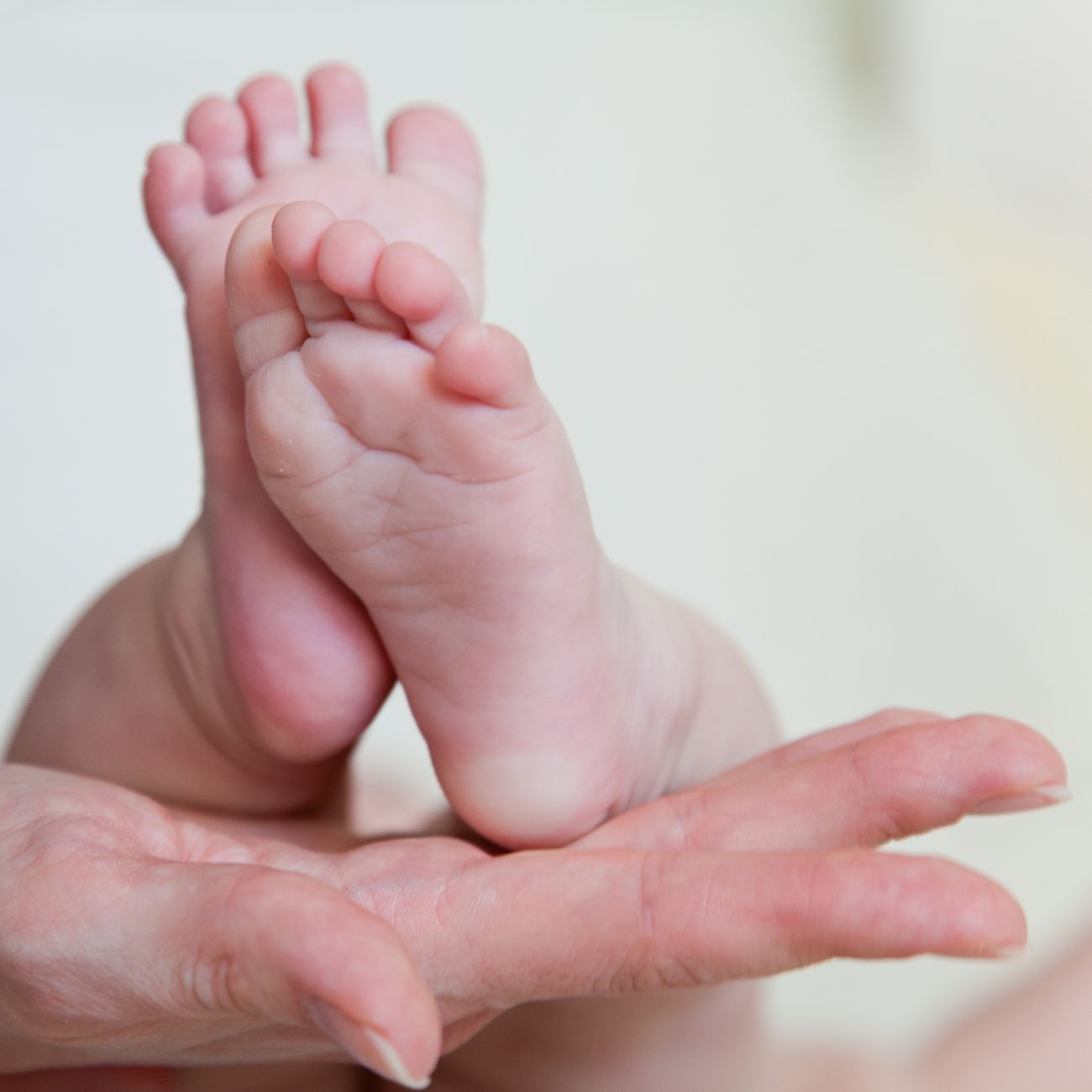
Anatomy and Physiology of the Foot is a crucial aspect of the Certificate in Foot Care course, as it provides a thorough understanding of the structure and function of the foot. The foot is a complex and highly specialized part of the human body, comprising 26 bones, 33 joints, and over 100 muscles, tendons, and ligaments. Understanding the anatomy and physiology of the foot is essential for providing effective foot care and managing various foot-related conditions.
The foot can be divided into three main sections: The forefoot, midfoot, and hindfoot. The forefoot consists of the toes and the metatarsal bones, which are the long bones that connect the toes to the rest of the foot. The midfoot is composed of the cuboid, navicular, and cuneiform bones, which form the arch of the foot. The hindfoot is made up of the calcaneus and talus bones, which form the heel and ankle joint.
The ankle joint is a complex joint that connects the foot to the leg. It is formed by the articulation of the tibia and fibula bones in the leg with the talus bone in the foot. The ankle joint is responsible for allowing movement of the foot in various directions, including dorsiflexion, plantarflexion, inversion, and eversion. Dorsiflexion is the movement of the foot upwards, towards the shin, while plantarflexion is the movement of the foot downwards, away from the shin. Inversion is the movement of the foot inwards, towards the midline of the body, while eversion is the movement of the foot outwards, away from the midline.
The foot also contains various soft tissues, including muscles, tendons, and ligaments. The muscles of the foot are responsible for controlling movement and providing support to the foot. The tibialis anterior muscle, for example, is responsible for dorsiflexion of the foot, while the gastrocnemius muscle is responsible for plantarflexion. The tendons of the foot connect the muscles to the bones and help to transmit forces from the muscles to the bones. The ligaments of the foot connect the bones to each other and provide stability to the foot.
The foot also contains various blood vessels and nerves that supply the foot with oxygen and nutrients. The dorsalis pedis artery is the main blood vessel that supplies the foot with oxygen and nutrients. The peroneal nerve is the main nerve that innervates the foot and provides sensation and motor control.
Understanding the anatomy and physiology of the foot is essential for providing effective foot care. For example, plantar fasciitis is a common condition that affects the foot, causing pain and inflammation in the plantar fascia, a band of tissue that runs along the bottom of the foot. To manage this condition, it is essential to understand the anatomy of the foot and the function of the plantar fascia. This includes understanding the biomechanics of the foot and how it affects the plantar fascia.
The biomechanics of the foot refers to the study of the movement and function of the foot. Understanding the biomechanics of the foot is essential for providing effective foot care, as it allows practitioners to identify and manage various foot-related conditions. For example, overpronation is a common condition that affects the foot, causing the foot to roll inwards excessively. This can lead to various problems, including flat feet and ankle instability. To manage this condition, it is essential to understand the biomechanics of the foot and how it affects the foot.
The foot also plays a crucial role in balance and proprioception. The foot contains various proprioceptors that provide feedback to the brain about the position and movement of the foot. This information is essential for maintaining balance and preventing falls. For example, the sole of the foot contains various Meissner's corpuscles that provide feedback to the brain about the texture and pressure of the ground.
In addition to its role in balance and proprioception, the foot also plays a crucial role in locomotion. The foot is responsible for pushing off the ground and propelling the body forward during walking and running. The gait cycle refers to the sequence of events that occurs during walking and running, including heel strike, midstance, and toe off. Understanding the gait cycle is essential for providing effective foot care, as it allows practitioners to identify and manage various gait-related disorders.
The foot is also susceptible to various injuries and conditions, including fractures, sprains, and strains. For example, ankle sprains are common injuries that occur when the ligaments that connect the bones in the ankle joint are stretched or torn. To manage this condition, it is essential to understand the anatomy and physiology of the ankle joint and the mechanism of injury.
The mechanism of injury refers to the sequence of events that leads to an injury. Understanding the mechanism of injury is essential for providing effective foot care, as it allows practitioners to identify and manage various injury-related conditions. For example, overuse injuries are common injuries that occur when the foot is subjected to repetitive stress and strain.
In addition to its role in injury prevention and management, the foot also plays a crucial role in athletic performance. The foot is responsible for generating power and speed during various athletic activities, including running, jumping, and cutting. Understanding the biomechanics of the foot is essential for optimizing athletic performance, as it allows practitioners to identify and manage various biomechanical disorders that can affect performance.
The foot is also susceptible to various systemic conditions that can affect the foot, including diabetes, arthritis, and neuropathy. For example, diabetic foot ulcers are common complications that occur in people with diabetes, causing nerve damage and poor circulation in the foot. To manage this condition, it is essential to understand the anatomy and physiology of the foot and the pathophysiology of diabetes.
The pathophysiology of a condition refers to the underlying mechanisms that contribute to the development and progression of the condition. Understanding the pathophysiology of a condition is essential for providing effective foot care, as it allows practitioners to identify and manage various condition-related disorders. For example, peripheral artery disease is a common condition that affects the foot, causing poor circulation and nerve damage. To manage this condition, it is essential to understand the anatomy and physiology of the foot and the pathophysiology of peripheral artery disease.
In addition to its role in managing various foot-related conditions, the foot also plays a crucial role in overall health and wellbeing. The foot is connected to various reflexology points that correspond to different organs and systems in the body. Understanding the reflexology of the foot is essential for providing effective foot care, as it allows practitioners to identify and manage various condition-related disorders.
The foot is also susceptible to various environmental factors that can affect the foot, including temperature, humidity, and pressure. For example, frostbite is a common condition that occurs when the foot is exposed to cold temperatures, causing nerve damage and tissue damage. To manage this condition, it is essential to understand the anatomy and physiology of the foot and the effects of cold temperatures on the foot.
In addition to its role in managing various foot-related conditions, the foot also plays a crucial role in rehabilitation and physical therapy. The foot is responsible for providing stability and support during various rehabilitation exercises, including balance exercises and strengthening exercises. Understanding the biomechanics of the foot is essential for providing effective rehabilitation and physical therapy, as it allows practitioners to identify and manage various biomechanical disorders that can affect rehabilitation.
The foot is also susceptible to various age-related changes that can affect the foot, including osteoporosis, arthritis, and nerve damage. For example, age-related foot pain is a common condition that occurs when the foot is subjected to repetitive stress and strain over time, causing joint pain and muscle weakness. To manage this condition, it is essential to understand the anatomy and physiology of the foot and the effects of aging on the foot.
In addition to its role in managing various foot-related conditions, the foot also plays a crucial role in pediatric foot care. The foot is responsible for providing stability and support during various developmental stages, including infancy and adolescence. Understanding the anatomy and physiology of the foot is essential for providing effective pediatric foot care, as it allows practitioners to identify and manage various foot-related disorders that can affect development.
The foot is also susceptible to various genetic conditions that can affect the foot, including clubfoot and flat feet. For example, clubfoot is a common condition that occurs when the foot is twisted out of shape, causing limited mobility and deformity. To manage this condition, it is essential to understand the anatomy and physiology of the foot and the genetic factors that contribute to the development of clubfoot.
In addition to its role in managing various foot-related conditions, the foot also plays a crucial role in sports medicine. The foot is responsible for generating power and speed during various athletic activities, including running, jumping, and cutting.
The foot is also susceptible to various traumatic injuries that can affect the foot, including fractures, dislocations, and ligament sprains. For example, ankle fractures are common injuries that occur when the bones in the ankle joint are broken, causing pain and instability. To manage this condition, it is essential to understand the anatomy and physiology of the foot and the mechanism of injury.
For example, overuse injuries are common injuries that occur when the foot is subjected to repetitive stress and strain, causing pain and inflammation.
In addition to its role in managing various foot-related conditions, the foot also plays a crucial role in wound care. The foot is susceptible to various wounds that can affect the foot, including diabetic foot ulcers and pressure ulcers. Understanding the anatomy and physiology of the foot is essential for providing effective wound care, as it allows practitioners to identify and manage various wound-related disorders that can affect healing.
The foot is also susceptible to various infections that can affect the foot, including bacterial infections and fungal infections. For example, athlete's foot is a common infection that occurs when the foot is infected with a fungus, causing itching and inflammation. To manage this condition, it is essential to understand the anatomy and physiology of the foot and the pathophysiology of fungal infections.
The foot plays a crucial role in balance and proprioception, locomotion, and athletic performance. Understanding the biomechanics of the foot is essential for providing effective foot care, as it allows practitioners to identify and manage various biomechanical disorders that can affect the foot.
The foot is also connected to various reflexology points that correspond to different organs and systems in the body. The foot plays a crucial role in overall health and wellbeing, and understanding the anatomy and physiology of the foot is essential for providing effective foot care and managing various foot-related conditions.
The foot is susceptible to various environmental factors that can affect the foot, including temperature, humidity, and pressure.
Key takeaways
- Anatomy and Physiology of the Foot is a crucial aspect of the Certificate in Foot Care course, as it provides a thorough understanding of the structure and function of the foot.
- The forefoot consists of the toes and the metatarsal bones, which are the long bones that connect the toes to the rest of the foot.
- The ankle joint is responsible for allowing movement of the foot in various directions, including dorsiflexion, plantarflexion, inversion, and eversion.
- The tibialis anterior muscle, for example, is responsible for dorsiflexion of the foot, while the gastrocnemius muscle is responsible for plantarflexion.
- The foot also contains various blood vessels and nerves that supply the foot with oxygen and nutrients.
- For example, plantar fasciitis is a common condition that affects the foot, causing pain and inflammation in the plantar fascia, a band of tissue that runs along the bottom of the foot.
- Understanding the biomechanics of the foot is essential for providing effective foot care, as it allows practitioners to identify and manage various foot-related conditions.