
Trade Agreements and Negotiations
Trade Agreement refers to a legally binding instrument between two or more sovereign entities that sets out the terms and conditions under which they will conduct trade with one another. It may be bilateral, involving two parties, or multil…
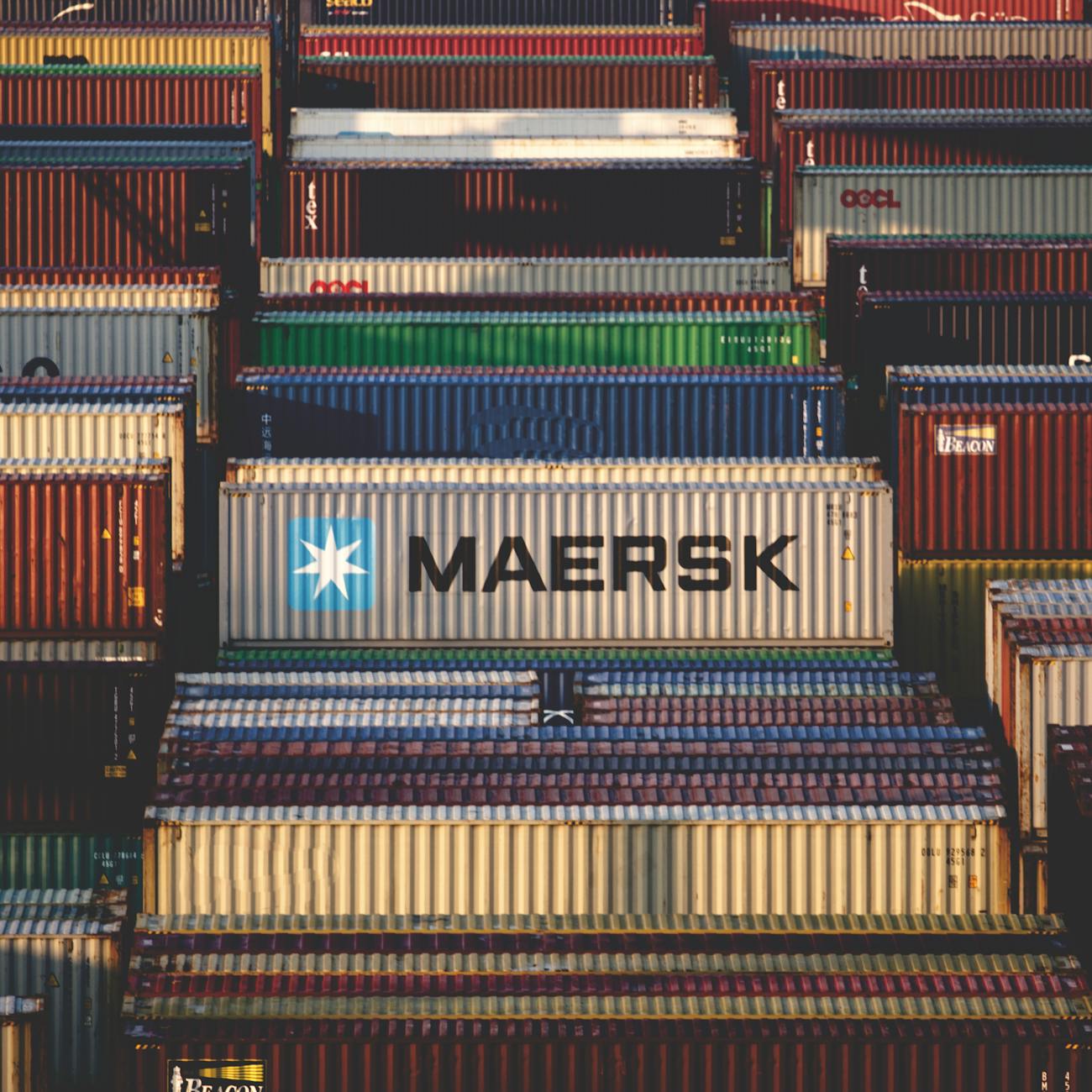
Trade Agreement refers to a legally binding instrument between two or more sovereign entities that sets out the terms and conditions under which they will conduct trade with one another. It may be bilateral, involving two parties, or multilateral, involving three or more. A Free Trade Agreement (FTA) is a specific type of trade agreement that seeks to eliminate or substantially reduce tariffs, quotas, and other barriers on substantially all goods and services traded between the parties. The purpose of an FTA is to create a more open market, enhance competition, and stimulate economic growth for the signatories.
A Customs Union goes a step further than an FTA by not only removing tariffs among members but also establishing a common external tariff (CET) on imports from non‑members. The European Union (EU) customs territory is a classic example. When a customs union evolves into a Common Market, the integration deepens to include the free movement of factors of production—such as labor, capital, and services—alongside the removal of trade barriers. The EU single market embodies this level of integration.
Regional Trade Agreement (RTA) is a broader term that encompasses FTAs, customs unions, common markets, and any other form of economic integration that is limited to a particular geographic region. The ASEAN Free Trade Area (AFTA) and the Comprehensive and Progressive Agreement for Trans-Pacific Partnership (CPTPP) are prominent RTAs that illustrate the diversity of objectives, ranging from tariff liberalisation to the harmonisation of standards.
Most‑Favoured‑Nation (MFN) is a cornerstone principle of the World Trade Organization (WTO) framework. Under an MFN clause, a WTO member must extend to all other members the same favourable trade terms that it offers to its “most‑favoured” trading partner. The MFN principle prevents discrimination and ensures a level playing field. An MFN clause may be waived in the context of a preferential trade agreement, provided that the waiver is explicitly stated and consistent with WTO rules.
National Treatment obliges a host country to treat foreign‑origin goods, services, and investors no less favourably than domestic equivalents once they have entered the market. This principle is aimed at eliminating hidden barriers that could undermine the benefits of tariff reductions. For example, a country that eliminates import duties on a product must also refrain from imposing higher regulatory fees on that same product when produced locally.
Tariff is a tax imposed by a government on imported goods. Tariffs can be specific (a fixed amount per unit) or ad valorem (a percentage of the customs value). In the context of a trade agreement, parties often agree on a schedule of tariff reductions that may be immediate, phased‑in over a transitional period, or contingent upon certain performance benchmarks. The depth of tariff liberalisation is a key indicator of the ambition of an agreement.
Non‑Tariff Barrier (NTB) refers to any trade‑restrictive measure that does not involve a tariff. NTBs include quotas, import licences, sanitary and phytosanitary (SPS) requirements, technical standards, and customs procedures that can impede market access. While NTBs are often justified on health, safety, or environmental grounds, they can also be used as disguised protectionism. Effective trade agreements contain provisions that limit the use of NTBs and provide transparent mechanisms for their review.
Quota sets a quantitative limit on the amount of a particular product that can be imported over a specified period. Quotas are generally considered more restrictive than tariffs because they cap volume irrespective of price fluctuations. In many modern agreements, quotas are eliminated in favour of tariff reductions, but they may persist for sensitive agricultural products.
Subsidy is a financial contribution by a government that confers a benefit on a specific industry or enterprise. Subsidies can distort competition and are therefore subject to regulation under WTO rules. The Agreement on Subsidies and Countervailing Measures (SCM) defines prohibited subsidies (e.G., Export subsidies) and provides a framework for remedial actions such as countervailing duties.
Anti‑Dumping duties are imposed when a foreign producer sells a product in the importing country at a price below its normal value, often defined as the domestic price in the exporting country. Dumping can cause injury to the domestic industry, and anti‑dumping investigations aim to determine whether such injury exists and whether duties are justified. Trade agreements may contain “anti‑dumping” clauses that set procedural safeguards to prevent abuse of the measure.
Rules of Origin (ROO) are criteria used to determine the nationality of a product for the purposes of applying preferential tariff treatment. ROO are essential in multilateral arrangements where a product may pass through several countries before reaching its final destination. For example, a garment assembled in Country A from fabric sourced in Country B may be considered originating in Country A if the agreement requires a minimum percentage of value‑added content. Companies must maintain detailed documentation to prove compliance, and failure to do so can result in the loss of preferential treatment and the imposition of standard duties.
Sanitary and Phytosanitary (SPS) Measures are regulations that protect human, animal, and plant health. SPS measures are often the most contentious elements of trade negotiations because they intersect with domestic policy objectives. The SPS Agreement permits members to adopt measures that are scientifically justified, but it also requires that they be based on risk assessments, be no more trade‑restrictive than necessary, and be applied in a non‑discriminatory manner. An example of SPS implementation is the requirement for meat imports to be accompanied by a health certificate confirming that the product meets the importing country’s safety standards.
Technical Barriers to Trade (TBT) encompass standards, technical specifications, and conformity assessment procedures that could impede trade. The TBT Agreement encourages the use of international standards, such as those developed by the International Organization for Standardization (ISO), to reduce unnecessary divergence. In practice, a country may require a particular labelling format for electronic goods; a TBT clause in an agreement may stipulate that such labelling must be mutually recognised or that the standard must be based on an internationally accepted benchmark.
Dispute Settlement Mechanism (DSM) provides a formal process for resolving disagreements that arise from the interpretation or application of the agreement. The WTO’s DSM, for instance, includes consultation, panel, and Appellate Body stages. Regional agreements often adopt their own DSM, which may involve joint committees, mediation panels, or arbitration tribunals. The DSM is critical for ensuring that parties can enforce their rights without resorting to unilateral measures that could undermine the agreement’s stability.
Consultation is the first step in most dispute‑settlement processes. It requires the aggrieved party to formally request discussions with the counterpart to resolve the issue amicably. If consultations fail, the matter may proceed to mediation or arbitration. The emphasis on consultation reflects the principle that parties should exhaust diplomatic avenues before invoking more coercive remedies.
Mediation involves a neutral third party who assists the disputants in reaching a mutually acceptable solution. Mediation is voluntary and non‑binding unless the parties expressly agree to adopt the mediator’s recommendations. In some agreements, mediation is mandatory after a failed consultation but before arbitration can be initiated.
Arbitration is a more formal adjudicative process in which an independent tribunal renders a binding decision. Arbitration can be either “hard law” (legally binding and enforceable) or “soft law” (non‑binding guidance). The choice depends on the parties’ preference for certainty versus flexibility. The United Nations Commission on International Trade Law (UNCITRAL) provides a widely used set of arbitration rules that many bilateral agreements adopt.
Binding Arbitration produces a final award that the parties must implement. Enforcement mechanisms may include the right to seek execution through domestic courts, the imposition of retaliatory measures, or the suspension of preferential benefits. A well‑drafted arbitration clause will specify the seat of arbitration, the language of the proceedings, and the applicable law.
Soft Law refers to instruments that are not legally enforceable but carry persuasive authority, such as declarations, guidelines, and codes of conduct. Soft‑law provisions are common in newer areas like digital trade and environmental standards, where rapid technological change outpaces the ability to negotiate binding text. While soft law does not create enforceable rights, it can influence future treaty interpretation and domestic legislation.
Hard Law consists of obligations that are legally binding and enforceable under international law. Most trade agreements contain hard‑law provisions, especially those dealing with market access, tariff schedules, and dispute settlement. Hard law creates predictability and provides a basis for legal recourse if a party breaches its commitments.
Schedule of Commitments is the part of a trade agreement that lists the specific obligations each party undertakes. It may include tariff elimination tables, quantitative restrictions, and sector‑specific liberalisation commitments. The schedule is often annexed to the main text and may be updated through subsequent protocols. Understanding the schedule is essential for businesses that seek to benefit from preferential treatment, as it defines the exact products and services covered.
Market Access denotes the conditions under which foreign goods and services can enter a domestic market. It is measured by the level of tariffs, the presence of NTBs, regulatory conformity, and the openness of procurement processes. Negotiators frequently use market‑access tables to compare the concessions offered by each side and to identify areas where further liberalisation is possible.
Tariff Elimination is the complete removal of a duty on a specific product. It is often the ultimate goal of an FTA, although some sensitive products may be excluded or subject to gradual phase‑out schedules. For example, the US‑Mexico‑Canada Agreement (USMCA) eliminated tariffs on most industrial goods immediately, while agricultural products were phased out over a ten‑year period.
Tariff Reduction involves lowering the rate of a duty rather than eliminating it entirely. Reductions may be expressed in percentage points or as a percentage of the original rate. A “tariff reduction ladder” may be used, where each step corresponds to a pre‑agreed schedule that both parties follow. The ladder approach provides predictability and allows domestic industries time to adjust.
Phase‑Out refers to a transitional arrangement whereby a tariff or quota is gradually reduced over a set period. Phase‑out periods are common for sectors that are politically sensitive, such as agriculture, textiles, and automotive parts. The length of the phase‑out is often a point of intense negotiation because it balances the desire for rapid liberalisation with the need to protect vulnerable domestic producers.
Transitional Period is a broader concept that includes any temporary measures agreed upon to ease the adjustment to the new regime. It may encompass tariff phase‑outs, regulatory alignment timelines, and capacity‑building programmes for less‑developed parties. Successful management of the transitional period is crucial for maintaining the political viability of the agreement.
Reciprocity is the principle that each party should provide comparable benefits to the other. In practice, reciprocity can be “balanced” (equal value of concessions) or “asymmetric” (different levels of liberalisation but with compensatory measures). Asymmetric reciprocity is common when a developed country offers greater market access to a developing partner in exchange for commitments on labour standards or environmental protections.
Asymmetric Liberalisation describes a situation where one party undertakes deeper concessions than the other, often justified by development considerations or strategic interests. While it can be politically palatable, asymmetric liberalisation may create trade‑distortion concerns if the more liberalised side gains a competitive advantage without providing commensurate benefits.
Trade‑Related Investment Measures (TRIMs) are policies that affect foreign direct investment (FDI) and are covered under the WTO TRIMs Agreement. They include performance requirements, such as local content mandates or export‑linked investment incentives, which are generally prohibited because they discriminate against foreign investors. Modern FTAs often contain TRIMs‑related clauses that affirm the right of each party to regulate investment while ensuring that such measures are transparent and non‑discriminatory.
Intellectual Property Rights (IPR) protection is a frequent component of trade agreements, particularly in the context of the Agreement on Trade‑Related Aspects of Intellectual Property Rights (TRIPS). Provisions may cover patents, trademarks, copyrights, geographical indications, and trade‑secrets. Strong IPR clauses are intended to create a predictable environment for innovators, but they can also raise concerns about access to medicines and technology transfer, especially for developing economies.
TRIPS Agreement establishes minimum standards for IPR protection that WTO members must implement. Many FTAs go beyond TRIPS by extending patent terms, enhancing enforcement mechanisms, or adding data‑exclusivity provisions. The “TRIPS‑plus” approach can be controversial because it may limit the policy space of developing countries to address public health needs.
Dispute Resolution Panel is the body that hears the merits of a dispute after consultations have failed. Panels are composed of independent experts who assess the evidence, interpret the relevant provisions, and issue findings and recommendations. The panel’s report may be adopted by the dispute‑settlement body and become binding on the parties.
General Agreement on Tariffs and Trade (GATT) is the predecessor to the WTO and provides the foundational legal framework for most trade‑related obligations. Many of the principles enshrined in GATT, such as MFN and national treatment, continue to apply to modern agreements. Understanding GATT’s historical context helps negotiators appreciate the evolution of trade norms and the rationale behind certain provisions.
World Trade Organization (WTO) is the global institution that administers the multilateral trading system. While regional agreements operate outside the WTO’s direct jurisdiction, they must be compatible with WTO rules unless an explicit waiver is obtained. The WTO also serves as a forum for negotiating new multilateral agreements and for reviewing existing ones.
United Nations Commission on International Trade Law (UNCITRAL) develops model laws and rules that facilitate international trade, including the UNCITRAL Arbitration Rules. These rules are often incorporated by reference into bilateral investment treaties and FTAs to provide a neutral, internationally recognised framework for dispute resolution.
Confidentiality provisions protect the exchange of sensitive commercial information during negotiations and dispute settlement. They are essential for encouraging businesses to participate in consultations without fear of competitive disadvantage. However, excessive confidentiality can undermine transparency and public accountability, especially where civil‑society stakeholders demand insight into the agreement’s impact.
Transparency obligations require parties to publish their laws, regulations, and administrative procedures that affect trade. Transparency measures may include notifying the other party of changes to customs procedures, providing access to regulatory impact assessments, and establishing public consultation mechanisms. Transparency enhances predictability and reduces the likelihood of disputes.
Capacity Building refers to assistance provided to less‑developed parties to help them implement and benefit from the agreement. It may involve technical training, legal assistance, and financial support for infrastructure upgrades. Capacity‑building programmes are often funded through dedicated “development assistance” sections of an agreement.
Least‑Developed Countries (LDCs) are a specific UN classification for the world’s poorest nations. Many FTAs include special and differential treatment (SDT) provisions for LDCs, such as longer transition periods, exemption from certain obligations, and preferential market‑access schedules. SDT aims to ensure that trade liberalisation does not exacerbate existing development challenges.
Developing Countries enjoy a range of flexibilities under WTO rules, including longer implementation periods and the ability to protect certain sectors. Trade agreements often tailor obligations to reflect the development status of each party, balancing the need for market opening with the goal of supporting sustainable growth.
Developed Countries are generally expected to provide the most liberal market‑access commitments and to refrain from imposing protectionist measures. In reciprocal negotiations, developed parties may seek commitments on labour rights, environmental standards, and IPR enforcement as part of a “value‑added” approach to trade liberalisation.
Negotiation Strategy is the overarching plan that guides a country’s approach to the talks. It includes the identification of priorities, the allocation of bargaining chips, and the management of domestic political constraints. A well‑crafted strategy aligns the technical objectives of the trade team with the broader foreign‑policy goals of the government.
Agenda Setting determines the topics that will be addressed in the negotiations. Early agenda‑setting can shape the scope of the agreement and influence the sequencing of difficult issues. For example, parties may choose to settle “low‑hanging fruit” such as tariff reductions on industrial goods before tackling more contentious matters like agricultural market‑access or labour provisions.
Position Paper is a written document that outlines a party’s official stance on each negotiation item. It serves as a reference for delegates, provides consistency across negotiating rounds, and signals to the counterpart the minimum acceptable outcomes. Position papers are often revised as the negotiation progresses and new information emerges.
Red Line denotes a non‑negotiable position that a party is unwilling to compromise on. Red lines are typically determined by senior policymakers and may relate to core economic interests, sovereignty concerns, or political constraints. Clearly communicating red lines helps prevent wasted time on intractable issues, but they must be managed carefully to avoid deadlock.
Concessions are the commitments that a party agrees to make in exchange for reciprocal benefits. Concessions can be tariff cuts, regulatory harmonisation, or the adoption of specific standards. The total value of concessions is often measured in “percentage points of tariff reduction” or “market‑access gains” and is used to assess the overall balance of the deal.
Trade‑offs occur when a party must sacrifice one benefit to obtain another. For instance, a country may accept a higher tariff on a sensitive agricultural product in order to secure greater market access for its high‑technology exports. Understanding trade‑offs is essential for reaching a mutually acceptable compromise.
Win‑Win is an aspirational outcome where both parties perceive that they have gained more than they have given up. While not all negotiations achieve a pure win‑win, the concept guides the search for solutions that create synergies, such as joint standards that reduce compliance costs for both sides.
Zero‑Sum describes a situation where one party’s gain is exactly the other’s loss. In trade negotiations, zero‑sum dynamics often surface in quota negotiations or when one side seeks to protect a domestic industry at the expense of the other’s market‑access aspirations. Recognising zero‑sum elements helps negotiators devise creative mechanisms—such as “tariff‑rate quotas” or “safeguard” provisions—that mitigate the adversarial nature of the issue.
Opt‑Out clauses allow a party to exclude certain products or sectors from the agreement’s obligations. Opt‑outs are frequently used for sensitive agricultural commodities, cultural goods, or public‑policy areas like health services. While opt‑outs preserve policy space, they can also reduce the overall depth of liberalisation and may be viewed unfavourably by the counterpart.
Opt‑In is the opposite mechanism, whereby a party voluntarily includes a sector that is not covered by the default scope of the agreement. Opt‑in can be a strategic move to demonstrate goodwill or to open a market for a specific export sector.
Clause is a distinct provision within the agreement that sets out rights, obligations, or procedures. Clauses may be substantive (e.G., Market‑access commitments) or procedural (e.G., Dispute‑settlement rules). Precise drafting of clauses is crucial because ambiguous language can lead to divergent interpretations and subsequent disputes.
Carve‑Out refers to a specific exemption that removes a product or sector from the general obligations of the agreement. Carve‑outs are negotiated to protect domestic industries deemed vital for national security or cultural identity. For example, a country might carve out its film industry from the liberalisation of audiovisual services.
Exemption is similar to a carve‑out but generally applies to temporary or conditional relief from an obligation. Exemptions may be granted for a limited period during the transition phase or contingent upon the fulfilment of specific conditions, such as the implementation of domestic support programmes.
Sunset Clause sets an expiration date for a particular provision, after which the clause becomes ineffective unless renewed. Sunset clauses are useful for experimental measures, such as temporary anti‑dumping duties, allowing parties to reassess the necessity of the measure after a defined period.
Review Clause obliges parties to periodically examine the agreement’s operation and to consider amendments. Review mechanisms can be scheduled (e.G., Every five years) or triggered by a formal request from a party. Regular reviews help keep the agreement relevant in the face of technological change, evolving market conditions, and new policy priorities.
Implementation is the process by which a country translates the agreement’s obligations into domestic law, regulations, and administrative procedures. Effective implementation requires coordination among ministries of trade, customs, finance, agriculture, and other relevant agencies. Delays or gaps in implementation can undermine the benefits of the agreement and may be a source of disputes.
Monitoring involves the systematic collection and analysis of data to assess compliance with the agreement. Monitoring bodies may be joint committees, independent experts, or secretariats tasked with tracking tariff reductions, rule‑of‑origin usage, and the application of NTB provisions. Transparent monitoring reports enhance confidence among parties and provide early warning of potential breaches.
Enforcement refers to the actions taken when a party fails to meet its obligations. Enforcement mechanisms may include the imposition of counter‑measures, the suspension of preferential treatment, or the initiation of dispute‑settlement proceedings. The credibility of enforcement is essential for maintaining the rule‑of‑law character of the trade regime.
Compliance is the ongoing adherence to the agreement’s terms. Compliance programmes may involve training customs officials, establishing internal audit procedures, and conducting self‑assessment surveys. Companies often develop compliance manuals to ensure that their operations align with the agreement’s requirements, especially regarding ROO and product standards.
Sanctions are punitive measures imposed in response to a breach of the agreement. Sanctions can take the form of additional duties, the revocation of market‑access privileges, or the suspension of trade‑facilitation benefits. The threat of sanctions provides a deterrent effect, encouraging parties to resolve issues through consultation and negotiation rather than resorting to unilateral actions.
Retaliation is a specific type of sanction that allows a harmed party to impose equivalent restrictive measures on the offending party. Retaliatory measures must be proportionate to the injury suffered and are usually subject to approval by a dispute‑settlement body. The possibility of retaliation can be a powerful lever in negotiations, prompting parties to settle disputes before they escalate.
Counter‑measures are actions taken by an aggrieved party that are consistent with the agreement’s dispute‑settlement rules. Counter‑measures differ from retaliation in that they are authorised by the dispute‑settlement body and are intended to restore balance rather than to punish. They may include the imposition of duties equivalent to the loss incurred.
Trade Facilitation encompasses measures that simplify and modernise customs procedures, reduce transaction costs, and expedite the movement of goods across borders. The WTO Trade Facilitation Agreement (TFA) sets out standards for customs cooperation, risk management, and the use of electronic data interchange. In regional agreements, trade‑facilitation chapters often include commitments to adopt a “single window” system, mutual recognition of authorised economic operators, and streamlined documentation requirements.
Customs Cooperation is a key element of trade facilitation. It involves information sharing, joint inspections, and coordinated risk‑assessment procedures between customs authorities of the participating countries. Effective customs cooperation reduces duplication, speeds clearance, and enhances security.
Single Window is an electronic platform that allows traders to submit all import‑related documents to a single point of entry, which then disseminates the information to the relevant agencies. The single‑window concept reduces administrative burden, improves data accuracy, and shortens clearance times. Many FTAs include a commitment to develop or harmonise single‑window systems among the parties.
e‑Commerce provisions address the cross‑border flow of digital services, data, and online transactions. Modern agreements increasingly contain clauses that prohibit customs duties on electronic transmissions, protect the free flow of data, and limit data‑localisation requirements. For example, the United States‑Mexico‑Canada Agreement includes a chapter on digital trade that bans customs duties on electronic transmissions and requires the parties to adopt a “no‑or‑limited‑restriction” approach to the cross‑border transfer of data.
Data Localisation requirements obligate businesses to store data within a country’s borders. While such measures are often justified on privacy or security grounds, they can create barriers to trade in services and increase compliance costs. Trade agreements may contain “data‑flow” clauses that limit the ability of governments to impose localisation mandates, subject to certain exceptions for national security or public policy.
Privacy considerations intersect with trade rules when personal data is transferred across borders. Agreements may reference existing international privacy frameworks, such as the EU General Data Protection Regulation (GDPR), and may require parties to provide adequate protection for personal data. Balancing privacy with the free flow of information is a complex challenge in modern negotiations.
Environmental Provisions reflect the growing recognition that trade and sustainability are interlinked. Environmental chapters can include commitments to enforce existing environmental laws, cooperate on sustainable resource management, and promote green technologies. Some agreements incorporate “green‑clause” language that allows parties to adopt or maintain environmental measures that are consistent with the agreement’s objectives.
Labor Standards provisions aim to ensure that trade liberalisation does not undermine workers’ rights. They may reference the International Labour Organization (ILO) conventions on freedom of association, collective bargaining, and the elimination of forced labour. Enforcement mechanisms for labour standards can range from consultation procedures to the possibility of invoking dispute‑settlement mechanisms.
Human Rights considerations have become increasingly prominent in trade agreements. Clauses may require parties to respect internationally recognised human‑rights standards, and may provide for monitoring by independent bodies. While human‑rights provisions are often symbolic, they can influence the perception of the agreement among civil‑society stakeholders and affect ratification processes.
Sustainable Development is an overarching goal that integrates economic growth, social inclusion, and environmental protection. Many modern FTAs adopt a “triple‑bottom‑line” approach, stating that the parties shall pursue trade that contributes to sustainable development. The implementation of sustainable‑development objectives may involve capacity‑building projects, joint research initiatives, and the alignment of standards with the United Nations Sustainable Development Goals (SDGs).
Green Clause is a specific environmental provision that obliges parties to cooperate on climate‑change mitigation, biodiversity conservation, or the promotion of renewable‑energy technologies. Green‑clause language may be vague, allowing flexibility, or it may contain measurable targets, such as a commitment to reduce greenhouse‑gas emissions by a certain percentage.
Climate‑Change provisions can include commitments to align with the Paris Agreement, to develop carbon‑pricing mechanisms, or to cooperate on climate‑resilience projects. Trade agreements may also address “carbon‑border adjustment” measures, which impose charges on imports based on their carbon intensity, thereby preventing carbon leakage.
Regulatory Cooperation involves the harmonisation or mutual recognition of standards, conformity‑assessment procedures, and certification processes. By reducing duplication, regulatory cooperation lowers trade costs and speeds market entry. For example, the EU’s mutual‑recognition agreement with the United Kingdom on medical devices allows manufacturers to use a single conformity‑assessment certificate across both markets.
Mutual Recognition is a specific form of regulatory cooperation where each party accepts the other’s conformity‑assessment results as equivalent to its own. Mutual‑recognition agreements (MRAs) are common in sectors such as telecommunications, aerospace, and pharmaceuticals, where safety and quality standards are paramount.
Standards Harmonisation goes beyond mutual recognition by aligning the technical specifications themselves. Harmonisation reduces the need for separate testing and certification, thereby facilitating trade. International standard‑setting bodies, like the International Electrotechnical Commission (IEC), play a pivotal role in providing the reference frameworks for harmonisation.
Pre‑Negotiation activities include the development of a negotiating mandate, internal consultations, and the preparation of a strategic brief. A mandate defines the scope of authority granted to the negotiating team, the objectives to be pursued, and the red‑line positions that cannot be compromised. The quality of pre‑negotiation work often determines the efficiency of the subsequent talks.
Mandate is a formal document issued by the government that authorises the negotiating team to engage in talks and specifies the limits of authority. It may include quantitative targets, such as “reduce average applied tariff on industrial goods by 30 %,” and qualitative goals, such as “protect strategic industries.” A clear mandate prevents internal discord and ensures that the team remains focused on the national interest.
Mandate Letters are communications sent to delegations of other parties, outlining the negotiating team’s authority and signalling the seriousness of the country’s commitment to the process. They can serve as confidence‑building tools, especially when parties have previously experienced broken promises or unilateral actions.
Delegation comprises the lead negotiator(s), technical experts, legal advisers, and supporting staff. The composition of the delegation reflects the complexity of the issues under negotiation. For instance, a delegation negotiating a digital‑trade chapter will include specialists in cyber‑law, data protection, and e‑commerce, whereas a delegation focused on agriculture will involve representatives from the ministries of agriculture, rural development, and finance.
Lead Negotiator is the person who heads the delegation, coordinates the team’s strategy, and serves as the primary point of contact with the counterpart’s lead negotiator. The lead negotiator must possess a deep understanding of both the substantive issues and the political context, as well as the diplomatic skill to manage sensitive concessions.
Technical Experts provide the detailed analysis required to draft precise clauses, assess the impact of proposed measures, and develop implementation plans. Their expertise ensures that the agreement’s language reflects the realities of the sector concerned and that the commitments are feasible. For example, customs experts may draft the rules‑of‑origin provisions, while environmental scientists contribute to the green‑clause language.
Stakeholder Consultation is the process of engaging interested parties—such as industry associations, labour unions, NGOs, and academia—to gather input on negotiation objectives and to build consensus. Effective stakeholder consultation can improve the legitimacy of the agreement, anticipate implementation challenges, and identify potential areas of resistance. Consultation may take the form of public hearings, written submissions, or round‑table workshops.
Public Consultation expands the stakeholder engagement to the broader population, often through online portals or media campaigns. Public consultation is especially important for agreements that have significant social or environmental implications, as it allows citizens to voice concerns and influence the final text. Transparency in the consultation process can reduce the risk of post‑ratification protests or legal challenges.
Transparent Process is a principle that requires negotiators to disclose the status of talks, the main points of contention, and the anticipated benefits of the agreement. Transparency builds trust among domestic constituencies and can mitigate the perception that trade deals are negotiated behind closed doors. However, excessive transparency may also constrain negotiating flexibility, as parties become aware of each other’s positions earlier than they would prefer.
Drafting is the stage where the negotiated outcomes are translated into legal text. Precise drafting is essential to avoid ambiguity, which can lead to divergent interpretations and subsequent disputes. Drafting teams work closely with legal advisers to ensure that the language complies with international standards, reflects the parties’ intentions, and is internally consistent.
Textual Amendment refers to a change made to the agreement after it has entered into force, usually through a formal amendment process. Amendments may be required to address unforeseen developments, to incorporate new standards, or to correct drafting errors. The amendment procedure is typically outlined in a review or amendment clause and may require consensus or a qualified majority.
Protocol is an ancillary instrument that supplements the main agreement, often used to add new commitments, clarify existing provisions, or introduce additional mechanisms.
Key takeaways
- A Free Trade Agreement (FTA) is a specific type of trade agreement that seeks to eliminate or substantially reduce tariffs, quotas, and other barriers on substantially all goods and services traded between the parties.
- When a customs union evolves into a Common Market, the integration deepens to include the free movement of factors of production—such as labor, capital, and services—alongside the removal of trade barriers.
- Regional Trade Agreement (RTA) is a broader term that encompasses FTAs, customs unions, common markets, and any other form of economic integration that is limited to a particular geographic region.
- An MFN clause may be waived in the context of a preferential trade agreement, provided that the waiver is explicitly stated and consistent with WTO rules.
- National Treatment obliges a host country to treat foreign‑origin goods, services, and investors no less favourably than domestic equivalents once they have entered the market.
- In the context of a trade agreement, parties often agree on a schedule of tariff reductions that may be immediate, phased‑in over a transitional period, or contingent upon certain performance benchmarks.
- NTBs include quotas, import licences, sanitary and phytosanitary (SPS) requirements, technical standards, and customs procedures that can impede market access.