
Warehouse Management
Warehouse Management is the systematic coordination of all activities that take place within a storage facility, from the moment goods arrive until they are shipped out. It involves planning, organizing, directing, and controlling the movem…
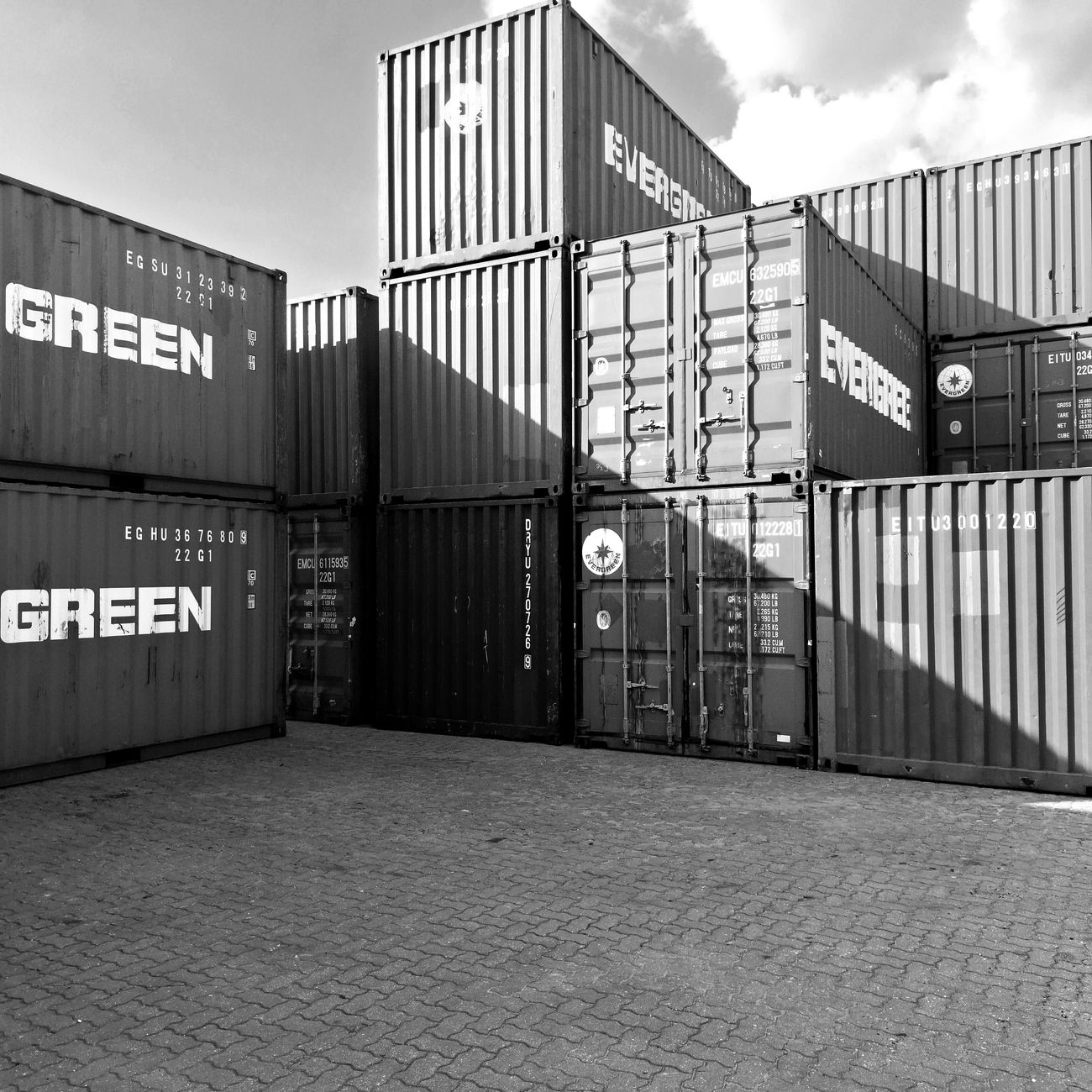
Warehouse Management is the systematic coordination of all activities that take place within a storage facility, from the moment goods arrive until they are shipped out. It involves planning, organizing, directing, and controlling the movement and storage of inventory, as well as the handling of related information. Mastery of the terminology used in this field is essential for anyone pursuing a Professional Certificate in Supply Chain Management and Logistics, because clear communication underpins efficient operations, accurate reporting, and effective problem solving.
Inbound Logistics refers to the processes that bring raw materials, components, and finished goods into the warehouse. This includes activities such as receiving, unloading, inspection, and put‑away. For example, a retailer that orders seasonal apparel from a supplier must coordinate the arrival of pallets, verify the quantity and condition of each carton, and then direct the items to the appropriate storage locations. Common challenges in inbound logistics are inaccurate shipment documentation, delayed carrier arrivals, and damage during transport. Effective inbound management reduces lead time, minimizes handling costs, and improves inventory accuracy.
Receiving is the first operational step after goods enter the facility. It involves confirming that the shipment matches the purchase order, checking for visible damage, and recording the receipt in the inventory system. A typical receiving workflow starts with the dock door opening, followed by the unloading of pallets onto a dock leveler, and then the scanning of barcodes to capture item numbers, quantities, and batch numbers. Errors at this stage, such as failing to note a short shipment, can cascade into stockouts or excess inventory downstream.
Put‑away is the process of moving received items from the receiving area to their designated storage locations. The goal is to store products in a way that maximizes space utilization, facilitates easy retrieval, and aligns with inventory control policies. For instance, fast‑moving items (often called high‑velocity SKUs) are typically placed in accessible zones near the picking area, while slower‑moving or seasonal items may be stored on higher racking levels. Put‑away decisions are frequently supported by a Warehouse Management System (WMS), which generates optimal location recommendations based on real‑time data.
Storage Methods encompass the various ways that goods are arranged within a warehouse. The choice of method depends on product characteristics, turnover rates, and the physical constraints of the facility. Below are the most common storage configurations:
1. Selective Racking – Also known as single‑deep racking, each pallet is stored on an individual level, providing direct access to every SKU. This method is ideal for a diverse product mix with moderate turnover. A challenge is the lower space efficiency compared to higher‑density systems.
2. Double‑Deep Racking – Pallets are stored two deep, increasing storage capacity by up to 30 percent. However, the front pallet must be removed before accessing the rear one, which may require additional equipment such as a double‑deep forklift.
3. Push‑Back Racking – Pallets are placed on a sloped rail that allows them to be pushed back as new pallets arrive. This creates a LIFO (last‑in, first‑out) storage pattern, useful for items with similar demand patterns. The system offers high density but can be more complex to maintain.
4. Flow Racking – Also called gravity flow racks, pallets move forward on inclined rollers as new pallets are loaded from the back. This system supports FIFO (first‑in, first‑out) inventory rotation, which is crucial for perishable goods.
5. Carton Flow Racking – Similar to flow racking but designed for smaller cartons rather than pallets. It is frequently used in e‑commerce fulfillment centers where high pick rates are required.
6. Mezzanine Flooring – An elevated platform that creates additional storage or work space above the existing floor. Mezzanines are a cost‑effective way to increase capacity without expanding the building footprint, but they must be designed to meet load‑bearing and safety standards.
Each storage method presents a trade‑off between space utilization, accessibility, and equipment requirements. Selecting the appropriate method involves analyzing SKU dimensions, turnover velocity, and handling equipment capabilities.
Material Handling Equipment (MHE) includes the machinery and tools used to move, store, protect, and control goods throughout the warehouse. Common categories are:
- Forklifts – Versatile machines that can lift pallets to various heights. They come in electric, diesel, and LPG models, each suited to different operating environments. A challenge with forklifts is ensuring operator safety and maintaining proper load distribution.
- Order Pickers – Specialized forklifts designed for picking individual items from high racks. They often feature a platform that raises the operator to the required level, improving ergonomics but requiring careful training.
- Conveyor Systems – Fixed or modular belts that transport items between workstations. Conveyors increase throughput and reduce manual labor, yet they demand precise layout planning and regular maintenance.
- Automated Guided Vehicles (AGVs) – Mobile robots that follow predefined paths, transporting pallets or cartons autonomously. AGVs enhance productivity and reduce labor costs, but they require significant upfront investment and integration with the WMS.
- Robotic Pickers – Advanced systems that use robotic arms and vision technology to select items from bins. They are especially valuable for high‑mix, low‑volume operations where human pickers may struggle with speed or accuracy.
- Pallet Jacks – Manual or electric devices for moving pallets over short distances on level surfaces. They are low‑cost, but their capacity is limited to lower height storage.
Choosing the right mix of MHE depends on factors such as order volume, product weight, warehouse layout, and labor skill levels. A common challenge is balancing capital expenditure on automation with the need for flexible, scalable solutions.
Order Picking is the core activity of retrieving items to fulfill customer orders. It is often the most labor‑intensive and costly operation in a warehouse, accounting for up to 55 percent of total handling costs. Several picking strategies exist, each suited to different order profiles:
- Piece Picking – Also called single‑item picking, the operator selects one SKU at a time. This method is simple but can be inefficient for large orders.
- Case Picking – The picker retrieves entire cases or cartons rather than individual units. It reduces the number of trips for bulk orders and is common in wholesale distribution.
- Batch Picking – Multiple orders are grouped into a single pick list, allowing the picker to collect the same SKU for several orders in one trip. Batch picking improves travel efficiency but requires subsequent sorting.
- Zone Picking – The warehouse is divided into zones, each staffed by pickers who are responsible for specific product groups. Orders are passed from zone to zone until complete, a method that reduces travel distance but adds hand‑off points.
- Wave Picking – A hybrid of batch and zone picking, wave picking schedules groups of orders for simultaneous processing across multiple zones, often synchronized with shipping deadlines.
- Pick‑to‑Light – A technology‑assisted system where illuminated indicators guide the picker to the correct location. It speeds up the process and reduces errors, especially in high‑volume environments.
- Voice Picking – Operators wear headsets and receive verbal instructions, confirming each pick by speaking a command. Voice picking frees the picker’s hands and eyes, enhancing productivity in complex pick environments.
Practical application of these strategies requires careful analysis of order patterns, SKU velocity, and labor availability. For example, an e‑commerce fulfillment center handling thousands of small orders per day may benefit from a combination of wave picking and pick‑to‑light, while a bulk‑goods distributor might rely on case picking and zone picking.
Cross‑Docking is a logistics practice where inbound shipments are directly transferred to outbound docks with minimal or no storage time. The primary objective is to reduce handling, shorten lead times, and lower inventory carrying costs. Cross‑dock operations are most effective when there is a high degree of product synchronization between suppliers and customers, such as in retail replenishment or just‑in‑time manufacturing. A challenge in cross‑docking is the need for precise scheduling and real‑time visibility of inbound and outbound loads, which often necessitates integration between the warehouse WMS and the transportation management system (TMS).
Slotting is the strategic assignment of SKUs to specific storage locations based on demand frequency, product dimensions, and picking method. Effective slotting reduces travel distance, balances workload across aisles, and improves order‑fulfillment speed. Slotting analysis typically involves calculating the pick density (picks per square foot) for each SKU and assigning high‑density items to the most accessible zones. Dynamic slotting, where locations are periodically re‑evaluated, addresses changes in demand patterns but requires robust data analytics and agile warehouse processes.
Warehouse Layout design influences the flow of goods, the efficiency of material handling, and the safety of personnel. A well‑planned layout follows the “golden zone” principle, positioning the most frequently accessed items within a central area that minimizes travel. Common layout zones include:
- Receiving Area – Located near dock doors to facilitate quick unload and inspection. - Staging Area – A temporary holding space for items awaiting put‑away or cross‑dock transfer. - Storage Zone – The bulk of the warehouse floor, organized into aisles and racks. - Picking Area – Often adjacent to the storage zone, optimized for rapid retrieval. - Packaging/Consolidation Area – Where picked items are assembled, labeled, and prepared for shipment. - Shipping Area – Positioned near outbound dock doors for efficient loading onto carriers.
Design challenges include accommodating future growth, ensuring compliance with fire safety regulations, and providing sufficient aisle width for equipment maneuverability. Simulation software can model different layout scenarios, helping planners predict throughput and identify bottlenecks before implementation.
Warehouse Management System (WMS) is the core software platform that orchestrates all warehouse activities. It integrates with enterprise resource planning (ERP) systems, transportation management systems, and sometimes with automated equipment. Key functionalities of a WMS include:
- Inventory Control – Real‑time tracking of stock levels, locations, and status. - Order Management – Allocation of inventory to orders, generation of pick lists, and monitoring of order progress. - Labor Management – Assignment of tasks, tracking of employee performance, and calculation of productivity metrics. - Yard Management – Coordination of trailer movements in the dock area. - Reporting and Analytics – Generation of dashboards, KPI reports, and exception alerts.
A modern WMS often incorporates advanced features such as machine learning‑driven demand forecasting, mobile device support, and cloud‑based scalability. Implementation challenges include data migration, user training, and change management, all of which require a structured project plan and stakeholder engagement.
Key Performance Indicators (KPIs) provide measurable insights into warehouse efficiency, accuracy, and cost effectiveness. Common KPIs include:
- Order Cycle Time – The elapsed time from order receipt to shipment. Reducing cycle time improves customer satisfaction and inventory turnover. - Pick Accuracy – The percentage of picks completed without error. High accuracy reduces returns and re‑work. - Inventory Turnover – The ratio of cost of goods sold to average inventory value. A higher turnover indicates efficient use of capital. - Space Utilization – The proportion of warehouse floor used for storage versus aisles and non‑productive areas. - Labor Productivity – Measured as picks per labor hour or units moved per hour. This KPI helps assess workforce efficiency and identify training needs. - Dock Utilization – The percentage of dock door time that is actively used for loading or unloading. Optimizing dock utilization can reduce carrier waiting times and improve throughput.
Effective KPI monitoring requires reliable data capture, typically achieved through barcode scanning, RFID tagging, and automated data collection devices. A common pitfall is focusing on a single metric without considering its impact on other areas; for example, aggressively pushing for higher picks per hour may compromise pick accuracy if not balanced with quality controls.
Safety and Compliance are non‑negotiable aspects of warehouse operations. Regulations such as OSHA (Occupational Safety and Health Administration) in the United States, or the European Union’s directives on workplace safety, dictate standards for equipment operation, ergonomics, and emergency procedures. Key safety practices include:
- Lockout/Tagout (LOTO) – Procedures to ensure that equipment is de‑energized before maintenance. - PPE (Personal Protective Equipment) – Mandatory use of hard hats, safety shoes, high‑visibility vests, and hearing protection where applicable. - Forklift Certification – Operators must be trained and certified to operate forklifts safely. - Housekeeping – Keeping aisles clear of debris and maintaining proper spill response protocols to prevent slips and trips. - Fire Prevention – Installation of fire suppression systems, proper storage of flammable materials, and regular fire drills.
Safety challenges often stem from high‑pace environments where workers may bypass procedures to meet productivity targets. Integrating safety into the performance culture, using real‑time monitoring tools, and conducting regular audits can mitigate these risks.
Cycle Counting is an inventory audit technique where a subset of inventory is counted on a rotating schedule rather than conducting a full physical inventory. Cycle counting helps maintain inventory accuracy while minimizing disruption. Items are typically categorized into ABC classes based on value and movement frequency, with Class A items counted more frequently (e.G., Monthly) and Class C items less frequently (e.G., Annually). A well‑designed cycle‑count program can achieve accuracy levels above 99 percent, reducing the need for costly full‑stocktakes.
Batch Management involves tracking groups of products that share common attributes such as production date, expiration date, or lot number. Batch management is critical for industries with strict traceability requirements, like pharmaceuticals or food processing. When a recall occurs, the ability to quickly identify and isolate affected batches can protect brand reputation and avoid regulatory penalties. Warehouse systems must support batch identification at receipt, storage, and picking stages, often using barcode or RFID labels that encode batch information.
Reverse Logistics encompasses the processes associated with handling returned, defective, or end‑of‑life products. Effective reverse logistics can turn a potential loss into a value‑adding activity through refurbishment, resale, or recycling. Core steps include:
- Return Authorization – Verifying the legitimacy of the return and issuing a return merchandise authorization (RMA). - Inspection and Grading – Assessing product condition and assigning a disposition (e.G., Resale, repair, scrap). - Re‑stocking or Disposition – Returning usable items to inventory or routing them to appropriate channels such as a repair facility or a recycler.
Challenges in reverse logistics often involve unpredictable return volumes, complex disposition decisions, and the need for separate storage areas to prevent contamination of new inventory.
Pick‑to‑Order and Pick‑to‑Slot are two contrasting fulfillment models. In pick‑to‑order, items are collected and assembled directly for a specific customer order, which is typical in e‑commerce environments where each order is unique. In pick‑to‑slot, items are placed into a designated slot (often a tote or pallet) that contains multiple orders, and a downstream process consolidates the items for final shipment. Pick‑to‑slot can increase efficiency for high‑volume, low‑mix operations but adds complexity to the consolidation step.
Warehouse Automation includes a spectrum of technologies that reduce manual labor and increase throughput. Examples range from simple conveyor belts to sophisticated robotic fulfillment systems. Automation decisions should be guided by a cost‑benefit analysis that considers order volume, labor rates, and the required level of flexibility. One of the most common misconceptions is that automation automatically solves all productivity problems; in reality, successful automation depends on proper process design, workforce training, and ongoing maintenance.
Labor Planning is the practice of forecasting workforce needs based on anticipated workload, seasonal peaks, and operational constraints. Accurate labor planning helps avoid overtime costs, understaffing, and employee burnout. Tools such as labor management modules within a WMS can generate shift schedules, assign tasks based on skill levels, and monitor real‑time labor utilization. A frequent challenge is the variability of demand, which may require flexible staffing models such as part‑time workers or temporary agencies.
Warehouse Capacity Planning involves estimating the space required to store current and future inventory while maintaining desired service levels. Capacity planning takes into account factors such as SKU growth, product dimensions, turnover rates, and the chosen storage method. The calculation often uses the formula:
&Nbsp; Required Storage Volume = Σ (SKU Quantity × SKU Volume) ÷ Storage Efficiency Factor
The storage efficiency factor reflects the density of the chosen racking system (e.G., Selective racking may have a factor of 0.6, While flow racking could be 0.8). Capacity planning is an ongoing process; as product lines evolve, the warehouse may need to re‑evaluate its layout or invest in vertical expansion.
Dock Scheduling is the coordination of inbound and outbound carrier appointments to maximize dock door utilization and minimize truck dwell time. Effective dock scheduling relies on accurate ETA (estimated time of arrival) data, real‑time communication with carriers, and the ability to adjust plans on the fly. Advanced dock management modules can automatically assign doors, generate electronic gate passes, and send notifications to drivers. Common pitfalls include overbooking dock doors, which leads to congestion, and underutilization, which wastes valuable loading capacity.
Inventory Accuracy is the degree to which recorded inventory levels match the physical count. High inventory accuracy is essential for reliable order fulfillment, accurate financial reporting, and effective demand planning. Causes of inaccuracy include data entry errors, misplaced items, unrecorded movements, and theft. Strategies to improve accuracy encompass rigorous receiving procedures, regular cycle counting, barcode scanning enforcement, and the use of physical controls such as locked cages for high‑value items.
Demand Forecasting predicts future product requirements based on historical sales data, market trends, and promotional plans. Accurate forecasting informs inventory replenishment, storage allocation, and labor planning. Techniques range from simple moving averages to advanced statistical models and machine learning algorithms. Integration of demand forecasts into the WMS enables automatic generation of purchase orders and replenishment triggers, reducing stockouts and excess inventory.
Just‑in‑Time (JIT) Inventory is a strategy that seeks to minimize inventory holding by receiving goods only as they are needed for production or order fulfillment. JIT reduces carrying costs and frees up warehouse space, but it requires highly reliable suppliers, precise demand forecasting, and robust transportation coordination. Any disruption in the supply chain can lead to production delays, highlighting the importance of contingency planning.
Safety Stock is an additional quantity of inventory kept on hand to protect against uncertainties in demand or supply lead time. The safety stock level is often calculated using statistical methods that consider demand variability and lead‑time variance. While safety stock buffers against stockouts, it also ties up capital and increases holding costs; therefore, it must be balanced against service level objectives.
Order Consolidation involves combining multiple orders destined for the same customer or geographic region into a single shipment. Consolidation reduces transportation costs, lowers carbon emissions, and simplifies inbound logistics for the customer. However, it may increase order processing time, as items must be held until the consolidation window closes. Effective consolidation requires coordination between order entry, picking, and shipping functions, often supported by the WMS.
Dock Door Assignment is the practice of allocating specific dock doors to particular carriers, shipment types, or product categories. Proper assignment reduces cross‑traffic, improves safety, and streamlines loading and unloading sequences. In high‑throughput facilities, dynamic door assignment algorithms can adjust allocations in real time based on current dock occupancy and carrier schedules.
Warehouse Key Performance Indicator (KPI) Dashboard provides a visual representation of critical metrics, allowing managers to monitor performance at a glance. Dashboards typically display real‑time data on order fulfillment rates, inventory accuracy, labor productivity, and equipment utilization. By setting threshold alerts, managers can quickly identify deviations and initiate corrective actions. The design of a KPI dashboard should prioritize clarity, relevance, and actionable insight.
RFID (Radio‑Frequency Identification) technology uses electromagnetic fields to automatically identify and track tags attached to objects. In a warehouse, RFID can replace manual barcode scanning, enabling faster inbound processing, real‑time location tracking, and automated inventory reconciliation. Implementation challenges include tag cost, reader placement, and interference from metal or liquids. Nevertheless, RFID can deliver significant efficiency gains, especially in high‑volume, high‑velocity environments.
Barcoding is the most widely used method for product identification. A barcode encodes a unique identifier that can be scanned to retrieve product information from the WMS. Proper barcode management involves ensuring that each SKU has a consistent label, that scanners are calibrated, and that data is captured accurately at each touchpoint. Errors such as duplicate barcodes or unreadable labels can cause mis‑picks and inventory discrepancies.
Pick Path Optimization is the process of determining the most efficient route for a picker to travel through the warehouse while collecting items for an order. Algorithms consider factors such as aisle layout, item locations, and travel speed. Common approaches include the “nearest‑neighbor” heuristic, “s‑shaped” routing, and more sophisticated genetic algorithms. Optimized pick paths reduce travel time, increase picks per hour, and lower labor costs.
Warehouse Slotting Analysis uses data on SKU demand frequency, dimensions, and handling characteristics to assign each product to the most appropriate location. The analysis may produce a “heat map” that visualizes high‑traffic areas, guiding the placement of fast‑moving items near the picking zone. Periodic re‑slotting helps adapt to changes in product mix, seasonal demand, or promotional activities.
Warehouse Labor Scheduling aligns workforce availability with forecasted workload. Schedulers must account for shift patterns, overtime regulations, skill requirements, and labor union agreements. Automated scheduling tools can generate optimized rosters, minimize idle time, and ensure compliance with labor laws. A common issue is the “last‑minute” shift change, which can cause staffing gaps and affect order fulfillment.
Warehouse Safety Audits are systematic inspections that evaluate compliance with safety standards, equipment condition, and ergonomic practices. Audits may be conducted internally or by external agencies. Findings are documented in an audit report, and corrective actions are assigned with deadlines. Regular safety audits help prevent accidents, reduce workers’ compensation claims, and maintain a culture of safety.
Warehouse Energy Management focuses on reducing the energy consumption of lighting, HVAC (heating, ventilation, and air conditioning), and equipment. Strategies include installing LED lighting with motion sensors, implementing variable speed drives on conveyors, and optimizing temperature set points for stored products. Energy efficiency not only lowers operating costs but also supports corporate sustainability goals.
Warehouse Sustainability Practices extend beyond energy savings to include waste reduction, recycling programs, and green building certifications. For example, using reusable pallets instead of disposable cardboard reduces waste, while installing solar panels on the roof can offset electricity usage. Sustainable practices can also enhance brand reputation and meet regulatory requirements.
Warehouse Documentation encompasses all records related to inventory movements, such as receiving reports, pick tickets, shipping manifests, and audit logs. Accurate documentation supports traceability, compliance, and performance analysis. Digital document management systems integrated with the WMS streamline data capture, reduce paper usage, and improve accessibility for audits.
Warehouse Workforce Training is essential for maintaining high productivity and safety standards. Training programs typically cover equipment operation, WMS navigation, safety protocols, and customer service skills. Ongoing training ensures that employees stay current with process changes, technology upgrades, and regulatory updates. A well‑trained workforce can adapt more quickly to peak periods and unexpected disruptions.
Warehouse Process Standardization involves creating consistent procedures for each activity, from receiving to shipping. Standard operating procedures (SOPs) provide clear guidance, reduce variability, and facilitate performance measurement. When processes are standardized, it becomes easier to identify inefficiencies, implement automation, and scale operations across multiple facilities.
Warehouse Continuous Improvement follows methodologies such as Lean, Six Sigma, or Kaizen to systematically eliminate waste and enhance quality. Tools like value‑stream mapping, root‑cause analysis, and DMAIC (Define, Measure, Analyze, Improve, Control) help teams pinpoint bottlenecks, reduce errors, and achieve measurable gains. Continuous improvement fosters a culture of innovation and keeps the warehouse competitive.
Warehouse Cost Modeling quantifies the expenses associated with storage, handling, labor, equipment, and overhead. A detailed cost model enables managers to assess the financial impact of operational decisions, such as adding a new racking system or expanding the facility. By linking cost drivers to performance metrics, organizations can prioritize initiatives that deliver the highest return on investment.
Warehouse Benchmarking compares a facility’s performance against industry standards or peer organizations. Benchmarking metrics may include order fulfillment lead time, inventory accuracy, space utilization, and labor productivity. The insights gained from benchmarking guide strategic improvements and help set realistic performance targets.
Warehouse Vendor Managed Inventory (VMI) is a collaborative arrangement where the supplier assumes responsibility for maintaining optimal inventory levels within the customer’s warehouse. The supplier monitors consumption data, forecasts demand, and replenishes stock as needed. VMI can reduce stockouts, lower administrative burden, and improve supply chain synchronization. However, it requires trust, data sharing, and clear service level agreements.
Warehouse Outsourcing involves contracting third‑party logistics (3PL) providers to manage all or part of the warehousing function. Outsourcing can provide access to advanced technology, expertise, and flexible capacity without large capital investments. Key considerations include service level expectations, cost structures, data integration, and the ability to maintain control over critical processes.
Warehouse Risk Management identifies potential threats to operations, such as natural disasters, equipment failure, cyber‑security breaches, or labor disputes. A risk management plan outlines mitigation strategies, contingency procedures, and recovery protocols. For instance, having a backup power generator reduces the impact of outages on perishable goods, while regular data backups protect against system failures.
Warehouse KPI Target Setting involves establishing realistic performance goals based on historical data, industry benchmarks, and strategic objectives. Targets should be Specific, Measurable, Achievable, Relevant, and Time‑bound (SMART). Regular review of KPI performance against targets enables managers to recognize achievements, address shortfalls, and adjust plans accordingly.
Warehouse Process Mapping visualizes the sequence of activities, decision points, and handoffs within a workflow. Flowcharts or swim‑lane diagrams help stakeholders understand the end‑to‑end process, identify redundancies, and communicate improvements. Process mapping is a foundational step in any Lean or Six Sigma project.
Warehouse Automation ROI (Return on Investment) calculations assess the financial benefits of implementing technology such as conveyors, robotics, or automated storage and retrieval systems (AS/RS). The analysis includes cost savings from reduced labor, increased throughput, lower error rates, and improved space utilization, offset against capital expenditures, implementation costs, and ongoing maintenance. A positive ROI indicates that automation will add value over the asset’s useful life.
Warehouse Layout Optimization Software uses algorithms to generate the most efficient arrangement of aisles, racks, and workstations based on constraints such as building dimensions, equipment turning radii, and safety clearances. The software can simulate different scenarios, estimate travel distances, and predict throughput, enabling data‑driven layout decisions.
Warehouse Slotting Optimization algorithms evaluate SKU characteristics and demand patterns to recommend optimal storage locations. They typically consider factors such as pick frequency, item size, weight, and compatibility with picking methods. Implementing slotting recommendations can significantly reduce travel time and improve order‑fulfillment speed.
Warehouse Order Prioritization determines the sequence in which orders are processed, often based on criteria such as customer importance, shipping deadlines, or order value. Prioritization rules can be embedded in the WMS to automatically sequence pick lists, ensuring that high‑priority orders are fulfilled first. Balancing prioritization with overall efficiency is a key operational challenge.
Warehouse Labor Efficiency Metrics include measures such as picks per labor hour, units moved per hour, and labor cost per order. Tracking these metrics helps identify productivity gaps, allocate training resources, and justify automation investments. However, it is important to pair efficiency metrics with quality indicators to avoid sacrificing accuracy for speed.
Warehouse Slotting Refresh Cycle defines how often the slotting plan is reviewed and updated. Frequent refresh cycles (e.G., Monthly) may be necessary in fast‑changing environments, while longer cycles (e.G., Annually) suffice for more stable product mixes. The refresh process involves data collection, analysis, simulation, and implementation of new location assignments.
Warehouse Cross‑Dock Flow describes the movement of goods from inbound to outbound docks without entering long‑term storage. The flow can be direct (inbound dock to outbound dock) or indirect (inbound dock to staging area to outbound dock). Cross‑dock flow reduces handling steps, shortens lead times, and improves inventory turnover. Effective cross‑dock operations require precise scheduling, real‑time visibility, and coordinated communication with carriers.
Warehouse Pick Rate measures the number of items selected per hour by a picker. It is a core productivity metric, influenced by factors such as warehouse layout, picking method, equipment, and worker skill. Improving pick rate often involves optimizing travel distance, reducing search time, and providing ergonomic tools.
Warehouse Order Split occurs when a single customer order is broken into multiple shipments due to inventory availability, location constraints, or carrier restrictions. Order splitting can increase shipping costs and complicate customer communication, but it may be necessary to meet delivery commitments when stock is fragmented across locations.
Warehouse Slotting Constraints refer to limitations that affect where an SKU can be stored, such as weight capacity of a rack level, temperature requirements, or hazardous material regulations. Slotting software must incorporate these constraints to generate feasible storage assignments.
Warehouse Capacity Utilization Ratio is calculated as the amount of used storage space divided by the total available storage space. A ratio close to 1 indicates efficient use of space, while a low ratio suggests underutilization and potential for cost savings through consolidation or re‑layout.
Warehouse Labor Forecast Accuracy compares predicted labor requirements against actual labor consumption. High forecast accuracy enables better staffing decisions, reduces overtime, and improves cost control. Forecasting models may incorporate variables such as order volume, SKU mix, and seasonal trends.
Warehouse Throughput is the total volume of goods processed (received, stored, picked, and shipped) over a given period, typically expressed in units per hour or pallets per day. Throughput is a key indicator of operational capacity and is directly linked to equipment performance, layout efficiency, and labor productivity.
Warehouse Order Fill Rate measures the percentage of order lines that are completely satisfied from on‑hand inventory without backordering. A high fill rate reflects strong inventory availability and effective order processing. When fill rates decline, it signals potential issues with demand forecasting, replenishment timing, or inventory accuracy.
Warehouse Dock Door Utilization tracks the proportion of time that each dock door is actively used for loading or unloading activities. Maximizing dock utilization reduces carrier dwell time, improves carrier relationships, and enhances overall warehouse efficiency. Strategies to improve utilization include staggered appointment scheduling, pre‑advise communication, and real‑time dock status monitoring.
Warehouse Slotting Ratio compares the number of SKUs assigned to a particular zone with the total number of SKUs in the inventory. This ratio helps assess whether high‑velocity items are concentrated in the most accessible zones, supporting faster picking and reduced travel distances.
Warehouse Order Cycle Time Variance examines the deviation between actual order cycle times and the target cycle time. Analyzing variance helps identify bottlenecks, such as delays in picking, packing, or shipping, and informs corrective actions.
Warehouse Labor Cost per Unit calculates the labor expense incurred to process a single unit of product, encompassing all handling activities from receipt to shipment. This metric provides insight into the efficiency of labor utilization and can be benchmarked against industry standards.
Warehouse Equipment Utilization Rate measures the percentage of time that equipment (e.G., Forklifts, conveyors, AS/RS) is actively used versus idle. High utilization indicates effective asset deployment, while low utilization may suggest over‑capacity or scheduling issues.
Warehouse Safety Incident Rate quantifies the number of recordable injuries per 200,000 work hours, a standard metric used by occupational safety agencies. Monitoring this rate helps organizations assess the effectiveness of safety programs and identify areas for improvement.
Warehouse Order Accuracy reflects the proportion of orders shipped without errors, such as incorrect items, quantities, or labeling. Maintaining high order accuracy is critical for customer satisfaction and cost containment, as errors often lead to returns, re‑shipments, and additional labor.
Warehouse Space Allocation Planning determines how much floor area is dedicated to each functional zone (receiving, storage, picking, shipping, etc.). Proper allocation balances the need for capacity with operational flow, ensuring that each area has sufficient space to support its workload without causing congestion.
Warehouse Inventory Turnover Ratio indicates how many times inventory is sold and replaced over a period, typically a year. A higher turnover ratio suggests efficient inventory management, while a low ratio may indicate overstocking or slow‑moving items. Managing turnover involves aligning purchasing, demand forecasting, and promotional strategies.
Warehouse Pick Density measures the number of picks per square foot of storage space. High pick density zones are prime candidates for optimized picking methods, such as pick‑to‑light or robotic picking, to maximize productivity.
Warehouse Order Consolidation Window defines the time frame during which orders are held for grouping before shipment. The length of the window balances the benefit of reduced shipping costs against the need for timely delivery. Short windows favor speed, while longer windows increase consolidation opportunities.
Warehouse Slotting Heat Map visualizes the frequency of picks across the warehouse floor, using color gradients to indicate high‑traffic (hot) and low‑traffic (cold) areas. Heat maps guide the placement of fast‑moving SKUs in hot zones to minimize travel distance and improve pick efficiency.
Warehouse Compliance Audits assess adherence to regulatory requirements, such as hazardous material handling, food safety standards, and customs documentation. Audits are essential to avoid fines, protect brand reputation, and ensure smooth cross‑border operations.
Warehouse Process Automation Scope defines the extent to which manual tasks are replaced by technology. Determining scope involves evaluating current process performance, identifying high‑impact areas, and estimating the cost and complexity of automation. A phased approach, starting with low‑risk pilots, often yields the best outcomes.
Warehouse Workforce Flexibility refers to the ability to adjust labor resources in response to demand fluctuations. Flexibility can be achieved through cross‑training, temporary staffing, shift rotation, and use of part‑time employees. Flexible workforces enable warehouses to handle peak periods without excessive overtime.
Warehouse Energy Consumption Benchmark compares the facility’s energy usage against industry averages, expressed in kilowatt‑hours per square foot. Benchmarking helps identify opportunities for energy savings and supports sustainability initiatives.
Warehouse Asset Management tracks the lifecycle of equipment, from acquisition to disposal. Effective asset management ensures that maintenance schedules are followed, depreciation is accurately recorded, and replacement decisions are based on performance data.
Key takeaways
- Warehouse Management is the systematic coordination of all activities that take place within a storage facility, from the moment goods arrive until they are shipped out.
- For example, a retailer that orders seasonal apparel from a supplier must coordinate the arrival of pallets, verify the quantity and condition of each carton, and then direct the items to the appropriate storage locations.
- A typical receiving workflow starts with the dock door opening, followed by the unloading of pallets onto a dock leveler, and then the scanning of barcodes to capture item numbers, quantities, and batch numbers.
- For instance, fast‑moving items (often called high‑velocity SKUs) are typically placed in accessible zones near the picking area, while slower‑moving or seasonal items may be stored on higher racking levels.
- The choice of method depends on product characteristics, turnover rates, and the physical constraints of the facility.
- Selective Racking – Also known as single‑deep racking, each pallet is stored on an individual level, providing direct access to every SKU.
- However, the front pallet must be removed before accessing the rear one, which may require additional equipment such as a double‑deep forklift.