
Assessment And Diagnosis Of Speech Sound Disorders
Speech sound disorders encompass a wide range of conditions in which an individual’s ability to produce intelligible speech is compromised. Understanding the terminology used in assessment and diagnosis is essential for clinicians, students…
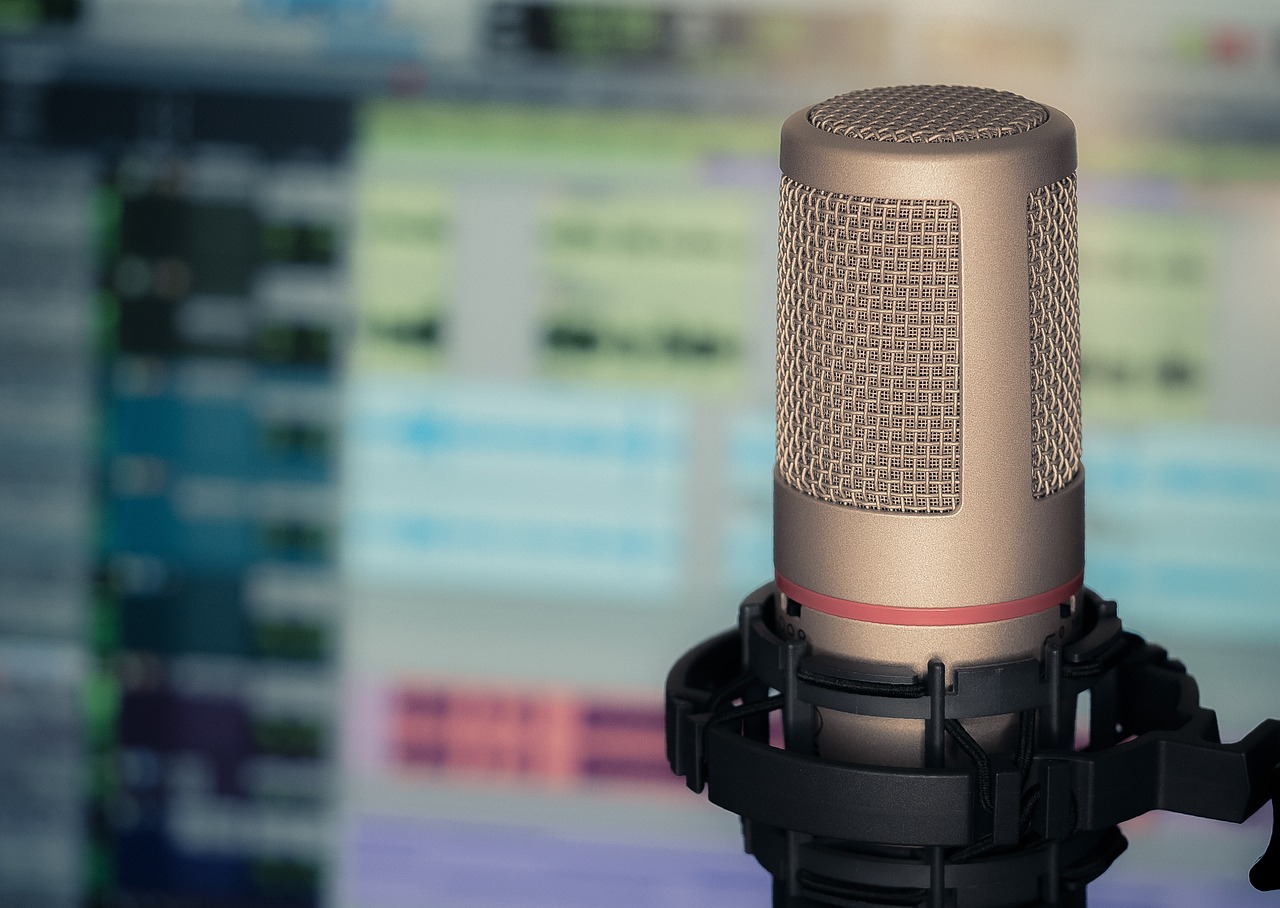
Speech sound disorders encompass a wide range of conditions in which an individual’s ability to produce intelligible speech is compromised. Understanding the terminology used in assessment and diagnosis is essential for clinicians, students, and researchers working in the field. The following exposition details the most important concepts, providing definitions, illustrative examples, practical applications in clinical settings, and highlighting common challenges that may arise during evaluation.
The term phoneme refers to the smallest distinctive unit of sound in a language that can change meaning. For example, the English words “bat” and “pat” differ by a single phoneme /b/ versus /p/. In contrast, an allophone is a variant of a phoneme that does not alter meaning; the aspirated /pʰ/ in “pin” and the unaspirated /p/ in “spin” are allophones of the phoneme /p/. Recognizing the distinction between phonemes and allophones is crucial when transcribing speech samples, as it helps clinicians determine whether an error reflects a phonological issue or merely a natural variation.
A phonological process is a systematic pattern of sound errors that typically simplifies speech production in young children. Common processes include stopping, where a fricative such as /s/ is replaced by a stop like /t/ (e.g., “sun” → “tun”), and fronting, in which a sound produced at the back of the mouth, such as /k/, is replaced by a front sound like /t/ (e.g., “cat” → “tat”). While many processes are developmentally appropriate up to a certain age, persistent use beyond expected milestones signals a possible disorder.
The field distinguishes between two primary categories of speech sound disorders: articulation disorders and phonological disorders. An articulation disorder involves difficulty producing the physical movements required for speech, often manifesting as misarticulations that are not systematic. For instance, a child who consistently produces /r/ as /w/ ( “rabbit” → “wabbit”) may be exhibiting an articulation problem. Phonological disorders, on the other hand, are characterized by pattern-based errors, such as the aforementioned stopping or fronting, which affect multiple sounds across contexts.
Within the broader classification, clinicians also encounter motor speech disorders such as dysarthria and apraxia of speech. Dysarthria results from neurological impairment that weakens the muscles used for speech, leading to reduced intelligibility, monotone pitch, and imprecise articulation. An example of dysarthric speech might be a slurred “hello” that sounds like “he‑lo”. Apraxia of speech, also called childhood apraxia of speech (CAS) when occurring in children, is a planning disorder wherein the brain has difficulty sequencing the movements needed for speech, despite intact muscle strength. Children with CAS may produce inconsistent errors, such as saying “cat” correctly one day and as “tat” the next, often accompanied by groping movements.
The distinction between developmental and acquired speech sound disorders is another essential categorization. Developmental speech sound disorders emerge during early language acquisition without an identifiable neurological injury, whereas acquired disorders follow events such as stroke, traumatic brain injury, or progressive neurological disease. The underlying etiology influences both assessment strategies and therapeutic planning.
A comprehensive assessment begins with the collection of a speech sample. This may be a spontaneous conversation, a narrative retell, or a structured picture description. The speech sample provides naturalistic data that reveal the child’s typical speech patterns, error types, and the functional impact on communication. For example, a clinician might ask a child to describe a picture of a “dog chasing a ball” and then transcribe the utterances using the International Phonetic Alphabet (IPA). The IPA offers a standardized set of symbols that represent each speech sound precisely, facilitating reliable analysis across clinicians and research settings.
During transcription, the clinician records each phoneme produced, noting any deviations. A common metric derived from this analysis is the percentage consonants correct (PCC). PCC is calculated by dividing the number of correctly produced consonants by the total number of consonants attempted, then multiplying by 100. For instance, if a child produces 80 out of 100 consonants correctly, the PCC is 80 %. A PCC below age‑appropriate norms may indicate an articulation disorder, whereas a higher PCC accompanied by systematic patterns suggests a phonological disorder.
Another valuable metric is the percentage of vowels correct (PVC). Vowel errors are less frequent than consonant errors but can be clinically significant, particularly in cases of dysarthria where vowel quality may be altered due to reduced breath support. Measuring both PCC and PVC offers a more complete picture of a client’s speech proficiency.
In addition to perceptual measures, clinicians often employ instrumental assessments. Nasometry quantifies nasal airflow during speech, providing objective data on velopharyngeal function. Excessive nasal airflow may indicate a velopharyngeal insufficiency, whereas reduced airflow could suggest hyponasality linked to oral structural anomalies. Acoustic analysis, performed with spectrographic software, visualizes the frequency and intensity of speech sounds, allowing clinicians to detect subtle timing or spectral differences that may not be audible to the ear. For example, spectrographic inspection can reveal the absence of high‑frequency fricative noise in a child who attempts /s/ but produces a muffled sound.
The phonological analysis process involves identifying the specific processes a client uses and determining whether they are typical for the client’s age. A clinician may create a process matrix, listing each target sound and marking the contexts in which the process occurs. Suppose a 5‑year‑old child exhibits stopping of /s/ and /ʃ/ ( “shoe” → “choo”) and fronting of /k/ ( “kite” → “tite”). Since stopping of fricatives is expected to resolve by age 4, its persistence would be considered atypical, prompting a diagnosis of a phonological disorder.
When assessing for motor speech disorders, a detailed oral‑motor examination is performed. This includes evaluating facial symmetry, lip strength, tongue range of motion, and coordination of breathing, phonation, and articulation. The clinician may use tasks such as “blowing a whistle”, “popping a bubble”, or “touching the tip of the nose with the tongue” to gauge motor control. In dysarthria, findings often reveal reduced strength or speed, while in apraxia of speech, the examination may show inconsistent errors despite adequate strength.
A critical component of diagnosis is the process of differential diagnosis. Because speech sound errors can arise from a multitude of sources—including hearing loss, language impairment, cognitive deficits, and oral‑motor anomalies—clinicians must systematically rule out alternative explanations. For instance, a child who consistently mispronounces high‑frequency sounds might be experiencing an undetected hearing impairment. An audiometric evaluation would be necessary to confirm or exclude this factor before confirming a phonological disorder.
The term co‑occurring disorder refers to the presence of additional conditions that intersect with speech sound disorders. Common co‑occurring issues include language impairment, autism spectrum disorder, attention‑deficit/hyperactivity disorder, and intellectual disability. These conditions can influence both the presentation of speech errors and the appropriate therapeutic approach. For example, a child with both a phonological disorder and expressive language delay may require integrated therapy that addresses sound patterns while simultaneously expanding vocabulary and sentence structure.
The concept of functional impact is central to determining the need for intervention. A speech sound disorder may be classified as “clinical” if it interferes with intelligibility, academic performance, social interaction, or self‑esteem. A child who substitutes /k/ for /g/ (“giraffe” → “kiraffe”) but remains intelligible in familiar contexts might not require immediate treatment, whereas a child whose errors cause frequent misunderstandings in the classroom would benefit from targeted therapy.
A related term is severity, which can be quantified using standardized assessment tools such as the Goldman‑Fristoe Test of Articulation or the Diagnostic Evaluation of Articulation and Phonology (DEAP). These instruments provide norm‑referenced scores, allowing clinicians to compare an individual’s performance to peers of the same age. Scores falling more than one standard deviation below the mean typically indicate a significant disorder warranting intervention.
The International Classification of Diseases (ICD) and the Diagnostic and Statistical Manual of Mental Disorders (DSM) also contain diagnostic codes for speech sound disorders. In the ICD‑11, the code “0B00” designates speech sound disorder, while the DSM‑5‑TR categorizes these disorders under “Speech Sound Disorder” with subtypes such as “Articulation Disorder” and “Phonological Disorder”. Familiarity with these codes is essential for accurate documentation, insurance billing, and interdisciplinary communication.
In practice, clinicians employ a variety of assessment tools to gather data. The Phonological Awareness Literacy Screening (PALS) assesses a child’s ability to manipulate sounds, which can be predictive of reading outcomes. The Stuttering Severity Instrument (SSI‑4) may be used when stuttering co‑exists with articulation deficits, as the two conditions can interact in complex ways. The Dynamic Evaluation of Motor Speech (DEMS) offers a systematic approach to identifying apraxia of speech by integrating performance with learning potential.
A dynamic assessment differs from a static assessment by incorporating a teaching phase. The clinician provides cues, prompts, or modeling to determine whether the client can improve with minimal assistance. If a child demonstrates rapid acquisition of correct sound productions after brief modeling, this suggests a phonological disorder rather than a motor speech disorder, which typically shows limited responsiveness to such cues.
When interpreting assessment results, the concept of error analysis guides clinical decision‑making. Errors are categorized as either distortions (inaccurate but systematic productions, such as a whistling /s/), substitutions (replacing the target sound with another, e.g., /r/ → /w/), omissions (leaving out a sound, e.g., “spoon” → “poon”), or additions (inserting an extra sound, e.g., “cat” → “cat‑t”). Distortions are often associated with apraxia, whereas systematic substitutions align with phonological processes.
A practical application of error analysis is the creation of a target phoneme list. This list includes the sounds a client needs to acquire to achieve age‑appropriate speech. For a 4‑year‑old with fronting of /k/ and /g/, the target list might prioritize these velar stops, while also addressing any residual processes such as gliding of /r/. Therapy sessions then focus on eliciting correct productions through drills, minimal pairs, and functional activities.
The use of minimal pairs is a cornerstone technique in phonological therapy. Minimal pairs are word pairs that differ by only a single phoneme, allowing the client to hear the contrast clearly (e.g., “bat” vs. “pat”). By practicing these pairs, the client becomes aware of the phonemic distinction and can work toward producing the target sound accurately. Clinicians may also employ contrastive analysis across languages, especially when working with bilingual children, to ensure that therapy respects the phonological rules of each language.
In multilingual contexts, the term phonological transfer describes the influence of one language’s phonological system on another. A Spanish‑English bilingual child may exhibit Spanish‑influenced English productions, such as devoicing final voiced stops ( “dog” → “dok”). Understanding transfer patterns prevents misdiagnosing a typical bilingual variation as a disorder. Clinicians must be familiar with the phonological norms of each language the client uses, often consulting language‑specific normative data.
The concept of phonetic inventory refers to the set of speech sounds a client can produce correctly. A comprehensive inventory includes both consonants and vowels, as well as diacritics indicating secondary articulations like palatalization or velarization. An inventory is typically compiled during the initial assessment and updated periodically to track progress. For example, a child may initially have an inventory limited to bilabial and alveolar stops, but after targeted intervention, may expand to include fricatives and affricates.
In addition to sound production, clinicians assess prosodic features such as intonation, stress, and rhythm. Prosody conveys linguistic meaning and emotional nuance; deficits can affect intelligibility and listener perception. Dysarthria often presents with monotone pitch and reduced stress contrast, while apraxia may show irregular stress patterns. Assessment tools like the Prosody‑Voice Screening Profile (PVSP) help quantify these aspects.
The speech intelligibility rating (SIR) provides a subjective measure of how well a listener can understand a speaker’s speech. Listeners may rate intelligibility on a scale from 0 % (unintelligible) to 100 % (fully intelligible). SIRs are useful for monitoring functional changes over time, especially when objective measures such as PCC plateau. A client whose PCC improves modestly but whose SIR rises dramatically is likely experiencing a meaningful functional gain.
A notable challenge in assessment is the variability of performance. Many children, particularly those with apraxia, produce inconsistent responses across trials. This intra‑speaker variability can complicate the interpretation of data. Clinicians address this by collecting multiple samples across different contexts and days, thereby capturing a representative range of performance.
Cultural and linguistic diversity introduces additional complexities. Normative data may be limited for certain languages or dialects, making it difficult to determine whether a pattern is typical for a specific community. For instance, the Southern American English dialect may feature vowel shifts that differ from General American norms. Clinicians must seek culturally appropriate resources and, when possible, involve native‑speaker consultants to ensure accurate diagnosis.
The assessment environment also influences outcomes. A noisy or unfamiliar setting can increase a client’s anxiety, leading to atypical speech production. Best practice recommends a quiet, well‑lit room with minimal distractions, and the presence of familiar items or caregivers to promote comfort. Moreover, the clinician’s demeanor—being patient, encouraging, and non‑judgmental—can foster a cooperative atmosphere conducive to authentic speech samples.
Technology plays an increasingly prominent role in modern assessment. Digital recorders enable high‑quality audio capture, while software such as Praat allows detailed acoustic analysis of formant frequencies, voice onset time, and spectral moments. Mobile applications designed for speech therapy can provide interactive tasks that automatically log responses, offering real‑time data for clinicians. However, reliance on technology must be balanced with considerations of accessibility, data privacy, and the need for clinician expertise in interpreting results.
In the realm of diagnosis, the term primary disorder denotes the core condition that accounts for the majority of speech errors, whereas secondary disorders are additional issues that may exacerbate or modify the primary presentation. For example, a child with a primary phonological disorder may also exhibit a secondary language impairment that influences the acquisition of phonological rules. Recognizing the hierarchy of disorders guides treatment prioritization.
A related diagnostic concept is comorbidity, which occurs when two or more disorders coexist independently. A child with both dysarthria and a language disorder exemplifies comorbidity; each condition requires distinct therapeutic strategies. Comprehensive assessment must therefore incorporate both speech‑motor and language evaluations to capture the full profile.
The etiology of a speech sound disorder is the underlying cause. Etiological categories include genetic factors (e.g., mutations affecting motor planning), neurodevelopmental anomalies (e.g., cerebral palsy), structural abnormalities (e.g., cleft palate), and environmental influences (e.g., prolonged exposure to a foreign language without adequate modeling). Determining etiology informs prognosis and may direct referrals to medical specialists, such as neurologists or otolaryngologists.
When a structural issue is suspected, clinicians conduct a palatal examination to assess the integrity of the hard and soft palate. In cases of cleft palate, the presence of an oronasal fistula can lead to hypernasal speech and compensatory articulations such as glottal stops. Collaboration with surgeons and prosthodontists is often necessary to achieve optimal speech outcomes following surgical repair.
The term compensatory articulation describes atypical speech patterns that develop as a response to structural deficits. For example, a child with a high palatal vault may produce “g” by using a glottal stop because the oral cavity cannot generate sufficient pressure. Identifying compensatory patterns distinguishes them from phonological processes; the former are typically learned adaptations that persist after the structural issue is corrected, whereas the latter diminish as the child matures.
A crucial metric for evaluating therapy effectiveness is the gain score, calculated by subtracting pre‑therapy scores from post‑therapy scores on standardized assessments. A gain of 15 % on the PCC, for instance, may be considered clinically significant, especially if accompanied by an increase in functional intelligibility. However, clinicians must interpret gains within the context of measurement error and the client’s baseline performance.
The concept of maintenance refers to the ability of a client to retain newly acquired speech sounds after therapy has concluded. Strategies to promote maintenance include incorporating the target sounds into everyday communication, providing periodic “booster” sessions, and training caregivers to reinforce correct productions. Without maintenance efforts, gains may regress, particularly in children with neurodevelopmental disorders.
In terms of documentation, the term progress note denotes a brief record of each therapy session, outlining objectives addressed, methods used, client response, and any modifications to the plan. Accurate progress notes are essential for continuity of care, insurance reimbursement, and interdisciplinary collaboration. The note should reference specific data points, such as “PCC increased from 72 % to 78 %” or “client produced /s/ correctly in 3 of 5 trials after visual cueing”.
Ethical considerations permeate assessment and diagnosis. Clinicians must obtain informed consent, ensuring that clients and families understand the purpose, procedures, potential risks, and benefits of evaluation. Confidentiality must be maintained, with secure storage of audio recordings and written records. In addition, cultural competence requires respecting the client’s linguistic background, avoiding bias, and providing services in the preferred language whenever feasible.
The term intervention planning encapsulates the process of translating assessment findings into a structured therapeutic approach. Planning involves selecting appropriate targets, determining the frequency and duration of sessions, and choosing evidence‑based techniques. For instance, a child whose primary error is stopping of fricatives may benefit from a combination of phonetic placement cues, tactile feedback, and auditory discrimination tasks.
Evidence‑based practice (EBP) is a guiding principle in both assessment and diagnosis. EBP integrates the best available research, clinical expertise, and client preferences. When selecting an assessment tool, clinicians should consider its reliability, validity, and cultural relevance. For diagnosis, they should weigh the strength of evidence linking particular error patterns to specific disorders, such as the robust association between inconsistent errors and apraxia of speech.
A notable challenge in the field is the scarcity of longitudinal research tracking the natural history of speech sound disorders across diverse populations. While many studies document outcomes for English‑speaking children, less is known about trajectories in languages with complex consonant clusters or tonal systems. This gap underscores the need for ongoing research and the development of cross‑linguistic assessment protocols.
In summary, the vocabulary associated with assessment and diagnosis of speech sound disorders is extensive and nuanced. Mastery of terms such as phoneme, phonological process, percentage consonants correct, dynamic assessment, and differential diagnosis equips clinicians to conduct thorough evaluations, formulate accurate diagnoses, and design effective intervention plans. By integrating perceptual observations, instrumental data, and contextual factors, professionals can address the multifaceted nature of speech sound disorders and promote meaningful improvements in communication for individuals worldwide.
Key takeaways
- The following exposition details the most important concepts, providing definitions, illustrative examples, practical applications in clinical settings, and highlighting common challenges that may arise during evaluation.
- Recognizing the distinction between phonemes and allophones is crucial when transcribing speech samples, as it helps clinicians determine whether an error reflects a phonological issue or merely a natural variation.
- , “sun” → “tun”), and fronting, in which a sound produced at the back of the mouth, such as /k/, is replaced by a front sound like /t/ (e.
- Phonological disorders, on the other hand, are characterized by pattern-based errors, such as the aforementioned stopping or fronting, which affect multiple sounds across contexts.
- Apraxia of speech, also called childhood apraxia of speech (CAS) when occurring in children, is a planning disorder wherein the brain has difficulty sequencing the movements needed for speech, despite intact muscle strength.
- Developmental speech sound disorders emerge during early language acquisition without an identifiable neurological injury, whereas acquired disorders follow events such as stroke, traumatic brain injury, or progressive neurological disease.
- For example, a clinician might ask a child to describe a picture of a “dog chasing a ball” and then transcribe the utterances using the International Phonetic Alphabet (IPA).