
Global Transportation Systems
Freight refers to the cargo or goods that are transported by land, sea, or air. In global transportation systems, freight can range from a single pallet of consumer electronics to a container filled with raw materials. Understanding the nat…
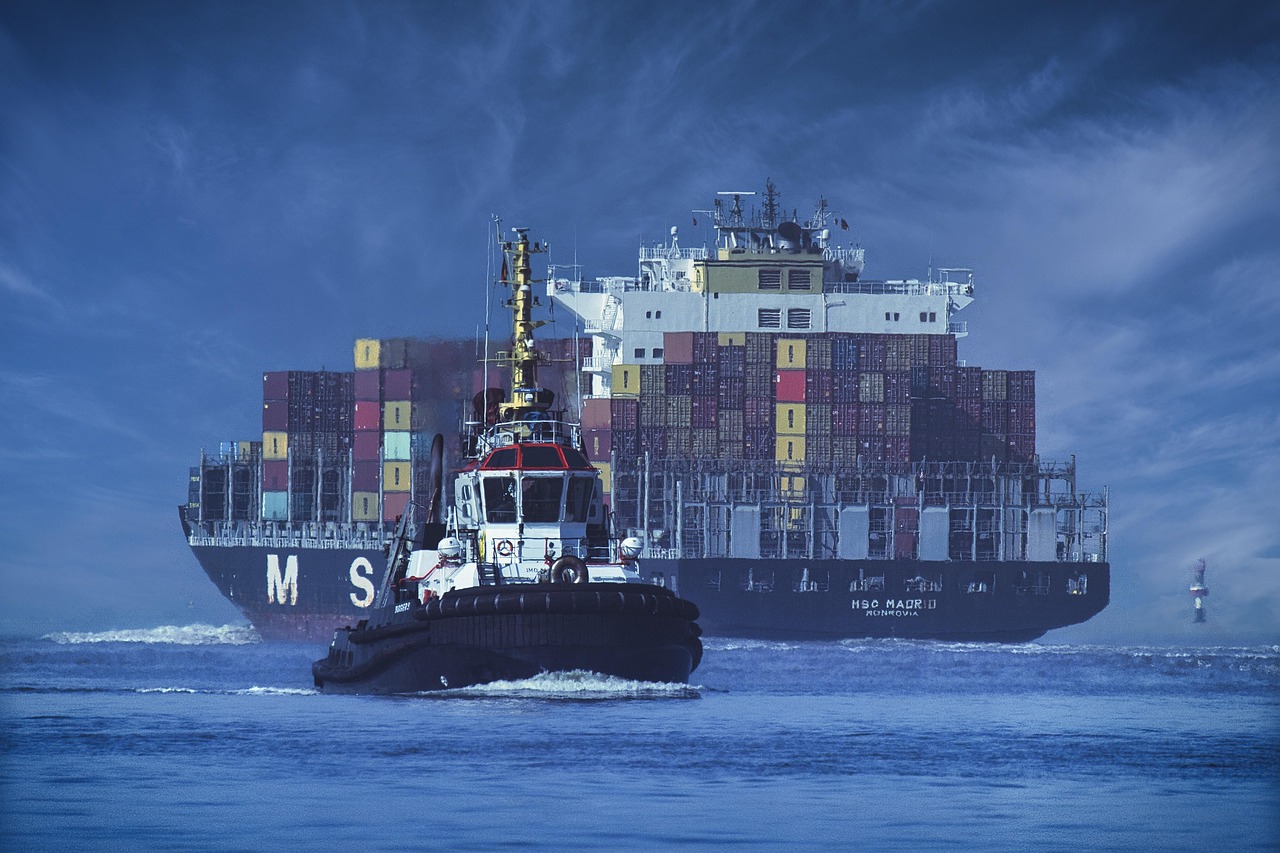
Freight refers to the cargo or goods that are transported by land, sea, or air. In global transportation systems, freight can range from a single pallet of consumer electronics to a container filled with raw materials. Understanding the nature of freight is essential because it determines the type of carrier, handling equipment, and regulatory compliance required. For example, hazardous chemicals classified as dangerous goods must be packaged according to International Maritime Dangerous Goods (IMDG) Code and accompanied by special documentation, whereas perishable food items need temperature‑controlled containers and rapid transit to maintain quality.
Carrier is the entity that physically moves freight from one location to another. Carriers can be shipping lines, airlines, railroads, trucking firms, or multimodal logistics providers. The choice of carrier influences cost, speed, reliability, and risk exposure. A major container shipping line such as Maersk may offer economies of scale for large volumes, while a regional air cargo carrier may provide faster delivery for high‑value, time‑sensitive items. Selecting the appropriate carrier also involves evaluating service level agreements (SLAs) and performance metrics such as on‑time delivery and damage rates.
Intermodal transportation describes the movement of freight using two or more modes of transport—typically rail, road, and sea—without handling the cargo itself when changing modes. The cargo remains in a single container or trailer, which reduces handling costs and the risk of damage. A common intermodal route might involve a truck delivering a container to a rail terminal, where a train carries it across a continent, followed by a ship transporting it overseas. This approach leverages the strengths of each mode: rail for long‑distance bulk movement, trucking for door‑to‑door service, and shipping for international reach.
Multimodal transportation is similar to intermodal but differs in that a single contract with a multimodal transport operator (MTO) covers the entire journey, regardless of the number of carriers involved. The MTO assumes responsibility for the whole supply chain, simplifying coordination for the shipper. For instance, a company exporting automobiles might contract a multimodal provider who arranges trucking from the factory, rail to the port, and ocean freight to the destination country. The shipper benefits from a single point of contact, while the MTO manages the complexities of customs clearance, documentation, and mode transfers.
Containerization is the practice of using standardized steel boxes—commonly 20‑foot (TEU) or 40‑foot (FEU) units—to pack cargo for transport. Standardization enables seamless transfer between ships, trains, and trucks, enhancing efficiency and reducing handling time. Containers can be classified as dry, refrigerated (reefers), open‑top, or tank containers, each suited to specific types of cargo. For example, a pharmaceutical company shipping vaccines will use refrigerated containers with temperature monitoring to maintain the cold chain throughout the journey.
Less‑than‑Container Load (LCL) describes shipments that do not fill an entire container. LCL freight is consolidated with other shippers’ cargo in a shared container, allowing smaller businesses to access ocean shipping without the expense of a full container. The consolidation process, known as groupage, requires careful planning to avoid delays caused by mismatched loading and unloading schedules. A typical LCL operation may involve a freight forwarder who aggregates shipments from multiple customers, loads them at a consolidation warehouse, and unloads them at the destination hub for final distribution.
Full‑Container Load (FCL) is the opposite of LCL; it refers to shipments that occupy an entire container, either a 20‑foot or 40‑foot unit. FCL offers advantages such as lower per‑unit cost, reduced handling, and faster transit because the container moves directly from origin to destination without intermediate stops. Companies that export large volumes of a single product, such as bulk raw materials or finished goods, often prefer FCL to maximize space utilization and minimize the risk of damage.
Incoterms are internationally recognized trade terms published by the International Chamber of Commerce (ICC) that define the responsibilities of buyers and sellers in international transactions. Incoterms such as FOB (Free On Board), CIF (Cost, Insurance, and Freight), and DAP (Delivered at Place) specify who pays for transportation, insurance, customs duties, and risk transfer. Correctly applying Incoterms is critical for avoiding disputes and ensuring that costs are allocated appropriately. For instance, under FOB the seller must deliver the goods onto the vessel, after which the buyer assumes risk and responsibility for freight and insurance.
Bill of Lading (B/L) is a legal document issued by a carrier that serves three primary functions: a receipt for the shipped goods, evidence of the contract of carriage, and a document of title to the cargo. There are several types of B/L, including clean, on‑board, and negotiable (or “to order”) bills. A clean B/L indicates that the cargo was received in apparent good condition, while a dirty B/L notes any damages or discrepancies. The negotiable B/L can be transferred to another party, allowing the cargo to be sold while in transit. Proper handling of the B/L is essential for customs clearance and for securing payment under documentary credit arrangements.
Air Waybill (AWB) is the air transport equivalent of a Bill of Lading. It is a non‑negotiable document that provides details of the shipment, the shipper, the consignee, and the carrier’s responsibilities. The AWB includes information such as the flight number, weight, dimensions, and any special handling instructions. Because the AWB is non‑negotiable, it does not confer ownership of the cargo; instead, it serves as a contract of carriage and a receipt. Air freight forwarders often use the AWB to track shipments and coordinate customs documentation.
Customs Clearance is the process by which goods are cleared through a country’s customs authority to allow entry or exit. This involves submitting required documentation, paying duties and taxes, and complying with import/export regulations. Failure to complete customs clearance accurately can result in delays, fines, or seizure of cargo. For example, a shipment of electronic components destined for the United States must meet FCC regulations, and the importer must provide a commercial invoice, packing list, and any necessary certifications to obtain clearance.
Tariff Classification refers to the assignment of goods to specific categories within a country's tariff schedule, usually based on the Harmonized System (HS) code. Accurate classification determines the duty rate, eligibility for preferential trade agreements, and compliance requirements. Misclassification can lead to underpayment or overpayment of duties, and in some cases, penalties. A company exporting textiles must correctly identify the HS code for each fabric type, as different codes may carry varying duty rates and quota restrictions.
Freight Forwarder is an intermediary that arranges transportation on behalf of shippers. Forwarders do not typically own the transport assets themselves; instead, they negotiate rates with carriers, consolidate shipments, prepare documentation, and provide value‑added services such as cargo insurance and warehousing. A freight forwarder may also act as a customs broker, handling clearance procedures for the importer. By leveraging their network and expertise, forwarders help shippers navigate complex global logistics and achieve cost efficiencies.
Third‑Party Logistics (3PL) providers offer outsourced logistics services that can include transportation, warehousing, inventory management, and distribution. 3PLs enable companies to focus on core competencies while benefiting from economies of scale and specialized technology platforms. For instance, an e‑commerce retailer might partner with a 3PL to manage order fulfillment, utilizing the provider’s warehouse network and integrated shipping solutions to deliver orders quickly to customers across multiple regions.
Fourth‑Party Logistics (4PL) extends the concept of 3PL by acting as a supply chain integrator that manages the entire logistics network on behalf of the client. A 4PL coordinates multiple 3PLs, carriers, and service providers, often using advanced analytics and digital platforms to optimize routes, inventory levels, and cost structures. Companies seeking strategic oversight of their global supply chain may engage a 4PL to design end‑to‑end solutions, negotiate contracts, and ensure performance across all logistics functions.
Supply Chain Visibility is the ability to track and monitor the movement of goods throughout the entire logistics network in real time. Visibility is achieved through technologies such as GPS tracking, Electronic Data Interchange (EDI), and cloud‑based platforms that provide status updates, location data, and exception alerts. Enhanced visibility allows shippers to anticipate delays, manage inventory more effectively, and improve customer service. For example, a retailer can use a visibility platform to inform customers about the exact estimated arrival time of their orders, reducing uncertainty and increasing satisfaction.
Transit Time is the duration required for cargo to travel from the point of origin to the final destination, excluding any dwell or handling periods. Transit time varies significantly between modes; air freight typically offers the fastest transit, while ocean shipping may take several weeks. Understanding transit time is critical for inventory planning, especially for just‑in‑time (JIT) manufacturing environments. Companies must balance the cost advantages of slower, cheaper modes with the risk of stockouts caused by longer lead times.
Lead Time encompasses the total time from order placement to product delivery, including order processing, production, packaging, and transportation. In global transportation, lead time is influenced by factors such as carrier schedules, customs procedures, and port congestion. Reducing lead time often requires collaboration between suppliers, logistics providers, and customers to streamline processes and eliminate bottlenecks. For instance, a manufacturer may implement a vendor‑managed inventory (VMI) program to shorten the lead time by allowing the supplier to monitor stock levels and replenish as needed.
Port Congestion occurs when a port’s capacity to handle ships, cargo, and containers is exceeded by demand, leading to delays in loading and unloading. Congestion can be caused by seasonal peaks, infrastructure limitations, labor disputes, or unexpected disruptions such as severe weather. The impact of port congestion includes increased dwell time for vessels, higher demurrage charges, and disruption of supply chain schedules. Shippers may mitigate congestion risk by using alternative ports, adjusting shipping windows, or employing real‑time monitoring to reroute vessels when necessary.
Demurrage is a charge imposed by a shipping line or terminal operator when a container remains at the port or terminal beyond the allotted free time. Free time typically covers a specified number of days for loading or unloading. Demurrage fees compensate the carrier for the use of its equipment and encourage prompt turnaround. Effective container management, including accurate scheduling of inbound and outbound moves, helps avoid demurrage costs. For example, a retailer importing seasonal merchandise must coordinate with the carrier to ensure that containers are cleared from the port within the free time window.
Detention is similar to demurrage but applies when the container is in the possession of the consignee rather than at the port. Detention charges accrue when the container is not returned to the carrier within the agreed free period after unloading. Managing detention involves efficient unloading, inspection, and return processes. Companies often negotiate detention-free periods as part of their service contracts to reduce unexpected expenses.
Freight Forwarding Software (also known as transportation management systems or TMS) provides tools for planning, executing, and analyzing shipments. Features may include rate quoting, carrier selection, shipment tracking, and performance reporting. Modern TMS platforms integrate with enterprise resource planning (ERP) systems, enabling seamless data flow across the organization. By automating routine tasks, freight forwarding software improves accuracy, reduces manual effort, and supports strategic decision‑making. An example is a TMS that automatically selects the lowest‑cost carrier for a given route while considering service level commitments.
Incoterm DDP (Delivered Duty Paid) places the maximum responsibility on the seller, who must deliver the goods to the buyer’s premises, handle all transportation, insurance, customs clearance, and payment of duties. DDP is often used in e‑commerce where the seller wants to provide a seamless, all‑inclusive price to the consumer. However, DDP requires the seller to have deep knowledge of the destination country’s import regulations and tax structures, making it more complex to administer than other Incoterms.
Incoterm EXW (Ex Works) assigns minimal responsibility to the seller, who only makes the goods available at its premises. The buyer assumes all risks and costs from that point onward, including loading, export clearance, transportation, and import duties. EXW is useful when the buyer has a strong logistics network and prefers to control the entire shipping process. However, the buyer must be prepared to handle export formalities, which can be challenging in jurisdictions with stringent regulations.
Mode of Transport refers to the specific means used to move cargo, such as road, rail, sea, air, or inland waterways. Each mode possesses distinct characteristics in terms of cost, speed, capacity, and environmental impact. For example, road transport offers flexibility and door‑to‑door service but may be limited by weight restrictions and traffic congestion. Rail provides high capacity and lower emissions for long‑haul inland movement, while air freight delivers the fastest transit for high‑value or time‑critical shipments. Selecting the appropriate mode—or combination of modes—is a central decision in global logistics planning.
Dry Bulk commodities are solid, unpackaged goods transported in large quantities, such as grains, coal, ore, and cement. Dry bulk is typically moved by specialized vessels (bulk carriers) or railcars designed for efficient loading and unloading. Handling dry bulk requires careful management of moisture content, contamination, and spillage. For instance, a grain exporter must ensure that containers are sealed to prevent moisture ingress, which could degrade the product during the voyage.
Liquid Bulk includes petroleum, chemicals, and other fluids moved in tankers or specialized rail tank cars. Safety and environmental regulations are stringent for liquid bulk due to the risk of spills and fire. International conventions such as MARPOL (International Convention for the Prevention of Pollution from Ships) govern the handling and discharge of liquid bulk. A crude oil producer must adhere to strict documentation, sampling, and reporting procedures to comply with both maritime and inland regulations.
Refrigerated Transport (or cold chain logistics) involves maintaining temperature‑controlled environments throughout the supply chain. This mode is essential for perishable goods such as food, pharmaceuticals, and certain chemicals. Refrigerated containers (reefers) are equipped with temperature monitoring systems and may require power connections at ports and terminals. Maintaining the cold chain also involves pre‑cooling of facilities, insulated packaging, and contingency plans for equipment failure. A breach in temperature control can lead to product spoilage, regulatory violations, and financial loss.
Hazardous Materials (Hazmat) are substances that pose risks to health, safety, or the environment. Transporting hazmat requires compliance with regulations such as the International Air Transport Association (IATA) Dangerous Goods Regulations for air, the IMDG Code for sea, and the United Nations Recommendations for the Transport of Dangerous Goods for road and rail. Hazmat shipments must be properly classified, packaged, labeled, and documented. Carriers may impose additional surcharges, and specialized handling equipment may be necessary. An example is a chemical company shipping hazardous solvents in tank containers, which must be accompanied by a safety data sheet (SDS) and a shipper’s declaration.
Customs Bond is a financial guarantee that ensures compliance with customs regulations and the payment of duties and taxes. Importers may be required to post a bond before goods are released, especially when dealing with high‑risk or high‑value cargo. The bond protects customs authorities against potential revenue loss. In the United States, for instance, a customs bond is often required for importers who are not members of a customs‑approved program such as the Customs-Trade Partnership Against Terrorism (CTPAT).
Free Trade Agreement (FTA) is a pact between two or more countries that reduces or eliminates tariffs, quotas, and other trade barriers on mutually agreed‑upon goods. FTAs can significantly affect transportation decisions by altering cost structures and eligibility criteria. Companies must verify that their products meet the rules of origin stipulated in the agreement to claim preferential duty rates. For example, a manufacturer exporting automotive parts from Mexico to the United States under the United States‑Mexico‑Canada Agreement (USMCA) can benefit from reduced tariffs if the parts meet the required regional content threshold.
Incoterm FCA (Free Carrier) requires the seller to deliver the goods, cleared for export, to a carrier nominated by the buyer at a named place. FCA can be used for any mode of transport and provides flexibility when the handover point is a multimodal terminal. The seller bears the risk until the goods are loaded onto the carrier’s vehicle, after which the buyer assumes responsibility. FCA is commonly employed in containerized shipments where the seller hands the container to a freight forwarder at the port of loading.
Incoterm CIP (Carriage and Insurance Paid to) obligates the seller to arrange and pay for transportation to a named destination, as well as obtaining insurance coverage for the cargo. The risk transfers to the buyer once the goods are handed over to the first carrier. CIP is suitable for multimodal shipments where the seller wants to control the main carriage but leaves the final leg to the buyer. The insurance requirement under CIP typically follows Institute Cargo Clauses (ICC) standards, providing a baseline level of coverage.
Incoterm DAP (Delivered at Place) places the delivery point at a location specified by the buyer, which could be a warehouse, distribution center, or final destination. The seller is responsible for all costs and risks up to that point, including export clearance and transportation, but not for import duties or taxes. DAP is advantageous for buyers who wish to receive goods ready for unloading without handling the main carriage. However, the seller must be familiar with the destination country’s import procedures to avoid delays.
Incoterm DAT (Delivered at Terminal) – now renamed DPU (Delivered at Place Unloaded) – requires the seller to deliver the goods, unloaded, at a terminal at the destination port or inland location. The seller bears all costs and risks up to the point of unloading, while the buyer assumes responsibility for import clearance and onward transport. DPU is useful when the buyer prefers to receive cargo at a terminal equipped for handling specific types of containers or cargo, such as refrigerated units.
Incoterm FOB (Free On Board) is a classic maritime term where the seller loads the goods onto the vessel nominated by the buyer at the agreed port of shipment. The risk transfers to the buyer once the cargo passes the ship’s rail. FOB is often used for bulk commodities and containerized cargo where the buyer wants to control the main sea leg. Sellers must ensure that the goods are properly loaded and that export documentation is complete to avoid liability after the point of transfer.
Incoterm CIF (Cost, Insurance, and Freight) extends FOB by requiring the seller to also arrange and pay for freight and insurance to the destination port. The risk, however, still transfers at the point of loading. CIF is frequently used in the trade of commodities such as metals, oil, and grains. Buyers must be aware that the insurance coverage under CIF may be limited, prompting them to consider additional coverage if the cargo is high‑value or vulnerable to damage.
Incoterm EXW (Ex Works) places the minimum obligation on the seller, who merely makes the goods available at its premises. The buyer takes on all responsibilities for loading, export clearance, transportation, and import duties. EXW is advantageous for sellers lacking international logistics capabilities but can be challenging for buyers unfamiliar with export regulations. In practice, many parties modify EXW with additional services to avoid the complexities of arranging export formalities in foreign jurisdictions.
Incoterm DDP (Delivered Duty Paid) represents the maximum seller responsibility, delivering goods to the buyer’s premises with all duties, taxes, and customs cleared. DDP is attractive to buyers seeking a single, all‑inclusive price, especially in e‑commerce. Sellers must have strong knowledge of the destination country’s tax regime, import licensing, and compliance requirements. Missteps in DDP can result in unexpected costs, penalties, or shipment holds.
Trade Lane denotes a specific route between an origin and a destination, often identified by city pairs or port codes. Trade lanes are analyzed for volume, profitability, and service performance. A high‑volume lane, such as Shanghai to Los Angeles, may attract numerous carriers offering competitive rates and frequent sailings, while a niche lane may have limited service options. Understanding trade lane dynamics helps shippers negotiate better contracts and plan capacity.
Freight Rate is the price charged for transporting goods, expressed per unit of weight, volume, or container. Rates fluctuate based on market conditions, fuel costs, capacity, and seasonal demand. Spot rates are negotiated for single shipments, while contract rates are established for long‑term agreements. Monitoring freight rate indices, such as the Shanghai Containerized Freight Index (SCFI), enables shippers to anticipate price trends and make informed budgeting decisions.
Fuel Surcharge is an additional fee applied by carriers to offset variations in fuel prices. The surcharge is usually calculated as a percentage of the base freight rate and is adjusted regularly based on a reference price, such as the United Nations Bunker Price Assessment (BPA). Understanding fuel surcharge mechanisms is essential for accurate cost forecasting, especially during periods of volatile oil prices.
Capacity Allocation involves the distribution of available transport space among shippers, often managed by carriers or freight forwarders. Allocation can be done on a first‑come, first‑served basis, through contracts, or via a slot‑booking system. During peak seasons, carriers may prioritize high‑volume customers or those with long‑term agreements, leading to capacity constraints for spot‑market shippers. Effective capacity planning requires forecasting demand, securing commitments, and maintaining flexibility to adjust to market changes.
Slot Management is the process of assigning loading and unloading time windows at ports, terminals, or airports. Slots are limited resources that must be coordinated among multiple parties to avoid congestion and delays. Advanced slot‑management systems use real‑time data to allocate windows based on vessel arrival times, berth availability, and hinterland transport capacity. Poor slot coordination can result in missed appointments, demurrage, and increased operational costs.
Supply Chain Risk Management encompasses identification, assessment, and mitigation of risks that could disrupt the flow of goods. Risks may arise from natural disasters, geopolitical events, labor strikes, cyber attacks, or regulatory changes. A robust risk‑management framework includes contingency planning, diversified sourcing, insurance coverage, and continuous monitoring. For example, a company may develop alternative routing strategies to bypass a port affected by a labor dispute, ensuring continuity of supply.
Digital Freight Platform is an online marketplace that connects shippers with carriers, often using algorithms to match loads with available capacity in real time. Platforms such as Flexport, Convoy, and Uber Freight provide price transparency, automated booking, and tracking capabilities. Digital freight platforms can reduce administrative overhead, improve asset utilization, and provide data analytics for performance improvement. However, reliance on a single platform may introduce dependency risk, and shippers must evaluate data security and service reliability.
Blockchain in Logistics offers a decentralized ledger that records transactions immutably, enhancing transparency and trust among supply chain participants. In transportation, blockchain can be used to share Bill of Lading data, verify customs documentation, and track provenance of goods. Smart contracts embedded in the blockchain can trigger automatic payments upon fulfillment of predefined conditions, reducing settlement delays. Adoption challenges include the need for industry-wide standards, integration with legacy systems, and regulatory acceptance.
Internet of Things (IoT) devices, such as GPS trackers, temperature sensors, and vibration monitors, collect real‑time data on cargo condition and location. IoT enables proactive exception handling; for instance, a temperature sensor detecting a deviation in a refrigerated container can alert the carrier to address the issue before product spoilage occurs. Integration of IoT data into transportation management systems enhances decision‑making and supports predictive analytics.
Electronic Data Interchange (EDI) is a standardized method for exchanging business documents, such as purchase orders, invoices, and shipping notices, between trading partners. EDI reduces manual data entry, minimizes errors, and accelerates transaction cycles. In global transportation, EDI messages like the 214 (Transportation Carrier Shipment Status) and 315 (Status Details) provide status updates that can be automatically incorporated into logistics platforms. Successful EDI implementation requires agreement on message formats, mapping, and secure transmission protocols.
Port of Loading is the location where cargo is loaded onto the vessel or carrier for export. The choice of loading port influences transit time, cost, and access to onward transportation networks. Factors such as port infrastructure, handling equipment, customs efficiency, and hinterland connectivity affect the overall shipping experience. For example, exporters in inland Europe may choose the Port of Rotterdam for its deep‑water facilities and extensive rail connections to the hinterland.
Port of Discharge is the destination port where cargo is offloaded from the vessel. Similar to the loading port, the discharge port’s capabilities impact dwell time, customs processing, and onward distribution. Some ports specialize in handling specific cargo types; for instance, the Port of Santos in Brazil is a major hub for coffee exports, offering specialized facilities for bulk coffee beans. Understanding the characteristics of the discharge port is essential for planning final‑mile logistics and avoiding bottlenecks.
Inland Container Depot (ICD) is a facility located away from the seaport that provides container handling, storage, and customs clearance services. ICDs help decongest major ports by allowing containers to be cleared and stored closer to the inland destination. Shippers can use ICDs to consolidate LCL shipments, perform repacking, or arrange for rail or road transport to final destinations. Utilizing an ICD can reduce port fees and improve supply chain flexibility.
Customs Bonded Warehouse is a storage facility authorized by customs authorities where imported goods can be held without payment of duties until they are released for domestic consumption. Bonded warehouses enable importers to defer duty payments, manage inventory, and conduct quality inspections before committing to market release. A common practice is to store high‑value electronics in a bonded warehouse while awaiting market demand signals, thereby improving cash flow.
Free Trade Zone (FTZ) is a designated area within a country where goods can be imported, stored, processed, and re‑exported with reduced or eliminated customs duties. FTZs encourage manufacturing and value‑added activities by providing tax incentives and streamlined procedures. Companies may locate distribution centers in FTZs to take advantage of duty deferral, allowing them to assemble components from multiple countries and only pay duties on the final product when it enters the domestic market.
Transit Insurance provides coverage for loss or damage to cargo while it is in transit. The policy can be a “all‑risk” coverage that protects against a wide range of perils, including theft, collision, and natural disasters. Transit insurance is often required by carriers or buyers, especially for high‑value or fragile goods. The insurance premium is calculated based on cargo value, mode of transport, route risk, and the level of coverage selected.
Cargo Claims arise when goods are damaged, lost, or delayed beyond acceptable limits. Filing a claim involves submitting documentation such as the Bill of Lading, inspection reports, photographs, and proof of value. Timely reporting is crucial; many carriers impose strict deadlines for claim submission, often within 30 days of receipt. Understanding the claim process and maintaining accurate records can significantly improve the likelihood of reimbursement.
Demurrage vs. Detention are related but distinct concepts. Demurrage refers to charges for containers that remain at the port or terminal beyond the free period, while detention charges accrue when the container is in the consignee’s possession after unloading. Both fees aim to incentivize efficient container turnaround. Effective container management, including precise scheduling and communication with all parties, helps mitigate these costs.
Transit Time Variability is the fluctuation in the actual time taken for a shipment compared to the planned schedule. Variability can be caused by weather disruptions, port congestion, customs inspections, or carrier operational issues. High variability undermines supply chain reliability and can lead to safety stock buildup. Companies use statistical analysis and buffer times to account for variability, while also employing real‑time monitoring to adjust plans dynamically.
Supply Chain Sustainability focuses on reducing environmental impact, promoting social responsibility, and ensuring economic viability throughout the logistics network. In transportation, sustainability initiatives include optimizing routes to lower fuel consumption, adopting low‑emission vehicles, and using alternative fuels such as liquefied natural gas (LNG) or hydrogen. Shippers may also select carriers with verified carbon‑offset programs, thereby aligning logistics operations with corporate sustainability goals.
Carbon Footprint measures the total greenhouse gas emissions associated with transportation activities, expressed in carbon dioxide equivalents (CO₂e). Calculating the carbon footprint involves accounting for fuel consumption, distance traveled, mode of transport, and load factor. Companies can reduce their carbon footprint by consolidating shipments, choosing rail over road where feasible, and employing modal shift strategies. Reporting emissions to stakeholders is increasingly required under sustainability frameworks such as the Greenhouse Gas Protocol.
Regulatory Compliance encompasses adherence to laws and standards governing transportation, customs, safety, and environmental protection. Non‑compliance can result in fines, shipment holds, or reputational damage. Compliance requirements vary by jurisdiction and mode; for example, the European Union’s REACH regulation imposes strict standards on chemical substances, while the U.S. Department of Transportation (DOT) regulates hazardous material transport. Continuous training, audits, and a robust compliance management system are essential to maintain conformity.
Trade Compliance involves ensuring that all import and export activities conform to applicable trade laws, sanctions, and embargoes. Companies must screen parties against denied‑entity lists, verify end‑use certificates, and maintain accurate records of export licenses. Trade compliance software helps automate screening and documentation, reducing the risk of inadvertent violations. For instance, a manufacturer exporting dual‑use technology must obtain an export license from the relevant authority and ensure that the recipient is authorized to receive such items.
Customs Broker is a licensed professional who assists importers and exporters with customs clearance procedures. Brokers prepare and submit required documentation, calculate duties, and coordinate with customs officials to expedite release. They also provide advice on tariff classification, valuation, and duty mitigation strategies. Engaging a customs broker can streamline the clearance process, especially for complex shipments involving multiple jurisdictions or specialized products.
Transit Documentation includes the commercial invoice, packing list, certificate of origin, export license, insurance certificate, and any required permits. Accurate documentation is essential for customs clearance, duty calculation, and regulatory compliance. Errors or omissions can cause shipment delays, additional inspections, or penalties. Shippers should implement document checklists and validation processes to ensure completeness before dispatch.
Incoterm FCA (Free Carrier) requires the seller to deliver the goods, cleared for export, to a carrier named by the buyer at a specified location. This term is flexible and can be applied to any mode of transport. The seller bears all costs and risks up to the point of delivery to the carrier, after which the buyer assumes responsibility. FCA is commonly used when the seller hands the cargo over to a freight forwarder at a logistics hub.
Incoterm CIP (Carriage and Insurance Paid to) obligates the seller to arrange and pay for the main carriage to a named destination, as well as procure insurance coverage. The risk passes to the buyer once the goods are handed over to the first carrier. CIP is suitable for multimodal shipments where the seller wants to control the primary transport but leaves the final leg to the buyer. The insurance component typically follows Institute Cargo Clauses (ICC) standards, offering a baseline level of protection.
Incoterm DAP (Delivered at Place) places the delivery responsibility on the seller up to a named place, which could be a warehouse, distribution center, or any agreed location. The seller covers all transportation costs, including export clearance, but not import duties or taxes. The buyer is responsible for unloading, import clearance, and payment of duties. DAP provides the buyer with a near‑door delivery experience while allowing the seller to manage the main logistics.
Incoterm DPU (Delivered at Place Unloaded)—formerly DAT (Delivered at Terminal)—requires the seller to deliver the goods, unloaded, at a terminal or specified place at the destination. The seller bears all costs and risks up to unloading, while the buyer assumes responsibility for import clearance and onward transport. DPU is useful for shipments where the buyer prefers to receive cargo at a terminal equipped for handling specific cargo types, such as refrigerated containers.
Incoterm DDP (Delivered Duty Paid) places the maximum responsibility on the seller, who must deliver the goods to the buyer’s premises, handling all transportation, insurance, customs clearance, and duty payments. DDP offers the buyer a single, all‑inclusive price, simplifying procurement. However, the seller must possess extensive knowledge of the destination country’s import regulations, tax structures, and compliance requirements. Mismanagement of DDP can lead to unexpected costs, penalties, or shipment holds.
Incoterm EXW (Ex Works) assigns minimal responsibility to the seller, who simply makes the goods available at its premises. The buyer assumes all costs and risks from that point onward, including loading, export clearance, transportation, and import duties. EXW is advantageous for sellers lacking logistics capabilities but can be challenging for buyers unfamiliar with export formalities. In practice, many parties augment EXW with additional services to avoid the complexities of arranging export procedures in foreign jurisdictions.
Incoterm FOB (Free On Board) is a classic maritime term where the seller loads the goods onto the vessel nominated by the buyer at the agreed port of shipment. The risk transfers to the buyer once the cargo passes the ship’s rail. FOB is commonly used for bulk commodities and containerized cargo where the buyer wishes to control the main sea leg. Sellers must ensure proper loading and export documentation to avoid liability after the point of transfer.
Incoterm CIF (Cost, Insurance, and Freight) extends FOB by requiring the seller to also arrange and pay for freight and insurance to the destination port. Risk still transfers at the point of loading. CIF is frequently employed in the trade of commodities such as metals, oil, and grains. Buyers should be aware that the insurance coverage under CIF may be limited, prompting them to consider additional coverage if the cargo is high‑value or vulnerable to damage.
Incoterm FCA (Free Carrier) is versatile and can be used for any mode of transport. The seller delivers the goods, cleared for export, to a carrier or freight forwarder at a named place. The risk passes to the buyer when the carrier takes possession. FCA is particularly useful for containerized shipments where the seller hands the container over at a multimodal terminal for onward transport.
Freight Forwarder’s Role includes consolidating LCL shipments, negotiating rates with carriers, preparing documentation, and providing end‑to‑end visibility. Forwarders may also offer value‑added services such as cargo insurance, warehousing, and customs brokerage. Their expertise enables shippers to navigate complex regulatory environments, optimize routing, and achieve cost efficiencies. A forwarder’s network and technology platform are crucial assets in managing global transportation.
Third‑Party Logistics (3PL) Provider offers integrated logistics services, encompassing transportation, warehousing, inventory management, and distribution. By outsourcing to a 3PL, companies can leverage scale, technology, and expertise, reducing capital investment and operational complexity. 3PLs often provide customizable solutions, such as cross‑dock operations, order fulfillment, and reverse logistics. For example, a retailer may use a 3PL to manage seasonal spikes in order volume, taking advantage of the provider’s flexible workforce and expanded warehouse capacity.
Fourth‑Party Logistics (4PL) Provider acts as a strategic supply chain integrator, overseeing multiple 3PLs, carriers, and service providers on behalf of the client. 4PLs develop holistic supply chain strategies, implement technology platforms, and monitor performance across the network. They may also drive continuous improvement initiatives, such as lean processes and data‑driven analytics. Engaging a 4PL is suitable for organizations seeking to transform their supply chain into a competitive advantage.
Supply Chain Visibility Platform aggregates data from carriers, terminals, customs, and internal systems to provide a unified view of shipment status. Features include real‑time tracking, event notifications, predictive analytics, and performance dashboards. Visibility platforms enable proactive exception management, allowing shippers to address delays, reroute cargo, or communicate updated ETAs to customers.
Key takeaways
- Understanding the nature of freight is essential because it determines the type of carrier, handling equipment, and regulatory compliance required.
- A major container shipping line such as Maersk may offer economies of scale for large volumes, while a regional air cargo carrier may provide faster delivery for high‑value, time‑sensitive items.
- Intermodal transportation describes the movement of freight using two or more modes of transport—typically rail, road, and sea—without handling the cargo itself when changing modes.
- Multimodal transportation is similar to intermodal but differs in that a single contract with a multimodal transport operator (MTO) covers the entire journey, regardless of the number of carriers involved.
- For example, a pharmaceutical company shipping vaccines will use refrigerated containers with temperature monitoring to maintain the cold chain throughout the journey.
- A typical LCL operation may involve a freight forwarder who aggregates shipments from multiple customers, loads them at a consolidation warehouse, and unloads them at the destination hub for final distribution.
- Companies that export large volumes of a single product, such as bulk raw materials or finished goods, often prefer FCL to maximize space utilization and minimize the risk of damage.