
Freight Forwarding And Customs Clearance
Freight forwarding is a crucial aspect of international logistics and transportation, involving the coordination and management of shipments from one place to another. At the heart of freight forwarding is the freight forwarder , a company …
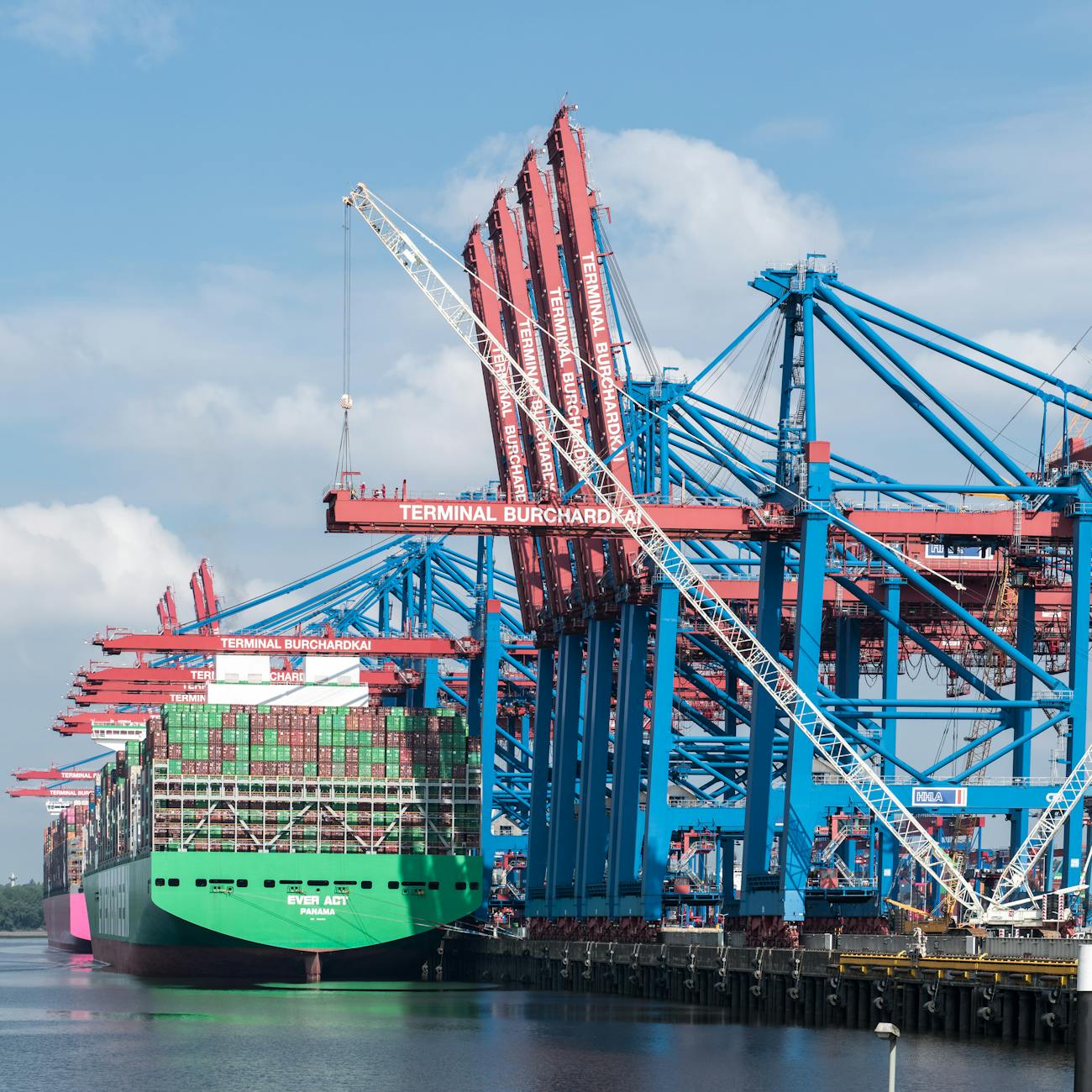
Freight forwarding is a crucial aspect of international logistics and transportation, involving the coordination and management of shipments from one place to another. At the heart of freight forwarding is the freight forwarder, a company or individual that acts as an intermediary between the shipper and the carrier. The freight forwarder is responsible for arranging the transportation of goods, including booking space on ships, planes, or trucks, and handling customs clearance and other regulatory requirements.
In order to facilitate the movement of goods, freight forwarders use a variety of transportation modes, including sea, air, and land. Each mode has its own advantages and disadvantages, and the choice of mode will depend on the specific needs of the shipper and the characteristics of the goods being transported. For example, sea freight is often the most cost-effective option for large or heavy shipments, while air freight is faster and more suitable for smaller or more time-sensitive shipments.
One of the key documents used in freight forwarding is the bill of lading, which serves as a contract between the shipper and the carrier, as well as a receipt for the goods being transported. The bill of lading will typically include details such as the type and quantity of goods, the shipper and consignee, and the route and expected delivery time. It is an important document that provides proof of ownership and is often required for customs clearance.
Customs clearance is a critical step in the international shipping process, involving the preparation and submission of documents to customs authorities to facilitate the import or export of goods. The process typically begins with the preparation of a commercial invoice, which provides details about the goods being shipped, including their value, quantity, and country of origin. The commercial invoice is used to determine the amount of duties and taxes owed on the shipment.
In addition to the commercial invoice, other documents that may be required for customs clearance include a certificate of origin, which certifies the country of origin of the goods, and a packing list, which provides details about the contents of the shipment. The specific documents required will depend on the type of goods being shipped, as well as the regulations of the countries involved in the shipment.
Freight forwarders often use warehouses to store goods temporarily while they are in transit. These warehouses may be located near ports or other transportation hubs, and they provide a secure and convenient place to store goods while they are being cleared through customs or waiting to be transported to their final destination.
In some cases, freight forwarders may also provide value-added services, such as cargo insurance, tracking and tracing, and logistics management. These services can help to provide additional protection and convenience for shippers, and they can be an important factor in choosing a freight forwarder.
One of the biggest challenges facing freight forwarders is the need to comply with a complex array of regulations and laws. These regulations may be imposed by governments, international organizations, or industry associations, and they can cover everything from customs procedures to safety and security protocols.
For example, the Harmonized System is an international system used to classify goods for customs purposes. It is based on a complex system of codes and categories, and it is used by countries around the world to determine the amount of duties and taxes owed on imported goods.
Another important regulation is the Incoterms, which are a set of terms used to define the responsibilities of the buyer and seller in an international transaction. Incoterms cover issues such as the delivery of goods, the transfer of risk, and the payment of transportation costs.
In addition to regulations, freight forwarders must also contend with a variety of risks and challenges, including cargo loss or damage, delivery delays, and changes in market conditions. To manage these risks, freight forwarders often use a variety of strategies, such as cargo insurance, contingency planning, and risk assessment.
Despite the challenges, freight forwarding can be a rewarding and lucrative career, offering opportunities for advancement and professional growth. Freight forwarders must have a strong understanding of the logistics and transportation industry, as well as excellent communication and problem-solving skills.
In order to succeed in this field, it is essential to have a strong foundation in the key concepts and terminology of freight forwarding and customs clearance. This includes understanding the different types of shipments, such as less-than-container load (LCL) and full-container load (FCL), as well as the various modes of transportation, including sea, air, and land.
It is also important to be familiar with the different types of cargo, including dry cargo, refrigerated cargo, and hazardous materials. Each type of cargo has its own unique requirements and regulations, and freight forwarders must be able to handle these complexities in order to provide effective and efficient service.
Furthermore, freight forwarders must be knowledgeable about the various trade agreements and free trade zones that can affect the movement of goods. These agreements can provide preferential treatment and reduced tariffs for certain types of goods, and they can be an important factor in determining the most cost-effective and efficient way to transport goods.
In addition to trade agreements, freight forwarders must also be aware of the security protocols and regulations that govern the transportation of goods. These protocols can include measures such as cargo screening, sealing, and tracking, and they are designed to prevent the misuse of the transportation system for illicit purposes.
Another important consideration is the environmental impact of freight forwarding and logistics. As concern about climate change and sustainability grows, freight forwarders are under increasing pressure to reduce their carbon footprint and adopt more environmentally friendly practices. This can involve using alternative modes of transportation, such as rail or sea, or investing in green technologies, such as solar-powered warehouses.
In order to stay competitive in this field, freight forwarders must be willing to invest in technology and innovation. This can include using digital platforms to manage shipments and track cargo, as well as adopting new technologies, such as blockchain and artificial intelligence.
Finally, freight forwarders must be able to manage complexity and navigate the intricate web of regulations, laws, and protocols that govern the movement of goods. This requires strong analytical and problem-solving skills, as well as the ability to communicate effectively with a wide range of stakeholders, including shippers, carriers, and customs authorities.
By understanding these key concepts and terminology, freight forwarders can provide effective and efficient service to their customers, while also navigating the complex and ever-changing landscape of international logistics and transportation. Whether you are just starting out in this field or are a seasoned professional, it is essential to stay up-to-date on the latest developments and trends in freight forwarding and customs clearance.
This can involve attending industry events and conferences, participating in online forums and discussions, and pursuing ongoing education and training. By doing so, freight forwarders can stay ahead of the curve and provide the best possible service to their customers, while also advancing their own careers and professional development.
In the real world, freight forwarders must be able to apply their knowledge and skills in a practical and effective way. This can involve working with a wide range of customers, from small businesses to large corporations, and providing customized solutions to meet their unique needs and requirements.
It may also involve working with a variety of transportation modes, including sea, air, and land, and using different types of equipment, such as containers, trailers, and pallets. Freight forwarders must be able to navigate the complexities of international logistics and transportation, while also providing excellent customer service and support.
In order to do so, freight forwarders must be knowledgeable about the geography of transportation, including the location of major ports, airports, and transportation hubs. They must also be familiar with the infrastructure of transportation, including roads, railways, and waterways.
Furthermore, freight forwarders must be aware of the regional trade agreements and economic trends that can affect the movement of goods. This can include understanding the impact of tariffs, quotas, and other trade barriers, as well as the opportunities and challenges presented by emerging markets and technologies.
By understanding these factors and considerations, freight forwarders can provide effective and efficient service to their customers, while also navigating the complex and ever-changing landscape of international logistics and transportation. Whether you are just starting out in this field or are a seasoned professional, it is essential to stay up-to-date on the latest developments and trends in freight forwarding and customs clearance.
In addition to the technical knowledge and skills required for freight forwarding, it is also essential to have excellent communication skills and the ability to work effectively with a wide range of stakeholders, including shippers, carriers, and customs authorities. This can involve providing clear and concise information, as well as responding to questions and concerns in a prompt and professional manner.
By doing so, freight forwarders can build trust and establish strong relationships with their customers, while also navigating the complexities of international logistics and transportation. It is a challenging and rewarding career, offering opportunities for advancement and professional growth, as well as the chance to make a real difference in the world of global trade and commerce.
As the global economy continues to evolve and grow, the demand for skilled and knowledgeable freight forwarders will only continue to increase. By pursuing a career in this field, you can be a part of this exciting and dynamic industry, and play a critical role in facilitating the movement of goods and services around the world.
In order to succeed in this field, it is essential to have a strong foundation in the key concepts and terminology of freight forwarding and customs clearance. This includes understanding the different types of shipments, as well as the various modes of transportation and types of cargo.
It is also important to be familiar with the various trade agreements and free trade zones that can affect the movement of goods, as well as the security protocols and regulations that govern the transportation of goods. By understanding these factors and considerations, freight forwarders can provide effective and efficient service to their customers, while also navigating the complex and ever-changing landscape of international logistics and transportation.
Furthermore, freight forwarders must be knowledgeable about the environmental impact of freight forwarding and logistics, and be willing to invest in technology and innovation in order to reduce their carbon footprint and adopt more sustainable practices. This can involve using alternative modes of transportation, such as rail or sea, or investing in green technologies, such as solar-powered warehouses.
By doing so, freight forwarders can provide a more sustainable and environmentally friendly service to their customers, while also reducing their own costs and improving their bottom line. It is a challenging and rewarding career, offering opportunities for advancement and professional growth, as well as the chance to make a real difference in the world of global trade and commerce.
In the future, the freight forwarding and logistics industry is likely to continue to evolve and change, driven by advances in technology and shifting patterns of global trade. By staying up-to-date on the latest developments and trends in this field, freight forwarders can provide the best possible service to their customers, while also navigating the complexities and challenges of international logistics and transportation.
Whether you are just starting out in this field or are a seasoned professional, it is essential to be aware of the key trends and emerging technologies that are shaping the future of freight forwarding and logistics. This can involve attending industry events and conferences, participating in online forums and discussions, and pursuing ongoing education and training.
By doing so, freight forwarders can stay ahead of the curve and provide the best possible service to their customers, while also advancing their own careers and professional development. It is a challenging and rewarding career, offering opportunities for advancement and professional growth, as well as the chance to make a real difference in the world of global trade and commerce.
In order to succeed in this field, it is essential to have a strong foundation in the key concepts and terminology of freight forwarding and customs clearance. This includes understanding the different types of shipments, as well as the various modes of transportation and types of cargo.
It is also important to be familiar with the various trade agreements and free trade zones that can affect the movement of goods, as well as the security protocols and regulations that govern the transportation of goods. By understanding these factors and considerations, freight forwarders can provide effective and efficient service to their customers, while also navigating the complex and ever-changing landscape of international logistics and transportation.
Furthermore, freight forwarders must be knowledgeable about the environmental impact of freight forwarding and logistics, and be willing to invest in technology and innovation in order to reduce their carbon footprint and adopt more sustainable practices. This can involve using alternative modes of transportation, such as rail or sea, or investing in green technologies, such as solar-powered warehouses.
By doing so, freight forwarders can provide a more sustainable and environmentally friendly service to their customers, while also reducing their own costs and improving their bottom line. It is a challenging and rewarding career, offering opportunities for advancement and professional growth, as well as the chance to make a real difference in the world of global trade and commerce.
In the global economy, freight forwarding and logistics play a critical role in facilitating the movement of goods and services. By pursuing a career in this field, you can be a part of this exciting and dynamic industry, and play a key role in shaping the future of global trade and commerce.
As the demand for freight forwarding services continues to grow, the need for skilled and knowledgeable freight forwarders will only continue to increase. By staying up-to-date on the latest developments and trends in this field, freight forwarders can provide the best possible service to their customers, while also advancing their own careers and professional development.
It is a challenging and rewarding career, offering opportunities for advancement and professional growth, as well as the chance to make a real difference in the world of global trade and commerce. Whether you are just starting out in this field or are a seasoned professional, it is essential to have a strong foundation in the key concepts and terminology of freight forwarding and customs clearance.
This includes understanding the different types of shipments, as well as the various modes of transportation and types of cargo. It is also important to be familiar with the various trade agreements and free trade zones that can affect the movement of goods, as well as the security protocols and regulations that govern the transportation of goods.
By understanding these factors and considerations, freight forwarders can provide effective and efficient service to their customers, while also navigating the complex and ever-changing landscape of international logistics and transportation. Furthermore, freight forwarders must be knowledgeable about the environmental impact of freight forwarding and logistics, and be willing to invest in technology and innovation in order to reduce their carbon footprint and adopt more sustainable practices.
By doing so, freight forwarders can provide a more sustainable and environmentally friendly service to their customers, while also reducing their own costs and improving their bottom line. It is a challenging and rewarding career, offering opportunities for advancement and professional growth, as well as the chance to make a real difference in the world of global trade and commerce.
In the future of freight forwarding, the industry is likely to continue to evolve and change, driven by advances in technology and shifting patterns of global trade. By staying up-to-date on the latest developments and trends in this field, freight forwarders can provide the best possible service to their customers, while also navigating the complexities and challenges of international logistics and transportation.
Whether you are just starting out in this field or are a seasoned professional, it is essential to be aware of the key trends and emerging technologies that are shaping the future of freight forwarding and logistics. This can involve attending industry events and conferences, participating in online forums and discussions, and pursuing ongoing education and training.
By doing so, freight forwarders can stay ahead of the curve and provide the best possible service to their customers, while also advancing their own careers and professional development. It is a challenging and rewarding career, offering opportunities for advancement and professional growth, as well as the chance to make a real difference in the world of global trade and commerce.
In order to succeed in this field, it is essential to have a strong foundation in the key concepts and terminology of freight forwarding and customs clearance. This includes understanding the different types of shipments, as well as the various modes of transportation and types of cargo.
It is also important to be familiar with the various trade agreements and free trade zones that can affect the movement of goods, as well as the security protocols and regulations that govern the transportation of goods. By understanding these factors and considerations, freight forwarders can provide effective and efficient service to their customers, while also navigating the complex and ever-changing landscape of international logistics and transportation.
Furthermore, freight forwarders must be knowledgeable about the environmental impact of freight forwarding and logistics, and be willing to invest in technology and innovation in order to reduce their carbon footprint and adopt more sustainable practices. This can involve using alternative modes of transportation, such as rail or sea, or investing in green technologies, such as solar-powered warehouses.
By doing so, freight forwarders can provide a more sustainable and environmentally friendly service to their customers, while also reducing their own costs and improving their bottom line. It is a challenging and rewarding career, offering opportunities for advancement and professional growth, as well as the chance to make a real difference in the world of global trade and commerce.
In the global economy, freight forwarding and logistics play a critical role in facilitating the movement of goods and services. By pursuing a career in this field, you can be a part of this exciting and dynamic industry, and play a key role in shaping the future of global trade and commerce.
As the demand for freight forwarding services continues to grow, the need for skilled and knowledgeable freight forwarders will only continue to increase. By staying up-to-date on the latest developments and trends in this field, freight forwarders can provide the best possible service to their customers, while also advancing their own careers and professional development.
It is a challenging and rewarding career, offering opportunities for advancement and professional growth, as well as the chance to make a real difference in the world of global trade and commerce. Whether you are just starting out in this field or are a seasoned professional, it is essential to have a strong foundation in the key concepts and terminology of freight forwarding and customs clearance.
This includes understanding the different types of shipments, as well as the various modes of transportation and types of cargo. It is also important to be familiar with the various trade agreements and free trade zones that can affect the movement of goods, as well as the security protocols and regulations that govern the transportation of goods.
By understanding these factors and considerations, freight forwarders can provide effective and efficient service to their customers, while also navigating the complex and ever-changing landscape of international logistics and transportation. Furthermore, freight forwarders must be knowledgeable about the environmental impact of freight forwarding and logistics, and be willing to invest in technology and innovation in order to reduce their carbon footprint and adopt more sustainable practices.
By doing so, freight forwarders can provide a more sustainable and environmentally friendly service to their customers, while also reducing their own costs and improving their bottom line. It is a challenging and rewarding career, offering opportunities for advancement and professional growth, as well as the chance to make a real difference in the world of global trade and commerce.
In the future of freight forwarding, the industry is likely to continue to evolve and change, driven by advances in technology and shifting patterns of global trade. By staying up-to-date on the latest developments and trends in this field, freight forwarders can provide the best possible service to their customers, while also navigating the complexities and challenges of international logistics and transportation.
Whether you are just starting out in this field or are a seasoned professional, it is essential to be aware of the key trends and emerging technologies that are shaping the future of freight forwarding and logistics. This can involve attending industry events and conferences, participating in online forums and discussions, and pursuing ongoing education and training.
By doing so, freight forwarders can stay ahead of the curve and provide the best possible service to their customers, while also advancing their own careers and professional development. It is a challenging and rewarding career, offering opportunities for advancement and professional growth, as well as the chance to make a real difference in the world of global trade and commerce.
In order to succeed in this field, it is essential to have a strong foundation in the key concepts and terminology of freight forwarding and customs clearance. This includes understanding the different types of shipments, as well as the various modes of transportation and types of cargo.
It is also important to be familiar with the various trade agreements and free trade zones that can affect the movement of goods, as well as the security protocols and regulations that govern the transportation of goods. By understanding these factors and considerations, freight forwarders can provide effective and efficient service to their customers, while also navigating the complex and ever-changing landscape of international logistics and transportation.
Furthermore, freight forwarders must be knowledgeable about the environmental impact of freight forwarding and logistics, and be willing to invest in technology and innovation in order to reduce their carbon footprint and adopt more sustainable practices. This can involve using alternative modes of transportation, such as rail or sea, or investing in green technologies, such as solar-powered warehouses.
By doing so, freight forwarders can provide a more sustainable and environmentally friendly service to their customers, while also reducing their own costs and improving their bottom line. It is a challenging and rewarding career, offering opportunities for advancement and professional growth, as well as the chance to make a real difference in the world of global trade and commerce.
In the global economy, freight forwarding and logistics play a critical role in facilitating the movement of goods and services. By pursuing a career in this field, you can be a part of this exciting and dynamic industry, and play a key role in shaping the future of global trade and commerce.
As the demand for freight forwarding services continues to grow, the need for skilled and knowledgeable freight forwarders will only continue to increase. By staying up-to-date on the latest developments and trends in this field, freight forwarders can provide the best possible service to their customers, while also advancing their own careers and professional development.
It is a challenging and rewarding career, offering opportunities for advancement and professional growth, as well as the chance to make a real difference in the world of global trade and commerce. Whether you are just starting out in this field or are a seasoned professional, it is essential to have a strong foundation in the key concepts and terminology of freight forwarding and customs clearance.
This includes understanding the different types of shipments, as well as the various modes of transportation and types of cargo. It is also important to be familiar with the various trade agreements and free trade zones that can affect the movement of goods, as well as the security protocols and regulations that govern the transportation of goods.
By understanding these factors and considerations, freight forwarders can provide effective and efficient service to their customers, while also navigating the complex and ever-changing landscape of international logistics and transportation. Furthermore, freight forwarders must be knowledgeable about the environmental impact of freight forwarding and logistics, and be willing to invest in technology and innovation in order to reduce their carbon footprint and adopt more sustainable practices.
By doing so, freight forwarders can provide a more sustainable and environmentally friendly service to their customers, while also reducing their own costs and improving their bottom line. It is a challenging and rewarding career, offering opportunities for advancement and professional growth, as well as the chance to make a real difference in the world of global trade and commerce.
In the future of freight forwarding, the industry is likely to continue to evolve and change, driven by advances in technology and shifting patterns of global trade. By staying up-to-date on the latest developments and trends in this field, freight forwarders can provide the best possible service to their customers, while also navigating the complexities and challenges of international logistics and transportation.
Whether you are just starting out in this field or are a seasoned professional, it is essential to be aware of the key trends and emerging technologies that are shaping the future of freight forwarding and logistics. This can involve attending industry events and conferences, participating in online forums and discussions, and pursuing ongoing education and training.
By doing so, freight forwarders can stay ahead of the curve and provide the best possible service to their customers, while also advancing their own careers and professional development. It is a challenging and rewarding career, offering opportunities for advancement and professional growth, as well as the chance to make a real difference in the world of global trade and commerce.
In order to succeed in this field, it is essential to have a strong foundation in the key concepts and terminology of freight forwarding and customs clearance. This includes understanding the different types of shipments, as well as the various modes of transportation and types of cargo.
It is also important to be familiar with the various trade agreements and free trade zones that can affect the movement of goods, as well as the security protocols and regulations that govern the transportation of goods. By understanding these factors and considerations, freight forwarders can provide effective and efficient service to their customers, while also navigating the complex and ever-changing landscape of international logistics and transportation.
Furthermore, freight forwarders must be knowledgeable about the environmental impact of freight forwarding and logistics, and be willing to invest in technology and innovation in order to reduce their carbon footprint and adopt more sustainable practices. This can involve using alternative modes of transportation, such as rail or sea, or investing in green technologies, such as solar-powered warehouses.
By doing so, freight forwarders can provide a more sustainable and environmentally friendly service to their customers, while also reducing their own costs and improving their bottom line. It is a challenging and rewarding career, offering opportunities for advancement and professional growth, as well as the chance to make a real difference in the world of global trade and commerce.
In the global economy, freight forwarding and logistics play a critical role in facilitating the movement of goods and services. By pursuing a career in this field, you can be a part of this exciting and dynamic industry, and play a key role in shaping the future of global trade and commerce.
As the demand for freight forwarding services continues to grow, the need for skilled and knowledgeable freight forwarders will only continue to increase. By staying up-to-date on the latest developments and trends in this field, freight forwarders can provide the best possible service to their customers, while also advancing their own careers and professional development.
It is a challenging and rewarding career, offering opportunities for advancement and professional growth, as well as the chance to make a real difference in the world of global trade and commerce. Whether you are just starting out in this field or are a seasoned professional, it is essential to have a strong foundation in the key concepts and terminology of freight forwarding and customs clearance.
This includes understanding the different types of shipments, as well as the various modes of transportation and types of cargo. It is also important to be familiar with the various trade agreements and free trade zones that can affect the movement of goods, as well as the security protocols and regulations that govern the transportation of goods.
By understanding these factors and considerations, freight forwarders can provide effective and efficient service to their customers, while also navigating the complex and ever-changing landscape of international logistics and transportation. Furthermore, freight forwarders must be knowledgeable about the environmental impact of freight forwarding and logistics, and be willing to invest in technology and innovation in order to reduce their carbon footprint and adopt more sustainable practices.
By doing so, freight forwarders can provide a more sustainable and environmentally friendly service to their customers, while also reducing their own costs and improving their bottom line. It is a challenging and rewarding career, offering opportunities for advancement and professional growth, as well as the chance to make a real difference in the world of global trade and commerce.
In the future of freight forwarding, the industry is likely to continue to evolve and change, driven by advances in technology and shifting patterns of global trade. By staying up-to-date on the latest developments and trends in this field, freight forwarders can provide the best possible service to their customers, while also navigating the complexities and challenges of international logistics and transportation.
Whether you are just starting out in this field or are a seasoned professional, it is essential to be aware of the key trends and emerging technologies that are shaping the future of freight forwarding and logistics. This can involve attending industry events and conferences, participating in online forums and discussions, and pursuing ongoing education and training.
By doing so, freight forwarders can stay ahead of the curve and provide the best possible service to their customers, while also advancing their own careers and professional development. It is a challenging and rewarding career, offering opportunities for advancement and professional growth, as well as the chance to make a real difference in the world of global trade and commerce.
In order to succeed in this field, it is essential to have a strong foundation in the key concepts and terminology of freight forwarding and customs clearance. This includes understanding the different types of shipments, as well as the various modes of transportation and types of cargo.
It is also important to be familiar with the various trade agreements and free trade zones that can affect the movement of goods, as well as the security protocols and regulations that govern the transportation of goods. By understanding these factors and considerations, freight forwarders can provide effective and efficient service to their customers, while also navigating the complex and ever-changing landscape of international logistics and transportation.
Furthermore, freight forwarders must be knowledgeable about the environmental impact of freight forwarding and logistics, and be willing to invest in technology and innovation in order to reduce their carbon footprint and adopt more sustainable practices. This can involve using alternative modes of transportation, such as rail or sea, or investing in green technologies, such as solar-powered warehouses.
By doing so, freight forwarders can provide a more sustainable and environmentally friendly service to their customers, while also reducing their own costs and improving their bottom line. It is a challenging and rewarding career, offering opportunities for advancement and professional growth, as well as the chance to make a real difference in the world of global trade and commerce.
In the global economy, freight forwarding and logistics play a critical role in facilitating the movement of goods and services. By pursuing a career in this field, you can be a part of this exciting and dynamic industry, and play a key role in shaping the future of global trade and commerce.
As the demand for freight forwarding services continues to grow, the need for skilled and knowledgeable freight forwarders will only continue to increase. By staying up-to-date on the latest developments and trends in this field, freight forwarders can provide the best possible service to their customers, while also advancing their own careers and professional development.
It is a challenging and rewarding career, offering opportunities for advancement and professional growth, as well as the chance to make a real difference in the world of global trade and commerce. Whether you are just starting out in this field or are a seasoned professional, it is essential to have a strong foundation in the key concepts and terminology of freight forwarding and customs clearance.
This includes understanding the different types of shipments, as well as the various modes of transportation and types of cargo. It is also important to be familiar with the various trade agreements and free trade zones that can affect the movement of goods, as well as the security protocols and regulations that govern the transportation of goods.
By understanding these factors and considerations, freight forwarders can provide effective and efficient service to their customers, while also navigating the complex and ever-changing landscape of international logistics and transportation. Furthermore, freight forwarders must be knowledgeable about the environmental impact of freight forwarding and logistics, and be willing to invest in technology and innovation in order to reduce their carbon footprint and adopt more sustainable practices.
By doing so, freight forwarders can provide a more sustainable and environmentally friendly service to their customers, while also reducing their own costs and improving their bottom line. It is a challenging and rewarding career, offering opportunities for advancement and professional growth, as well as the chance to make a real difference in the world of global trade and commerce.
In the future of freight forwarding, the industry is likely to continue to evolve and change, driven by advances in technology and shifting patterns of global trade. By staying up-to-date on the latest developments and trends in this field, freight forwarders can provide the best possible service to their customers, while also navigating the complexities and challenges of international logistics and transportation.
Whether you are just starting out in this field or are a seasoned professional, it is essential to be aware of the key trends and emerging technologies that are shaping the future of freight forwarding and logistics. This can involve attending industry events and conferences, participating in online forums and discussions, and pursuing ongoing education and training.
By doing so, freight forwarders can stay ahead of the curve and provide the best possible service to their customers, while also advancing their own careers and professional development. It is a challenging and rewarding career, offering opportunities for advancement and professional growth, as well as the chance to make a real difference in the world of global trade and commerce.
In order to succeed in this field, it is essential to have a strong foundation in the key concepts and terminology of freight forwarding and customs clearance. This includes understanding the different types of shipments, as well as the various modes of transportation and types of cargo.
It is also important to be familiar with the various trade agreements and free trade zones that can affect the movement of goods, as well as the security protocols and regulations that govern the transportation of goods. By understanding these factors and considerations, freight forwarders can provide effective and efficient service to their customers, while also navigating the complex and ever-changing landscape of international logistics and transportation.
Furthermore, freight forwarders must be knowledgeable about the environmental impact of freight forwarding and logistics, and be willing to invest in technology and innovation in order to reduce their carbon footprint and adopt more sustainable practices. This can involve using alternative modes of transportation, such as rail or sea, or investing in green technologies, such as solar-powered warehouses.
By doing so, freight forwarders can provide a more sustainable and environmentally friendly service to their customers, while also reducing their own costs and improving their bottom line. It is a challenging and rewarding career, offering opportunities for advancement and professional growth, as well as the chance to make a real difference in the world of global trade and commerce.
In the global economy, freight forwarding and logistics play a critical role in facilitating the movement of goods and services. By pursuing a career in this field, you can be a part of this exciting and dynamic industry, and play a key role in shaping the future of global trade and commerce.
As the demand for freight forwarding services continues to grow, the need for skilled and knowledgeable freight forwarders will only continue to increase. By staying up-to-date on the latest developments and trends in this field, freight forwarders can provide the best possible service to their customers, while also advancing their own careers and professional development.
It is a challenging and rewarding career, offering opportunities for advancement and professional growth, as well as the chance to make a real difference in the world of global trade and commerce. Whether you are just starting out in this field or are a seasoned professional, it is essential to have a strong foundation in the key concepts and terminology of freight forwarding and customs clearance.
This includes understanding the different types of shipments, as well as the various modes of transportation and types of cargo. It is also important to be familiar with the various trade agreements and free trade zones that can affect the movement of goods, as well as the security protocols and regulations that govern the transportation of goods.
By understanding these factors and considerations, freight forwarders can provide effective and efficient service to
Key takeaways
- The freight forwarder is responsible for arranging the transportation of goods, including booking space on ships, planes, or trucks, and handling customs clearance and other regulatory requirements.
- For example, sea freight is often the most cost-effective option for large or heavy shipments, while air freight is faster and more suitable for smaller or more time-sensitive shipments.
- One of the key documents used in freight forwarding is the bill of lading, which serves as a contract between the shipper and the carrier, as well as a receipt for the goods being transported.
- Customs clearance is a critical step in the international shipping process, involving the preparation and submission of documents to customs authorities to facilitate the import or export of goods.
- The specific documents required will depend on the type of goods being shipped, as well as the regulations of the countries involved in the shipment.
- These warehouses may be located near ports or other transportation hubs, and they provide a secure and convenient place to store goods while they are being cleared through customs or waiting to be transported to their final destination.
- These services can help to provide additional protection and convenience for shippers, and they can be an important factor in choosing a freight forwarder.