
Facility Maintenance And Management
Facility Maintenance in a stadium context refers to the systematic processes and activities undertaken to keep all physical assets in optimal condition, ensuring safety, functionality, and a high level of service for spectators, athletes, a…
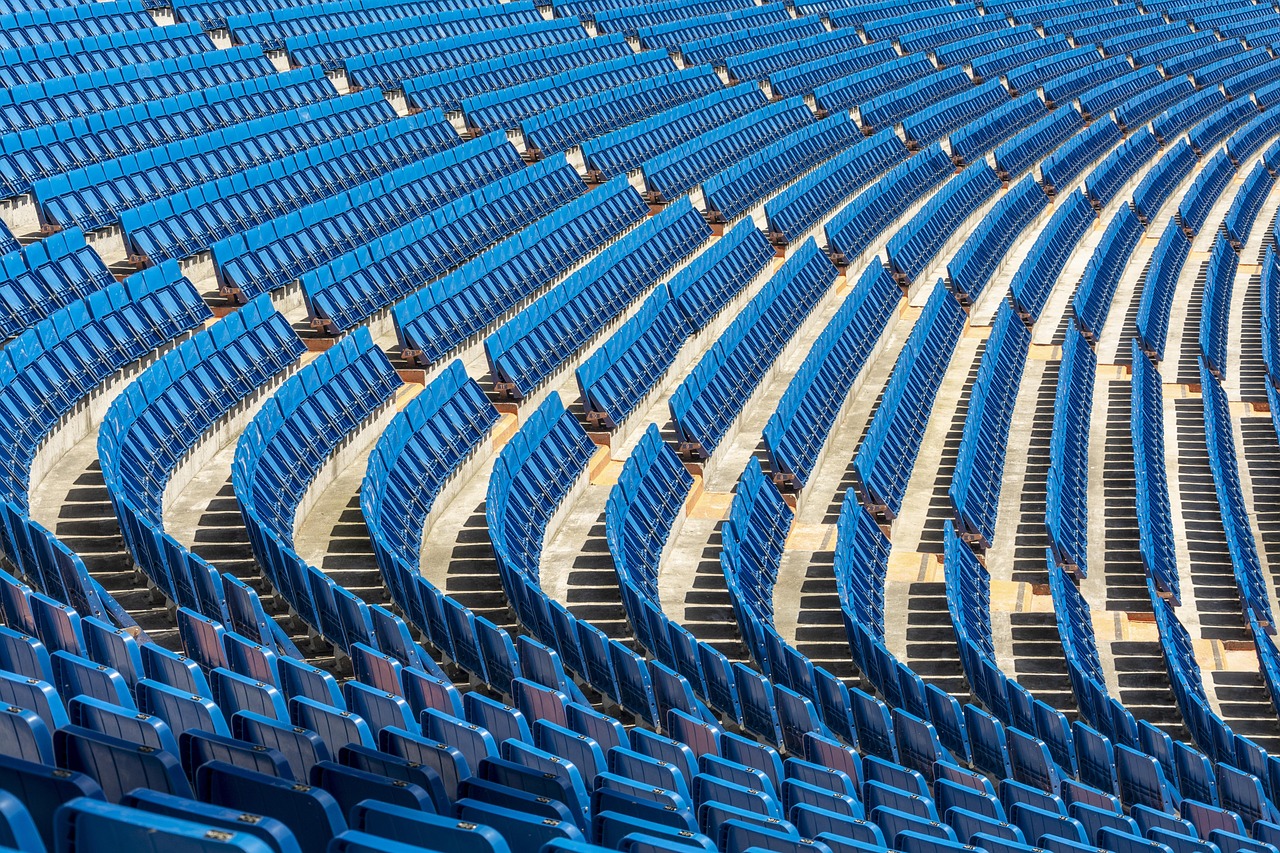
Facility Maintenance in a stadium context refers to the systematic processes and activities undertaken to keep all physical assets in optimal condition, ensuring safety, functionality, and a high level of service for spectators, athletes, and staff. The vocabulary associated with this discipline is extensive, reflecting the interdisciplinary nature of stadium operations, which combine engineering, finance, logistics, and customer experience. Mastery of these terms enables managers to communicate effectively with contractors, vendors, regulatory bodies, and internal teams, and to make informed decisions that balance cost, risk, and performance.
Asset Management is the overarching strategy for tracking, evaluating, and optimizing the life‑cycle of every piece of equipment, structure, and system within the venue. It involves creating a detailed register of assets, assigning unique identification numbers, and linking each asset to its maintenance history, warranty information, and depreciation schedule. For example, a stadium’s retractable roof mechanism would be recorded as a single asset, with sub‑components such as hydraulic pumps, control panels, and motor bearings listed as child assets. Effective asset management facilitates predictive analytics, allowing managers to forecast replacement dates and allocate budget accordingly.
Computerised Maintenance Management System (CMMS) is the software platform that stores all asset data, work orders, inventory levels, and performance metrics. A well‑implemented CMMS provides dashboards that display key performance indicators (KPIs) such as mean time to repair (MTTR), mean time between failures (MTBF), and work order completion rates. In practice, a stadium maintenance supervisor might use the CMMS to schedule a routine inspection of the lighting towers before a major concert, automatically generating a work order that includes required parts, labor estimates, and safety checklists.
Preventive Maintenance (PM) represents scheduled activities designed to prevent equipment failure before it occurs. These tasks are typically based on manufacturer recommendations, industry standards, or historical failure data. For a stadium, preventive maintenance might include lubricating the turntables of the rotating stage, cleaning air filters in the HVAC system, and inspecting the tension of the playing surface’s drainage pipes. The primary advantage of PM is the reduction of unplanned downtime, which can be especially costly during peak event periods.
Predictive Maintenance (PdM) uses real‑time data collection, often through sensors and IoT (Internet of Things) devices, to predict when an asset is likely to fail. By monitoring variables such as vibration, temperature, and pressure, the system can flag anomalies that indicate wear or impending breakdown. For instance, vibration analysis on the stadium’s main generator can detect bearing degradation before a critical power outage occurs, allowing technicians to replace the bearing during a scheduled maintenance window rather than during an event.
Reactive Maintenance (also called corrective or breakdown maintenance) occurs after an asset has failed. While unavoidable in some cases, excessive reliance on reactive maintenance signals poor planning and can lead to higher costs, safety hazards, and reputational damage. A common example in stadiums is a water main rupture in the concourse that floods a retail area. The rapid response required to mitigate damage, restore services, and communicate with patrons underscores the need for robust emergency protocols and adequate spare parts inventory.
Work Order is a formal request for service that details the scope of work, required resources, priority level, and target completion date. Work orders are generated within the CMMS and can be assigned to internal maintenance crews or external contractors. A typical work order for a stadium might read: “Inspect and replace worn‑out turf reinforcement stitches in Section B of the playing field; priority – high; scheduled for 0600 hours on the day before the next home game.”
Service Level Agreement (SLA) defines the performance expectations and responsibilities between the stadium management and third‑party service providers. SLAs cover response times, resolution times, availability guarantees, and penalties for non‑compliance. For example, a lighting contractor may have an SLA that guarantees a response within 30 minutes for any failure of the floodlights during a televised event, with a 2‑hour maximum repair window.
Key Performance Indicator (KPI) is a measurable value used to assess the effectiveness of maintenance processes. Common KPIs in stadium facilities include equipment availability, cost per square foot of maintenance, energy consumption per event, and the number of safety incidents. By tracking these metrics over time, managers can identify trends, benchmark against industry standards, and implement continuous improvement initiatives.
Mean Time to Repair (MTTR) calculates the average time required to fix a failed asset and return it to service. A lower MTTR indicates a well‑trained workforce, efficient spare parts management, and effective troubleshooting procedures. In a stadium setting, reducing MTTR for the scoreboard system is critical because any delay can affect broadcast timing and audience satisfaction.
Mean Time Between Failures (MTBF) measures the average interval between successive failures of a particular piece of equipment. A higher MTBF suggests higher reliability and successful preventive maintenance. For a stadium’s climate control units, achieving a high MTBF during a multi‑day tournament is essential to maintaining comfortable conditions for athletes and spectators alike.
Reliability‑Centered Maintenance (RCM) is a structured methodology that determines the most appropriate maintenance approach for each asset based on its function, failure modes, and consequences. RCM typically involves a failure mode and effects analysis (FMEA) to prioritize critical assets. In a stadium, the retractable roof may be deemed a critical asset due to its impact on revenue, safety, and event scheduling, thus warranting a rigorous RCM program that includes both preventive and predictive elements.
Failure Mode and Effects Analysis (FMEA) is a systematic technique used to identify potential failure modes, assess their causes, and evaluate the impact on operations. Each failure mode is assigned a risk priority number (RPN) based on severity, occurrence, and detection. For example, an FMEA on the stadium’s fire suppression system might reveal that a clogged sprinkler head has a high severity (potential for uncontrolled fire), moderate occurrence (annual inspections may miss it), and low detection (no built‑in alarm), resulting in a high RPN and prompting immediate corrective action.
Condition Monitoring involves the ongoing observation of asset health indicators, often through non‑intrusive techniques such as infrared thermography, acoustic emission testing, or oil analysis. Condition monitoring enables maintenance teams to detect early signs of degradation. A practical application in a stadium is the use of infrared cameras to spot overheating in the electrical distribution panels during a high‑energy lighting show, allowing technicians to address the issue before a fire hazard develops.
Life‑Cycle Costing (LCC) evaluates the total cost of owning and operating an asset over its entire useful life, including acquisition, installation, maintenance, operation, and disposal costs. LCC analysis helps decision‑makers choose between alternatives that may have different upfront prices but similar long‑term expenses. For instance, a stadium may compare a traditional LED lighting system with a newer laser‑based illumination system; while the laser system has a higher initial cost, LCC may reveal lower energy consumption and longer replacement intervals, resulting in overall savings.
Capital Expenditure (CapEx) refers to funds used to acquire, upgrade, or extend the life of physical assets. Stadium projects such as installing a new scoreboard, expanding seating capacity, or constructing a hospitality suite are considered CapEx. Understanding the distinction between CapEx and operational expenditure (OpEx) is essential for budgeting and financial reporting.
Operational Expenditure (OpEx) encompasses the recurring costs associated with day‑to‑day maintenance, utilities, labor, and consumables. In a stadium, OpEx items include routine cleaning, minor repairs, security staffing, and utility bills for heating, cooling, and lighting. Efficient OpEx management often involves negotiating bulk purchasing agreements for cleaning supplies or implementing energy‑saving measures to reduce utility bills.
Energy Management is the practice of monitoring, controlling, and optimizing energy usage across the facility. Stadiums, due to their large footprints and high‑intensity events, can benefit significantly from energy‑efficiency initiatives. Strategies include installing high‑efficiency HVAC units, using daylight‑responsive lighting controls, and integrating renewable energy sources such as solar panels on the roof. Energy management software can track consumption by zone, event type, and time of day, providing actionable insights for cost reduction.
Building Information Modeling (BIM) is a digital representation of the physical and functional characteristics of a facility. BIM models contain detailed information about structural elements, mechanical systems, electrical wiring, and architectural finishes. In stadium maintenance, BIM can be used to locate hidden utilities, plan renovation work, and coordinate with contractors to avoid clashes. For example, before installing a new sound system, the BIM model can reveal the exact routing of existing conduit to prevent accidental damage.
Integrated Workplace Management System (IWMS) expands on the capabilities of a CMMS by incorporating space planning, real‑estate management, and sustainability tracking. An IWMS can help stadium managers allocate conference rooms, schedule cleaning crews, and monitor carbon emissions associated with events. By providing a unified platform, the IWMS reduces data silos and improves decision‑making across departments.
Safety Management System (SMS) is a structured approach to identifying, assessing, and controlling hazards in the workplace. In a stadium environment, the SMS includes regular safety audits, personal protective equipment (PPE) protocols, emergency response drills, and incident reporting mechanisms. A well‑implemented SMS not only protects staff and visitors but also ensures compliance with occupational health and safety regulations.
Lockout‑Tagout (LOTO) is a safety procedure used to ensure that equipment is completely de‑energized and cannot be inadvertently started while maintenance work is being performed. The LOTO process involves physically locking the energy source and attaching a tag that identifies the responsible technician. For a stadium’s high‑voltage lighting circuits, strict LOTO compliance is essential to prevent electrocution hazards during bulb replacement.
Personal Protective Equipment (PPE) includes items such as hard hats, safety glasses, ear protection, gloves, and high‑visibility clothing. The selection of appropriate PPE depends on the specific task and associated risks. During the removal of a stadium’s old signage, workers may need fall protection harnesses, respiratory masks for dust, and steel‑toe boots to protect against falling objects.
Hazard Identification and Risk Assessment (HIRA) is the process of systematically detecting hazards, evaluating the likelihood and severity of potential incidents, and implementing control measures. In the context of stadium maintenance, HIRA might be performed before a major renovation project to identify risks such as structural overload, asbestos exposure, or traffic disruptions.
Environmental Management System (EMS) provides a framework for managing a facility’s environmental impacts, including waste generation, water usage, and emissions. Certifications such as ISO 14001 demonstrate a stadium’s commitment to sustainability. Practical EMS actions include implementing recycling stations throughout the concourse, using low‑flow fixtures in restrooms, and adopting biodegradable cleaning agents.
Waste Management in a stadium involves the segregation, collection, and disposal or recycling of various waste streams generated by events and daily operations. Effective waste management reduces landfill costs, improves the venue’s public image, and may qualify the stadium for green‑building credits. For example, a stadium can partner with a local composting facility to process food waste from concession stands, turning it into fertilizer for the surrounding community.
Asset Register is a comprehensive database that lists every item owned or controlled by the stadium, including specifications, location, condition, and ownership details. Maintaining an accurate asset register is critical for budgeting, compliance, and emergency response. The register may be organized by categories such as structural, mechanical, electrical, and soft‑goods (e.G., Seating, signage).
Spare Parts Inventory refers to the stock of replacement components kept on hand to support maintenance activities. Effective inventory management balances the cost of holding spare parts against the risk of equipment downtime due to unavailable components. In a stadium, critical spare parts might include hydraulic seals for the retractable roof, LED modules for the scoreboard, and bearing kits for the turnstiles.
Just‑In‑Time (JIT) Inventory is a logistics strategy that minimizes on‑hand inventory by receiving parts exactly when they are needed. While JIT can reduce carrying costs, it requires reliable suppliers and robust forecasting. For a stadium with a high volume of events, JIT may be applied to consumables such as cleaning chemicals, but critical components like roof hydraulic pumps are usually stocked as safety stock.
Safety Stock is an additional quantity of inventory kept to protect against demand variability or supply delays. Determining appropriate safety stock levels involves analyzing lead times, failure rates, and the criticality of each asset. For a stadium’s emergency power generators, a safety stock of fuel tanks and spare alternators ensures continuous operation during power outages.
Workforce Planning involves forecasting the number and skill sets of maintenance personnel required to meet operational demands. This includes scheduling shifts, arranging training, and managing overtime. During a major tournament, workforce planning may require hiring temporary technicians, cross‑training staff, and coordinating with union representatives to meet heightened workload.
Training and Certification are essential for ensuring that maintenance staff possess the knowledge and competencies required for specialized tasks. Certifications such as Certified Facility Manager (CFM), OSHA 30‑hour construction safety, or HVAC technician licenses validate expertise. Ongoing training programs help staff stay current with evolving technologies, such as programmable logic controllers (PLCs) used in modern stadium automation.
Outsourcing is the practice of contracting external firms to perform specific maintenance functions, such as janitorial services, landscaping, or specialized equipment repair. Outsourcing can provide cost savings, access to specialized expertise, and flexibility, but it also introduces challenges related to quality control, communication, and contract management. Clear SLAs and performance monitoring are critical to successful outsourcing arrangements.
Contract Management encompasses the creation, negotiation, execution, and monitoring of agreements with vendors and service providers. Effective contract management ensures that deliverables, timelines, and costs align with the stadium’s objectives. Key elements include scope of work, payment terms, performance metrics, and termination clauses. Regular contract reviews help identify opportunities for renegotiation or consolidation.
Risk Management is the systematic process of identifying, analyzing, and mitigating potential threats to the stadium’s operations. Risks may be financial, operational, reputational, or safety‑related. A risk register captures each risk, its probability, impact, and mitigation strategy. For instance, the risk of a severe weather event damaging the playing surface can be mitigated by investing in a drainage system with a high capacity and maintaining an emergency response plan.
Business Continuity Planning (BCP) ensures that essential functions can continue during and after a disruptive event. BCP includes strategies for backup power, data recovery, alternate venues, and communication protocols. In a stadium, a robust BCP might involve pre‑positioned portable generators, redundant networking equipment, and a clear chain of command for decision‑making during an emergency.
Incident Reporting is the formal documentation of any event that deviates from normal operations, such as equipment failures, safety incidents, or environmental spills. Accurate incident reporting supports root‑cause analysis, regulatory compliance, and continuous improvement. An incident report for a water leak in the hospitality suite would detail the location, time of discovery, immediate actions taken, and recommendations for preventing recurrence.
Root Cause Analysis (RCA) is a methodical approach to uncovering the underlying reasons for a failure or incident. Techniques such as the “5 Whys,” fishbone diagrams, or fault tree analysis are commonly used. By identifying the root cause, managers can implement corrective actions that prevent future occurrences. For example, an RCA on a recurring HVAC fan failure might reveal that inadequate vibration isolation was the primary cause, leading to the installation of new mounts.
Continuous Improvement (often expressed as Kaizen) is a philosophy that encourages ongoing incremental enhancements to processes, systems, and performance. In stadium maintenance, continuous improvement may involve regular review of KPI trends, staff feedback sessions, and the implementation of lean principles to reduce waste and improve workflow efficiency.
Lean Maintenance applies lean manufacturing concepts—such as value‑stream mapping, waste elimination, and standardized work—to the maintenance function. By focusing on activities that add value to the stakeholder (e.G., Ensuring a safe playing surface) and minimizing non‑value‑added tasks (e.G., Unnecessary paperwork), lean maintenance can increase productivity and reduce costs. A practical lean initiative could be the redesign of the work‑order approval process to eliminate redundant signatures, thereby shortening the time from request to execution.
Six Sigma is a data‑driven methodology aimed at reducing variation and defects in processes. In the context of stadium facilities, Six Sigma projects might target reducing the number of lighting fixture failures per 1,000 operating hours, or improving the accuracy of inventory counts. The DMAIC (Define, Measure, Analyze, Improve, Control) framework guides project teams through systematic problem‑solving.
Preventive Maintenance Schedule outlines the timing and frequency of routine tasks. Schedules are often based on manufacturer recommendations, regulatory requirements, or historical performance data. In a stadium, the schedule may include daily inspections of the field’s irrigation system, weekly cleaning of the grandstand’s handrails, monthly testing of fire alarm panels, and quarterly calibration of the scoreboard’s timing system.
Maintenance Planning and Scheduling (MPS) is the process of allocating resources, setting priorities, and timing maintenance activities to align with operational constraints. Effective MPS minimizes disruption to events while ensuring that critical assets receive necessary attention. For example, a stadium may schedule major roof inspections during the off‑season, whereas minor tasks like light bulb replacement can be performed overnight between events.
Resource Allocation involves assigning personnel, equipment, and budget to specific maintenance tasks. Optimizing resource allocation requires balancing competing demands, such as urgent repairs versus scheduled upgrades. Decision‑support tools within a CMMS can suggest the most efficient allocation based on skill levels, availability, and proximity to the work site.
Key Asset refers to equipment or infrastructure whose failure would have a significant impact on the stadium’s ability to host events, safety, or revenue generation. Key assets typically include the roof mechanism, scoreboard, lighting system, HVAC units, and emergency power generators. Prioritizing the maintenance of key assets ensures that the stadium can meet contractual obligations and maintain a positive reputation.
Criticality Assessment evaluates assets based on criteria such as safety impact, financial loss, operational disruption, and regulatory compliance. The outcome is a ranking that guides maintenance priorities. A criticality matrix may place the stadium’s fire suppression system in the highest tier, prompting frequent inspections and redundant system checks.
Standard Operating Procedure (SOP) is a documented set of instructions that describes how to perform a specific task safely and consistently. SOPs are essential for training, compliance, and quality assurance. An SOP for cleaning the turf after a rain‑soaked match would detail the equipment required, the sequence of drainage, aeration, and drying steps, and the safety precautions for handling chemicals.
Quality Assurance (QA) ensures that maintenance activities meet established standards and specifications. QA activities include inspections, testing, and documentation review. For a stadium’s acoustic system, QA might involve measuring sound pressure levels after speaker installation to verify compliance with the design specifications.
Quality Control (QC) focuses on detecting defects during the execution of work. QC processes often involve checklists, visual inspections, and functional tests. An example of QC in a stadium is verifying that each seat’s locking mechanism operates correctly before the seating area is released for public use.
Compliance denotes adherence to laws, regulations, industry standards, and contractual obligations. In stadium facilities, compliance areas include building codes, fire safety regulations, accessibility standards (such as ADA), environmental statutes, and occupational health and safety rules. Regular audits and inspections help maintain compliance and avoid penalties.
Regulatory Inspection is an external assessment conducted by government agencies or accredited bodies to verify that the stadium meets required standards. Common regulatory inspections cover fire safety, structural integrity, electrical safety, and sanitation. Preparation for inspections includes reviewing documentation, ensuring that maintenance records are up‑to‑date, and conducting internal pre‑audit checks.
Insurance Coverage protects the stadium against financial loss resulting from property damage, liability claims, and business interruption. Maintenance activities can influence insurance premiums; well‑maintained assets often result in lower risk assessments and favorable rates. Documentation of preventive maintenance programs is frequently required by insurers as proof of risk mitigation.
Warranty Management involves tracking the warranty periods of equipment and components, ensuring that repairs or replacements are performed within the covered timeframe. Effective warranty management can result in cost savings and reduced downtime. For a stadium’s new LED lighting system, warranty management would involve logging the installation date, warranty expiration, and any service calls made under warranty terms.
Depreciation is the systematic allocation of an asset’s cost over its useful life for accounting purposes. Depreciation methods (straight‑line, declining balance) affect the financial statements and tax liabilities. Understanding depreciation is important when budgeting for asset replacement, as it influences the timing of capital expenditures.
Return on Investment (ROI) measures the financial benefit derived from an investment relative to its cost. In stadium maintenance, ROI calculations might be applied to energy‑saving projects, such as upgrading to high‑efficiency chillers, where the initial outlay is weighed against projected energy cost reductions over a defined period.
Total Cost of Ownership (TCO) expands on ROI by incorporating all direct and indirect costs associated with an asset, including acquisition, installation, operation, maintenance, and disposal. TCO analysis enables decision‑makers to select solutions that provide the best overall value. For example, when evaluating two types of turf, the TCO would consider not only purchase price but also irrigation requirements, maintenance labor, and lifespan.
Lifecycle Management refers to the coordinated oversight of an asset from conception through retirement. It integrates planning, design, construction, operation, maintenance, and disposal phases. In a stadium, lifecycle management ensures that decisions made during the design stage (e.G., Selecting modular seating) facilitate easier upgrades and recyclability later.
Asset Criticality Index is a numerical score that combines factors such as failure probability, impact severity, and repair cost to rank assets. This index helps prioritize maintenance budgets. A stadium may calculate an index for each major system, assigning higher scores to the roof mechanism and lower scores to peripheral signage.
Service Request is a non‑emergency request for maintenance or support, often submitted by end‑users such as event staff, concession operators, or athletes. Service requests are typically lower priority than work orders but must still be tracked and addressed. An example is a request to adjust the height of a stage platform before a concert performance.
Job Safety Analysis (JSA) is a step‑by‑step assessment of a specific job to identify hazards and define control measures. JSAs are created before work begins and are especially important for high‑risk tasks such as working at height on the stadium’s upper tiers. The JSA outlines required PPE, permits, and emergency procedures.
Permit‑to‑Work (PTW) system controls hazardous work by issuing formal permits that authorize specific activities under defined conditions. PTW procedures ensure that all necessary precautions are in place before work commences. For example, a hot‑work permit is required before welding on steel components of the stadium’s façade.
Maintenance Budget is the financial plan that allocates funds for all maintenance‑related activities, including labor, materials, contracts, and equipment purchases. Budgeting involves forecasting based on historical spend, upcoming projects, inflation, and strategic priorities. A well‑structured maintenance budget supports proactive planning and reduces reliance on emergency spending.
Cost Control involves monitoring expenditures against the maintenance budget, identifying variances, and implementing corrective actions. Cost control tools may include variance analysis reports, spend dashboards, and approval workflows. For instance, if actual spend on HVAC filter replacement exceeds the budget, the manager may negotiate bulk pricing or adjust the preventive maintenance frequency.
Performance Benchmarking compares a stadium’s maintenance metrics against industry standards or peer facilities. Benchmarking helps identify best practices and areas for improvement. Metrics such as equipment availability, average repair time, and energy intensity per seat can be benchmarked against other major venues.
Smart Building Technology integrates sensors, automation, and data analytics to optimize building operations. In a stadium, smart technology may include automated lighting controls that adjust intensity based on natural light, occupancy sensors that regulate HVAC output, and predictive algorithms that schedule cleaning crews based on foot‑traffic patterns.
Internet of Things (IoT) devices enable real‑time monitoring of assets through wireless connectivity. IoT sensors can track temperature, humidity, vibration, and power consumption, feeding data into the CMMS for analysis. An IoT‑enabled water pump in the stadium’s irrigation system can alert staff to a pressure drop, prompting immediate investigation before a field‑drying event.
Digital Twin is a virtual replica of a physical asset or system that mirrors its behavior in real time. By creating a digital twin of the stadium’s HVAC network, managers can simulate different operating scenarios, test the impact of control changes, and anticipate maintenance needs without disrupting live operations.
Asset Tagging involves affixing barcodes, RFID tags, or QR codes to each asset for easy identification and tracking. Asset tagging simplifies inventory audits, enhances locating assets during emergencies, and streamlines the check‑in/check‑out process for loaned equipment. For example, each portable sound system component can be tagged to expedite setup and post‑event reconciliation.
Facility Condition Assessment (FCA) is a systematic evaluation of the physical state of building components, typically conducted by engineers or certified inspectors. The FCA produces a condition rating (e.G., Good, fair, poor) and recommends repair or replacement actions. Conducting an FCA before a major tournament helps prioritize upgrades to meet event‑specific requirements.
Building Code Compliance ensures that the stadium meets local and national construction regulations, covering aspects such as structural integrity, fire safety, accessibility, and egress. Non‑compliance can result in fines, legal liability, and restrictions on event scheduling. Regular code reviews and updates are essential, especially when renovating older venues.
Accessibility Standards address the needs of persons with disabilities, ensuring that the stadium provides barrier‑free access to seating, restrooms, concessions, and emergency exits. Compliance with standards such as the Americans with Disabilities Act (ADA) or equivalent local legislation is both a legal requirement and a component of inclusive customer experience. Maintenance tasks must consider accessibility, for example by keeping wheelchair ramps clear of debris.
Fire Protection System includes fire alarms, sprinklers, smoke detectors, and fire‑extinguishing equipment. Regular testing and maintenance of the fire protection system are mandatory under most fire codes. A typical maintenance activity involves conducting a quarterly flow test on each sprinkler head to verify adequate pressure.
Emergency Power Supply typically consists of diesel generators, battery banks, or uninterruptible power supplies (UPS) that provide electricity during outages. Maintenance of emergency power includes fuel testing, load bank exercises, and battery health monitoring. A failure of the emergency generator during a night‑time concert would have severe reputational and safety implications, making rigorous testing essential.
HVAC (Heating, Ventilation, and Air Conditioning) systems regulate temperature, humidity, and air quality throughout the stadium. Due to the large volume of space and variable occupancy, HVAC design and maintenance are complex. Strategies such as variable air volume (VAV) controls, demand‑controlled ventilation, and heat recovery improve efficiency and comfort.
Electrical Distribution encompasses transformers, switchgear, panels, and wiring that deliver power to lighting, sound, video, and ancillary systems. Maintenance tasks include inspecting insulation, tightening connections, and verifying grounding. Electrical safety standards (e.G., NFPA 70E) dictate procedures for live‑work and lockout‑tagout.
Plumbing and Drainage systems manage water supply, waste removal, and stormwater control. In a stadium, drainage design is critical to prevent field flooding and ensure rapid water removal from concourses. Maintenance includes cleaning catch basins, inspecting pipe integrity, and testing backflow preventers.
Structural Integrity refers to the ability of the stadium’s physical framework—foundations, columns, beams, and roof—to support loads safely. Regular inspections for corrosion, fatigue cracks, and settlement are essential, especially in aging venues. Structural maintenance may involve reinforcing steel members, applying protective coatings, or retrofitting seismic upgrades.
Roof Mechanism (retractable or fixed) is a high‑value, high‑risk asset that directly affects scheduling, revenue, and safety. Maintenance of the roof includes hydraulic system checks, motor inspections, seal integrity testing, and alignment verification. Failure of the roof during a rain‑delayed game can lead to significant financial losses and fan dissatisfaction.
Seating Systems comprise structural frames, individual seats, and anchoring hardware. Wear, vandalism, and exposure to the elements can degrade seating over time. Maintenance tasks involve inspecting seat hinges, tightening bolts, and replacing damaged upholstery. Seating upgrades are also a common revenue‑generation strategy, often financed through sponsorship deals.
Scoreboard and Video Display technology is central to the fan experience. These systems require regular calibration, software updates, and component cleaning. High‑resolution LED panels generate heat; therefore, cooling fans and airflow management are part of routine maintenance. Any malfunction can impact broadcast contracts and sponsor visibility.
Audio‑Visual (AV) Systems include public address (PA) speakers, line arrays, mixers, and control rooms. Maintenance includes checking speaker integrity, cleaning dust from amplifiers, and testing signal paths. AV reliability is especially critical during live events where timing and clarity affect safety announcements and entertainment quality.
Security Systems cover surveillance cameras, access control readers, intrusion detection, and perimeter fencing. Routine maintenance involves lens cleaning, firmware updates, and battery replacement for wireless devices. Security system performance is often audited by law‑enforcement agencies, making documentation of maintenance activities essential.
Lighting Systems consist of floodlights, spotlights, and architectural lighting. Energy‑efficient LED fixtures are increasingly common, offering longer lifespans and lower operating costs. Maintenance includes cleaning lenses, checking ballast health, and verifying alignment to avoid glare for spectators and broadcast cameras.
Playing Surface (Grass or Synthetic) requires specialized care to maintain performance characteristics. For natural grass, maintenance includes mowing, fertilization, aeration, and pest control. Synthetic turf demands regular brushing, infill replacement, and seam repairs. Surface condition directly influences athlete safety and competition standards.
Concourse Amenities such as restrooms, concession stands, and merchandise shops rely on plumbing, electrical, and HVAC services. Regular cleaning, equipment servicing, and compliance checks are necessary to maintain hygiene standards and customer satisfaction. A malfunctioning restroom during a sold‑out event can quickly become a public relations issue.
Parking Facilities involve lighting, signage, drainage, and surface maintenance. Snow removal, pothole repair, and lighting inspections are part of the maintenance scope. Efficient parking management improves traffic flow and reduces congestion, contributing to a positive overall fan experience.
Landscaping and Grounds encompass lawns, trees, ornamental plants, and irrigation. Maintenance tasks include pruning, pest management, and water‑use optimization. Sustainable landscaping practices, such as native plant selection and rainwater harvesting, can reduce water consumption and enhance the venue’s environmental profile.
Waste Water Management involves the treatment and disposal of sewage and runoff. Compliance with local environmental regulations requires regular sampling, system inspections, and proper discharge documentation. Failure to manage waste water effectively can result in fines and damage to the stadium’s reputation.
Energy Audits assess the stadium’s consumption patterns, identifying opportunities for savings through upgrades, retrofits, and behavioral changes. Audits often result in recommendations such as installing motion‑sensor lighting in low‑traffic areas, upgrading to high‑efficiency chillers, or implementing demand‑response programs with utility providers.
Demand‑Response Programs allow the stadium to reduce electricity usage during peak grid periods in exchange for financial incentives. Participation requires real‑time monitoring and the ability to shed load quickly, often through automated control of HVAC, lighting, and refrigeration systems. Successful participation can offset operational costs and demonstrate corporate stewardship.
Carbon Footprint measures the total greenhouse gas emissions associated with stadium operations, including energy use, travel, waste, and water consumption. Tracking the carbon footprint enables the venue to set reduction targets, pursue certifications such as LEED, and market its sustainability initiatives to sponsors and fans.
LEED Certification (Leadership in Energy and Environmental Design) is a globally recognized green building rating system. Achieving LEED certification involves meeting criteria across categories such as energy efficiency, water conservation, materials selection, and indoor environmental quality. Maintenance practices that support LEED include regular filter replacement, efficient lighting retrofits, and proper waste segregation.
ISO 9001 is a quality management standard that emphasizes process consistency, customer focus, and continual improvement. Implementing ISO 9001 in stadium maintenance requires documented procedures, internal audits, and management reviews. Certification can enhance stakeholder confidence and provide a framework for systematic performance tracking.
ISO 14001 outlines requirements for an environmental management system, guiding organizations to improve environmental performance, comply with regulations, and reduce waste. In a stadium, ISO 14001 may drive initiatives such as reducing single‑use plastics, implementing recycling programs, and optimizing water usage.
ISO 45001 focuses on occupational health and safety management, helping organizations create safer workplaces. Adoption of ISO 45001 involves risk assessments, incident reporting, employee training, and performance monitoring. For stadium maintenance crews, this standard ensures that safety is embedded in daily operations.
Stakeholder Management involves engaging and aligning the interests of diverse groups, including owners, sponsors, fans, athletes, regulatory agencies, and the surrounding community. Maintenance decisions can affect stakeholder perceptions; for example, a well‑maintained concourse improves fan satisfaction, while a delayed roof repair may cause sponsor frustration.
Vendor Management encompasses the selection, evaluation, and ongoing relationship with suppliers and contractors. Effective vendor management includes performance scorecards, regular communication, and joint problem‑solving. For critical services such as fire alarm testing, establishing clear expectations and monitoring compliance is vital.
Supply Chain Resilience refers to the ability of the stadium’s procurement system to withstand disruptions, such as shortages of spare parts or transportation delays. Strategies to improve resilience include diversifying suppliers, maintaining safety stock for critical components, and establishing local partnerships.
Training Matrix is a tool that maps required competencies to individual staff members, tracking certifications, training dates, and skill levels. The matrix ensures that each maintenance task is assigned to qualified personnel, supporting compliance and safety. Updating the matrix after each training session keeps the data current.
Mentorship Programs pair experienced technicians with newer staff to accelerate skill development and knowledge transfer. In a stadium environment, mentorship can focus on specialized areas such as hydraulic systems, high‑voltage electrical work, or stadium‑specific rigging techniques.
Succession Planning prepares the organization for leadership changes by identifying and developing internal talent for key maintenance management roles. A well‑structured succession plan mitigates risks associated with turnover and ensures continuity of critical operations.
Change Management addresses the human and procedural aspects of implementing new processes, technologies, or organizational structures. Successful change management in stadium maintenance might involve rolling out a new CMMS, requiring staff training, communication plans, and support mechanisms to encourage adoption.
Incident Command System (ICS) provides a standardized hierarchy for managing emergencies, defining roles such as Incident Commander, Operations Section Chief, and Safety Officer. In the context of a stadium, the ICS is activated during events like severe weather, terrorist threats, or major equipment failures, coordinating response across internal and external agencies.
Business Impact Analysis (BIA) assesses the potential consequences of disruptions to critical functions, helping prioritize recovery strategies. Conducting a BIA for a stadium might reveal that the loss of the scoreboard during a televised event has significant revenue implications, prompting investment in redundant systems.
Redundancy Planning involves designing backup systems that can take over when primary assets fail. Redundancy is common for power (dual generators), communications (multiple network paths), and lighting (extra fixtures). While redundancy increases capital costs, it enhances reliability and reduces the risk of event cancellation.
Environmental Impact Assessment (EIA) evaluates the potential effects of construction, renovation, or major maintenance projects on the surrounding environment.
Key takeaways
- Mastery of these terms enables managers to communicate effectively with contractors, vendors, regulatory bodies, and internal teams, and to make informed decisions that balance cost, risk, and performance.
- It involves creating a detailed register of assets, assigning unique identification numbers, and linking each asset to its maintenance history, warranty information, and depreciation schedule.
- A well‑implemented CMMS provides dashboards that display key performance indicators (KPIs) such as mean time to repair (MTTR), mean time between failures (MTBF), and work order completion rates.
- For a stadium, preventive maintenance might include lubricating the turntables of the rotating stage, cleaning air filters in the HVAC system, and inspecting the tension of the playing surface’s drainage pipes.
- Predictive Maintenance (PdM) uses real‑time data collection, often through sensors and IoT (Internet of Things) devices, to predict when an asset is likely to fail.
- The rapid response required to mitigate damage, restore services, and communicate with patrons underscores the need for robust emergency protocols and adequate spare parts inventory.
- A typical work order for a stadium might read: “Inspect and replace worn‑out turf reinforcement stitches in Section B of the playing field; priority – high; scheduled for 0600 hours on the day before the next home game.