
Health Safety And Environment
Health Safety and Environment is a critical component of the Advanced Certificate in Tank Storage and Terminal Operations in Oil and Gas, and understanding the key terms and vocabulary is essential for professionals working in this field. T…
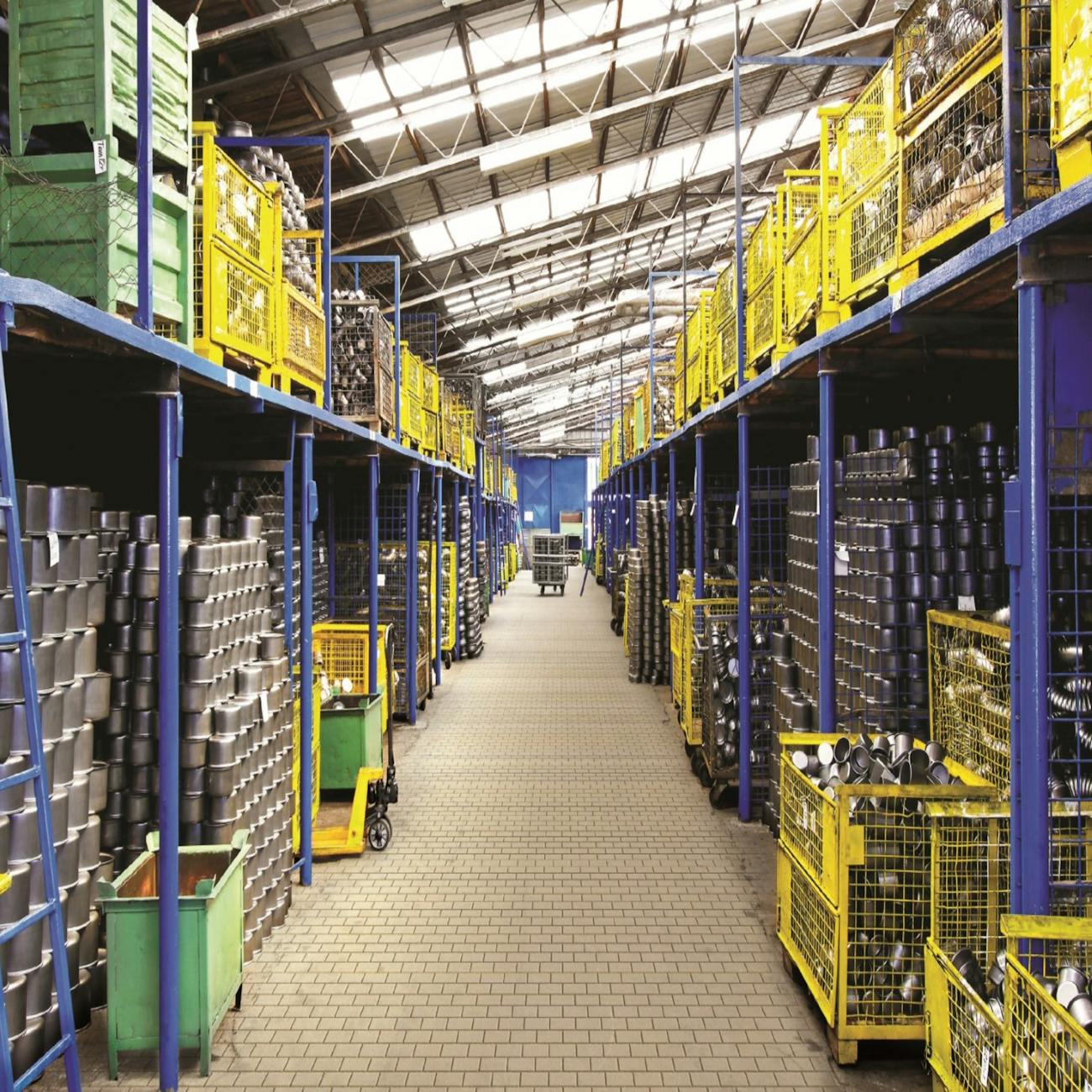
Health Safety and Environment is a critical component of the Advanced Certificate in Tank Storage and Terminal Operations in Oil and Gas, and understanding the key terms and vocabulary is essential for professionals working in this field. The hazard identification process is a crucial step in maintaining a safe working environment, as it allows for the identification of potential risks and the implementation of measures to mitigate them. This process involves a thorough analysis of the workplace, including the identification of physical hazards such as equipment and machinery, as well as chemical hazards such as hazardous substances and materials.
The safety management system is a critical component of Health Safety and Environment, as it provides a framework for managing safety risks and ensuring compliance with regulatory requirements. This system includes policies and procedures for managing workplace safety, including the use of personal protective equipment, emergency response planning, and incident reporting and investigation. The environmental management system is also an important component of Health Safety and Environment, as it provides a framework for managing environmental risks and ensuring compliance with regulatory requirements.
The environmental impact assessment is a critical step in the environmental management system, as it allows for the identification of potential environmental risks and the implementation of measures to mitigate them. This assessment involves a thorough analysis of the potential environmental impacts of a project or operation, including the potential for air and water pollution, as well as the potential for soil contamination. The hazardous waste management plan is also an important component of the environmental management system, as it provides a framework for managing hazardous waste and ensuring compliance with regulatory requirements.
The occupational health program is a critical component of Health Safety and Environment, as it provides a framework for managing occupational health risks and ensuring the health and well-being of employees. This program includes policies and procedures for managing workplace health risks, including the use of personal protective equipment, health surveillance, and employee training and education. The emergency response plan is also an important component of Health Safety and Environment, as it provides a framework for responding to emergencies and minimizing the risks to people and the environment.
The incident reporting and investigation process is a critical step in the safety management system, as it allows for the identification of root causes of incidents and the implementation of measures to prevent recurrence. This process involves a thorough analysis of the incident, including the identification of contributing factors and the implementation of corrective actions. The risk assessment process is also an important component of Health Safety and Environment, as it allows for the identification of potential risks and the implementation of measures to mitigate them.
The hazard control plan is a critical component of the safety management system, as it provides a framework for managing safety risks and ensuring compliance with regulatory requirements. This plan includes policies and procedures for managing workplace safety, including the use of personal protective equipment, emergency response planning, and incident reporting and investigation. The environmental monitoring program is also an important component of the environmental management system, as it provides a framework for monitoring environmental risks and ensuring compliance with regulatory requirements.
The air quality monitoring program is a critical component of the environmental monitoring program, as it allows for the monitoring of air quality and the identification of potential air pollution risks. This program includes policies and procedures for monitoring air quality, including the use of air quality monitoring equipment and the implementation of corrective actions. The water quality monitoring program is also an important component of the environmental monitoring program, as it allows for the monitoring of water quality and the identification of potential water pollution risks.
The soil contamination monitoring program is a critical component of the environmental monitoring program, as it allows for the monitoring of soil quality and the identification of potential soil contamination risks. This program includes policies and procedures for monitoring soil quality, including the use of soil monitoring equipment and the implementation of corrective actions. The waste management plan is also an important component of the environmental management system, as it provides a framework for managing waste and ensuring compliance with regulatory requirements.
The hazardous materials management plan is a critical component of the environmental management system, as it provides a framework for managing hazardous materials and ensuring compliance with regulatory requirements. This plan includes policies and procedures for managing hazardous materials, including the use of personal protective equipment, emergency response planning, and incident reporting and investigation.
The fire safety plan is a critical component of the emergency response plan, as it provides a framework for responding to fires and minimizing the risks to people and the environment. This plan includes policies and procedures for responding to fires, including the use of fire extinguishing equipment and the implementation of evacuation procedures. The first aid program is also an important component of Health Safety and Environment, as it provides a framework for responding to medical emergencies and minimizing the risks to people.
The medical emergency response plan is a critical component of the first aid program, as it provides a framework for responding to medical emergencies and minimizing the risks to people. This plan includes policies and procedures for responding to medical emergencies, including the use of medical equipment and the implementation of emergency procedures. The safety training program is also an important component of Health Safety and Environment, as it provides a framework for training employees on safety procedures and ensuring compliance with regulatory requirements.
The environmental training program is a critical component of the environmental management system, as it provides a framework for training employees on environmental procedures and ensuring compliance with regulatory requirements. This program includes policies and procedures for training employees on environmental procedures, including the use of environmental equipment and the implementation of emergency procedures. The hazard communication program is also an important component of Health Safety and Environment, as it provides a framework for communicating hazards to employees and ensuring compliance with regulatory requirements.
The labeling and signing program is a critical component of the hazard communication program, as it provides a framework for labeling and signing hazardous materials and ensuring compliance with regulatory requirements. This program includes policies and procedures for labeling and signing hazardous materials, including the use of labels and signs and the implementation of training programs. The safety data sheet program is also an important component of the hazard communication program, as it provides a framework for communicating safety information to employees and ensuring compliance with regulatory requirements.
The incident investigation program is a critical component of the safety management system, as it provides a framework for investigating incidents and identifying root causes. This program includes policies and procedures for investigating incidents, including the use of investigation equipment and the implementation of corrective actions. The corrective action program is also an important component of the safety management system, as it provides a framework for implementing corrective actions and preventing recurrence of incidents.
The preventive maintenance program is a critical component of the safety management system, as it provides a framework for maintaining equipment and preventing failures. This program includes policies and procedures for maintaining equipment, including the use of maintenance schedules and the implementation of training programs. The quality control program is also an important component of the safety management system, as it provides a framework for controlling quality and ensuring compliance with regulatory requirements.
The auditing program is a critical component of the safety management system, as it provides a framework for auditing safety procedures and ensuring compliance with regulatory requirements. This program includes policies and procedures for auditing safety procedures, including the use of audit checklists and the implementation of corrective actions. The management of change program is also an important component of the safety management system, as it provides a framework for managing changes to safety procedures and ensuring compliance with regulatory requirements.
The communication program is a critical component of the safety management system, as it provides a framework for communicating safety information to employees and ensuring compliance with regulatory requirements. This program includes policies and procedures for communicating safety information, including the use of safety meetings and the implementation of training programs. The employee participation program is also an important component of the safety management system, as it provides a framework for involving employees in safety procedures and ensuring compliance with regulatory requirements.
The contractor management program is a critical component of the safety management system, as it provides a framework for managing contractors and ensuring compliance with regulatory requirements. This program includes policies and procedures for managing contractors, including the use of contractor agreements and the implementation of training programs. The regulatory compliance program is also an important component of the safety management system, as it provides a framework for ensuring compliance with regulatory requirements.
The permit to work program is a critical component of the safety management system, as it provides a framework for controlling work activities and ensuring compliance with regulatory requirements. This program includes policies and procedures for controlling work activities, including the use of permits and the implementation of safety procedures. The lockout tagout program is also an important component of the safety management system, as it provides a framework for controlling energy sources and ensuring compliance with regulatory requirements.
The confined space program is a critical component of the safety management system, as it provides a framework for controlling confined space entries and ensuring compliance with regulatory requirements. This program includes policies and procedures for controlling confined space entries, including the use of permits and the implementation of safety procedures. The fall protection program is also an important component of the safety management system, as it provides a framework for controlling fall hazards and ensuring compliance with regulatory requirements.
The personal protective equipment program is a critical component of the safety management system, as it provides a framework for controlling personal protective equipment and ensuring compliance with regulatory requirements. This program includes policies and procedures for controlling personal protective equipment, including the use of equipment and the implementation of training programs. The respiratory protection program is also an important component of the safety management system, as it provides a framework for controlling respiratory hazards and ensuring compliance with regulatory requirements.
The hearing conservation program is a critical component of the safety management system, as it provides a framework for controlling hearing hazards and ensuring compliance with regulatory requirements. This program includes policies and procedures for controlling hearing hazards, including the use of hearing protection equipment and the implementation of training programs. The hazardous materials program is also an important component of the safety management system, as it provides a framework for controlling hazardous materials and ensuring compliance with regulatory requirements.
The spill response program is a critical component of the safety management system, as it provides a framework for responding to spills and minimizing the risks to people and the environment. This program includes policies and procedures for responding to spills, including the use of spill response equipment and the implementation of emergency procedures. The fire protection program is also an important component of the safety management system, as it provides a framework for controlling fire hazards and ensuring compliance with regulatory requirements.
The emergency response plan is a critical component of the safety management system, as it provides a framework for responding to emergencies and minimizing the risks to people and the environment. This plan includes policies and procedures for responding to emergencies, including the use of emergency response equipment and the implementation of evacuation procedures. The crisis management program is also an important component of the safety management system, as it provides a framework for managing crises and ensuring compliance with regulatory requirements.
The business continuity program is a critical component of the safety management system, as it provides a framework for maintaining business operations during emergencies and ensuring compliance with regulatory requirements. This program includes policies and procedures for maintaining business operations, including the use of backup systems and the implementation of emergency procedures. The quality management program is also an important component of the safety management system, as it provides a framework for controlling quality and ensuring compliance with regulatory requirements.
The environmental management program is a critical component of the safety management system, as it provides a framework for controlling environmental risks and ensuring compliance with regulatory requirements. This program includes policies and procedures for controlling environmental risks, including the use of environmental equipment and the implementation of emergency procedures. The safety management program is also an important component of the safety management system, as it provides a framework for controlling safety risks and ensuring compliance with regulatory requirements.
The health management program is a critical component of the safety management system, as it provides a framework for controlling health risks and ensuring compliance with regulatory requirements. This program includes policies and procedures for controlling health risks, including the use of health equipment and the implementation of emergency procedures. The hazard management program is also an important component of the safety management system, as it provides a framework for controlling hazards and ensuring compliance with regulatory requirements.
The risk management program is a critical component of the safety management system, as it provides a framework for controlling risks and ensuring compliance with regulatory requirements. This program includes policies and procedures for controlling risks, including the use of risk assessment equipment and the implementation of emergency procedures. The compliance program is also an important component of the safety management system, as it provides a framework for ensuring compliance with regulatory requirements.
The training program is a critical component of the safety management system, as it provides a framework for training employees on safety procedures and ensuring compliance with regulatory requirements. This program includes policies and procedures for training employees, including the use of training equipment and the implementation of emergency procedures. The communication program is also an important component of the safety management system, as it provides a framework for communicating safety information to employees and ensuring compliance with regulatory requirements.
The participation program is a critical component of the safety management system, as it provides a framework for involving employees in safety procedures and ensuring compliance with regulatory requirements. This program includes policies and procedures for involving employees, including the use of participation equipment and the implementation of emergency procedures. The review program is also an important component of the safety management system, as it provides a framework for reviewing safety procedures and ensuring compliance with regulatory requirements.
The audit program is a critical component of the safety management system, as it provides a framework for auditing safety procedures and ensuring compliance with regulatory requirements. This program includes policies and procedures for auditing safety procedures, including the use of audit equipment and the implementation of emergency procedures. The continuous improvement program is also an important component of the safety management system, as it provides a framework for continuously improving safety procedures and ensuring compliance with regulatory requirements.
The management commitment program is a critical component of the safety management system, as it provides a framework for demonstrating management commitment to safety and ensuring compliance with regulatory requirements. This program includes policies and procedures for demonstrating management commitment, including the use of commitment equipment and the implementation of emergency procedures. The employee involvement program is also an important component of the safety management system, as it provides a framework for involving employees in safety procedures and ensuring compliance with regulatory requirements.
The supplier management program is a critical component of the safety management system, as it provides a framework for managing suppliers and ensuring compliance with regulatory requirements. This program includes policies and procedures for managing suppliers, including the use of supplier agreements and the implementation of emergency procedures. The contractor management program is also an important component of the safety management system, as it provides a framework for managing contractors and ensuring compliance with regulatory requirements.
The visitor management program is a critical component of the safety management system, as it provides a framework for managing visitors and ensuring compliance with regulatory requirements. This program includes policies and procedures for managing visitors, including the use of visitor agreements and the implementation of emergency procedures. The emergency response program is also an important component of the safety management system, as it provides a framework for responding to emergencies and minimizing the risks to people and the environment.
The crisis management program is a critical component of the safety management system, as it provides a framework for managing crises and ensuring compliance with regulatory requirements. This program includes policies and procedures for managing crises, including the use of crisis management equipment and the implementation of emergency procedures. The business continuity program is also an important component of the safety management system, as it provides a framework for maintaining business operations during emergencies and ensuring compliance with regulatory requirements.
The quality management program is a critical component of the safety management system, as it provides a framework for controlling quality and ensuring compliance with regulatory requirements. This program includes policies and procedures for controlling quality, including the use of quality equipment and the implementation of emergency procedures. The environmental management program is also an important component of the safety management system, as it provides a framework for controlling environmental risks and ensuring compliance with regulatory requirements.
Key takeaways
- Health Safety and Environment is a critical component of the Advanced Certificate in Tank Storage and Terminal Operations in Oil and Gas, and understanding the key terms and vocabulary is essential for professionals working in this field.
- The environmental management system is also an important component of Health Safety and Environment, as it provides a framework for managing environmental risks and ensuring compliance with regulatory requirements.
- This assessment involves a thorough analysis of the potential environmental impacts of a project or operation, including the potential for air and water pollution, as well as the potential for soil contamination.
- The occupational health program is a critical component of Health Safety and Environment, as it provides a framework for managing occupational health risks and ensuring the health and well-being of employees.
- The incident reporting and investigation process is a critical step in the safety management system, as it allows for the identification of root causes of incidents and the implementation of measures to prevent recurrence.
- The environmental monitoring program is also an important component of the environmental management system, as it provides a framework for monitoring environmental risks and ensuring compliance with regulatory requirements.
- The water quality monitoring program is also an important component of the environmental monitoring program, as it allows for the monitoring of water quality and the identification of potential water pollution risks.