
Environmental Management And Sustainability
Environmental management and sustainability are critical components of the Executive Development Programme in Tank Farm Business And Operations Management, as they directly impact the long-term viability and success of tank farm operations.…
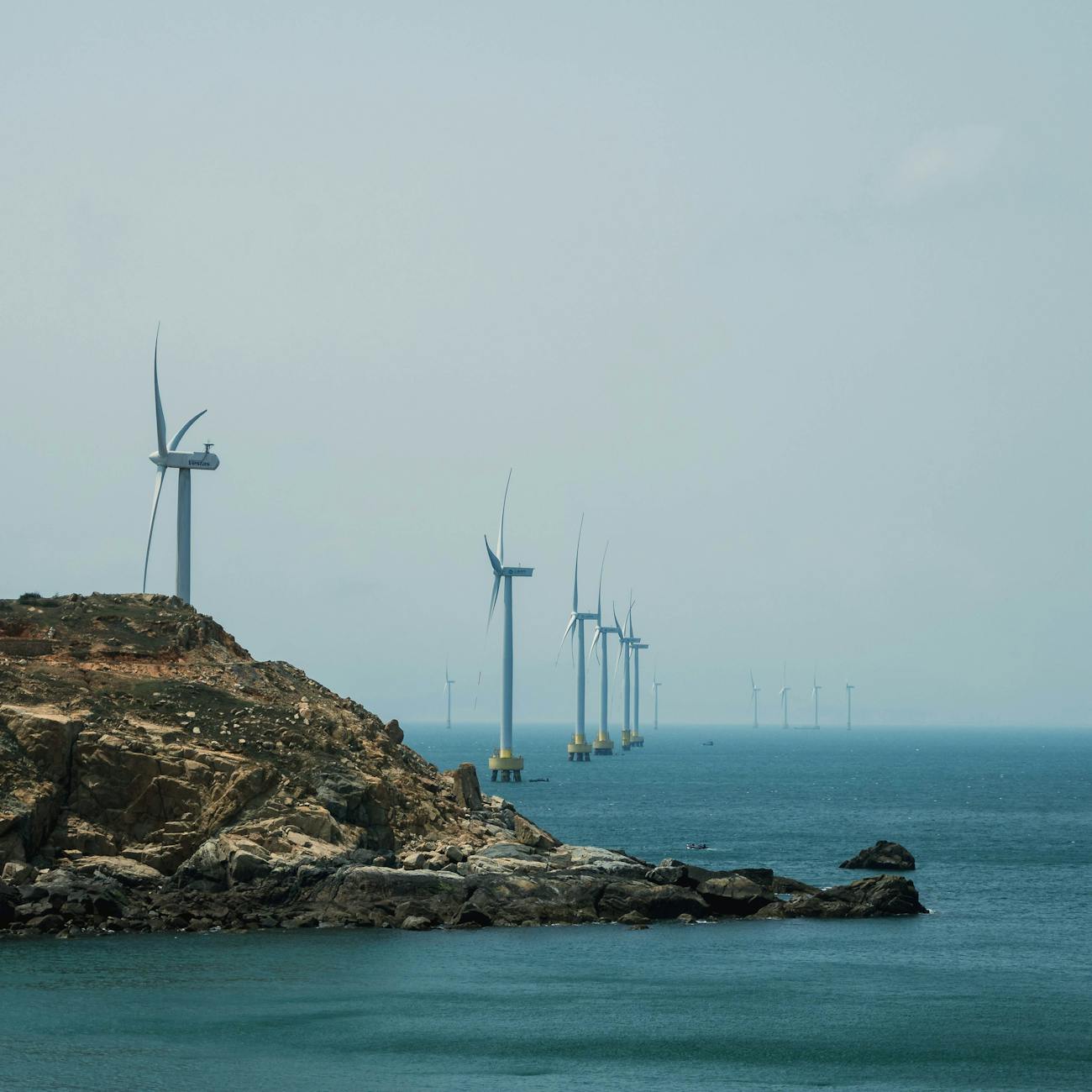
Environmental management and sustainability are critical components of the Executive Development Programme in Tank Farm Business And Operations Management, as they directly impact the long-term viability and success of tank farm operations. The key to effective environmental management is understanding the interconnectedness of human systems and the natural environment. This involves recognizing the potential environmental impacts of tank farm operations, such as air and water pollution, and taking proactive steps to mitigate these effects.
One of the primary challenges in environmental management is balancing the need for economic development with the need to protect the environment. This requires adopting a sustainable approach to business operations, which involves minimizing waste and reducing the consumption of non-renewable resources. In the context of tank farm operations, this might involve implementing energy-efficient systems and practices, such as using LED lighting and optimizing tank storage and handling procedures to reduce emissions.
Another important aspect of environmental management is compliance with relevant laws and regulations. This includes ensuring that tank farm operations meet or exceed environmental standards for air and water quality, as well as safety standards for employees and surrounding communities. Failure to comply with these regulations can result in significant penalties and damage to a company's reputation.
In addition to complying with existing regulations, tank farm operators must also be prepared to adapt to changing environmental conditions and emerging trends. This might involve investing in new technologies and innovative practices, such as bioremediation and green infrastructure. By staying ahead of the curve and embracing sustainable practices, tank farm operators can reduce their environmental footprint and improve their long-term viability.
Effective environmental management also requires a deep understanding of the ecological context in which tank farm operations take place. This includes recognizing the potential risks and opportunities associated with different ecosystems and habitats. For example, tank farms located in coastal areas may need to take special precautions to prevent oil spills and protect marine ecosystems.
The social dimension of environmental management is also critical, as tank farm operations can have significant impacts on local communities and stakeholders. This includes ensuring that operations are transparent and accountable, and that the needs and concerns of local residents are taken into account. By engaging with stakeholders and adopting a collaborative approach to environmental management, tank farm operators can build trust and improve their reputation.
In terms of practical applications, environmental management in tank farm operations might involve implementing environmental management systems (EMS) that provide a framework for identifying, assessing, and mitigating environmental risks. This might include conducting regular audits and monitoring to ensure compliance with regulations and standards. It could also involve implementing training programs for employees to raise awareness and promote best practices in environmental management.
The benefits of effective environmental management in tank farm operations are numerous. These include reducing costs associated with compliance and regulatory penalties, improving reputation and brand value, and enhancing safety and security for employees and surrounding communities. By adopting a sustainable approach to business operations, tank farm operators can also reduce their environmental footprint and contribute to a more resilient and sustainable future.
One of the key challenges in implementing effective environmental management in tank farm operations is balancing competing priorities and interests. This might involve managing tensions between economic, social, and environmental objectives, and finding ways to integrate environmental considerations into core business operations. By adopting a holistic approach to environmental management, tank farm operators can identify synergies and opportunities for improvement, and develop strategies that support long-term sustainability.
In terms of tools and techniques, environmental management in tank farm operations might involve using life cycle assessment (LCA) to evaluate the environmental impacts of different products and processes. This could also involve implementing environmental accounting systems to track and manage environmental costs and benefits. By using these tools and techniques, tank farm operators can develop a more comprehensive understanding of their environmental footprint and identify opportunities for improvement.
The role of leadership is also critical in environmental management, as it sets the tone and direction for environmental initiatives and strategies. Effective leaders must be able to communicate a clear vision and commitment to environmental sustainability, and empower employees to take ownership of environmental initiatives. By fostering a culture of sustainability and environmental stewardship, tank farm operators can drive innovation and improvement in environmental management.
The importance of stakeholder engagement cannot be overstated in environmental management. This involves building relationships with key stakeholders, including regulators, communities, and NGOs, to ensure that environmental concerns and interests are taken into account.
In terms of best practices, environmental management in tank farm operations might involve implementing environmental management systems (EMS) that provide a framework for identifying, assessing, and mitigating environmental risks. This could also involve adopting industry best practices for storage and handling of petroleum products, and implementing training programs for employees to raise awareness and promote best practices in environmental management.
The future of environmental management in tank farm operations will likely be shaped by emerging trends and technologies, such as renewable energy and green infrastructure. As the energy landscape continues to evolve, tank farm operators will need to adapt and innovate to remain competitive and sustainable. By embracing sustainable practices and new technologies, tank farm operators can reduce their environmental footprint and contribute to a more resilient and sustainable future.
In addition to technological innovations, the future of environmental management in tank farm operations will also be shaped by changing regulatory landscapes and emerging standards. As regulators and stakeholders increasingly demand greater transparency and accountability in environmental management, tank farm operators will need to be prepared to adapt and respond to these changes.
The impact of environmental management on the bottom line of tank farm operations should not be underestimated. By reducing waste and inefficiencies, tank farm operators can minimize costs and maximize profitability. Effective environmental management can also enhance reputation and brand value, leading to increased customer loyalty and retention. By adopting a sustainable approach to business operations, tank farm operators can drive growth and innovation, while minimizing their environmental footprint.
In terms of case studies, there are many examples of tank farm operators that have successfully implemented environmental management systems and practices. For example, a major oil company implemented an energy-efficient lighting system at one of its tank farms, resulting in significant cost savings and reductions in greenhouse gas emissions. Another company implemented a waste reduction program, which resulted in a significant decrease in waste disposal costs and a reduction in the company's environmental footprint.
The benefits of environmental management in tank farm operations are clear. By adopting a sustainable approach to business operations, tank farm operators can reduce their environmental footprint, improve their reputation and brand value, and drive growth and innovation. As the energy landscape continues to evolve, tank farm operators that prioritize environmental management will be better positioned to remain competitive and sustainable in the long term.
In terms of challenges, implementing effective environmental management in tank farm operations can be complex and time-consuming. It requires a deep understanding of the ecological context in which operations take place, as well as the social and economic impacts of tank farm operations. Additionally, tank farm operators must balance competing priorities and interests, and manage tensions between economic, social, and environmental objectives.
The importance of monitoring and evaluation in environmental management cannot be overstated. By tracking key performance indicators (KPIs) and metrics, tank farm operators can assess the effectiveness of their environmental management systems and practices, and identify areas for improvement. This might involve conducting regular audits and assessments to ensure compliance with regulations and standards, as well as benchmarking against industry best practices.
In terms of training and capacity building, tank farm operators must ensure that employees have the necessary skills and knowledge to implement environmental management systems and practices. This might involve providing training programs and workshops on environmental management, as well as mentoring and coaching to support employee development. By investing in human capital, tank farm operators can drive innovation and improvement in environmental management.
The role of technology in environmental management is also critical. By leveraging new technologies and innovations, tank farm operators can reduce their environmental footprint and improve their efficiency and productivity. This might involve implementing energy-efficient systems and practices, such as LED lighting and renewable energy systems. By embracing new technologies and innovations, tank farm operators can drive growth and sustainability in their operations.
In terms of future directions, the future of environmental management in tank farm operations will likely be shaped by emerging trends and technologies, such as artificial intelligence and internet of things (IoT).
The importance of collaboration and partnership in environmental management cannot be overstated. By working with stakeholders and partners, tank farm operators can leverage expertise and resources to drive innovation and improvement in environmental management. This might involve partnering with research institutions and universities to develop new technologies and innovations, or collaborating with industry associations and NGOs to promote best practices and sustainable development.
In terms of policy and regulation, the future of environmental management in tank farm operations will likely be shaped by emerging policies and regulations, such as the Paris Agreement and the United Nations' Sustainable Development Goals (SDGs).
The importance of communication and stakeholder engagement in environmental management cannot be overstated. By communicating effectively with stakeholders and partners, tank farm operators can build trust and credibility, and promote transparency and accountability in environmental management. This might involve providing regular updates and reports on environmental performance, as well as engaging with stakeholders through social media and other channels.
In terms of implementation, effective environmental management in tank farm operations requires a structured approach to implementation. This involves defining clear goals and objectives, identifying key performance indicators (KPIs) and metrics, and developing a comprehensive implementation plan. By following a structured approach to implementation, tank farm operators can ensure that their environmental management systems and practices are effective and sustainable.
The importance of continuous improvement in environmental management cannot be overstated. By regularly reviewing and assessing environmental performance, tank farm operators can identify areas for improvement and develop strategies to address these gaps. This might involve benchmarking against industry best practices, identifying emerging trends and technologies, and developing innovative solutions to environmental challenges.
In terms of challenges and opportunities, the future of environmental management in tank farm operations will likely be shaped by emerging trends and technologies, such as renewable energy and green infrastructure.
The importance of stakeholder engagement and communication in environmental management cannot be overstated.
In terms of best practices, effective environmental management in tank farm operations involves adopting a holistic approach to environmental management, which considers the social, economic, and environmental impacts of tank farm operations. This might involve implementing environmental management systems (EMS) that provide a framework for identifying, assessing, and mitigating environmental risks. By adopting best practices and sustainable practices, tank farm operators can reduce their environmental footprint and improve their reputation and brand value.
The importance of leadership and governance in environmental management cannot be overstated. By providing strong leadership and governance, tank farm operators can ensure that environmental management is integrated into core business operations, and that accountability and transparency are maintained. By adopting a holistic approach to environmental management, tank farm operators can drive innovation and improvement in environmental management, and reduce their environmental footprint.
In terms of future research directions, the future of environmental management in tank farm operations will likely be shaped by emerging trends and technologies, such as artificial intelligence and internet of things (IoT).
The importance of international cooperation and collaboration in environmental management cannot be overstated. By working with international organizations and partners, tank farm operators can leverage expertise and resources to drive innovation and improvement in environmental management. By adopting a holistic approach to environmental management, tank farm operators can reduce their environmental footprint and improve their reputation and brand value.
In terms of policy implications, the future of environmental management in tank farm operations will likely be shaped by emerging policies and regulations, such as the Paris Agreement and the United Nations' Sustainable Development Goals (SDGs).
The importance of environmental education and awareness in environmental management cannot be overstated. By providing environmental education and awareness programs, tank farm operators can promote environmental literacy and stewardship among employees and stakeholders.
The importance of community engagement and participation in environmental management cannot be overstated. By engaging with local communities and stakeholders, tank farm operators can build trust and credibility, and promote transparency and accountability in environmental management.
In terms of implementation challenges, effective environmental management in tank farm operations requires a structured approach to implementation.
The importance of continuous monitoring and evaluation in environmental management cannot be overstated.
In terms of future outlook, the future of environmental management in tank farm operations will likely be shaped by emerging trends and technologies, such as renewable energy and green infrastructure.
Key takeaways
- Environmental management and sustainability are critical components of the Executive Development Programme in Tank Farm Business And Operations Management, as they directly impact the long-term viability and success of tank farm operations.
- In the context of tank farm operations, this might involve implementing energy-efficient systems and practices, such as using LED lighting and optimizing tank storage and handling procedures to reduce emissions.
- This includes ensuring that tank farm operations meet or exceed environmental standards for air and water quality, as well as safety standards for employees and surrounding communities.
- By staying ahead of the curve and embracing sustainable practices, tank farm operators can reduce their environmental footprint and improve their long-term viability.
- For example, tank farms located in coastal areas may need to take special precautions to prevent oil spills and protect marine ecosystems.
- By engaging with stakeholders and adopting a collaborative approach to environmental management, tank farm operators can build trust and improve their reputation.
- It could also involve implementing training programs for employees to raise awareness and promote best practices in environmental management.