
Construction Law
Construction law is a complex and multifaceted field that encompasses a wide range of legal issues related to the construction industry. At its core, construction law deals with the legal relationships between parties involved in constructi…
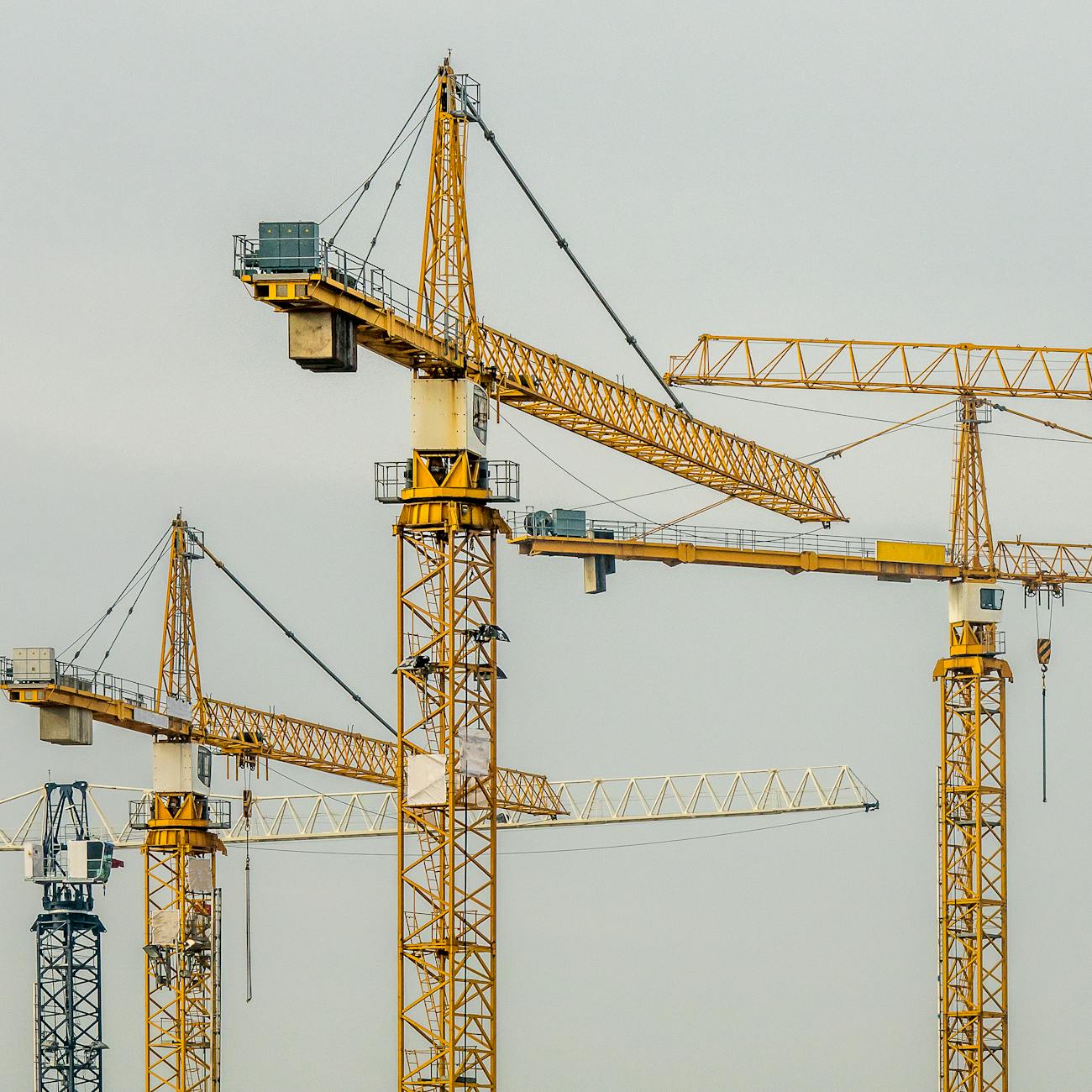
Construction law is a complex and multifaceted field that encompasses a wide range of legal issues related to the construction industry. At its core, construction law deals with the legal relationships between parties involved in construction projects, including contractors, subcontractors, architects, engineers, and clients. These relationships are governed by a variety of laws, regulations, and contractual agreements that aim to ensure that construction projects are completed on time, within budget, and to the required quality standards.
One of the key concepts in construction law is the idea of privity of contract, which refers to the direct contractual relationship between two parties. In the context of construction projects, privity of contract typically exists between the client and the main contractor, and between the main contractor and subcontractors. However, privity of contract can also exist between other parties, such as between the client and architects or engineers. Understanding the concept of privity of contract is crucial in construction law, as it determines the rights and obligations of each party involved in a construction project.
Another important concept in construction law is the building contract, which is a legally binding agreement between the client and the main contractor. The building contract sets out the terms and conditions of the construction project, including the scope of work, payment terms, and completion dates. Building contracts can be complex and may involve multiple parties, including subcontractors and consultants. There are different types of building contracts, including lump sum contracts, cost-plus contracts, and target cost contracts, each with its own advantages and disadvantages.
Construction law also deals with issues related to contract administration, which refers to the process of managing and enforcing the terms of a building contract. Contract administration involves ensuring that the contractor complies with the terms of the contract, including the scope of work, payment terms, and completion dates. It also involves resolving disputes and dealing with any issues that may arise during the course of the project. Effective contract administration is crucial to the success of a construction project, as it helps to prevent delays, cost overruns, and disputes.
In addition to contract administration, construction law also involves dispute resolution, which refers to the process of resolving disputes that may arise during the course of a construction project. Disputes can arise for a variety of reasons, including delays, cost overruns, and defects in the work. There are different methods of dispute resolution, including negotiation, mediation, arbitration, and litigation. Each method has its own advantages and disadvantages, and the choice of method will depend on the specific circumstances of the dispute.
Construction law also involves issues related to health and safety, which is a critical aspect of construction projects. The Health and Safety at Work etc. Act 1974 is a key piece of legislation that governs health and safety in the construction industry. The Act imposes duties on employers, including main contractors and subcontractors, to ensure the health and safety of their employees and others who may be affected by their work. Construction law also involves issues related to environmental law, which refers to the laws and regulations that govern the environmental impact of construction projects.
Furthermore, construction law involves issues related to insurance and bonding, which are critical components of construction projects. Insurance and bonding provide financial protection to clients and contractors in the event of unforeseen circumstances, such as accidents, delays, or cost overruns. There are different types of insurance and bonding, including professional indemnity insurance, public liability insurance, and performance bonds. Understanding the different types of insurance and bonding is crucial in construction law, as it helps to manage risk and ensure that construction projects are completed successfully.
Construction law also involves issues related to payment and financing, which are critical aspects of construction projects. Payment and financing involve the flow of money from the client to the contractor and subcontractors, and may involve complex arrangements, such as payment schedules and financing agreements. Understanding the different methods of payment and financing is crucial in construction law, as it helps to ensure that construction projects are completed on time and within budget.
In addition to these concepts, construction law also involves issues related to regulatory compliance, which refers to the laws and regulations that govern the construction industry. Regulatory compliance involves ensuring that construction projects comply with relevant laws and regulations, including building regulations, planning laws, and environmental regulations. Understanding the different regulatory requirements is crucial in construction law, as it helps to ensure that construction projects are completed in accordance with the law and do not result in fines, penalties, or other sanctions.
Construction law also involves issues related to property law, which refers to the laws and regulations that govern the ownership and use of land and buildings. Property law involves issues related to land ownership, leases, and easements, and is critical to the success of construction projects. Understanding the different concepts of property law is crucial in construction law, as it helps to ensure that construction projects are completed in accordance with the rights of landowners and other stakeholders.
Moreover, construction law involves issues related to contract interpretation, which refers to the process of giving meaning to the terms of a building contract. Contract interpretation involves analyzing the language and structure of the contract, as well as the circumstances surrounding its formation. Understanding the principles of contract interpretation is crucial in construction law, as it helps to resolve disputes and ensure that construction projects are completed in accordance with the terms of the contract.
Construction law also involves issues related to delay and disruption, which refer to the delays and disruptions that can occur during the course of a construction project. Delay and disruption can result from a variety of causes, including weather conditions, industrial action, and design changes. Understanding the different causes of delay and disruption is crucial in construction law, as it helps to manage risk and ensure that construction projects are completed on time and within budget.
Furthermore, construction law involves issues related to defects and deficiencies, which refer to the defects and deficiencies that can occur in the work of a construction project. Defects and deficiencies can result from a variety of causes, including poor workmanship, defective materials, and design errors. Understanding the different causes of defects and deficiencies is crucial in construction law, as it helps to manage risk and ensure that construction projects are completed to the required quality standards.
In addition to these concepts, construction law also involves issues related to termination and completion, which refer to the termination and completion of a construction project. Termination and completion involve the formalities and procedures that must be followed to bring a construction project to an end, and may involve complex arrangements, such as termination notices and completion certificates. Understanding the different procedures for termination and completion is crucial in construction law, as it helps to ensure that construction projects are completed successfully and that the rights of all parties are protected.
Construction law also involves issues related to claims and disputes, which refer to the claims and disputes that can arise during the course of a construction project. Claims and disputes can result from a variety of causes, including delays, cost overruns, and defects. Understanding the different types of claims and disputes is crucial in construction law, as it helps to manage risk and ensure that construction projects are completed successfully.
Moreover, construction law involves issues related to expert evidence, which refers to the expert opinions and testimony that may be required in construction disputes. Expert evidence can be critical in construction disputes, as it helps to establish the facts and resolve complex technical issues. Understanding the different types of expert evidence is crucial in construction law, as it helps to resolve disputes and ensure that construction projects are completed successfully.
In addition to these concepts, construction law also involves issues related to adjudication, which refers to the process of resolving construction disputes through adjudication. Adjudication involves the appointment of an adjudicator who makes a binding decision on the dispute, and is a popular method of dispute resolution in the construction industry. Understanding the principles of adjudication is crucial in construction law, as it helps to resolve disputes quickly and efficiently.
Construction law also involves issues related to arbitration, which refers to the process of resolving construction disputes through arbitration. Arbitration involves the appointment of an arbitrator who makes a binding decision on the dispute, and is a popular method of dispute resolution in the construction industry. Understanding the principles of arbitration is crucial in construction law, as it helps to resolve disputes quickly and efficiently.
Furthermore, construction law involves issues related to litigation, which refers to the process of resolving construction disputes through litigation. Litigation involves the pursuit of a claim through the courts, and can be a lengthy and costly process. Understanding the principles of litigation is crucial in construction law, as it helps to resolve disputes and ensure that the rights of all parties are protected.
In addition to these concepts, construction law also involves issues related to alternative dispute resolution, which refers to the methods of dispute resolution that are available as an alternative to litigation. Alternative dispute resolution involves methods such as mediation, negotiation, and expert determination, and can be a quick and efficient way to resolve disputes. Understanding the different methods of alternative dispute resolution is crucial in construction law, as it helps to resolve disputes quickly and efficiently.
Construction law also involves issues related to construction insurance, which refers to the insurance policies that are available to protect against the risks associated with construction projects. Construction insurance involves policies such as professional indemnity insurance, public liability insurance, and contractors' all risks insurance, and can provide financial protection to clients and contractors in the event of unforeseen circumstances. Understanding the different types of construction insurance is crucial in construction law, as it helps to manage risk and ensure that construction projects are completed successfully.
Moreover, construction law involves issues related to surety bonds, which refer to the bonds that are required to guarantee the performance of a contractor. Surety bonds involve the appointment of a surety who guarantees the performance of the contractor, and can provide financial protection to clients in the event of default. Understanding the principles of surety bonds is crucial in construction law, as it helps to manage risk and ensure that construction projects are completed successfully.
In addition to these concepts, construction law also involves issues related to guarantees and warranties, which refer to the guarantees and warranties that are provided by contractors and suppliers. Guarantees and warranties involve the provision of a guarantee or warranty that the work or materials will meet certain standards, and can provide financial protection to clients in the event of default. Understanding the different types of guarantees and warranties is crucial in construction law, as it helps to manage risk and ensure that construction projects are completed successfully.
Construction law also involves issues related to collateral warranties, which refer to the warranties that are provided by contractors and suppliers to third parties. Collateral warranties involve the provision of a warranty that the work or materials will meet certain standards, and can provide financial protection to third parties in the event of default. Understanding the principles of collateral warranties is crucial in construction law, as it helps to manage risk and ensure that construction projects are completed successfully.
Furthermore, construction law involves issues related to novation and assignment, which refer to the transfer of rights and obligations under a construction contract. Novation and assignment involve the transfer of rights and obligations from one party to another, and can be complex and involve multiple parties. Understanding the principles of novation and assignment is crucial in construction law, as it helps to manage risk and ensure that construction projects are completed successfully.
In addition to these concepts, construction law also involves issues related to subcontracting, which refers to the appointment of subcontractors to perform specific tasks or services. Subcontracting involves the appointment of a subcontractor who performs specific tasks or services, and can be complex and involve multiple parties. Understanding the principles of subcontracting is crucial in construction law, as it helps to manage risk and ensure that construction projects are completed successfully.
Construction law also involves issues related to supply chain management, which refers to the management of the supply chain in construction projects. Supply chain management involves the coordination and management of the supply chain, including the appointment of suppliers and subcontractors, and can be complex and involve multiple parties. Understanding the principles of supply chain management is crucial in construction law, as it helps to manage risk and ensure that construction projects are completed successfully.
Moreover, construction law involves issues related to procurement, which refers to the process of acquiring goods and services for construction projects. Procurement involves the selection and appointment of suppliers and subcontractors, and can be complex and involve multiple parties. Understanding the principles of procurement is crucial in construction law, as it helps to manage risk and ensure that construction projects are completed successfully.
In addition to these concepts, construction law also involves issues related to project management, which refers to the management of construction projects from inception to completion. Project management involves the coordination and management of the project, including the appointment of contractors and subcontractors, and can be complex and involve multiple parties. Understanding the principles of project management is crucial in construction law, as it helps to manage risk and ensure that construction projects are completed successfully.
Construction law also involves issues related to quality management, which refers to the management of quality in construction projects. Quality management involves the coordination and management of quality, including the implementation of quality control measures, and can be complex and involve multiple parties. Understanding the principles of quality management is crucial in construction law, as it helps to manage risk and ensure that construction projects are completed to the required quality standards.
Furthermore, construction law involves issues related to health and safety management, which refers to the management of health and safety in construction projects. Health and safety management involves the coordination and management of health and safety, including the implementation of health and safety measures, and can be complex and involve multiple parties. Understanding the principles of health and safety management is crucial in construction law, as it helps to manage risk and ensure that construction projects are completed safely.
In addition to these concepts, construction law also involves issues related to environmental management, which refers to the management of environmental issues in construction projects. Environmental management involves the coordination and management of environmental issues, including the implementation of environmental measures, and can be complex and involve multiple parties. Understanding the principles of environmental management is crucial in construction law, as it helps to manage risk and ensure that construction projects are completed in an environmentally responsible manner.
Construction law also involves issues related to sustainability, which refers to the ability of construction projects to meet the needs of the present without compromising the ability of future generations to meet their own needs. Sustainability involves the implementation of sustainable practices and measures, and can be complex and involve multiple parties. Understanding the principles of sustainability is crucial in construction law, as it helps to manage risk and ensure that construction projects are completed in a sustainable manner.
Moreover, construction law involves issues related to building information modeling, which refers to the use of digital models to design, construct, and manage construction projects. Building information modeling involves the use of digital models to coordinate and manage the project, and can be complex and involve multiple parties. Understanding the principles of building information modeling is crucial in construction law, as it helps to manage risk and ensure that construction projects are completed efficiently and effectively.
In addition to these concepts, construction law also involves issues related to construction technology, which refers to the use of technology to design, construct, and manage construction projects. Construction technology involves the use of technology to coordinate and manage the project, and can be complex and involve multiple parties. Understanding the principles of construction technology is crucial in construction law, as it helps to manage risk and ensure that construction projects are completed efficiently and effectively.
Construction law also involves issues related to cybersecurity, which refers to the protection of construction projects from cyber threats. Cybersecurity involves the implementation of measures to protect against cyber threats, and can be complex and involve multiple parties. Understanding the principles of cybersecurity is crucial in construction law, as it helps to manage risk and ensure that construction projects are completed securely.
Furthermore, construction law involves issues related to data protection, which refers to the protection of personal data in construction projects. Data protection involves the implementation of measures to protect personal data, and can be complex and involve multiple parties. Understanding the principles of data protection is crucial in construction law, as it helps to manage risk and ensure that construction projects are completed in compliance with data protection laws.
In addition to these concepts, construction law also involves issues related to intellectual property, which refers to the protection of intellectual property rights in construction projects. Intellectual property involves the protection of rights such as copyright, patents, and trade secrets, and can be complex and involve multiple parties. Understanding the principles of intellectual property is crucial in construction law, as it helps to manage risk and ensure that construction projects are completed in compliance with intellectual property laws.
Construction law also involves issues related to competition law, which refers to the laws that govern competition in the construction industry. Competition law involves the regulation of competition, including the prevention of anti-competitive practices, and can be complex and involve multiple parties. Understanding the principles of competition law is crucial in construction law, as it helps to manage risk and ensure that construction projects are completed in compliance with competition laws.
Moreover, construction law involves issues related to employment law, which refers to the laws that govern employment in the construction industry. Employment law involves the regulation of employment, including the rights and obligations of employees and employers, and can be complex and involve multiple parties. Understanding the principles of employment law is crucial in construction law, as it helps to manage risk and ensure that construction projects are completed in compliance with employment laws.
In addition to these concepts, construction law also involves issues related to taxation, which refers to the taxes that are applicable to construction projects. Taxation involves the payment of taxes, including value added tax and corporation tax, and can be complex and involve multiple parties. Understanding the principles of taxation is crucial in construction law, as it helps to manage risk and ensure that construction projects are completed in compliance with tax laws.
Construction law also involves issues related to accounting and finance, which refers to the financial management of construction projects. Accounting and finance involve the management of finances, including the preparation of financial statements and the management of cash flow, and can be complex and involve multiple parties. Understanding the principles of accounting and finance is crucial in construction law, as it helps to manage risk and ensure that construction projects are completed efficiently and effectively.
Furthermore, construction law involves issues related to business management, which refers to the management of construction businesses. Business management involves the coordination and management of the business, including the implementation of business strategies and the management of risks, and can be complex and involve multiple parties. Understanding the principles of business management is crucial in construction law, as it helps to manage risk and ensure that construction projects are completed efficiently and effectively.
In addition to these concepts, construction law also involves issues related to international construction law, which refers to the laws that govern construction projects that involve multiple countries. International construction law involves the regulation of construction projects, including the application of international laws and the resolution of disputes, and can be complex and involve multiple parties. Understanding the principles of international construction law is crucial in construction law, as it helps to manage risk and ensure that construction projects are completed in compliance with international laws.
Construction law also involves issues related to comparative construction law, which refers to the comparison of construction laws in different countries. Comparative construction law involves the analysis of construction laws, including the comparison of legislative frameworks and the analysis of case law, and can be complex and involve multiple parties. Understanding the principles of comparative construction law is crucial in construction law, as it helps to manage risk and ensure that construction projects are completed in compliance with local laws.
Moreover, construction law involves issues related to construction law reform, which refers to the reform of construction laws and regulations. Construction law reform involves the review and revision of construction laws, including the implementation of new laws and the amendment of existing laws, and can be complex and involve multiple parties. Understanding the principles of construction law reform is crucial in construction law, as it helps to manage risk and ensure that construction projects are completed in compliance with the latest laws and regulations.
In addition to these concepts, construction law also involves issues related to construction industry codes of practice, which refer to the codes of practice that govern the construction industry. Construction industry codes of practice involve the regulation of construction practices, including the implementation of best practices and the management of risks, and can be complex and involve multiple parties. Understanding the principles of construction industry codes of practice is crucial in construction law, as it helps to manage risk and ensure that construction projects are completed efficiently and effectively.
Construction law also involves issues related to professional ethics, which refers to the ethical principles that govern the conduct of construction professionals. Professional ethics involve the regulation of professional conduct, including the implementation of codes of conduct and the management of conflicts of interest, and can be complex and involve multiple parties. Understanding the principles of professional ethics is crucial in construction law, as it helps to manage risk and ensure that construction projects are completed in compliance with ethical standards.
Furthermore, construction law involves issues related to regulatory frameworks, which refer to the regulatory frameworks that govern the construction industry. Regulatory frameworks involve the regulation of construction practices, including the implementation of laws and regulations, and can be complex and involve multiple parties. Understanding the principles of regulatory frameworks is crucial in construction law, as it helps to manage risk and ensure that construction projects are completed in compliance with regulatory requirements.
In addition to these concepts, construction law also involves issues related to dispute avoidance, which refers to the measures that can be taken to avoid disputes in construction projects. Dispute avoidance involves the implementation of dispute avoidance techniques, including the use of alternative dispute resolution and the management of communication, and can be complex and involve multiple parties. Understanding the principles of dispute avoidance is crucial in construction law, as it helps to manage risk and ensure that construction projects are completed efficiently and effectively.
Construction law also involves issues related to claims management, which refers to the management of claims in construction projects. Claims management involves the coordination and management of claims, including the preparation of claims notices and the management of claims procedures, and can be complex and involve multiple parties. Understanding the principles of claims management is crucial in construction law, as it helps to manage risk and ensure that construction projects are completed efficiently and effectively.
Moreover, construction law involves issues related to risk management, which refers to the management of risks in construction projects. Risk management involves the identification and assessment of risks, including the implementation of risk management strategies and the management of risks, and can be complex and involve multiple parties. Understanding the principles of risk management is crucial in construction law, as it helps to manage risk and ensure that construction projects are completed efficiently and effectively.
In addition to these concepts, construction law also involves issues related to quality assurance, which refers to the assurance of quality in construction projects. Quality assurance involves the implementation of quality control measures and the management of quality, and can be complex and involve multiple parties. Understanding the principles of quality assurance is crucial in construction law, as it helps to manage risk and ensure that construction projects are completed to the required quality standards.
Construction law also involves issues related to performance management, which refers to the management of performance in construction projects. Performance management involves the coordination and management of performance, including the implementation of performance metrics and the management of performance, and can be complex and involve multiple parties. Understanding the principles of performance management is crucial in construction law, as it helps to manage risk and ensure that construction projects are completed efficiently and effectively.
Furthermore, construction law involves issues related to change management, which refers to the management of changes in construction projects. Change management involves the coordination and management of changes, including the implementation of change control procedures and the management of changes, and can be complex and involve multiple parties. Understanding the principles of change management is crucial in construction law, as it helps to manage risk and ensure that construction projects are completed efficiently and effectively.
In addition to these concepts, construction law also involves issues related to stakeholder management, which refers to the management of stakeholders in construction projects. Stakeholder management involves the coordination and management of stakeholders, including the implementation of stakeholder engagement strategies and the management of stakeholder relationships, and can be complex and involve multiple parties. Understanding the principles of stakeholder management is crucial in construction law, as it helps to manage risk and ensure that construction projects are completed efficiently and effectively.
Construction law also involves issues related to communication management, which refers to the management of communication in construction projects. Communication management involves the coordination and management of communication, including the implementation of communication plans and the management of communication, and can be complex and involve multiple parties. Understanding the principles of communication management is crucial in construction law, as it helps to manage risk and ensure that construction projects are completed efficiently and effectively.
Moreover, construction law involves issues related to leadership and management, which refers to the leadership and management of construction projects. Leadership and management involve the coordination and management of the project, including the implementation of leadership strategies and the management of teams, and can be complex and involve multiple parties. Understanding the principles of leadership and management is crucial in construction law, as it helps to manage risk and ensure that construction projects are completed efficiently and effectively.
In addition to these concepts, construction law also involves issues related to team management, which refers to the management of teams in construction projects. Team management involves the coordination and management of teams, including the implementation of team management strategies and the management of team performance, and can be complex and involve multiple parties. Understanding the principles of team management is crucial in construction law, as it helps to manage risk and ensure that construction projects are completed efficiently and effectively.
Construction law also involves issues related to supply chain logistics, which refers to the logistics of the supply chain in construction projects. Supply chain logistics involve the coordination and management of the supply chain, including the implementation of logistics strategies and the management of supply chain risks, and can be complex and involve multiple parties. Understanding the principles of supply chain logistics is crucial in construction law, as it helps to manage risk and ensure that construction projects are completed efficiently and effectively.
Furthermore, construction law involves issues related to procurement law, which refers to the laws that govern procurement in the construction industry. Procurement law involves the regulation of procurement, including the implementation of procurement regulations and the management of procurement risks, and can be complex and involve multiple parties. Understanding the principles of procurement law is crucial in construction law, as it helps to manage risk and ensure that construction projects are completed in compliance with procurement laws.
In addition to these concepts, construction law also involves issues related to contract law, which refers to the laws that govern contracts in the construction industry. Contract law involves the regulation of contracts, including the implementation of contract regulations and the management of contract risks, and can be complex and involve multiple parties. Understanding the principles of contract law is crucial in construction law, as it helps to manage risk and ensure that construction projects are completed in compliance with contract laws.
Construction law also involves issues related to tort law, which refers to the laws that govern torts in the construction industry. Tort law involves the regulation of torts, including the implementation of tort regulations and the management of tort risks, and can be complex and involve multiple parties. Understanding the principles of tort law is crucial in construction law, as it helps to manage risk and ensure that construction projects are completed in compliance with tort laws.
Moreover, construction law involves issues related to property law, which refers to the laws that govern property in the construction industry. Property law involves the regulation of property, including the implementation of property regulations and the management of property risks, and can be complex and involve multiple parties. Understanding the principles of property law is crucial in construction law, as it helps to manage risk and ensure that construction projects are completed in compliance with property laws.
In addition to these concepts, construction law also involves issues related to employment law, which refers to the laws that govern employment in the construction industry. Employment law involves the regulation of employment, including the implementation of employment regulations and the management of employment risks, and can be complex and involve multiple parties.
Construction law also involves issues related to health and safety law, which refers to the laws that govern health and safety in the construction industry. Health and safety law involves the regulation of health and safety, including the implementation of health and safety regulations and the management of health and safety risks, and can be complex and involve multiple parties. Understanding the principles of health and safety law is crucial in construction law, as it helps to manage risk and ensure that construction projects are completed in compliance with health and safety laws.
Furthermore, construction law involves issues related to environmental law, which refers to the laws that govern environmental issues in the construction industry. Environmental law involves the regulation of environmental issues, including the implementation of environmental regulations and the management of environmental risks, and can be complex and involve multiple parties. Understanding the principles of environmental law is crucial in construction law, as it helps to manage risk and ensure that construction projects are completed in compliance with environmental laws.
In addition to these concepts, construction law also involves issues related to international law, which refers to the laws that govern international construction projects. International law involves the regulation of international construction projects, including the implementation of international regulations and the management of international risks, and can be complex and involve multiple parties. Understanding the principles of international law is crucial in construction law, as it helps to manage risk and ensure that construction projects are completed in compliance with international laws.
Construction law also involves issues related to comparative law, which refers to the comparison of laws in different countries. Comparative law involves the analysis of laws, including the comparison of legislative frameworks and the analysis of case law, and can be complex and involve multiple parties. Understanding the principles of comparative law is crucial in construction law, as it helps to manage risk and ensure that construction projects are completed in compliance with local laws.
Moreover, construction law involves issues related to legal research, which refers to the research of laws and regulations in the construction industry. Legal research involves the analysis of laws and regulations, including the implementation of research strategies and the management of research risks, and can be complex and involve multiple parties. Understanding the principles of legal research is crucial in construction law, as it helps to manage risk and ensure that construction projects are completed in compliance with laws and regulations.
In addition to these concepts, construction law also involves issues related to legal writing, which refers to the writing of legal documents in the construction industry. Legal writing involves the preparation of legal documents, including the implementation of writing strategies and the management of writing risks, and can be complex and involve multiple parties. Understanding the principles of legal writing is crucial in construction law, as it helps to manage risk and ensure that construction projects are completed in compliance with laws and regulations.
Construction law also involves issues related to legal ethics, which refers to the ethical principles that govern the conduct of construction lawyers. Legal ethics involve the regulation of professional conduct, including the implementation of codes of conduct and the management of conflicts of interest, and can be complex and involve multiple parties. Understanding the principles of legal ethics is crucial in construction law, as it helps to manage risk and ensure that construction projects are completed in compliance with ethical standards.
Furthermore, construction law involves issues related to alternative dispute resolution, which refers to the methods of dispute resolution that are available as an alternative to litigation. Alternative dispute resolution involves the implementation of dispute resolution strategies and the management of dispute resolution risks, and can be complex and involve multiple parties. Understanding the principles of alternative dispute resolution is crucial in construction law, as it helps to manage risk and ensure that construction projects are completed efficiently and effectively.
In addition to these concepts, construction law also involves issues related to mediation, which refers to the process of resolving disputes through mediation. Mediation involves the implementation of mediation strategies and the management of mediation risks, and can be complex and involve multiple parties. Understanding the principles of mediation is crucial in construction law, as it helps to manage risk and ensure that construction projects are completed efficiently and effectively.
Construction law also involves issues related to arbitration, which refers to the process of resolving disputes through arbitration. Arbitration involves the implementation of arbitration strategies and the management of arbitration risks, and can be complex and involve multiple parties. Understanding the principles of arbitration is crucial in construction law, as it helps to manage risk and ensure that construction projects are completed efficiently and effectively.
Moreover, construction law involves issues related to litigation, which refers to the process of resolving disputes through litigation. Litigation involves the implementation of litigation strategies and the management of litigation risks, and can be complex and involve multiple parties. Understanding the principles of litigation is crucial in construction law, as it helps to manage risk and ensure that construction projects are completed efficiently and effectively.
In addition to these concepts, construction law also involves issues related to expert evidence, which refers to the expert opinions and testimony that may be required in construction disputes. Expert evidence involves the implementation of expert evidence strategies and the management of expert evidence risks, and can be complex and involve multiple parties. Understanding the principles of expert evidence is crucial in construction law, as it helps to manage risk and ensure that construction projects are completed efficiently and effectively.
Construction law also involves issues related to construction adjudication, which refers to the process of resolving construction disputes through adjudication. Construction adjudication involves the implementation of adjudication strategies and the management of adjudication risks, and can be complex and involve multiple parties. Understanding the principles of construction adjudication is crucial in construction law, as it helps to manage risk and ensure that construction projects are completed efficiently and effectively.
Furthermore, construction law involves issues related to payment and financing, which refers to the payment and financing of construction projects. Payment and financing involve the implementation of payment and financing strategies and the management of payment and financing risks, and can be complex and involve multiple parties. Understanding the principles of payment and financing is crucial in construction law, as it helps to manage risk and ensure that construction projects are completed efficiently and effectively.
In addition to these concepts, construction law also involves issues related to insurance and bonding, which refers to the insurance and bonding of construction projects. Insurance and bonding involve the implementation of insurance and bonding strategies and the management of insurance and bonding risks, and can be complex and involve multiple parties. Understanding the principles of insurance and bonding is crucial in construction law, as it helps to manage risk and ensure that construction projects are completed efficiently and effectively.
Construction law also involves issues related to suretyship, which refers to the suretyship of construction projects. Suretyship involves the implementation of suretyship strategies and the management of suretyship risks, and can be complex and involve multiple parties. Understanding the principles of suretyship is crucial in construction law, as it helps to manage risk and ensure that construction projects are completed efficiently and effectively.
Key takeaways
- At its core, construction law deals with the legal relationships between parties involved in construction projects, including contractors, subcontractors, architects, engineers, and clients.
- Understanding the concept of privity of contract is crucial in construction law, as it determines the rights and obligations of each party involved in a construction project.
- There are different types of building contracts, including lump sum contracts, cost-plus contracts, and target cost contracts, each with its own advantages and disadvantages.
- Construction law also deals with issues related to contract administration, which refers to the process of managing and enforcing the terms of a building contract.
- In addition to contract administration, construction law also involves dispute resolution, which refers to the process of resolving disputes that may arise during the course of a construction project.
- The Act imposes duties on employers, including main contractors and subcontractors, to ensure the health and safety of their employees and others who may be affected by their work.
- Understanding the different types of insurance and bonding is crucial in construction law, as it helps to manage risk and ensure that construction projects are completed successfully.