
Pain Management Techniques
Hydrostatic pressure refers to the force exerted by the water column on the body when a person is immersed. This pressure increases with depth and provides a uniform compressive force that can reduce swelling and improve circulation. For ex…
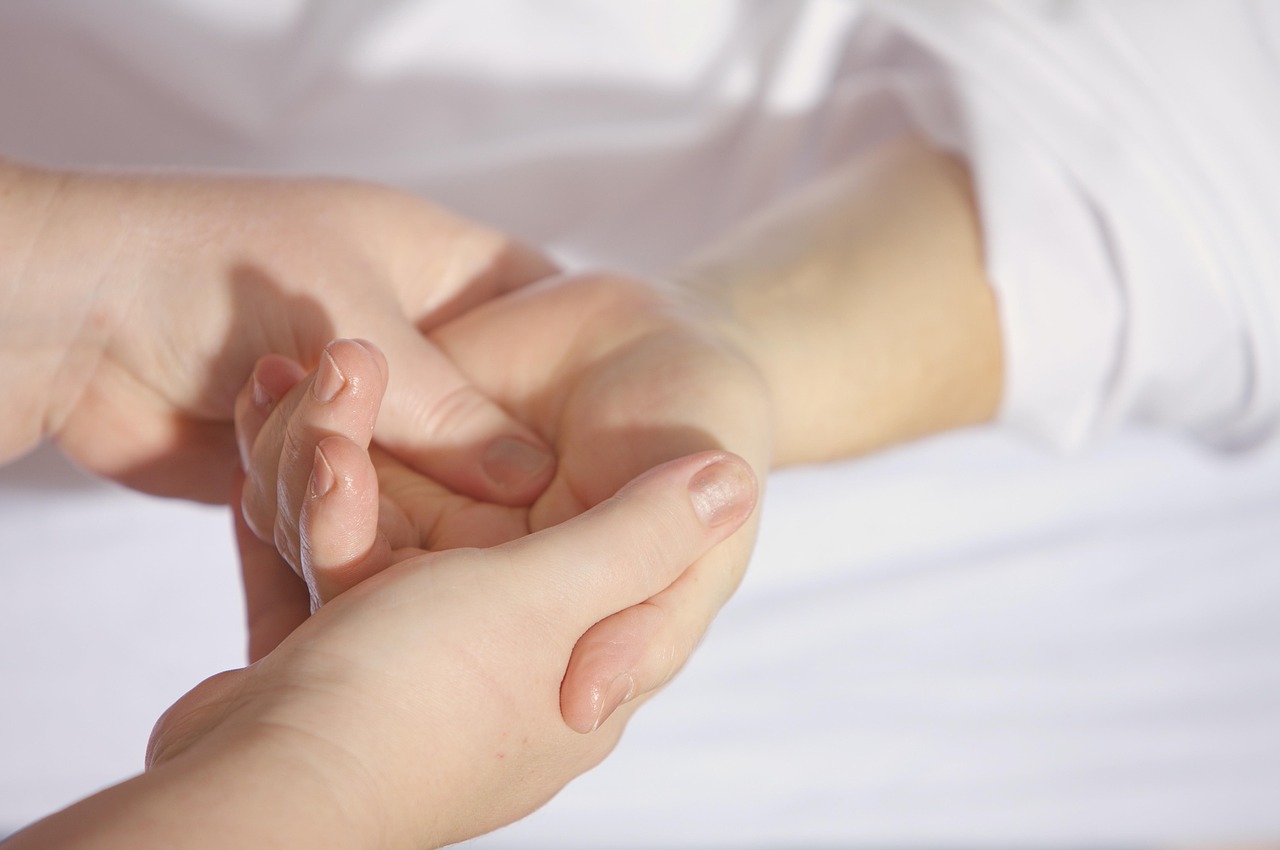
Hydrostatic pressure refers to the force exerted by the water column on the body when a person is immersed. This pressure increases with depth and provides a uniform compressive force that can reduce swelling and improve circulation. For example, a patient with knee osteoarthritis may find that immersion to the mid‑thigh level decreases joint effusion, allowing a smoother range of motion during exercises. Practical application involves adjusting pool depth to achieve the desired pressure level; deeper immersion yields greater pressure. A challenge is monitoring patient comfort, as excessive pressure can cause discomfort or exacerbate certain vascular conditions.
Buoyancy is the upward force that counteracts gravity, allowing the body to float. In aquatic therapy, buoyancy reduces the effective body weight, facilitating movement with less joint stress. For instance, a client with chronic low‑back pain can perform trunk flexion while partially supported by water, decreasing load on the lumbar vertebrae. Practical use includes selecting appropriate water depth to achieve partial weight bearing, typically 50‑70 % of body weight offloaded. The challenge lies in maintaining balance, as the reduced weight can alter proprioceptive feedback and increase the risk of slipping if the pool surface is not properly treated.
Water temperature influences muscle tone, pain perception, and blood flow. Warm water (33‑35 °C) promotes muscle relaxation and analgesia, while cooler water (28‑30 °C) can reduce inflammation and provide a stimulating effect. A therapist may begin a session with a warm soak to ease stiffness, then transition to a cooler phase for strengthening exercises. Practical considerations include patient tolerance, cardiovascular status, and the specific pain condition. Challenges include managing thermoregulatory responses in patients with autonomic dysfunction, who may experience dizziness or abnormal heart rate changes.
Therapeutic pool design encompasses size, depth, flooring, and equipment that support safe pain‑focused interventions. A typical therapeutic pool measures at least 12 × 6 meters with a depth ranging from 0.9 to 1.5 meters, providing sufficient space for group and individual activities. Features such as anti‑slip tiles, handrails, and adjustable ladders enhance safety. Practical application requires the therapist to assess the pool’s layout before each session, ensuring that equipment like resistance paddles or aquatic treadmills are positioned correctly. A common challenge is the limited availability of specialized pools in certain regions, necessitating creative adaptation of existing facilities.
Aquatic gait training utilizes the supportive environment of water to improve walking patterns in individuals with chronic pain. By walking in water, the client experiences reduced impact forces, allowing the therapist to focus on correcting stride length, cadence, and foot placement without overwhelming joint stress. An example includes a patient with chronic plantar fasciitis practicing heel‑to‑toe progression while a therapist provides tactile cues. Practical application may involve the use of a walking belt or pool noodles for additional support. Challenges arise when patients have limited aquatic confidence, requiring gradual exposure and reassurance.
Aquatic resistance is generated by the viscosity of water, which opposes movement and can be harnessed for strength training. Unlike land‑based weights, water resistance is omnidirectional and can be adjusted by changing speed or surface area. For a client with chronic shoulder pain, performing forward arm circles at a moderate pace creates sufficient load to strengthen rotator cuff muscles without provoking pain. Practical use includes incorporating resistance devices such as foam dumbbells or paddles. A challenge is quantifying the exact resistance level, which varies with individual movement velocity and water temperature.
Viscosity describes the thickness of a fluid and its resistance to flow. In aquatic therapy, the viscosity of water provides a natural form of resistance that can be modulated by altering movement speed. For example, a patient with chronic neck pain may perform slow, controlled neck rotations, feeling greater muscular engagement due to higher viscous resistance. Practical application often involves coaching patients to increase speed for higher resistance or to slow down for therapeutic activation. Challenges include ensuring patients do not increase speed to a level that exacerbates pain or compromises technique.
Water depth determines the degree of weight bearing and the type of exercises that can be performed. Shallow water (up to waist level) allows for near‑full weight bearing, suitable for gait and balance work, while deeper water (up to the chest) provides greater buoyancy for low‑impact conditioning. A therapist might start a session with shallow immersion for functional drills, then transition to deeper water for core stabilization. Practical considerations involve measuring the patient’s height and adjusting depth accordingly. Challenges can occur when pool depth limits the therapist’s ability to progress exercises, requiring alternative equipment or modified protocols.
Poolside equipment includes items such as resistance bands, foam rollers, aquatic treadmills, and handrails that augment therapeutic interventions. For chronic knee pain, a therapist may use a waterproof resistance band anchored to a poolside pole to perform seated leg extensions, enhancing quadriceps activation without joint compression. Practical application requires ensuring equipment is corrosion‑resistant and securely fastened. The main challenge is maintaining equipment hygiene and preventing slip hazards caused by wet surfaces or loose accessories.
Aquatic treadmill is a specialized device that provides a moving belt within the water, allowing for gait and endurance training with adjustable speed and incline. A patient with chronic hip osteoarthritis can walk on the treadmill at a low speed, benefiting from reduced load while still engaging cardiovascular systems. Practical use involves setting the water level to submerge the hips, then gradually increasing speed as tolerance improves. Challenges include limited availability, the need for specialized training to operate the treadmill safely, and ensuring proper alignment to avoid compensatory movements.
Whirlpool therapy involves localized jets of water that create pulsating movement, promoting tissue relaxation and pain reduction. For individuals with chronic lumbar pain, a therapist may position the patient’s lower back under a whirlpool jet for 10‑15 minutes, enhancing muscle relaxation and circulation. Practical application includes adjusting jet intensity to patient tolerance and monitoring for skin irritation. Challenges consist of ensuring the whirlpool system is clean to prevent infection and accommodating patients who are sensitive to the tactile stimulation.
Contrast hydrotherapy alternates between warm and cool water immersion, producing vascular changes that can alleviate pain and reduce edema. A typical protocol might involve 3 minutes in warm water followed by 1 minute in cool water, repeated three cycles. For a client with chronic ankle pain, this method can decrease swelling and improve joint mobility. Practical use requires access to both warm and cool water sources, often achieved with separate pool sections or portable tubs. Challenges include patient discomfort during the cold phase and the need for careful monitoring of cardiovascular responses.
Aquatic Pilates adapts traditional Pilates principles—core control, alignment, and breath—to the water environment, providing low‑impact strengthening for chronic pain sufferers. A patient with fibromyalgia may perform a series of floating “hundred” variations, engaging the deep abdominal muscles while the buoyancy supports the spine. Practical application involves using a mat or floatation device to maintain stability. Challenges include ensuring the patient maintains proper form in a fluid medium where visual cues are reduced.
Aquatic yoga merges yoga postures with the supportive qualities of water, facilitating gentle stretching and relaxation. For chronic neck pain, a therapist can guide a client through a seated forward fold while seated in waist‑deep water, allowing the spine to elongate with minimal strain. Practical use often incorporates breath synchronization with movement, enhancing the parasympathetic response. Challenges may arise from limited visibility of subtle postural cues, requiring tactile feedback from the therapist.
Proprioception refers to the body’s sense of position and movement, which can be enhanced in water due to altered sensory input. Immersion challenges the vestibular and somatosensory systems, prompting the nervous system to adapt. A patient with chronic ankle instability may practice single‑leg balance on a floating platform, improving joint position sense. Practical application includes using unstable devices such as aqua‑balance discs. Challenges involve ensuring patient safety, as reduced gravity can mask deficits that become apparent on land.
Neuromuscular re‑education involves retraining the nervous system to produce coordinated muscle activity, often through repetitive, task‑specific movements. In an aquatic setting, a therapist may use rhythmic arm strokes to re‑establish coordinated shoulder activation for a patient with chronic rotator cuff pain. Practical use requires clear verbal cues and occasional manual guidance to facilitate correct motor patterns. Challenges include the potential for over‑reliance on water support, which may limit transfer of skills to land without additional progression.
Pain threshold is the minimum intensity at which a stimulus is perceived as painful. Aquatic therapy can raise the pain threshold through gradual exposure and the soothing properties of water. For a client with chronic neuropathic pain, incremental increases in exercise intensity within the pool can shift the threshold upward, allowing for more demanding activities over time. Practical application involves careful monitoring of patient-reported pain levels using scales such as the visual analog scale. Challenges include individual variability in threshold changes and the need for individualized pacing.
Central sensitization describes heightened responsiveness of the central nervous system to pain signals, often contributing to chronic pain syndromes. Water’s thermal and tactile properties can modulate central sensitization by providing consistent, non‑nociceptive input. A therapist may employ gentle water flow over the affected area to calm hyper‑reactivity. Practical use includes combining low‑intensity aerobic water exercise with relaxation techniques. Challenges involve identifying patients with pronounced sensitization, as they may experience increased pain with any stimulation, requiring a highly graded approach.
Peripheral sensitization involves increased sensitivity of nociceptors at the site of injury, leading to amplified pain signals. The buoyant environment reduces mechanical stress on peripheral tissues, thereby minimizing further sensitization. For chronic plantar fasciitis, performing foot flexion‑extension in water lessens load on the fascia while still promoting mobility. Practical application includes using shallow water to keep the foot lightly supported. Challenges arise when patients have concurrent skin conditions that may be aggravated by prolonged water exposure.
Analgesic effect of water therapy stems from a combination of thermal, hydrostatic, and psychological factors that reduce pain perception. Warm immersion can trigger the release of endogenous opioids, while the rhythmic movement of water provides a distracting stimulus. A client with chronic lower back pain may report a noticeable reduction in pain after a 20‑minute warm pool session. Practical use often includes integrating music and guided imagery to amplify the analgesic response. Challenges include ensuring the analgesic effect is not solely relied upon, as functional improvements require active participation.
Endorphin release is the body’s natural pain‑relieving response, which can be stimulated by aerobic activity in water. The gentle resistance of water allows patients to achieve moderate intensity exercise without excessive joint loading, encouraging endorphin production. For example, a patient with chronic fatigue syndrome may engage in water walking at a pace that elevates heart rate to 60‑70 % of maximum, promoting a sense of well‑being. Practical application involves monitoring heart rate and perceived exertion. Challenges include balancing intensity with fatigue levels, as over‑exertion may exacerbate symptoms.
Muscle relaxation is facilitated by warm water’s ability to increase tissue temperature, reducing muscle spindle activity. In chronic neck pain, a therapist may guide the patient through gentle neck extensions while immersed in 34 °C water, allowing the muscles to unwind. Practical use includes incorporating gentle massage with the therapist’s hands or a soft water jet. Challenges include ensuring the patient does not become overly dependent on passive relaxation, which could limit active strengthening.
Joint unloading occurs when buoyancy removes compressive forces from articulations, permitting pain‑free movement. A client with chronic hip arthritis can perform hip abduction in waist‑deep water, experiencing minimal joint compression while activating the gluteal muscles. Practical application often involves using a floating belt to maintain upright posture. Challenges may include loss of proprioceptive cues, requiring the therapist to provide frequent verbal or tactile feedback.
Range of motion (ROM) refers to the extent of movement possible at a joint. Water immersion can safely increase ROM by supporting the limb and reducing pain. For chronic shoulder impingement, a therapist may guide the patient through pendulum swings in shallow water, gradually expanding overhead reach. Practical use involves monitoring for compensatory movements and ensuring the patient stays within pain‑free limits. Challenges include patient apprehension about moving through painful arcs, necessitating gradual progression.
Functional mobility encompasses the ability to move safely and efficiently in daily activities. Aquatic therapy enhances functional mobility by allowing patients to practice tasks such as stepping, reaching, and turning in a low‑impact environment. A client with chronic knee pain may simulate stair climbing by stepping onto a submerged platform, strengthening the quadriceps while reducing joint stress. Practical application requires replicating land‑based tasks as closely as possible within the pool. Challenges include transferring gains from water to land, which may require a structured transition phase.
Aerobic conditioning in water provides cardiovascular benefits while minimizing musculoskeletal strain. Patients with chronic pain often experience deconditioning; water walking or jogging at a moderate pace can improve endurance without exacerbating pain. Practical use includes using a heart‑rate monitor to keep intensity within the target zone. Challenges involve ensuring the patient maintains proper technique to avoid compensatory patterns that could lead to injury.
Low‑impact exercise describes activities that place minimal stress on joints while still providing therapeutic benefits. Aquatic therapy inherently offers low‑impact options, such as water marching or arm circles. For chronic ankle pain, a therapist may prescribe water marching to maintain gait mechanics without loading the ankle. Practical application includes adjusting speed and resistance to match the patient’s capacity. Challenges include patient motivation, as low‑impact activities may be perceived as less challenging.
Core stability involves the coordinated activation of trunk muscles to support the spine and pelvis. Water’s resistance can be harnessed to develop core stability without heavy loading. A patient with chronic low‑back pain may perform “dead‑bug” variations while lying supine in shallow water, using the water’s drag to challenge the core. Practical use includes providing visual or tactile cues to ensure correct alignment. Challenges involve avoiding excessive arching or over‑extension due to the buoyant support.
Aquatic gait analysis utilizes visual observation and sometimes video capture to assess walking patterns within water. For chronic hip pain, the therapist may observe stride length, symmetry, and foot placement as the patient walks across the pool. Practical application may involve marking the pool floor with lanes to standardize distance. Challenges include limited visibility of subtle gait deviations under water, requiring the therapist to rely on tactile feedback.
Dynamic aquatic stretching incorporates movement while stretching, promoting flexibility and functional range. A chronic hamstring pain patient may perform walking leg swings in waist‑deep water, allowing the muscle to lengthen under the gentle pull of water. Practical use includes encouraging smooth, controlled motion rather than ballistic movements. Challenges include ensuring the stretch does not become painful, which could trigger protective guarding.
Static aquatic stretching involves holding a stretch position while immersed, taking advantage of water’s support. For chronic calf tightness, a patient can place the forefoot on a pool step and gently lean forward, feeling the stretch while the water supports the rest of the body. Practical application requires careful positioning to avoid slipping. Challenges include maintaining the stretch for an adequate duration without causing discomfort.
Aquatic strengthening utilizes water resistance to build muscle force. A chronic elbow pain patient may perform water‑based biceps curls using waterproof dumbbells, benefiting from the resistance while keeping the joint protected. Practical use includes gradually increasing repetitions and speed. Challenges involve the lack of precise load quantification, necessitating close monitoring of fatigue and pain.
Water jogging mimics land‑based jogging but with reduced impact due to buoyancy. Patients with chronic knee pain can jog in chest‑deep water, achieving cardiovascular benefits while sparing the joint. Practical application includes using a buoyancy belt for upright posture and encouraging a natural arm swing. Challenges include ensuring the patient does not develop an overly exaggerated gait that could lead to compensations.
Water walking is a fundamental activity that promotes mobility and endurance. Chronic hip pain patients can walk across the pool, focusing on hip extension and weight transfer. Practical use may involve using a walking bar for additional support. Challenges include maintaining proper gait mechanics when the visual reference is distorted by water refraction.
Aquatic cycling employs a waterproof stationary bike submerged in water, combining resistance with buoyancy. For chronic shoulder pain, a patient can cycle with the arms placed on the handlebars, allowing gentle shoulder activation while the water provides additional resistance. Practical application includes adjusting bike resistance and water depth. Challenges include ensuring the bike’s mechanical components remain corrosion‑free and that the patient’s posture is maintained.
Therapeutic ultrasound can be applied in water to deliver deep heating to tissues, aiding pain reduction. A clinician may use a waterproof probe to treat a painful shoulder region while the patient remains immersed. Practical use involves setting appropriate frequency and intensity, typically 1 MHz at 0.5‑1 W/cm². Challenges include maintaining a seal around the probe to prevent water ingress and ensuring patient comfort.
Transcutaneous electrical nerve stimulation (TENS) in water offers analgesic stimulation while the patient is immersed. Waterproof TENS units can be applied to painful areas, with the water acting as a conductive medium. For chronic lumbar pain, a therapist may place electrodes on the lower back and run a low‑frequency program. Practical application requires careful placement to avoid short‑circuiting. Challenges include ensuring the device is fully waterproof and monitoring for skin irritation.
Aquatic kinesiology taping involves applying elastic therapeutic tape to support muscles and joints while allowing movement. In water, the tape can assist with proprioceptive feedback without restricting range. A patient with chronic ankle instability may have tape applied before a water balance exercise. Practical use includes ensuring the tape adheres despite wet conditions, often by using a pre‑application adhesive. Challenges involve tape degradation over time and the need for frequent replacement.
Aquatic manual therapy encompasses hands‑on techniques performed while the patient is in water. The therapist can use gentle joint mobilizations, soft‑tissue massage, and myofascial release under the soothing effect of water. For chronic neck pain, a therapist may perform cervical traction while the patient is supported by a flotation device. Practical application requires the therapist to maintain a stable stance and manage water resistance. Challenges include limited tactile feedback due to water buoyancy and the need for precise force control.
Myofascial release targets restrictions in the fascial network that may contribute to chronic pain. In water, the therapist can glide along the fascia with reduced friction, enhancing the effectiveness of the technique. A patient with chronic shoulder pain may receive gentle longitudinal strokes along the trapezius while immersed. Practical use includes adjusting water temperature to promote tissue pliability. Challenges involve ensuring the therapist’s hands maintain sufficient pressure without causing discomfort.
Trigger point therapy focuses on deactivating hyperirritable spots within muscle fibers. Water immersion can make trigger point palpation more comfortable, as the patient’s muscles are already relaxed. For chronic upper back pain, the therapist may apply pressure to identified trigger points while the patient floats in a shallow pool. Practical application includes monitoring patient feedback closely. Challenges include the difficulty of locating precise points in a fluid environment and the potential for increased sensitivity.
Proprioceptive neuromuscular facilitation (PNF) techniques can be adapted for aquatic use, employing diagonal patterns to improve neuromuscular coordination. In chronic hip pain, a therapist may guide a patient through a PNF “D2” pattern while standing in waist‑deep water, using water resistance to accentuate the movement. Practical use involves clear verbal cues and occasional manual assistance. Challenges include ensuring the patient maintains correct alignment when buoyancy alters the usual sense of gravity.
Aquatic biofeedback utilizes visual or auditory cues to inform the patient about performance parameters such as heart rate, movement speed, or muscle activation. A wearable waterproof sensor can display real‑time data on a poolside monitor, helping a chronic pain patient adjust intensity. Practical application includes integrating the feedback into the session plan to promote self‑regulation. Challenges involve equipment reliability in wet conditions and patient interpretation of the data.
Pain coping strategies are cognitive‑behavioral techniques that help patients manage the emotional aspect of chronic pain. In the aquatic setting, therapists may combine relaxation breathing with guided imagery while the patient floats. For example, a patient with chronic fibromyalgia may visualize warm sunlight while gently moving through the water. Practical use includes teaching the patient to apply these strategies independently during home‑based hydrotherapy. Challenges include ensuring the patient retains focus amidst the sensory stimulation of the pool.
Mind‑body integration emphasizes the connection between mental states and physical sensations. Water’s soothing qualities can enhance mindfulness practices, facilitating better pain control. A therapist may lead a session where the patient synchronizes breath with the rhythm of water currents, fostering a sense of calm. Practical application includes using calm music and maintaining a slow tempo. Challenges involve patients who have difficulty sustaining attention or who experience anxiety in water.
Graded exposure involves systematic, incremental introduction to feared movements or environments. Aquatic therapy offers a safe platform for graded exposure to weight‑bearing activities for patients with chronic pain avoidance. A therapist may start with seated leg lifts in shallow water, progressing to standing squats as confidence builds. Practical use requires clear documentation of each exposure step and patient feedback. Challenges include patient resistance to progression and the need for patience to avoid setbacks.
Patient education is a cornerstone of successful pain management, providing information about the benefits, risks, and expectations of aquatic therapy. Education may cover topics such as the role of hydrostatic pressure, proper breathing techniques, and self‑monitoring of pain levels. Practical application includes providing handouts and verbal instruction before each session. Challenges include ensuring comprehension across diverse cultural backgrounds and literacy levels.
Contraindications are conditions that preclude safe participation in aquatic therapy. Examples include uncontrolled seizures, severe cardiac instability, open wounds, and certain infectious diseases. A therapist must screen each patient thoroughly before initiating water‑based interventions. Practical use involves a standardized intake questionnaire and medical clearance. Challenges involve recognizing hidden contraindications, such as undiagnosed hypertension, which may become apparent during therapy.
Safety protocols encompass procedures that protect both patients and therapists in the aquatic environment. These include maintaining appropriate water depth, ensuring non‑slip surfaces, having rescue equipment on hand, and monitoring vital signs. For chronic pain patients, special attention is given to temperature regulation and hydration. Practical application requires a pre‑session safety check and ongoing observation. Challenges include adapting protocols for diverse pool designs and managing emergencies in a water setting.
Progression criteria define the measurable markers that indicate a patient is ready to advance to more challenging tasks. Criteria may involve achieving a specific pain level (e.g., ≤2 on a 0‑10 scale), completing a set number of repetitions without compensations, or demonstrating improved cardiovascular response. For chronic knee pain, progression from shallow to deeper water may be based on the ability to perform 15 uninterrupted squats. Practical use includes documenting these milestones in the patient’s record. Challenges involve balancing the desire for rapid progression with the risk of over‑loading.
Outcome measures are standardized tools used to assess the effectiveness of aquatic pain‑management interventions. Common measures include the visual analog scale (VAS), numeric rating scale (NRS), the McGill Pain Questionnaire, and functional assessments such as the functional independence measure (FIM). A therapist may administer the VAS before and after each session to track pain trends. Practical application requires consistent administration and interpretation of scores. Challenges include variability in patient self‑reporting and the influence of external factors on pain perception.
Visual analog scale (VAS) is a 10‑centimeter line anchored by “no pain” and “worst pain imaginable,” where the patient marks their current pain level. In aquatic therapy, the VAS can be completed on a waterproof clipboard before entering the pool and after the session. Practical use provides a quick snapshot of pain change. Challenges involve patients with limited fine motor control who may find marking the line difficult.
Numeric rating scale (NRS) asks patients to rate pain on a 0‑10 scale verbally or by pointing to numbers. This scale is convenient for quick assessments during water sessions, as the therapist can ask the patient to state their rating without needing paper. Practical application includes using the NRS to guide intensity adjustments. Challenges include ensuring the patient’s interpretation of the scale remains consistent across sessions.
McGill Pain Questionnaire offers a multidimensional view of pain, exploring sensory, affective, and evaluative components. While more comprehensive, it may be administered during land‑based portions of a hybrid program due to its length. Practical use involves using selected descriptors to tailor aquatic interventions. Challenges include the time required for completion and the need for patient literacy.
Functional independence measure (FIM) assesses the level of assistance required for daily activities. In the context of aquatic therapy for chronic pain, improvements in FIM scores can reflect increased ability to perform transfers, ambulation, and self‑care. Practical application includes baseline and post‑program FIM assessments to evaluate functional gains. Challenges involve isolating the impact of aquatic therapy from other concurrent treatments.
Aquatic session planning involves designing a structured sequence of warm‑up, main activity, and cool‑down phases tailored to the patient’s pain profile and goals. A typical session for chronic shoulder pain may begin with a 5‑minute warm‑up of gentle arm circles, followed by 20‑minutes of resistance training using waterproof dumbbells, and conclude with a 5‑minute cool‑down of static stretches. Practical use requires the therapist to adjust duration and intensity based on real‑time feedback. Challenges include accommodating fluctuating pain levels from day to day.
Documentation is essential for tracking patient progress, ensuring continuity of care, and meeting legal requirements. Accurate records should include water temperature, depth, exercises performed, repetitions, patient‑reported pain, and any adverse events. Practical application involves using waterproof forms or electronic devices with protective covers. Challenges include maintaining legibility of notes in a moist environment and ensuring data security.
Hydrokinetic therapy combines movement patterns with the unique properties of water to promote motor control. For chronic ankle instability, a therapist may guide the patient through lateral shuffles in shallow water, capitalizing on water resistance to challenge ankle proprioception. Practical use includes varying speed to modulate resistance. Challenges involve ensuring the patient does not develop compensatory hip movements.
Water‑based Pilates mat work integrates Pilates principles on a floating mat, enhancing core engagement while the water supports the spine. A chronic back pain patient can practice the “roll‑up” on a mat, feeling the controlled articulation of vertebrae with minimal loading. Practical application demands a stable, non‑slip mat and careful supervision. Challenges include the patient’s fear of sinking and the need for proper mat placement.
Aquatic functional task training replicates everyday activities such as reaching for objects, stepping onto curb‑like platforms, or carrying lightweight loads while immersed. For chronic hip pain, a patient may practice stepping onto a submerged step while holding a water‑resistant ball, improving strength and coordination. Practical use involves selecting tasks relevant to the patient’s daily life. Challenges include ensuring the task difficulty matches the patient’s current abilities without provoking pain.
Water‑based balance training utilizes the unstable nature of water to enhance postural control. A therapist may have a patient stand on a floating disc, performing gentle weight shifts to challenge the vestibular and somatosensory systems. Practical application includes progressing from static to dynamic balance tasks. Challenges involve maintaining safety, as loss of balance can lead to submersion.
Water‑based interval training alternates periods of higher‑intensity activity with recovery, promoting cardiovascular fitness while respecting pain limits. A chronic knee pain patient might jog for 30 seconds, then rest for 60 seconds, repeating the cycle for 10 minutes. Practical use requires monitoring heart rate and pain levels throughout the intervals. Challenges include patient tolerance to rapid changes in intensity and the need for clear pacing cues.
Hydrotherapy gait belt is a supportive device that encircles the patient’s waist, providing stability during walking or balance exercises in water. For chronic lower‑extremity pain, the belt helps maintain upright posture while the patient practices gait. Practical application includes adjusting the belt tension to allow some movement while preventing falls. Challenges involve selecting a belt that is comfortable and does not create pressure points.
Water‑based neuromuscular electrical stimulation (NMES) delivers electrical pulses to muscles while the patient is immersed, enhancing muscle activation without heavy loading. A chronic shoulder pain patient may receive NMES on the deltoid while performing gentle arm lifts in water. Practical use requires waterproof electrodes and a safe connection system. Challenges include ensuring the stimulation does not cause skin irritation in a moist environment.
Hydrostatic limb loading utilizes the water’s pressure to create a gentle compressive force on the limbs, facilitating proprioceptive input. For chronic hand pain, a therapist can immerse the forearm and hand in a small tub, applying gentle squeezes to stimulate sensory pathways. Practical application includes timing the loading cycles with breathing. Challenges involve patient tolerance to the sensation of compression.
Water‑based functional electrical stimulation (FES) stimulates specific muscle groups to assist in functional movements. In chronic foot pain, FES may be applied to the tibialis anterior while the patient performs dorsiflexion in water, promoting correct gait mechanics. Practical use demands careful electrode placement and synchronization with the movement. Challenges include the need for specialized equipment and ensuring the patient’s skin remains dry at electrode sites.
Hydro‑massage combines manual massage techniques with the supportive qualities of water, enhancing tissue pliability. A therapist may perform gentle longitudinal strokes along a painful lumbar region while the patient floats, using water resistance to deepen the massage. Practical use includes adjusting water temperature to comfortable levels. Challenges include maintaining consistent pressure when the patient’s position shifts.
Water‑based progressive resistance training systematically increases load by adding resistance devices such as paddles, sandbags, or weighted vests. For chronic upper‑body pain, a patient may start with light foam paddles and progress to heavier resistance as tolerance improves. Practical application involves tracking the amount of resistance used and patient‑reported pain. Challenges include the limited availability of waterproof resistance equipment and the need for regular calibration.
Hydro‑aerobic circuit training integrates multiple stations—such as water jogging, arm curls, and leg lifts—into a circuit that promotes overall fitness while respecting pain thresholds. A chronic pain patient may rotate through three stations, spending 5 minutes at each, with brief rest periods. Practical use includes clear signage for each station and timed intervals. Challenges involve ensuring each station is appropriately scaled to the patient’s ability and maintaining engagement.
Water‑based relaxation techniques include progressive muscle relaxation, guided imagery, and breathing exercises performed in the pool. For chronic tension‑type headache sufferers, a therapist may guide a session of slow diaphragmatic breathing while the patient floats, encouraging the release of muscular tension. Practical application includes using soft music and minimal distractions. Challenges include patients who find it difficult to focus while surrounded by water sounds.
Hydro‑feedback training employs devices that provide real‑time resistance or assistance based on patient performance, allowing precise control over movement patterns. A patient with chronic hip pain may use a water‑bound force plate that records force output during leg extensions, giving immediate feedback. Practical use involves integrating the data into the therapist’s instructional cues. Challenges include the cost of specialized equipment and the need for technical expertise.
Water‑based functional strength testing assesses muscular capacity in a context that mirrors therapeutic conditions. Tests such as the aquatic 30‑second sit‑to‑stand or water‑based push‑up endurance provide objective measures of strength. For chronic knee pain, an aquatic sit‑to‑stand test can reveal improvements in lower‑extremity strength without excessive joint loading. Practical application includes standardized protocols and consistent timing devices. Challenges involve establishing normative data for aquatic tests, as most reference values are land‑based.
Hydro‑kinesthetic cueing uses tactile prompts from the therapist’s hands to guide movement patterns within water. For chronic scapular dyskinesis, the therapist may gently place a hand on the patient’s shoulder blade, directing upward rotation during arm elevation. Practical use includes consistent cue timing and clear communication. Challenges involve ensuring the patient interprets the cues correctly and does not become overly dependent on tactile guidance.
Water‑based active range of motion (AROM) exercises focus on patient‑initiated movement, promoting joint mobility while respecting pain limits. For chronic elbow stiffness, a patient can perform gentle flexion–extension cycles while supported by a flotation belt. Practical application includes encouraging the patient to move within a comfortable range and gradually increase amplitude. Challenges include patients who may develop guarding behaviors, limiting movement despite the supportive environment.
Hydro‑stretching protocols are structured programs that combine static and dynamic stretches in water to enhance flexibility. A chronic hamstring tightness protocol might involve a sequence of seated forward bends, dynamic leg swings, and partner‑assisted stretches over several weeks. Practical use includes tracking stretch tolerance and pain response. Challenges involve balancing sufficient stretch intensity with the need to avoid pain exacerbation.
Water‑based joint mobilization utilizes the low‑friction environment to perform gentle glides of joint surfaces. For chronic wrist pain, a therapist can apply a posterior glide while the patient’s hand is supported in water, taking advantage of buoyancy to reduce compression. Practical application includes careful monitoring of patient comfort and joint end‑range. Challenges include limited visibility of joint alignment while submerged.
Hydro‑cognitive training integrates mental tasks such as counting, word recall, or problem solving with physical movements in water, addressing the cognitive aspects of chronic pain. A patient may be asked to count backward by threes while performing water walking, thereby engaging attention and reducing pain focus. Practical use includes tailoring cognitive load to the patient’s abilities. Challenges involve ensuring the cognitive task does not distract from safe movement execution.
Water‑based sensory integration leverages the unique tactile, vestibular, and proprioceptive inputs of the aquatic environment to help patients modulate pain. For chronic neuropathic pain, a therapist may use varying water flow patterns, such as gentle jets or ripples,
Key takeaways
- For example, a patient with knee osteoarthritis may find that immersion to the mid‑thigh level decreases joint effusion, allowing a smoother range of motion during exercises.
- The challenge lies in maintaining balance, as the reduced weight can alter proprioceptive feedback and increase the risk of slipping if the pool surface is not properly treated.
- Challenges include managing thermoregulatory responses in patients with autonomic dysfunction, who may experience dizziness or abnormal heart rate changes.
- Practical application requires the therapist to assess the pool’s layout before each session, ensuring that equipment like resistance paddles or aquatic treadmills are positioned correctly.
- By walking in water, the client experiences reduced impact forces, allowing the therapist to focus on correcting stride length, cadence, and foot placement without overwhelming joint stress.
- For a client with chronic shoulder pain, performing forward arm circles at a moderate pace creates sufficient load to strengthen rotator cuff muscles without provoking pain.
- For example, a patient with chronic neck pain may perform slow, controlled neck rotations, feeling greater muscular engagement due to higher viscous resistance.