
Performance Enhancement Strategies
Performance enhancement strategies in sport rely on a shared vocabulary that enables technical leaders and sport psychologists to design, implement, and evaluate interventions that optimise athlete and team outcomes. Below is a comprehensiv…
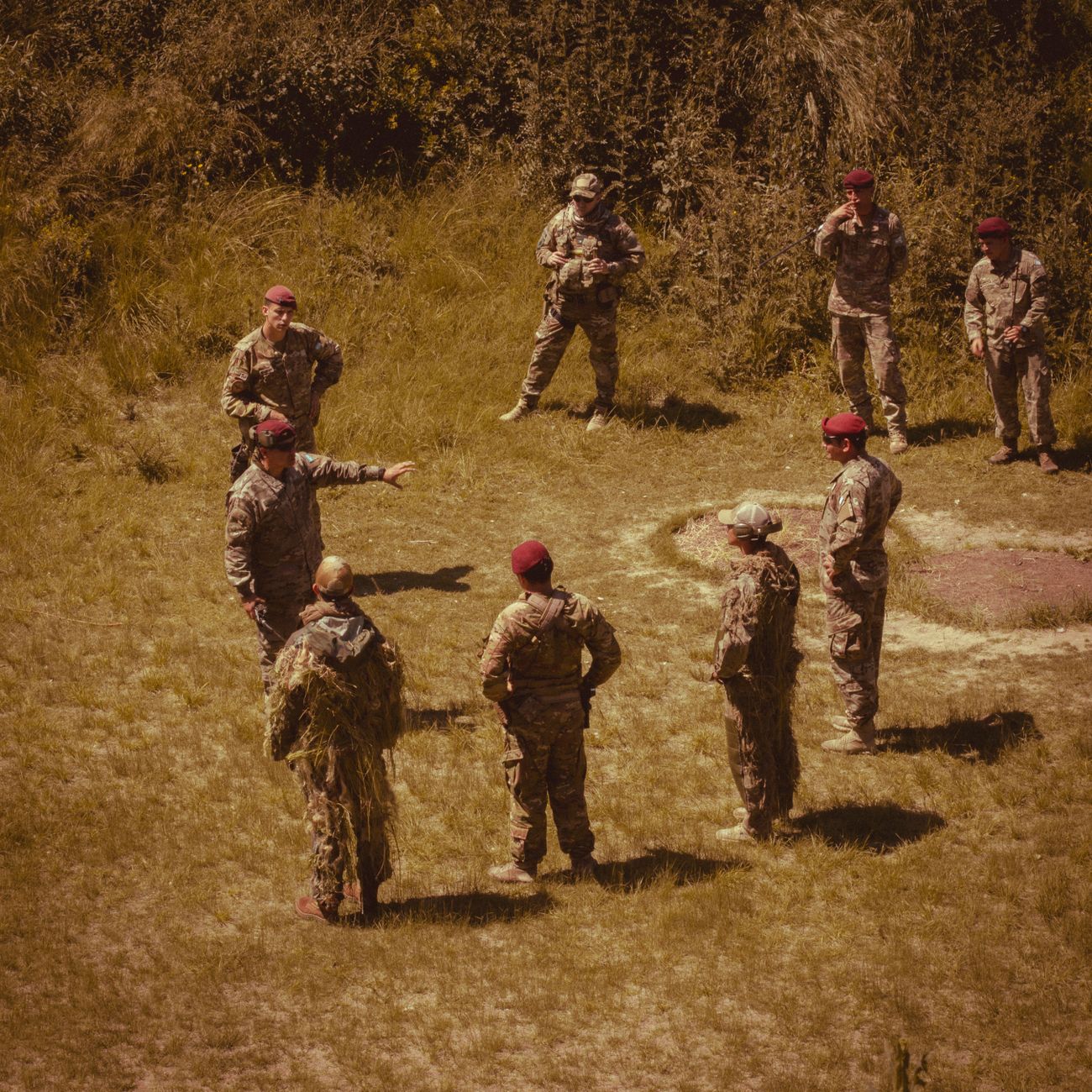
Performance enhancement strategies in sport rely on a shared vocabulary that enables technical leaders and sport psychologists to design, implement, and evaluate interventions that optimise athlete and team outcomes. Below is a comprehensive catalogue of the most frequently encountered terms, each explained in depth, illustrated with practical examples, and linked to common implementation challenges. The aim is to provide a ready‑to‑use reference for postgraduate learners who must communicate precisely with coaches, athletes, and interdisciplinary support staff.
Psychological Skills Training (PST) is an umbrella term for systematic instruction in mental techniques that support performance. PST typically includes imagery, self‑talk, relaxation, and concentration control. A coach might schedule a weekly PST session where athletes rotate through a brief progressive muscle relaxation exercise followed by a scripted self‑talk routine. The central challenge is ensuring that PST is integrated into the physical training schedule rather than treated as an optional add‑on; otherwise athletes may view it as peripheral and disengage.
Imagery (also called visualization or mental rehearsal) involves creating or recreating an experience in the mind’s eye. Effective imagery engages the sensory modalities most relevant to the sport – visual, auditory, kinesthetic, and even olfactory cues. For a sprinter, a vivid image might include the feel of the starting blocks, the sound of the crowd, and the sensation of acceleration. Research shows that combining multiple senses enhances neural activation patterns that mirror actual execution, thereby strengthening motor pathways. A common obstacle is athletes’ tendency to produce vague or static images; coaches can address this by providing scripted scripts that progress from simple to complex scenes.
Self‑Talk refers to the internal dialogue that athletes use to regulate cognition, emotion, and behaviour. Positive self‑talk (e.G., “Stay tall”, “push through”) can boost confidence, whereas negative self‑talk (e.G., “I can’t handle this”) can impair performance. An effective strategy is to develop a personalized self‑talk cue list that athletes can rehearse during training. The difficulty lies in detecting automatic negative self‑talk, which often requires audio recording or reflective journalling to bring to awareness.
Goal Setting is the process of defining specific, measurable, attainable, relevant, and time‑bound (SMART) objectives that guide performance improvement. Goals are typically classified as outcome, performance, or process goals. An outcome goal for a tennis player might be “reach the quarter‑finals of the national tournament”; a performance goal could be “increase first‑serve percentage to 70%”; a process goal might be “complete a pre‑match breathing routine before each match”. The principal challenge is balancing ambition with realism; overly lofty outcome goals can generate anxiety, while overly modest goals may not stimulate sufficient motivation.
Arousal Regulation concerns managing the level of physiological activation to match task demands. The Inverted‑U hypothesis suggests that performance improves with arousal up to an optimal point, after which further arousal produces decrements. Techniques for raising arousal include high‑intensity warm‑ups and energising music, while methods for lowering arousal comprise deep breathing, meditation, and controlled exhalation. Individual differences in optimal arousal zones mean that a one‑size‑fits‑all approach is ineffective – practitioners must assess each athlete’s baseline and adjust interventions accordingly.
Biofeedback uses real‑time physiological data (e.G., Heart rate, muscle tension, skin conductance) to help athletes gain conscious control over autonomic functions. A typical application is heart‑rate variability (HRV) biofeedback, where athletes learn to increase parasympathetic activity through slow diaphragmatic breathing. While biofeedback can accelerate skill acquisition, it requires specialized equipment, technical expertise, and consistent practice to translate laboratory gains into competition settings.
Deliberate Practice is a structured form of practice that targets specific performance deficits through focused, repetitive tasks with immediate feedback. Unlike casual play, deliberate practice is purposeful, often uncomfortable, and designed to push the athlete beyond their current skill level. For a basketball shooter, deliberate practice might involve taking 50 shots from a specific spot while a coach provides instant corrective feedback on shooting mechanics. The main barrier is athlete motivation; the high effort required can lead to fatigue and reduced enjoyment if not balanced with recovery periods.
Periodisation (or periodization) is the systematic planning of training cycles to optimise peak performance at predetermined competitions. A macrocycle may span a year, subdivided into mesocycles (e.G., Preparation, competition, transition) and further into microcycles (weekly plans). Within each cycle, training variables such as volume, intensity, and frequency are manipulated. Technical leaders must coordinate periodisation across physical, technical, tactical, and psychological domains, ensuring that mental skill development aligns with physical peaks. Misalignment can cause athletes to experience mental fatigue while their bodies are primed, undermining performance.
Flow (also called the optimal experience) describes a state of complete absorption in an activity, characterised by intense focus, loss of self‑consciousness, and a sense of control. Flow is linked to high performance because it reduces extraneous cognitive load and maximises automaticity. Coaches can facilitate flow by setting clear goals, providing immediate feedback, and matching task difficulty to skill level. The challenge is that flow is highly individual; what induces flow for one athlete may cause anxiety for another, requiring personalised cueing strategies.
Self‑Efficacy is the belief in one’s capability to execute actions required for desired outcomes. High self‑efficacy correlates with greater persistence, effort, and resilience under pressure. Sources of self‑efficacy include mastery experiences, vicarious learning (observing peers succeed), verbal persuasion, and physiological states. A technical leader can bolster self‑efficacy by designing progressive skill drills that allow athletes to experience success incrementally. However, overreliance on verbal persuasion without concrete performance evidence can lead to superficial confidence that collapses under competition stress.
Motivation encompasses the processes that initiate, direct, and sustain behaviour. Two major frameworks dominate sport psychology: Self‑Determination Theory (SDT) and Achievement Goal Theory (AGT). SDT distinguishes intrinsic motivation (engaging for inherent satisfaction) from extrinsic motivation (driven by external rewards). AGT differentiates task‑oriented (mastery) from ego‑oriented (performance) goals. A mastery‑oriented climate, where emphasis is placed on skill development and effort, typically fosters long‑term motivation and well‑being. Conversely, an ego‑oriented climate can increase anxiety and burnout when athletes feel compelled to outperform others. Implementing a mastery climate involves praising process, encouraging collaborative learning, and de‑emphasising comparative ranking.
Psychological Resilience refers to the capacity to adapt positively to adversity, stress, and failure. Resilience is not a static trait but a dynamic process that can be cultivated through exposure to controlled stressors, reflective debriefing, and coping skill development. For example, a rower might simulate a race‑day pressure scenario during training, then engage in guided reflection to identify effective coping mechanisms. The difficulty lies in calibrating stress intensity; excessive stress can overwhelm athletes, while insufficient stress fails to elicit adaptive growth.
Stress Inoculation Training (SIT) is a cognitive‑behavioural approach that prepares athletes for high‑pressure situations by gradually exposing them to stressors in a controlled environment. SIT typically follows three phases: Conceptualisation (understanding stress responses), skill acquisition (learning coping techniques such as relaxation or cognitive restructuring), and application (practising skills under simulated stress). A football team might rehearse a penalty‑kick scenario with crowd noise playback and time pressure, applying pre‑kick breathing cues to maintain composure. Implementation challenges include ensuring ecological validity of simulated stressors and preventing athletes from perceiving the training as artificial.
Attention Control concerns the ability to selectively focus on task‑relevant cues while suppressing distractions. Two primary components are concentration (sustaining focus) and switching (shifting attention flexibly). Techniques such as cue words, pre‑performance routines, and mindfulness meditation improve attention control. An example is a golfer using the cue “smooth swing” to centre attention on the desired tempo, while a swimmer employs a pre‑start routine that includes a tactile cue on the starting block. The principal obstacle is that attention control is highly susceptible to fatigue; therefore, training must be periodised alongside physical loads.
Mindfulness is a mental state achieved by maintaining non‑judgmental awareness of present‑moment experience. In sport, mindfulness practices enhance attentional stability, emotional regulation, and coping with performance anxiety. A typical mindfulness drill for a shooter could involve a five‑minute body‑scan focused on breath and subtle bodily sensations before each session. The challenge in adopting mindfulness is the need for sustained practice; athletes accustomed to high‑intensity, goal‑oriented training may initially perceive mindfulness as “inactive” and thus undervalue its benefits.
Psychological Profiling involves systematic assessment of an athlete’s mental characteristics using questionnaires, interviews, or behavioural observations. Common instruments include the Athletic Coping Skills Inventory (ACSI‑28), Sport Motivation Scale (SMS), and Psychological Skills Inventory for Sports (PSIS). Profiling helps identify strengths and areas for development, allowing practitioners to tailor interventions. However, the validity of self‑report measures can be compromised by social desirability bias, making triangulation with coach observations essential.
Team Cohesion denotes the degree to which team members are united in pursuit of common goals and maintain interpersonal bonds. Cohesion is often divided into task cohesion (shared commitment to performance objectives) and social cohesion (interpersonal attraction). Strategies to enhance cohesion include team‑building activities, shared goal‑setting sessions, and collaborative problem‑solving drills. A pitfall is that forced cohesion activities may feel contrived, leading to resistance; authentic interaction and shared experiences are more effective.
Leadership Styles in sport range from autocratic (directive) to democratic (participative) to laissez‑faire (non‑interventionist). The transformational leadership model, which emphasises inspirational motivation, intellectual stimulation, and individualized consideration, has been linked to higher athlete satisfaction and performance. A technical leader employing a transformational style might articulate a compelling vision for the season, encourage athletes to propose innovative training ideas, and provide personalised feedback. The difficulty is that leaders must adapt style to situational demands; overly democratic approaches during a crisis may delay decisive action.
Communication Channels encompass the formal and informal pathways through which information flows between coaches, athletes, and support staff. Effective communication requires clarity, consistency, and feedback loops. For instance, a pre‑competition briefing that outlines tactical objectives, individual responsibilities, and contingency plans ensures alignment. Barriers include language differences, hierarchical barriers, and ambiguous messaging. Incorporating visual aids and confirming understanding through teach‑back methods can mitigate these issues.
Motivational Interviewing (MI) is a client‑centred counselling technique that elicits intrinsic motivation for change by exploring ambivalence. In a sports context, MI can be used to encourage athletes to adopt new recovery behaviours, such as sleep hygiene or nutrition protocols. The practitioner asks open‑ended questions, reflects back the athlete’s statements, and summarises key points, fostering self‑generated solutions. Resistance may arise if athletes perceive the practitioner as imposing external directives; MI’s non‑confrontational stance helps reduce defensiveness.
Self‑Regulation is the process by which athletes monitor, evaluate, and adjust their thoughts, emotions, and behaviours to achieve performance goals. It involves goal setting, self‑monitoring (e.G., Keeping a training log), self‑evaluation (comparing outcomes to standards), and self‑reinforcement (rewarding successful behaviours). A swimmer might record lap times, assess deviations from target paces, and apply a reward such as a favourite post‑practice snack after meeting a speed target. The main challenge is maintaining consistency; lapses in self‑monitoring can erode the feedback loop essential for adaptation.
Emotion Regulation refers to strategies used to influence the intensity, duration, and expression of emotions. Common techniques include cognitive reappraisal (reframing a stressful situation), expressive suppression (inhibiting outward display), and acceptance (allowing emotions without judgement). An example is a diver who reappraises pre‑competition nerves as excitement, thereby converting physiological arousal into a performance‑enhancing cue. Research suggests that reappraisal is more adaptive than suppression, which can increase mental load and impair performance.
Recovery Strategies encompass methods designed to restore physiological and psychological homeostasis after training or competition. These include active recovery (low‑intensity exercise), sleep optimisation, nutrition (protein and carbohydrate timing), cold‑water immersion, and mental relaxation. A periodised recovery plan might schedule a “recovery day” after a high‑intensity block, incorporating yoga and guided imagery to address both physical and mental fatigue. The difficulty lies in athlete compliance; some may view recovery activities as “downtime” and skip them, reducing overall effectiveness.
Nutrition Periodisation aligns dietary intake with training phases to support performance and adaptation. During high‑volume training, carbohydrate intake may be prioritised to fuel endurance, whereas in strength phases, protein timing becomes critical for muscle hypertrophy. Sports psychologists collaborate with nutritionists to ensure that athletes understand the rationale behind dietary adjustments, thereby enhancing adherence. Challenges include individual variability in gastrointestinal tolerance and cultural food preferences, which require flexible meal planning.
Sleep Hygiene involves behavioural and environmental practices that promote restorative sleep. Key components include consistent bedtime routines, limiting screen exposure before sleep, and maintaining a cool, dark bedroom. For elite athletes travelling across time zones, strategic light exposure and napping can mitigate jet lag. Poor sleep impairs cognitive function, mood regulation, and injury risk; thus, integrating sleep education into performance enhancement programs is essential. Resistance may stem from athletes’ belief that “sleep is optional” when training loads increase, necessitating clear communication of evidence‑based consequences.
Injury Prevention programmes combine physical conditioning, movement screening, and psychosocial education to reduce the likelihood of injury. The FIFA 11+ and the “Prevent Injury and Enhance Performance” (PEP) protocols are examples of evidence‑based warm‑up routines. Psychological components include educating athletes on injury‑related anxiety, encouraging open communication about pain, and fostering a growth mindset that views setbacks as learning opportunities. Implementation hurdles include time constraints during practice and the perception that injury prevention is less exciting than skill work.
Performance Profiling is a diagnostic tool that identifies the mental and physical attributes required for success in a specific sport or position. Athletes rate themselves on a series of statements (e.G., “I can maintain concentration under pressure”) using a Likert scale; coaches then compare these ratings to the ideal profile. The resulting gap analysis guides targeted interventions. A common limitation is that athletes may overestimate their abilities, leading to inaccurate gap identification; triangulating self‑ratings with coach assessments improves reliability.
Transfer of Training describes the extent to which skills acquired in one context (e.G., Practice) generalise to another (e.G., Competition). High‑fidelity simulation, where practice conditions closely mimic competition demands, promotes positive transfer. For a volleyball setter, rehearsing set‑timing with a live scrimmage that replicates game pressure increases the likelihood that the skill will be executed successfully during matches. The obstacle is that creating high‑fidelity conditions can be resource‑intensive, and athletes may still experience situational anxiety that undermines transfer.
Feedback is information provided to an athlete regarding their performance relative to a standard or goal. Feedback can be intrinsic (sensory) or extrinsic (coach‑provided). Effective feedback is specific, immediate, and balanced between positive reinforcement and corrective guidance. For a cyclist, a coach might use power meter data to highlight a 5% power drop during a climb, then suggest a breathing cue to sustain output. Over‑loading athletes with excessive feedback can cause confusion and reduce autonomy; therefore, timing and dosage must be calibrated.
Self‑Talk Interventions involve training athletes to recognise and replace maladaptive internal dialogue with constructive statements. Techniques include thought‑record worksheets, cue word development, and rehearsal during low‑stakes drills. An example is a basketball player who replaces “I always miss this shot” with “I have the technique to make this shot”. The key difficulty is that self‑talk habits are often subconscious; regular debriefing and peer observation can surface entrenched patterns.
Pre‑Performance Routines are consistent, sequenced actions performed before competition to enhance readiness and reduce anxiety. Routines may incorporate physical components (stretching, equipment checks), mental components (visualisation, cue words), and emotional components (deep breathing). A sprinter’s routine might consist of a dynamic warm‑up, a quick mental rehearsal of the start, and a three‑second breath hold before stepping onto the blocks. Consistency is crucial; altering the routine on competition day can increase uncertainty and disrupt focus.
Post‑Competition Debriefing is a structured reflection that helps athletes process outcomes, extract learning points, and plan future actions. Effective debriefs balance performance appraisal with emotional support, encouraging athletes to discuss both successes and setbacks. A technique called “What Went Well/Even Better If” (WWW/EBI) prompts athletes to identify strengths (“What went well?”) And areas for improvement (“Even better if…”). The main challenge is avoiding blame‑oriented discussions; facilitators must foster a growth‑oriented atmosphere.
Resilience Training programmes often incorporate narrative techniques, where athletes recount past adversity and identify coping strategies that led to successful outcomes. This reflective process reinforces self‑efficacy and creates a mental repository of adaptive responses. An example is a swimmer who writes a short story about overcoming a previous injury, highlighting the specific actions (e.G., Diligent physiotherapy, mental rehearsal) that facilitated recovery. The difficulty is ensuring that narratives remain constructive rather than rumination‑focused.
Motivational Climate refers to the broader environment that influences athletes’ motivational orientations. A mastery‑oriented climate emphasises learning, effort, and personal improvement; an ego‑oriented climate stresses outperforming others. Technical leaders can shape climate by modelling values, designing tasks that reward process rather than outcome, and providing feedback that recognises effort. Resistance may arise when organisational culture historically values results above development; shifting climate requires sustained leadership commitment.
Psychological Safety is the perception that one can express thoughts, ask questions, or admit mistakes without fear of negative repercussions. In high‑performance teams, psychological safety encourages open communication, innovation, and error correction. A coach can foster psychological safety by explicitly acknowledging that mistakes are learning opportunities and by reacting to athlete disclosures with empathy. The challenge is that entrenched hierarchies and performance pressures can erode safety; consistent reinforcement from leadership is required.
Self‑Determination Theory (SDT) proposes three basic psychological needs—autonomy, competence, and relatedness—that, when satisfied, promote intrinsic motivation and well‑being. Interventions aligned with SDT might involve offering athletes choice in training drills (autonomy), structuring tasks that progressively build skill (competence), and encouraging team cohesion activities (relatedness). Failure to address any of these needs can shift motivation toward extrinsic regulation, increasing susceptibility to burnout.
Achievement Goal Theory distinguishes between task‑oriented (mastery) and ego‑oriented (performance) goal structures. Task orientation focuses on self‑referent improvement, while ego orientation focuses on outperforming others. Coaches can promote task orientation by setting learning goals, rewarding effort, and providing process‑focused feedback. A potential barrier is that competitive environments naturally highlight comparative outcomes, making it necessary to deliberately embed task‑oriented language and evaluation.
Stress Appraisal is the cognitive evaluation of a stressor as threatening, challenging, or benign. Primary appraisal determines whether the event is perceived as a threat; secondary appraisal assesses coping resources. Training athletes to reinterpret stressors as challenges (e.G., Viewing a high‑stakes match as an opportunity to demonstrate skill) can improve performance. However, appraisal is highly individual; what one athlete perceives as a challenge may be a threat for another, requiring personalised cognitive restructuring.
Psychomotor Skills combine cognitive processes with physical execution (e.G., Decision‑making during a fast break). Enhancing psychomotor performance often involves scenario‑based drills that require rapid perception, decision, and action. For a rugby player, a small‑sided game that forces quick ball‑handling decisions under pressure can integrate mental and physical components. The difficulty lies in measuring progress; combining video analysis with performance metrics provides a more comprehensive picture.
Motor Imagery is a specific form of imagery that focuses on the kinesthetic sensations of movement without physical execution. Research indicates that motor imagery activates neural circuits similar to those used during actual movement, facilitating skill acquisition and maintenance during injury rehabilitation. An example is a tennis player mentally rehearsing a serve while seated, focusing on the feeling of racket acceleration. The challenge is ensuring vividness; athletes with limited imagery ability may need guided scripts and progressive training.
Self‑Talk Scripts are pre‑written statements that athletes internalise and deploy during performance. Scripts should be concise, positively framed, and directly linked to the task. For a skier, a script might be “smooth turn, eyes ahead”. Scripts are most effective when rehearsed during low‑intensity sessions, allowing automatic retrieval under pressure. Overly complex scripts can hinder fluid execution; simplicity is key.
Goal‑Setting Theory (Locke & Latham) posits that specific, challenging goals lead to higher performance than vague or easy goals, provided feedback is available. The theory also highlights the importance of goal commitment and self‑efficacy. In practice, a coach might set a challenging but attainable target for a swimmer’s 200‑m split time, then track weekly progress through a performance dashboard. The main obstacle is maintaining motivation when progress stalls; periodic goal revision and celebrating incremental gains can sustain commitment.
Feedback Timing influences learning; immediate feedback is beneficial for early skill acquisition, while delayed feedback promotes deeper processing and retention. For complex tactical drills, coaches may withhold feedback until after a set of repetitions, encouraging athletes to self‑evaluate first. The challenge is balancing the need for correction with the risk of reinforcing errors; a hybrid approach—brief immediate feedback followed by detailed delayed discussion—often works best.
Self‑Monitoring involves athletes tracking their own behaviours, physiological states, or performance outcomes. Tools include training logs, mood questionnaires, and wearable devices. Self‑monitoring enhances self‑awareness and facilitates data‑driven adjustments. An example is a cyclist recording perceived exertion after each interval, then comparing it to heart‑rate data to calibrate effort. The difficulty is ensuring data integrity; athletes may under‑report fatigue to avoid being sidelined, so creating a non‑punitive reporting culture is essential.
Psychological Skills Assessment utilizes standardized instruments to evaluate an athlete’s proficiency in mental techniques. The ACSI‑28, for instance, measures coping skills such as goal setting, concentration, and confidence. Results guide individualized training plans, highlighting areas needing reinforcement. Interpretation must consider cultural context and language nuances; otherwise, scores may misrepresent true capability.
Team Dynamics encompass the patterns of interaction, role distribution, and conflict resolution within a group. Effective team dynamics are characterised by clear communication, shared mental models, and adaptive leadership. Interventions may include role clarification workshops, conflict mediation sessions, and collaborative decision‑making exercises. A common challenge is that strong individual personalities can dominate discussions, suppressing alternative viewpoints; rotating facilitation roles can mitigate this effect.
Leadership Development programmes aim to cultivate the competencies required for effective technical and psychological guidance. Core competencies include emotional intelligence, strategic planning, and ethical decision‑making. A practical approach is to assign emerging leaders mentorship responsibilities, followed by reflective debriefs on their experiences. Resistance may emerge if athletes view leadership tasks as additional workload; linking development activities to performance benefits helps increase buy‑in.
Decision‑Making Models such as the Recognition‑Primed Decision (RPD) model describe how experts make rapid, accurate choices by matching situational cues to mental patterns. Training athletes to recognise key cues (e.G., An opponent’s body language) and to rehearse appropriate responses can accelerate decision speed. Simulation drills that replicate game‑time pressure are ideal for embedding RPD processes. The difficulty is that novices may lack sufficient experience to develop reliable pattern libraries; therefore, progressive exposure to varied scenarios is required.
Performance Anxiety is a specific form of stress that arises from fear of negative evaluation or failure. Symptoms include increased heart rate, muscle tension, and attentional narrowing. Interventions include relaxation techniques, cognitive restructuring, and exposure to anxiety‑provoking situations. For a gymnast, practicing routines in front of a small audience can desensitise the athlete to performance pressure. The main barrier is that anxiety can become self‑reinforcing; early identification and proactive management are crucial.
Self‑Compassion involves treating oneself with kindness, recognizing shared humanity, and maintaining balanced awareness of emotions. Athletes who practice self‑compassion are less likely to engage in harsh self‑criticism after poor performances, preserving motivation and mental health. A simple practice is a self‑compassion mantra such as “I am doing my best; it’s okay to make mistakes”. Integration challenges include cultural norms that prize toughness; framing self‑compassion as a performance‑enhancing tool rather than a sign of weakness facilitates acceptance.
Motivational Climate Audit is a systematic evaluation of the prevailing motivational environment within a team or organisation. Audits typically involve surveys, focus groups, and observation of coaching language. Findings inform targeted reforms, such as adjusting reward structures or revising communication protocols. A difficulty is that audit results may reveal uncomfortable truths; leadership must commit to transparent action plans to maintain credibility.
Psychological Load Management parallels physical load monitoring, tracking mental demands placed on athletes through training intensity, competition schedule, and life stressors. Tools include the Daily Stress Inventory and the Mental Fatigue Scale. Managing psychological load involves adjusting mental skills training volume, incorporating recovery days, and providing counselling resources. Overlooking psychological load can lead to burnout, decreased concentration, and heightened injury risk.
Emotion Regulation Training teaches athletes to modulate emotional responses adaptively. Techniques include mindfulness‑based stress reduction, expressive writing, and emotion‑focused reframing. An example is a rugby player who writes a brief journal entry after a loss, identifying emotions felt and reinterpreting them as motivation for improvement. The main obstacle is that athletes may view emotional expression as a sign of weakness; normalising emotional processing as part of performance preparation is essential.
Motivational Climate Interventions are specific actions designed to shift a team toward a mastery‑oriented environment. Strategies include establishing collective learning goals, celebrating effort rather than outcome, and incorporating peer‑teaching sessions. Implementation requires consistent reinforcement from coaches; occasional verbal statements are insufficient. Resistance may arise if athletes have internalised a performance‑centric identity; gradual exposure to mastery cues can ease the transition.
Psychological Warm‑Up is a brief, structured activity performed before training or competition to prime mental processes. Elements may include breathing exercises, cue word repetition, and short visualisation of successful execution. A psychological warm‑up for a boxer might involve a two‑minute breathing rhythm followed by a rapid mental replay of a flawless combination. The challenge is integrating the warm‑up without extending pre‑event routines excessively; concise, high‑impact activities are preferred.
Self‑Talk Monitoring involves systematic tracking of internal dialogue, often via audio recordings or thought‑log sheets. Monitoring provides data for targeted interventions, such as identifying recurring negative phrases that can be replaced. For a golfer, after each round, the athlete might note moments when thoughts like “I always miss the putt” surfaced, then develop alternative statements for future use. The difficulty is that athletes may find continuous monitoring intrusive; establishing a routine of brief, post‑session reflection can reduce burden.
Performance Profiling Matrix combines quantitative and qualitative data to map an athlete’s strengths and development areas across physical, technical, tactical, and psychological domains. The matrix visualises gaps and informs holistic training plans. For a basketball guard, the matrix might highlight high technical skill but moderate decision‑making speed, prompting targeted scenario drills. The main challenge is ensuring data validity; cross‑checking coach observations with objective metrics enhances reliability.
Goal Hierarchy structures long‑term aspirations into nested short‑term targets, creating a clear pathway toward elite performance. The hierarchy typically includes a primary outcome (e.G., Olympic qualification), secondary performance metrics (e.G., Personal best times), and process goals (e.G., Weekly skill sessions). This structure aids motivation by providing frequent milestones. A common pitfall is neglecting to adjust goals when circumstances change; regular review meetings keep the hierarchy relevant.
Resilience Workshops deliver interactive sessions that teach coping strategies, stress inoculation, and adaptive mindset techniques. Workshops often combine didactic content, group discussions, and experiential exercises such as controlled pressure drills. For a rowing crew, a workshop might simulate race‑day noise while athletes practice breathing cues. The challenge is translating workshop learning into daily practice; follow‑up coaching and reinforcement are necessary for lasting impact.
Team Building Exercises range from low‑risk activities (e.G., Trust falls) to high‑intensity problem‑solving tasks (e.G., Escape‑room challenges). The purpose is to strengthen interpersonal bonds, enhance communication, and develop collective efficacy. Effective exercises align with team goals and reflect sport‑specific demands. A potential drawback is that poorly designed activities may feel irrelevant, reducing engagement; aligning tasks with performance objectives improves relevance.
Individualised Mental Skills Plans tailor PST components to each athlete’s unique profile, considering factors such as sport, position, personality, and developmental stage. Plans may allocate specific time blocks for imagery, self‑talk, and relaxation within weekly training schedules. For a junior swimmer, the plan might emphasise basic breathing techniques, while an elite archer receives advanced concentration drills. The main difficulty is resource allocation; scaling individual plans across large squads requires efficient assessment tools and delegation to qualified staff.
Psychological Intervention Fidelity refers to the degree to which an intervention is delivered as designed, encompassing content, dosage, and participant engagement. High fidelity ensures that outcomes can be attributed to the intended mechanisms. Monitoring fidelity involves checklists, session recordings, and participant feedback. Deviations often arise from time constraints or coach preferences; regular supervision and clear protocols mitigate drift.
Performance Feedback Loop is a cyclical process where athletes receive data, adjust behaviours, and re‑evaluate outcomes, fostering continuous improvement. The loop comprises assessment, analysis, intervention, and re‑assessment. For a cyclist, power meter data (assessment) is analysed to identify power dips (analysis); a pacing strategy is introduced (intervention); subsequent rides are monitored to gauge effectiveness (re‑assessment). Interruptions in any stage—such as delayed data analysis—break the loop, reducing its efficacy.
Psychological Readiness Assessment evaluates an athlete’s mental preparedness for competition, encompassing confidence, anxiety levels, and focus. Tools may include the Competitive State Anxiety Inventory‑2 (CSAI‑2) and the Sport Confidence Inventory (SCI). Results inform pre‑competition interventions, such as targeted relaxation or confidence‑building drills. A challenge is that readiness can fluctuate rapidly; repeated assessments close to competition provide the most accurate snapshot.
Motivational Climate Coaching involves deliberate use of language, feedback, and reward structures to cultivate a supportive environment. Coaches might employ phrases like “great effort” rather than “great result” to shift focus toward process. Rewards could include recognition of improvement rather than podium placement. Consistency across all staff is essential; mixed messages undermine climate development.
Stress Management Workshops teach athletes to identify stressors, apply coping strategies, and develop personal stress‑reduction plans. Techniques include diaphragmatic breathing, progressive muscle relaxation, and time‑management skills. For a multi‑sport academy, a workshop might address academic pressures alongside athletic demands. The primary obstacle is ensuring that athletes transfer workshop knowledge into daily habits; follow‑up reminders and integration into routine coaching sessions support transfer.
Performance Anxiety Measurement utilizes psychometric scales (e.G., CSAI‑2) to quantify anxiety intensity, somatic symptoms, and worry. Measurement informs the selection of appropriate interventions—higher somatic anxiety may benefit relaxation training, whereas cognitive worry may respond better to cognitive restructuring. Accurate measurement requires a trusting environment; athletes must feel safe sharing genuine responses.
Self‑Talk Reframing is a cognitive technique that transforms negative internal statements into constructive alternatives. The process involves identifying a negative thought, challenging its validity, and generating a balanced replacement. For a tennis player who thinks “I always double‑fault”, reframing might produce “I will focus on a consistent toss”. Reframing requires practice; initial attempts may feel forced, but repeated use builds fluency.
Motivational Interviewing (MI) Techniques include open‑ended questioning, reflective listening, summarising, and eliciting change talk. In a sports setting, MI can be used to encourage adherence to recovery protocols, nutritional guidelines, or mental skills practice. An athlete might initially resist a sleep‑hygiene program; through MI, the practitioner helps the athlete articulate personal reasons for improving sleep, increasing intrinsic motivation. Resistance can surface if the practitioner appears judgmental; maintaining a collaborative stance is critical.
Psychological Skills Integration ensures that mental techniques are woven into daily training rather than isolated sessions. Integration may involve embedding a brief concentration cue before each skill drill, or pairing relaxation with cool‑down periods. The advantage is that skills become automatic under competition conditions. The main difficulty is coach buy‑in; demonstrating performance benefits through pilot data can persuade sceptical staff.
Team Goal Alignment synchronises individual objectives with collective aspirations, fostering unity and shared purpose. The process includes joint goal‑setting meetings, transparent communication of how each role contributes to the team outcome, and regular progress reviews. For a relay team, aligning each runner’s split time goal with the overall team record creates interdependence. Misalignment can cause friction; mediating role clarity discussions helps prevent conflicts.
Performance Enhancement Technology encompasses devices and software that support mental training, such as virtual reality (VR) simulators, neurofeedback systems, and mobile apps for self‑talk rehearsal. VR can immerse athletes in realistic competition scenarios, enhancing transfer of imagery practice. Neurofeedback provides real‑time brainwave data, enabling athletes to refine focus states. Adoption barriers include cost, learning curves, and potential over‑reliance on technology at the expense of fundamental skill work.
Psychological Intervention Planning follows a systematic approach: Needs analysis, goal formulation, selection of evidence‑based techniques, implementation schedule, monitoring, and evaluation. A needs analysis may reveal that a group of adolescent swimmers struggle with pre‑competition nerves, leading to the selection of a combined relaxation and imagery program. The planning stage must allocate sufficient time for skill acquisition, recognising that mental skills develop over weeks to months.
Self‑Regulation Cycle comprises goal setting, self‑monitoring, self‑evaluation, and self‑reinforcement. Athletes who close the loop—by setting a target, tracking performance, comparing results, and rewarding progress—demonstrate higher autonomy and sustained improvement. For a weightlifter, the cycle might involve setting a weekly squat depth goal, recording depth via video, evaluating against a benchmark, and rewarding successful sessions with a preferred recovery modality. Breakdowns often occur at the self‑evaluation stage; providing clear criteria prevents ambiguous judgments.
Team Communication Protocols establish standardised methods for information exchange, such as pre‑match briefings, post‑match debriefs, and digital messaging platforms. Protocols clarify who communicates what, when, and how, reducing miscommunication. A protocol might dictate that the captain delivers tactical adjustments 5 minutes before a set‑piece, ensuring uniform understanding. Resistance may arise if athletes perceive protocols as overly rigid; involving them in protocol design enhances ownership.
Psychological Resilience Frameworks such as the 4‑C model (Control, Commitment, Challenge, Confidence) offer a structure for building mental toughness. Interventions target each component: Control through stress‑management techniques; commitment via goal alignment; challenge through exposure to progressively demanding tasks; confidence via mastery experiences. Applying the framework requires assessment of each athlete’s current standing on the four dimensions, followed by customised training.
Performance Indicator Dashboard visualises key metrics (e.G., Heart‑rate variability, self‑talk frequency, confidence scores) in an accessible format for athletes and coaches. Dashboards support real‑time monitoring and facilitate data‑driven discussions. For a soccer squad, a dashboard could display each player’s arousal level before matches, allowing the coaching staff to tailor pre‑match routines. The main challenge is data overload; selecting a concise set of meaningful indicators prevents overwhelm.
Key takeaways
- Performance enhancement strategies in sport rely on a shared vocabulary that enables technical leaders and sport psychologists to design, implement, and evaluate interventions that optimise athlete and team outcomes.
- The central challenge is ensuring that PST is integrated into the physical training schedule rather than treated as an optional add‑on; otherwise athletes may view it as peripheral and disengage.
- A common obstacle is athletes’ tendency to produce vague or static images; coaches can address this by providing scripted scripts that progress from simple to complex scenes.
- The difficulty lies in detecting automatic negative self‑talk, which often requires audio recording or reflective journalling to bring to awareness.
- The principal challenge is balancing ambition with realism; overly lofty outcome goals can generate anxiety, while overly modest goals may not stimulate sufficient motivation.
- Individual differences in optimal arousal zones mean that a one‑size‑fits‑all approach is ineffective – practitioners must assess each athlete’s baseline and adjust interventions accordingly.
- While biofeedback can accelerate skill acquisition, it requires specialized equipment, technical expertise, and consistent practice to translate laboratory gains into competition settings.