
Microbiology for Embalmers
As embalmers, it is essential to have a thorough understanding of microbiology, as it plays a crucial role in the embalming process. Microorganisms such as bacteria, viruses, and fungi can be present on the deceased, and if not properly con…
As embalmers, it is essential to have a thorough understanding of microbiology, as it plays a crucial role in the embalming process. Microorganisms such as bacteria, viruses, and fungi can be present on the deceased, and if not properly controlled, can cause decomposition and pose a risk to public health. In this context, sterilization and disinfection are critical procedures to prevent the growth and spread of microorganisms.
The process of embalming involves the use of various chemicals, including formaldehyde, to preserve the body and prevent decay. However, these chemicals can also have an impact on the microorganisms present on the body. For example, formaldehyde is a biocide that can kill or inhibit the growth of microorganisms, but it may not be effective against all types of microorganisms. Therefore, it is essential to understand the mechanism of action of these chemicals and how they interact with microorganisms.
One of the key concepts in microbiology is the idea of colonization, which refers to the process by which microorganisms establish themselves on a surface or in a host. In the context of embalming, colonization can occur on the skin, mucous membranes, or other tissues of the deceased. If not properly controlled, colonization can lead to the growth and spread of microorganisms, causing decomposition and potential public health risks.
Microbial ecology is another important concept in microbiology, which refers to the study of the interactions between microorganisms and their environment. In the context of embalming, microbial ecology plays a critical role in understanding how microorganisms interact with the deceased and the embalming chemicals. For example, the pH level of the body and the temperature of the environment can affect the growth and survival of microorganisms.
The classification of microorganisms is also essential in understanding their characteristics and behavior. Microorganisms can be classified into different groups, including bacteria, viruses, and fungi. Each group has distinct characteristics, such as cell structure and metabolism, which can affect their growth and survival. For example, bacteria are prokaryotic cells that lack a true nucleus, while fungi are eukaryotic cells that have a true nucleus.
In the context of embalming, infection control is critical to prevent the spread of microorganisms. This includes the use of personal protective equipment (PPE), such as gloves and masks, to prevent exposure to microorganisms. Additionally, surface disinfection and sterilization of equipment and instruments are essential to prevent the growth and spread of microorganisms.
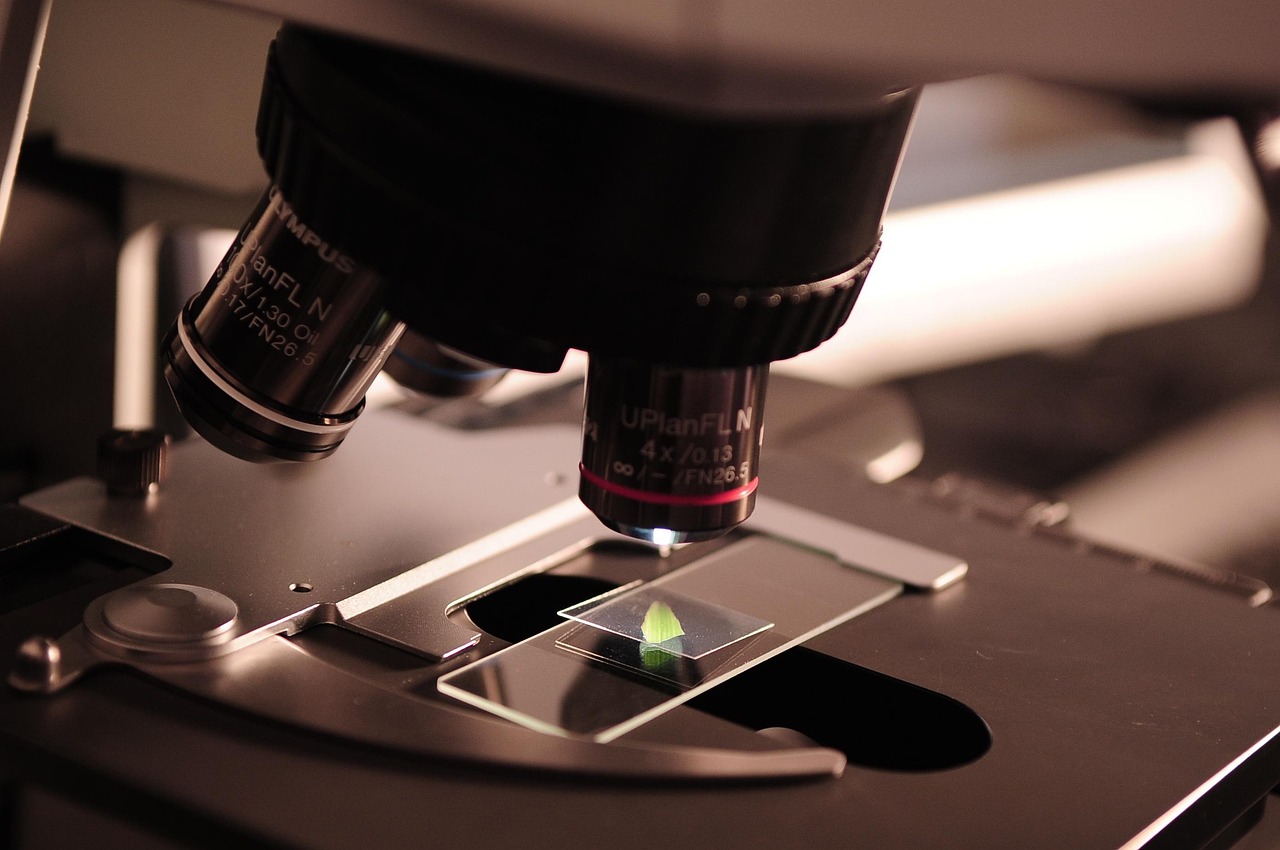
The identification of microorganisms is also crucial in understanding their characteristics and behavior. This can be done using various techniques, such as microscopy and culture. Microscopy involves the use of a microscope to visualize microorganisms, while culture involves the growth of microorganisms in a controlled environment. For example, blood agar is a type of culture medium that can be used to grow and identify bacteria.
The antimicrobial properties of embalming chemicals are also important in preventing the growth and spread of microorganisms. For example, formaldehyde has been shown to have antimicrobial properties against a wide range of microorganisms, including bacteria and fungi. However, the antimicrobial properties of embalming chemicals can be affected by various factors, such as pH level and temperature.
The resistance of microorganisms to embalming chemicals is also a concern. Resistance occurs when microorganisms develop mechanisms to survive or grow in the presence of embalming chemicals. For example, some bacteria have developed resistance to formaldehyde by producing enzymes that can break down the chemical. Therefore, it is essential to understand the mechanisms of resistance and to develop strategies to prevent or overcome resistance.
The public health implications of microbiology in embalming are also significant. The growth and spread of microorganisms can pose a risk to public health, particularly if the deceased has a communicable disease. For example, HIV and hepatitis are blood-borne pathogens that can be present in the blood and other bodily fluids of the deceased. Therefore, it is essential to take precautions to prevent exposure to these pathogens, such as using personal protective equipment (PPE) and following proper infection control procedures.
The environmental impact of embalming chemicals is also a concern. Embalming chemicals, such as formaldehyde, can be released into the environment and can have negative effects on ecosystems and human health. For example, formaldehyde can react with other chemicals in the environment to form ground-level ozone, which can contribute to air pollution. Therefore, it is essential to understand the environmental impact of embalming chemicals and to develop strategies to minimize their release into the environment.
In addition to the chemical properties of embalming chemicals, the physical properties of the deceased can also affect the growth and spread of microorganisms. For example, the temperature of the body can affect the growth and survival of microorganisms, with optimal temperatures for growth typically ranging from 20-40°C. Additionally, the pH level of the body can also affect the growth and survival of microorganisms, with optimal pH levels for growth typically ranging from 6-8.
The role of water in the growth and spread of microorganisms is also significant. Water can provide a medium for the growth and survival of microorganisms, and can also facilitate the spread of microorganisms through contaminated water or moisture. For example, bacteria can grow and survive in water and can be spread through contaminated water or moisture. Therefore, it is essential to control the moisture levels in the environment and to prevent the spread of microorganisms through contaminated water or moisture.
The importance of cleaning and disinfection in preventing the growth and spread of microorganisms cannot be overstated. Cleaning and disinfection can help to remove microorganisms from surfaces and equipment, and can also help to prevent the spread of microorganisms through contaminated surfaces or equipment. For example, surfaces and equipment can be disinfected using chemical disinfectants or ultraviolet light to kill or inactivate microorganisms.
The use of preservatives in embalming can also help to prevent the growth and spread of microorganisms. Preservatives, such as formaldehyde, can be used to prevent the growth and survival of microorganisms, and can also help to prevent the spread of microorganisms through contaminated bodily fluids or tissues. For example, formaldehyde can be used to preserve tissues and prevent the growth and survival of microorganisms.
The impact of microbiology on the embalming process is significant, and can affect the quality and safety of the embalming process. For example, the growth and spread of microorganisms can affect the appearance and integrity of the body, and can also pose a risk to public health. Therefore, it is essential to understand the principles of microbiology and to apply them in the embalming process to ensure the quality and safety of the process.
The role of microbiology in forensic science is also significant, particularly in the context of death investigation. Microbiology can be used to analyze bodily fluids and tissues to determine the cause of death and to identify potential pathogens. For example, bacteria and viruses can be analyzed to determine the cause of death and to identify potential pathogens.
The importance of microbiology in the prevention of infection cannot be overstated. Microbiology can be used to understand the mechanisms of infection and to develop strategies to prevent the spread of microorganisms. For example, hand hygiene and personal protective equipment (PPE) can be used to prevent the spread of microorganisms, and disinfection and sterilization can be used to prevent the growth and survival of microorganisms.
The application of microbiology in embalming is critical to ensuring the quality and safety of the embalming process. Microbiology can be used to understand the principles of microbial growth and to develop strategies to prevent the growth and spread of microorganisms. For example, formaldehyde can be used to preserve tissues and prevent the growth and survival of microorganisms, and disinfection and sterilization can be used to prevent the growth and survival of microorganisms.
The challenges of microbiology in embalming are significant, particularly in the context of antimicrobial resistance. The development of resistance to embalming chemicals, such as formaldehyde, can pose a significant challenge to the embalming process. For example, bacteria can develop resistance to formaldehyde by producing enzymes that can break down the chemical. Therefore, it is essential to understand the mechanisms of resistance and to develop strategies to prevent or overcome resistance.
The future of microbiology in embalming is likely to involve the development of new and innovative strategies to prevent the growth and spread of microorganisms. For example, new embalming chemicals may be developed that are more effective against microorganisms, or new technologies may be developed to improve the efficiency and safety of the embalming process. Additionally, the use of microbiology in forensic science is likely to become more significant, particularly in the context of death investigation and the analysis of bodily fluids and tissues.
The importance of microbiology in the education of embalmers cannot be overstated. Microbiology is a critical component of the embalming process, and embalmers must have a thorough understanding of the principles of microbiology to ensure the quality and safety of the embalming process. Therefore, it is essential to include microbiology in the curriculum of embalming education programs, and to provide embalmers with the knowledge and skills necessary to apply microbiology in the embalming process.
The application of microbiology in the embalming industry is critical to ensuring the quality and safety of the embalming process. Microbiology can be used to understand the principles of microbial growth and to develop strategies to prevent the growth and spread of microorganisms. For example, formaldehyde can be used to preserve tissues and prevent the growth and survival of microorganisms, and disinfection and sterilization can be used to prevent the growth and survival of microorganisms.
The impact of microbiology on the embalming process is significant, and can affect the quality and safety of the process. For example, the growth and spread of microorganisms can affect the appearance and integrity of the body, and can also pose a risk to public health. Therefore, it is essential to understand the principles of microbiology and to apply them in the embalming process to ensure the quality and safety of the process.
The use of microbiology in the development of new embalming techniques is likely to become more significant in the future. For example, new embalming chemicals may be developed that are more effective against microorganisms, or new technologies may be developed to improve the efficiency and safety of the embalming process. Additionally, the use of microbiology in forensic science is likely to become more significant, particularly in the context of death investigation and the analysis of bodily fluids and tissues.
The importance of microbiology in the regulation of the embalming industry cannot be overstated. Microbiology is a critical component of the embalming process, and regulatory agencies must have a thorough understanding of the principles of microbiology to ensure the quality and safety of the embalming process. Therefore, it is essential to include microbiology in the regulations and guidelines that govern the embalming industry, and to provide regulatory agencies with the knowledge and skills necessary to apply microbiology in the regulation of the embalming industry.
The application of microbiology in the embalming industry is critical to ensuring the quality and safety of the embalming process. Microbiology can be used to understand the principles of microbial growth and to develop strategies to prevent the growth and spread of microorganisms. For example, formaldehyde can be used to preserve tissues and prevent the growth and survival of microorganisms, and disinfection and sterilization can be used to prevent the growth and survival of microorganisms.
The challenges of microbiology in the embalming industry are significant, particularly in the context of antimicrobial resistance. The development of resistance to embalming chemicals, such as formaldehyde, can pose a significant challenge to the embalming process. For example, bacteria can develop resistance to formaldehyde by producing enzymes that can break down the chemical. Therefore, it is essential to understand the mechanisms of resistance and to develop strategies to prevent or overcome resistance.
The future of microbiology in the embalming industry is likely to involve the development of new and innovative strategies to prevent the growth and spread of microorganisms. For example, new embalming chemicals may be developed that are more effective against microorganisms, or new technologies may be developed to improve the efficiency and safety of the embalming process. Additionally, the use of microbiology in forensic science is likely to become more significant, particularly in the context of death investigation and the analysis of bodily fluids and tissues.
The importance of microbiology in the embalming industry cannot be overstated. Microbiology is a critical component of the embalming process, and embalmers must have a thorough understanding of the principles of microbiology to ensure the quality and safety of the embalming process. Therefore, it is essential to include microbiology in the curriculum of embalming education programs, and to provide embalmers with the knowledge and skills necessary to apply microbiology in the embalming process.
The application of microbiology in the embalming industry is critical to ensuring the quality and safety of the embalming process. Microbiology can be used to understand the principles of microbial growth and to develop strategies to prevent the growth and spread of microorganisms. For example, formaldehyde can be used to preserve tissues and prevent the growth and survival of microorganisms, and disinfection and sterilization can be used to prevent the growth and survival of microorganisms.
The impact of microbiology on the embalming process is significant, and can affect the quality and safety of the process. For example, the growth and spread of microorganisms can affect the appearance and integrity of the body, and can also pose a risk to public health. Therefore, it is essential to understand the principles of microbiology and to apply them in the embalming process to ensure the quality and safety of the process.
The use of microbiology in the development of new embalming techniques is likely to become more significant in the future. For example, new embalming chemicals may be developed that are more effective against microorganisms, or new technologies may be developed to improve the efficiency and safety of the embalming process. Additionally, the use of microbiology in forensic science is likely to become more significant, particularly in the context of death investigation and the analysis of bodily fluids and tissues.
The importance of microbiology in the regulation of the embalming industry cannot be overstated. Microbiology is a critical component of the embalming process, and regulatory agencies must have a thorough understanding of the principles of microbiology to ensure the quality and safety of the embalming process. Therefore, it is essential to include microbiology in the regulations and guidelines that govern the embalming industry, and to provide regulatory agencies with the knowledge and skills necessary to apply microbiology in the regulation of the embalming industry.
The application of microbiology in the embalming industry is critical to ensuring the quality and safety of the embalming process. Microbiology can be used to understand the principles of microbial growth and to develop strategies to prevent the growth and spread of microorganisms. For example, formaldehyde can be used to preserve tissues and prevent the growth and survival of microorganisms, and disinfection and sterilization can be used to prevent the growth and survival of microorganisms.
The challenges of microbiology in the embalming industry are significant, particularly in the context of antimicrobial resistance. The development of resistance to embalming chemicals, such as formaldehyde, can pose a significant challenge to the embalming process. For example, bacteria can develop resistance to formaldehyde by producing enzymes that can break down the chemical. Therefore, it is essential to understand the mechanisms of resistance and to develop strategies to prevent or overcome resistance.
The future of microbiology in the embalming industry is likely to involve the development of new and innovative strategies to prevent the growth and spread of microorganisms. For example, new embalming chemicals may be developed that are more effective against microorganisms, or new technologies may be developed to improve the efficiency and safety of the embalming process. Additionally, the use of microbiology in forensic science is likely to become more significant, particularly in the context of death investigation and the analysis of bodily fluids and tissues.
The importance of microbiology in the embalming industry cannot be overstated. Microbiology is a critical component of the embalming process, and embalmers must have a thorough understanding of the principles of microbiology to ensure the quality and safety of the embalming process. Therefore, it is essential to include microbiology in the curriculum of embalming education programs, and to provide embalmers with the knowledge and skills necessary to apply microbiology in the embalming process.
Key takeaways
- Microorganisms such as bacteria, viruses, and fungi can be present on the deceased, and if not properly controlled, can cause decomposition and pose a risk to public health.
- For example, formaldehyde is a biocide that can kill or inhibit the growth of microorganisms, but it may not be effective against all types of microorganisms.
- One of the key concepts in microbiology is the idea of colonization, which refers to the process by which microorganisms establish themselves on a surface or in a host.
- In the context of embalming, microbial ecology plays a critical role in understanding how microorganisms interact with the deceased and the embalming chemicals.
- For example, bacteria are prokaryotic cells that lack a true nucleus, while fungi are eukaryotic cells that have a true nucleus.
- Additionally, surface disinfection and sterilization of equipment and instruments are essential to prevent the growth and spread of microorganisms.
- Microscopy involves the use of a microscope to visualize microorganisms, while culture involves the growth of microorganisms in a controlled environment.