
Metals and Gemology Fundamentals
Gold is the primary metal used in antique jewelry and serves as a baseline for many valuation calculations. Pure gold is 24 karats, but it is rarely used in its pure form because it is too soft for everyday wear. Instead, gold is alloyed wi…
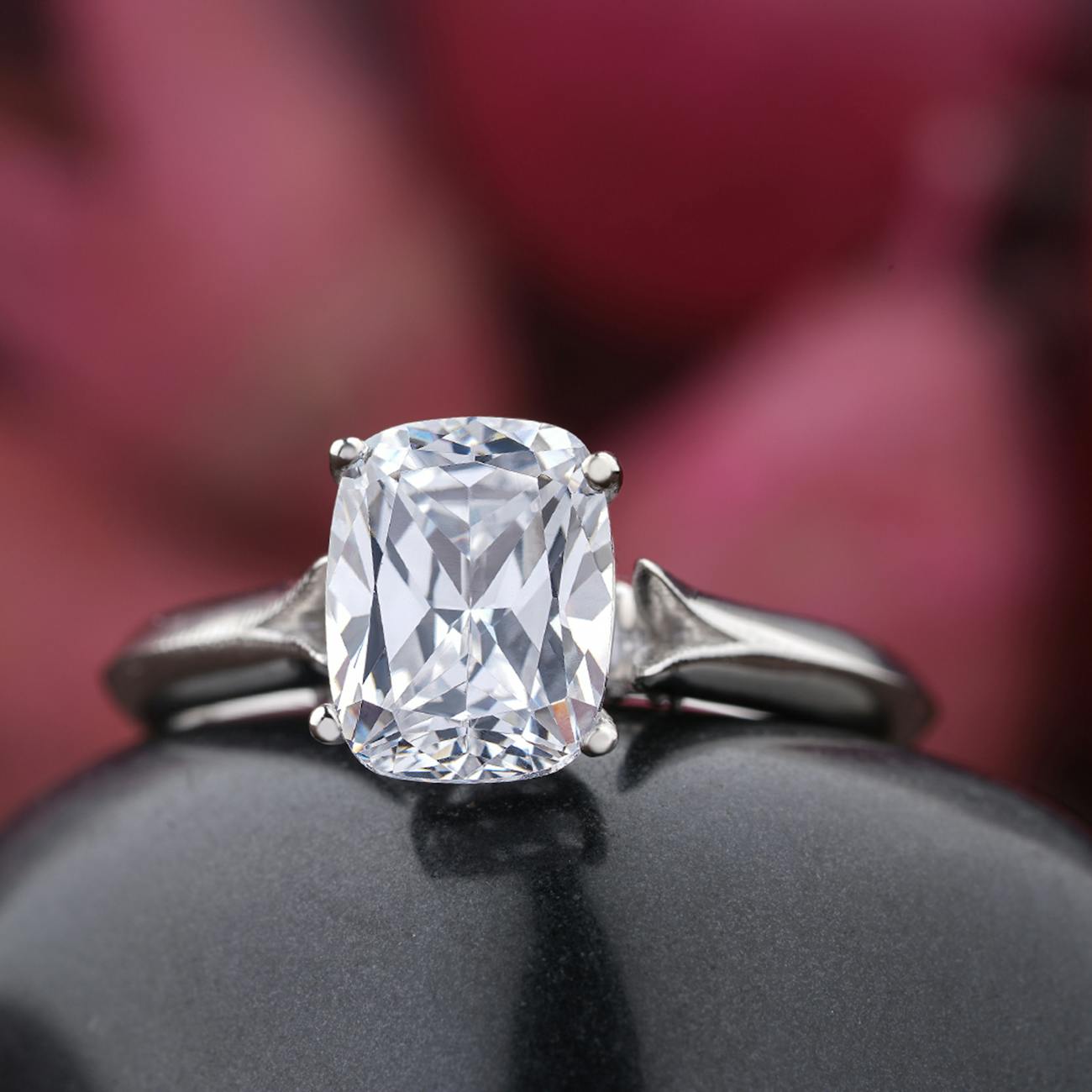
Gold is the primary metal used in antique jewelry and serves as a baseline for many valuation calculations. Pure gold is 24 karats, but it is rarely used in its pure form because it is too soft for everyday wear. Instead, gold is alloyed with other metals such as copper, silver, nickel, or zinc to increase hardness and alter color. The term karat denotes the proportion of gold in the alloy; for example, 18‑karat gold contains 75 % gold, while 14‑karat gold contains 58.3 % Gold. In antique pieces, the karat system may be expressed in fractional terms such as “22‑carat” or “22 K,” which can cause confusion for modern appraisers accustomed to the decimal system. Understanding how to read and interpret these markings is essential for accurate valuation. A practical application involves confirming the karat stamp against the piece’s physical characteristics; a high‑karat gold item will have a softer feel and a richer yellow hue, whereas lower‑karat pieces may appear more silvery or reddish due to the alloy metals. A common challenge is the presence of counterfeit hallmarks that mimic historic stamps; careful testing, such as X‑ray fluorescence (XRF), can verify the actual gold content without damaging the antique.
Silver is another foundational metal, often used in combination with gold to create electrum or silver‑gold alloys. Sterling silver, denoted by the mark “925,” contains 92.5 % Silver and 7.5 % Copper, providing a balance of durability and luster. In antique jewelry, you may encounter “German silver,” which contains no actual silver but is an alloy of copper, nickel, and zinc. The term coin silver refers to a historical standard of 90 % silver that was used for coins and some jewelry in the United States before the 1920s. When evaluating an antique piece, it is important to differentiate between genuine sterling and lower‑grade alloys, as the value of silver‑based jewelry is heavily influenced by purity. For example, a Victorian brooch stamped “925” will command a higher price than a similar piece marked “900,” even if the design is identical. The challenge arises when older pieces have worn or illegible stamps; in such cases, an appraiser may employ a combination of visual assessment, acid testing, and non‑destructive spectrometry to determine silver content.
Copper is frequently added to gold and silver alloys to increase hardness and modify color. In gold alloys, copper produces a reddish hue, resulting in “rose gold” or “red gold.” The proportion of copper can vary; a typical 18‑karat rose gold may contain 75 % gold, 22.5 % Copper, and 2.5 % Silver. In silver alloys, copper is the primary alloying metal for sterling silver, contributing to the metal’s strength and resistance to deformation. However, copper is also the main culprit behind metal fatigue and tarnish in antique pieces. Over time, copper reacts with sulfur in the air, forming copper sulfide, which appears as a darkened surface. Understanding the role of copper helps appraisers identify the original finish of a piece and determine appropriate cleaning methods. Aggressive polishing can remove original patina, reducing both historical integrity and market value. A practical approach is to use gentle chemical cleaners that target copper sulfide without stripping the underlying metal, preserving the antique character while improving appearance.
Nickel is a common alloying element in both gold and silver, especially in pieces produced after the mid‑19th century when industrial metalworking techniques expanded. Nickel adds strength and a bright, white appearance, making it a key component in “white gold” and “white silver” alloys. In antique jewelry, the presence of nickel can be identified by a faint magnetic response, though many alloys are not strongly magnetic. Nickel can also cause allergic reactions in some wearers, a factor that modern collectors may consider when purchasing antique pieces for personal use. From a valuation perspective, nickel content can affect the piece’s desirability; some collectors prefer nickel‑free alloys for their hypoallergenic properties, while others value the historical authenticity of the original alloy composition. Testing for nickel often involves a simple spot test with a nickel‑sensitive reagent, but care must be taken to avoid damaging delicate surfaces.
Zinc is another alloying metal that appears in many antique pieces, particularly in the production of “German silver” (also known as “nickel silver”). Zinc improves fluidity during casting and adds corrosion resistance. In gold alloys, zinc is used in small amounts to fine‑tune color and hardness, though it is less common than copper or silver. When evaluating antique jewelry, the presence of zinc can be inferred from the piece’s weight and density; zinc‑rich alloys are typically lighter than pure gold or silver of comparable size. A challenge arises when zinc is part of a plated layer rather than a bulk alloy, as the plating may have worn away, exposing a different underlying metal. In such cases, a careful examination of the edges and any visible cross‑section can reveal the true composition.
Hallmark refers to the official stamp placed on a metal object to certify its purity, origin, and sometimes the maker’s identity. Hallmarks vary widely by country and era, and they are a cornerstone of antique jewelry valuation. Common components of a hallmark include a maker’s mark, a date letter, a city or assay office mark, and a purity mark. For example, a British hallmark from the 19th century might display the lion (denoting sterling silver), the maker’s initials, the London assay office symbol, and a date letter indicating the year of assay. Understanding the chronology of date letters is crucial; a misinterpretation can shift a piece’s estimated age by decades, dramatically affecting its market value. Practical application involves consulting hallmark reference guides and using magnification tools to read faint or worn stamps. A common challenge is the existence of “fake hallmarks” that replicate historic marks to deceive buyers. Appraisers must verify hallmarks against known standards and, when in doubt, employ metallurgical testing to confirm the piece’s composition aligns with the claimed purity.
Maker’s Mark identifies the craftsman or workshop that produced the jewelry. In many antique periods, especially the Renaissance and Georgian eras, the maker’s mark was a highly prized attribute, often indicating superior workmanship and increasing the piece’s collectability. Maker’s marks can be initials, full names, symbols, or stylized logos. For instance, the mark “J. G.” might represent the renowned French jeweler Jean‑Guillaume, while a fleur‑de‑lis could denote a workshop specializing in French court commissions. When evaluating a piece, the appraiser should cross‑reference the maker’s mark with historical records, guild registers, and auction catalogs to ascertain authenticity and provenance. A challenge arises when makers used multiple marks over their careers, or when marks were altered or re‑stamped during repairs. In such cases, a detailed provenance study, including archival research, can clarify the piece’s lineage and enhance its valuation.
Patina is the natural surface oxidation that develops over time on metal objects, providing a unique aged appearance that is highly valued in antique jewelry. Patina can manifest as a greenish hue on copper‑rich alloys, a darkened sheen on silver, or a subtle reddish‑brown on gold. While some collectors seek a well‑developed patina as evidence of authenticity, others may prefer a restored finish. The decision to preserve or remove patina depends on market expectations for the specific period and style. For example, Art Nouveau pieces often retain their original patina, which highlights the flowing lines and organic motifs characteristic of the style. In contrast, Victorian pieces may be cleaned to reveal intricate filigree work that was originally obscured. A practical approach is to test cleaning methods on inconspicuous areas first, ensuring that the patina is not inadvertently removed. A common challenge is distinguishing between patina and corrosion; excessive cleaning can cause irreversible loss of material, diminishing both aesthetic and monetary value.
Carat (spelled with a “c”) is the unit of weight used for gemstones, equal to 0.2 Grams. The term is often confused with “karat,” which measures gold purity; careful distinction is essential in jewelry appraisal. Gemstone carat weight is a primary factor in valuation, but it must be considered alongside other attributes such as cut, color, clarity, and provenance. For antique gemstones, the carat weight may be indicated on a small stamp or engraved directly on the setting. However, older pieces sometimes lack any weight indication, requiring the appraiser to weigh the stone using a precision balance. Practical application includes converting carat weight to grams for accurate documentation, especially when comparing with modern market data that may list prices per carat. A challenge arises when stones have been recut or trimmed, altering their original carat weight. In such cases, historical records, such as original sales receipts or exhibition catalogs, can provide evidence of the stone’s original size, aiding in a more accurate valuation.
Cut describes the proportions, symmetry, and facets of a gemstone, influencing its brilliance and overall visual appeal. In antique jewelry, historic cuts such as the “old‑mine” (or “old‑European”) cut, the “briolette,” the “cushion,” and the “emerald” cut are prevalent. The old‑mine cut, popular from the 16th to the early 19th centuries, features a deep pavilion, a small table, and a high crown, resulting in a distinctive “old‑world” sparkle. The briolette cut is a fully faceted, elongated shape without a flat top, often used for pendants and earrings in the Art Deco period. Understanding these historic cuts enables appraisers to identify the era of a piece and assess the quality of the workmanship. Practical application involves using a loupe or microscope to examine facet alignment, symmetry, and polish. A common challenge is that many antique cuts do not conform to modern standards, making it difficult to compare their visual performance directly with contemporary cuts. Appraisers must therefore rely on historical context and aesthetic judgment rather than purely quantitative metrics.
Clarity refers to the presence of internal inclusions or external blemishes within a gemstone. In antique gemstones, clarity must be evaluated with an awareness of the period’s aesthetic preferences. For example, Victorian collectors often prized “inclusions” as evidence of natural origin, whereas modern markets may favor flawless stones. Clarity grading systems such as “IF” (internally flawless) or “VS” (very slightly included) are modern constructs, but they can still be applied to antique stones for comparative purposes. The appraisal process includes inspecting the stone under magnification to identify any cloudiness, feathering, or surface scratches. Practical application may involve documenting each notable inclusion with a diagram or photograph, especially for rare or historically significant stones where the inclusions themselves hold provenance value. A challenge arises when inclusions have been altered by treatments such as fracture filling or laser drilling, common in antique stones that have undergone restoration. Detecting such treatments requires specialized equipment, including microscopes with polarized light, and can significantly affect the valuation.
Color is a vital attribute of gemstones, with each variety possessing a characteristic hue, saturation, and tone. In antique jewelry, color grading may differ from modern standards; for instance, “deep blue” sapphires from the 18th century were often described simply as “blue” in contemporary documents, without the nuanced grading used today. Understanding historical color terminology is essential for accurate interpretation of provenance records. Practical application includes comparing the stone’s color to standardized color charts, such as the Gemological Institute of America (GIA) scale, while also considering the lighting conditions under which the stone will be displayed. A common challenge is the effect of aging and exposure on gemstone color; some stones, like certain topazes, may fade over time, while others, like amber, may darken. Proper storage and display conditions can mitigate these changes, preserving the stone’s original appearance for valuation purposes.
Transparency describes the degree to which light passes through a gemstone. Gemstones are classified as transparent, translucent, or opaque. Antique jewelry often incorporates opaque stones such as onyx, jade, or certain varieties of agate, which were prized for their solid color and symbolic meanings. Transparent stones, like diamonds, rubies, and emeralds, are evaluated for their brilliance and fire, while translucent stones, such as moonstone or opal, are valued for their unique optical effects. In valuation, transparency influences both the aesthetic appeal and the potential for light performance enhancements. Practical application may involve using a backlight to assess translucency levels, especially in settings where the stone is set deep within the metal. A challenge occurs when an opaque stone has been set in a way that obscures its surface, making it difficult to assess condition without removing the setting, a process that can risk damage to both stone and metal.
Gemstone Setting refers to the method by which a stone is secured within a piece of jewelry. Historical settings include “prong,” “bezel,” “channel,” “pavé,” “claw,” and “tension” mounts, each reflecting specific stylistic trends. The prong setting, featuring individual metal claws that grip the stone, became popular in the 19th century and allowed maximum light exposure. The bezel setting, a metal band encircling the stone’s perimeter, provides strong protection and was common in Georgian and early Victorian pieces. The channel setting, where stones are set side by side within a groove, is characteristic of Art Deco designs. Understanding the setting type aids in dating a piece and assessing its structural integrity. Practical application includes evaluating the setting’s condition, checking for signs of repair, and determining whether the setting is original or a later modification. A common challenge is that antique settings may have been altered during restoration, potentially diminishing the piece’s originality and affecting its market value. Appraisers must document any alterations and, when possible, revert the piece to its original configuration using reversible methods.
Hallmark Dating System is the chronological framework used to interpret the date letters found on hallmarks. Each assay office employed a series of letters that changed annually, providing a precise dating tool for antique pieces. For example, the London assay office used letters such as “A” for 1800, “B” for 1801, and so forth, cycling through the alphabet while occasionally inserting special letters for leap years. Mastering this system enables appraisers to pinpoint the year of assay, which often aligns closely with the piece’s production date. Practical application involves cross‑referencing the date letter with a published hallmark chronology, ensuring the correct century is identified. A challenge arises when letters are worn or partially erased; in such cases, expert consultation or advanced imaging techniques, such as high‑resolution photography, may be necessary to recover the missing information.
Assay is the process by which a metal’s purity is tested and verified, usually by an official assay office. The result is recorded in a hallmark that certifies the metal’s content. Historically, assay offices employed methods such as fire assay for gold and silver, which involved melting a sample and measuring the proportion of precious metal. Modern non‑destructive techniques, like XRF, have largely replaced these destructive methods, but the historical significance of the original assay remains important for antique jewelry. Practical application includes verifying that the hallmark matches the documented assay results, especially when the piece has undergone multiple ownerships. A challenge is that some antique pieces may have been re‑hallmarked during later repairs, potentially obscuring the original assay. Understanding the hierarchy of hallmarks—primary, secondary, and tertiary—helps appraisers unravel these complexities.
Re‑Hallmarking occurs when a piece is remade, repaired, or altered and receives a new hallmark, often from a later assay office. This practice was common in the 19th century when owners sought to update the appearance of a piece or correct a damaged stamp. While re‑hallmarking does not necessarily diminish the intrinsic value of the materials, it can affect the historical integrity and thus the collectible value. Practical application involves distinguishing the original hallmark from later additions by examining the depth of the stamp, the style of lettering, and the placement on the piece. A re‑hallmarked piece may retain both marks, offering a layered narrative of its history. A challenge is that some re‑hallmarks are deliberately forged to mimic earlier periods, requiring careful analysis and possibly chemical testing to confirm authenticity.
Patination is the deliberate application of chemicals or heat to develop a surface finish on metal, often used to replicate the appearance of age. In antique jewelry, patination may have been applied intentionally during the original manufacturing process to achieve a particular aesthetic, such as the “antique” finish popular in the early 20th century. Modern restorers sometimes employ patination techniques to conceal repair marks or to harmonize new components with the original metal. Understanding the differences between natural patina and artificially induced patination is crucial for accurate appraisal. Practical application includes conducting a spot test with a solvent to determine if the surface layer is removable, indicating artificial patina. A challenge is that excessive patination can obscure fine details, such as engraving or filigree, reducing the piece’s visual and monetary value.
Engraving encompasses both decorative and functional incisions on metal, including signatures, monograms, decorative motifs, and serial numbers. In antique jewelry, engraving can provide vital clues about provenance, maker, and date. For instance, a hidden signature engraved on the underside of a clasp may reveal the workshop that produced the piece, while a decorative scrollwork pattern can indicate the stylistic period. Practical application involves using magnification tools to examine fine lines and employing rubbings or digital imaging to capture the engraving for further analysis. A common challenge is that engravings may be worn away over time, especially on high‑traffic areas, making identification difficult. In such cases, comparison with known examples from the same maker or period can assist in reconstructing the missing information.
Filigree is a delicate metalworking technique that creates intricate, lace‑like patterns using fine wires of gold or silver. This craft reached its zenith during the Georgian and Regency periods, where it was employed in bracelets, brooches, and earrings. Filigree work is highly prized for its technical skill and aesthetic elegance, often significantly enhancing a piece’s value. Practical application includes assessing the continuity and uniformity of the wirework, checking for solder joints that may indicate later repair, and evaluating the overall condition of the filigree. A challenge arises when the fine wires are broken or have been re‑soldered, potentially compromising the structural integrity. Restorers must balance the need for stabilization with preserving the original craftsmanship, often using micro‑soldering techniques that are reversible.
Granulation is a decorative technique involving the attachment of tiny metal granules to a base surface, creating textured patterns. This method was especially popular in ancient Greek and Roman jewelry, as well as in Renaissance pieces. The granules are typically made of gold or silver and are fused to the base using a process called “fusing” or “soldering.” Granulation adds both visual interest and technical complexity, contributing to a piece’s rarity and value. Practical application includes counting and measuring the granules to assess the level of craftsmanship, as well as inspecting for signs of loss or repair. A common challenge is that granulation can be sensitive to cleaning agents; harsh chemicals may dissolve the fine solder, leading to granule loss. Therefore, conservators often employ gentle, controlled cleaning methods and may use a magnified camera to document the granulation before any treatment.
Enamelling refers to the process of fusing powdered glass to metal, creating a colorful, glass‑like surface. In antique jewelry, enamelling techniques such as “champlevé,” “cloisonné,” and “painted enamel” were widely used from the medieval period through the Art Nouveau era. Enamel adds a vibrant visual element and can depict intricate scenes or motifs. The condition of enamel is a critical factor in valuation; cracks, chipping, or loss of color can significantly reduce a piece’s desirability. Practical application includes performing a “pin test” in an inconspicuous area to determine if the enamel is original or a later repair. A challenge is that enamel may have been over‑polished, causing the loss of surface detail and altering the original design. Skilled restorers may use micro‑abrasion techniques to reveal the underlying enamel pattern without damaging it.
Gemstone Treatment encompasses a range of processes applied to improve a gemstone’s appearance, including heat treatment, irradiation, dyeing, and surface coating. In antique jewelry, many gemstones were treated before the modern era, such as the heat‑treated “Alexandrite” that exhibits a color change under different lighting conditions. Understanding the presence and type of treatment is essential, as treated stones typically command lower prices than untreated counterparts. Practical application involves using spectroscopy, microscopy, and sometimes gemological laboratories to detect treatments. A challenge arises when documentation of the treatment is missing; in such cases, the appraiser must rely on visual clues, such as unnatural color saturation or inclusions indicative of heating. Transparency about treatment in the appraisal report is critical for ethical valuation and buyer confidence.
Gemstone Origin refers to the geographical source of a stone, which can dramatically affect its market value. For example, a “Colombian emerald” is generally more valuable than an “African emerald” due to historical reputation and perceived quality. In antique jewelry, provenance records may mention the origin, but these statements must be verified through gemological analysis. Practical application includes employing techniques such as trace element analysis or inclusion pattern studies to confirm the claimed origin. A challenge is that many historic records are vague or inaccurate, and some gemstones may have been re‑cut to obscure their original source. Appraisers must balance documentary evidence with scientific testing to arrive at a reliable conclusion.
Gemstone Carving is the practice of shaping a gemstone into a decorative form beyond the standard faceted cuts. Historical examples include carved cameos, intaglios, and reliefs, often used in pendants and brooches. Carved gemstones are particularly valuable when they depict recognizable subjects, such as mythological scenes or portraiture. Practical application involves assessing the quality of the carving, the depth of relief, and any signs of wear that may obscure details. A common challenge is that carved gems can be fragile; cleaning or handling must be performed with extreme care to avoid chipping or loss of detail. When documenting the piece, high‑resolution photography from multiple angles helps capture the full artistic merit of the carving.
Gemstone Setting Types are often distinguished by the era in which they were popular. For example, the “bezel” setting, where a metal rim encircles the gemstone, was predominant in the Edwardian period, while the “prong” setting surged during the Victorian era to showcase diamonds. Understanding these temporal associations assists in dating a piece. Practical application includes comparing the setting’s design features to known examples from reference books or museum collections. A challenge occurs when an antique piece has been retrofitted with a modern setting, potentially altering its historical context. In such situations, the appraiser must note both the original setting (if identifiable) and the current configuration, as each may affect the overall valuation.
Metal Weight is a fundamental metric used in the appraisal of antique jewelry, particularly for pieces without hallmarks or when hallmarks are ambiguous. Metal weight is measured in grams or troy ounces, with gold typically weighed in troy ounces (1 troy ounce = 31.1035 Grams). Accurate weighing requires a calibrated balance and, for precious metals, may involve subtracting the weight of gemstones to isolate the metal component. Practical application includes calculating the intrinsic metal value by multiplying the weight of pure gold (or silver) by the current market price, then adjusting for historical premiums. A challenge arises when the piece contains hidden compartments or internal mechanisms that add weight, potentially leading to overestimation of metal content. Careful disassembly, when permissible, can provide a more precise measurement.
Metal Density provides another tool for confirming metal purity, especially when hallmark information is missing or questionable. The density of a metal is calculated by dividing its mass by its volume; for gold, the density is approximately 19.3 G/cm³, while for silver it is 10.5 G/cm³. By measuring the displacement of water or using a calibrated density kit, appraisers can estimate the alloy composition. Practical application involves comparing the measured density to known standards for various karats; for instance, 18‑karat gold typically has a density around 15.2 G/cm³. A challenge is that intricate settings with hollow sections can affect volume calculations, requiring a careful approach to isolate the solid metal portion.
Historical Styles are essential for contextualizing antique jewelry and its vocabulary. The “Georgian” period (1714‑1830) is characterized by intricate scrollwork, natural motifs, and the use of gold‑filled silver. The “Victorian” era (1837‑1901) introduced a wide variety of styles, including “Romantic” (featuring pearls and soft colors), “Gothic Revival” (with dark gemstones and medieval motifs), and “Industrial” (highlighting machine‑made components). The “Art Nouveau” period (1890‑1910) emphasized flowing lines, organic forms, and the use of enamel and cabochon gemstones. The “Art Deco” era (1920‑1939) is marked by geometric shapes, bold colors, and the use of platinum and white gold. Understanding these stylistic markers helps appraisers assign a likely date range and assess the piece’s conformity to period‑specific design conventions. Practical application includes matching decorative elements, such as the shape of a pendant or the type of clasp, to known style characteristics. A challenge is that many pieces were altered or combined across periods, creating hybrid designs that require careful analysis to untangle.
Plating refers to the application of a thin layer of metal over a base material, often used to give a less valuable metal the appearance of a more precious one. In antique jewelry, gold plating over copper or silver was common, especially in pieces intended for fashion rather than high‑value investment. Detecting plating can be challenging; visual clues include a slightly different color at the edges, a “wear line” where the underlying metal is exposed, and a tendency for the surface to dull more quickly than solid gold. Practical application involves using a magnifying glass to examine the edges and, if necessary, performing a spot test with a mild acid that reacts only with the base metal. A challenge is that plating may have been reapplied during restoration, potentially obscuring the original metal composition. Accurate documentation of plating status is essential for transparent valuation.
Oxidation is a natural process where metal reacts with oxygen, forming a surface layer that can be either protective (as with copper) or detrimental (as with silver). In antique jewelry, controlled oxidation was sometimes deliberately induced to achieve a particular aesthetic, such as the “antique” finish on silver pieces. Understanding oxidation patterns helps appraisers differentiate between original finishes and later attempts to artificially age a piece. Practical application includes testing cleaning methods on a small area to see if the oxidation layer is removable without damaging the underlying metal. A challenge is that excessive oxidation can lead to “pitting” or corrosion, which may require professional conservation to stabilize.
Patination Techniques used historically include the application of liver of sulfur to darken silver, creating a “blackened” effect popular in the late 19th century. Other methods involved using iron filings and vinegar to produce a rustic look on copper alloys. These techniques were often employed to complement the design of a piece, such as a “mourning” brooch with a darkened setting. Recognizing the specific patination method used can provide insight into the piece’s cultural context and intended symbolism. Practical application involves analyzing the surface chemistry with a handheld spectrometer to confirm the presence of sulfide compounds. A challenge is that modern cleaning agents can inadvertently remove or alter historic patinas, diminishing the piece’s authenticity.
Gemstone Certification is a modern practice that provides documented verification of a gemstone’s characteristics, such as weight, cut, color, clarity, and treatment status. While antique pieces rarely have original certificates, modern gemological reports can be attached to historically significant stones to enhance market confidence. Practical application includes obtaining a certification for a high‑value gemstone before auction, ensuring that the report reflects any historic treatments or alterations. A challenge is that some antique gemstones may have been recut or re‑polished, making it difficult to match the stone to its original certification, if one existed. In such cases, the appraiser must note the discrepancy and provide an updated assessment based on current observations.
Gemstone Inclusions are internal features that can be natural, such as mineral crystals, or artificial, such as fracture fills. In antique gemstones, inclusions are often considered part of the stone’s character, and certain historic periods prized stones with visible characteristics. For example, “jagged” inclusions in a 19th‑century sapphire may have been celebrated as evidence of natural origin. Practical application includes documenting inclusions with high‑magnification photography and noting their impact on the stone’s clarity grade. A challenge arises when inclusions have been altered by treatments like laser drilling; detecting such modifications may require polarized light microscopy and consultation with a gemological laboratory.
Gemstone Provenance encompasses the documented history of ownership, exhibition, and publication related to a stone. Provenance can dramatically increase a piece’s value, especially when linked to notable collectors or historical events. For antique jewelry, provenance may be recorded in estate inventories, auction catalogs, or museum records. Practical application involves researching archives, consulting historical databases, and verifying claims through primary sources. A challenge is that provenance records may be incomplete or fabricated; rigorous verification is essential to avoid overstating a piece’s significance.
Gemstone Cut Variations such as “pear,” “marquise,” “oval,” and “emerald” each have distinct proportions and facet arrangements that affect the stone’s visual performance. In antique jewelry, certain cuts were favored during specific periods; for example, the “old‑mine” cut was prevalent in the 18th century, while the “briolette” cut became fashionable in the early 20th century. Understanding these preferences helps appraisers place a piece within its historical context. Practical application includes measuring the dimensions of the cut and comparing them to period‑specific standards. A challenge is that some antique cuts deviate from modern ideal proportions, requiring the appraiser to evaluate the cut’s effectiveness within its own historical framework rather than by contemporary criteria.
Gemstone Cabochon refers to a gemstone that has been polished but not faceted, resulting in a smooth, rounded surface. Cabochons were especially popular for opaque stones such as onyx, turquoise, and moonstone, as well as for semi‑precious stones with attractive colors. In antique jewelry, cabochon settings often reflect the aesthetic preferences of the period, such as the use of opal cabochons in Art Nouveau pendants. Practical application includes assessing the polish quality, checking for surface scratches, and evaluating whether any repair work has been performed. A challenge is that cabochons can be prone to surface damage, and over‑polishing may remove the original luster, diminishing the piece’s historical authenticity.
Gemstone Clarity Grading in antique contexts may differ from contemporary standards. Historical documents often describe stones as “clear,” “transparent,” or “with inclusions,” without a formal grading scale. Modern appraisers must translate these qualitative descriptions into current grading terminology while respecting the period’s perception of quality. Practical application involves cross‑referencing historic descriptions with visual inspection, noting any discrepancies. A challenge is that some antique stones have undergone treatments that obscure original inclusions, making it difficult to assign an accurate clarity grade without advanced analysis.
Gemstone Color Enhancement includes processes such as heat treatment, irradiation, and dyeing, which have been employed for centuries. For example, the ancient Romans used heat to deepen the color of garnets, while 19th‑century jewelers irradiated topaz to produce “imperial” hues. Recognizing these enhancements is crucial for valuation, as treated stones generally have lower market values than natural, untreated stones. Practical application includes using spectroscopy to detect color changes and consulting historical treatment records. A challenge is that some enhancements are subtle and may only be revealed through laboratory analysis, requiring collaboration with gemological experts.
Gemstone Setting Security refers to the structural integrity of the mounting, which is vital for both preservation and valuation. Antique settings may have been repaired with non‑original materials, such as modern solder that is harder or more brittle than historic alloys. Assessing the security of the setting involves gently probing the stone’s retention and inspecting for signs of stress or corrosion. Practical application includes documenting any loose stones, noting the condition of prongs or bezels, and recommending conservation measures if necessary. A challenge is that invasive testing may risk damaging delicate antique components; therefore, non‑destructive methods are preferred whenever possible.
Metal Stamping encompasses all forms of impressed marks, including hallmarks, maker’s marks, and assay stamps. In antique jewelry, stamping was often performed by hand using a hammer and die, resulting in variances in depth and clarity. Understanding the nuances of hand‑stamped marks helps differentiate authentic historic stamps from modern machine‑produced reproductions. Practical application includes measuring the depth of a stamp with a micrometer and comparing it to known examples from the same period. A challenge is that some stamps may have been re‑stamped or altered during restoration, requiring careful documentation of each layer.
Metal Refinement processes, such as the historic “cupellation” method for separating gold from lead, provide insight into the technology available to antique jewelers. Knowledge of these processes allows appraisers to recognize the limitations and capabilities of the period’s metalworking. For instance, the ability to produce fine gold alloys was constrained by the purity of available ore and the skill of the smith. Practical application includes evaluating whether a piece’s alloy composition aligns with known historical refining techniques. A challenge is that some antique pieces may have been re‑refined in later centuries, altering the original metal composition and complicating authenticity assessments.
Metal Patina Analysis can be performed using techniques such as X‑ray diffraction (XRD) to identify the specific compounds present on the surface. This analysis can reveal whether a patina is natural or artificially induced. For antique jewelry, a natural patina is often considered desirable, as it reflects the piece’s age and usage. Practical application includes taking a micro‑sample from an inconspicuous area and submitting it for laboratory analysis, ensuring that the sampling does not compromise the piece’s integrity. A challenge is that some collectors may request removal of the patina for aesthetic reasons, potentially reducing the historic value; appraisers must advise clients on the trade‑off between visual appeal and authenticity.
Metal Corrosion is a destructive process that can affect the structural integrity of antique jewelry. Common forms include “bronze disease” in copper‑rich alloys, where chloride ions cause a progressive pitting corrosion. Identifying early signs of corrosion is essential for preservation and valuation. Practical application involves inspecting for greenish or blackish deposits, especially in crevices and under settings. A challenge is that corrosion can spread rapidly once initiated, and remediation may require specialized conservation techniques that are costly and time‑consuming. Accurate documentation of corrosion extent is necessary for informing potential buyers of any restoration needs.
Metal Restoration involves repairing or stabilizing antique jewelry while aiming to preserve as much original material as possible. Techniques include soldering with period‑appropriate alloys, cleaning using mild solvents, and re‑patinating to match surrounding finishes. Restoration can enhance a piece’s aesthetic appeal and structural soundness, but it must be disclosed in the appraisal report. Practical application includes creating a restoration plan that outlines reversible methods, ensuring that any interventions can be undone without harming the original work. A challenge is balancing restoration with preservation; over‑restoration can erase historic evidence, while under‑restoration may leave the piece vulnerable to further damage.
Metal Identification is the process of determining the composition of an alloy without destructive testing. Non‑destructive methods such as XRF, laser-induced breakdown spectroscopy (LIBS), and ultrasonic testing provide rapid, accurate results.
Key takeaways
- A common challenge is the presence of counterfeit hallmarks that mimic historic stamps; careful testing, such as X‑ray fluorescence (XRF), can verify the actual gold content without damaging the antique.
- The challenge arises when older pieces have worn or illegible stamps; in such cases, an appraiser may employ a combination of visual assessment, acid testing, and non‑destructive spectrometry to determine silver content.
- A practical approach is to use gentle chemical cleaners that target copper sulfide without stripping the underlying metal, preserving the antique character while improving appearance.
- Nickel is a common alloying element in both gold and silver, especially in pieces produced after the mid‑19th century when industrial metalworking techniques expanded.
- When evaluating antique jewelry, the presence of zinc can be inferred from the piece’s weight and density; zinc‑rich alloys are typically lighter than pure gold or silver of comparable size.
- For example, a British hallmark from the 19th century might display the lion (denoting sterling silver), the maker’s initials, the London assay office symbol, and a date letter indicating the year of assay.
- In many antique periods, especially the Renaissance and Georgian eras, the maker’s mark was a highly prized attribute, often indicating superior workmanship and increasing the piece’s collectability.