
Medical Equipment Calibration
Medical equipment calibration is a critical process that ensures the accuracy and reliability of medical devices used in healthcare settings. Calibration involves adjusting and verifying the performance of medical equipment to guarantee tha…
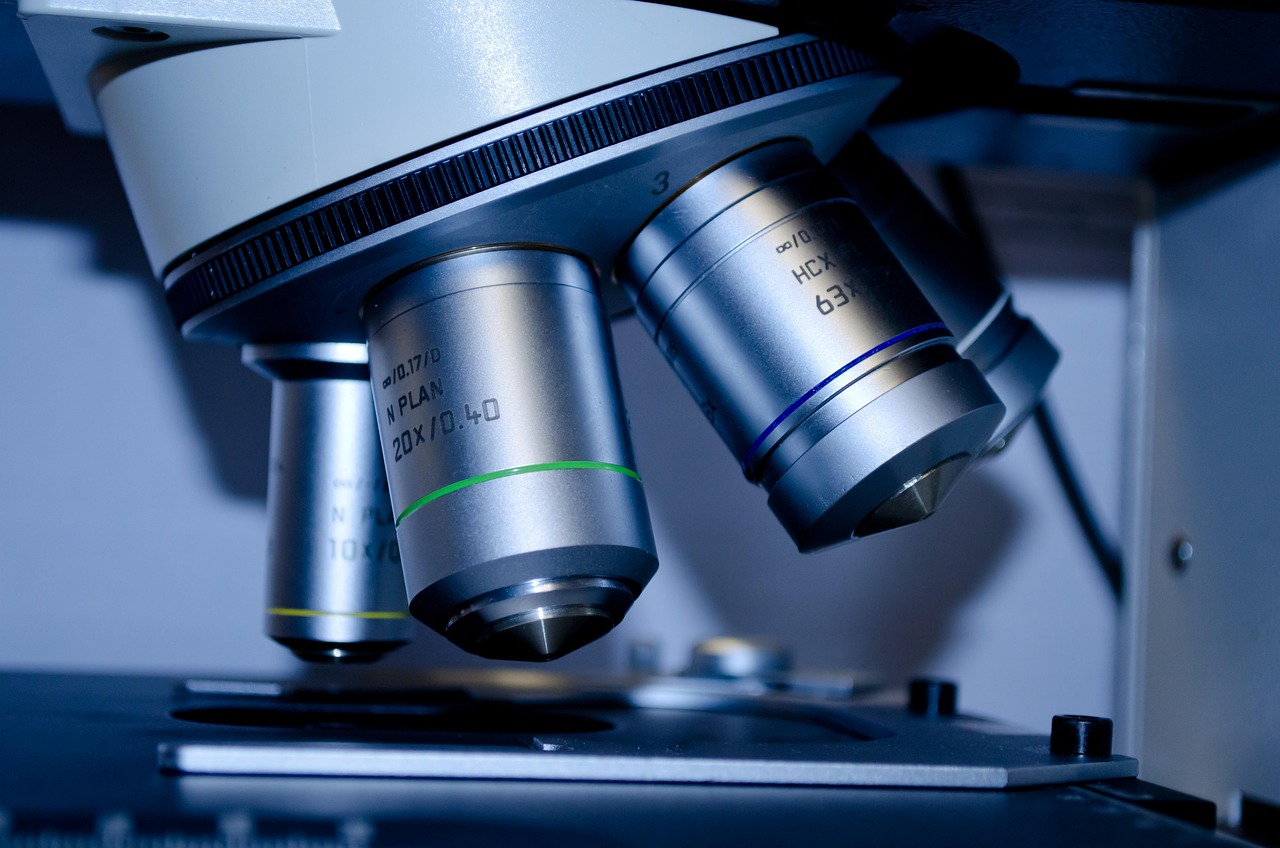
Medical equipment calibration is a critical process that ensures the accuracy and reliability of medical devices used in healthcare settings. Calibration involves adjusting and verifying the performance of medical equipment to guarantee that it operates within predetermined specifications and tolerances. This process is essential to prevent errors, ensure patient safety, and maintain the quality of medical care. In the context of the Certificate in AI-Enabled Medical Equipment Maintenance, understanding key terms and vocabulary related to medical equipment calibration is vital for effective maintenance and management of medical devices.
One of the primary concepts in medical equipment calibration is the idea of traceability, which refers to the ability to verify the accuracy of a measurement by tracing it back to a known standard or reference point. This is crucial in medical equipment calibration, as it ensures that measurements are accurate and reliable. For example, a hospital may use a thermometer to calibrate its medical equipment, and the thermometer's accuracy can be traced back to a national standard.
Another important term in medical equipment calibration is verification, which involves checking the performance of medical equipment against a known standard or specification. This process is critical to ensure that medical equipment operates within predetermined tolerances and specifications. Verification can be performed using various methods, including visual inspections, functional tests, and calibration procedures. For instance, a hospital may verify the accuracy of its blood pressure monitors by comparing their readings to a known standard.
The process of medical equipment calibration involves several steps, including preparation, calibration, and documentation. Preparation involves gathering the necessary equipment, tools, and documentation required for calibration. Calibration involves adjusting and verifying the performance of medical equipment, while documentation involves recording the results of the calibration process. This documentation is critical, as it provides a record of the calibration process and ensures that medical equipment is properly maintained and validated.
Medical equipment calibration requires specialized tools and equipment, including calibrators, sensors, and test equipment. Calibrators are devices used to generate known signals or stimuli, which are used to calibrate medical equipment. Sensors are used to measure various parameters, such as temperature, pressure, and flow rates. Test equipment, such as multimeters and oscilloscopes, is used to verify the performance of medical equipment.
In addition to specialized tools and equipment, medical equipment calibration also requires a thorough understanding of the underlying principles and theories that govern the operation of medical devices. For example, understanding the principles of electromagnetism is essential for calibrating medical equipment that uses electromagnetic signals, such as MRI machines. Similarly, understanding the principles of fluid dynamics is critical for calibrating medical equipment that uses fluid flow, such as infusion pumps.
The frequency of medical equipment calibration varies depending on the type of equipment, its usage, and the manufacturer's recommendations. Some medical equipment, such as defibrillators, may require calibration on a daily or weekly basis, while others, such as X-ray machines, may only require calibration on a monthly or yearly basis. The frequency of calibration also depends on the equipment's environment and usage, as well as any changes or modifications made to the equipment.
Medical equipment calibration is performed by trained technicians who have the necessary skills and knowledge to calibrate medical devices. These technicians use specialized software and hardware to perform calibration, and they must follow established procedures and protocols to ensure that medical equipment is properly calibrated. In addition, technicians must also be aware of any regulations or standards that govern medical equipment calibration, such as those set by the FDA or ISO.
The cost of medical equipment calibration can vary widely, depending on the type of equipment, its complexity, and the frequencies of calibration. Some medical equipment, such as thermometers, may be relatively inexpensive to calibrate, while others, such as MRI machines, may be more costly. The cost of calibration also depends on the location and the availability of trained technicians and specialized equipment.
In recent years, the use of artificial intelligence and machine learning has become increasingly prevalent in medical equipment calibration. These technologies can be used to automate the calibration process, reducing the need for human intervention and minimizing the risk of errors. AI and machine learning can also be used to analyze data from medical equipment, identifying trends and patterns that can inform calibration and maintenance strategies.
One of the challenges facing medical equipment calibration is the lack of standardization in calibration procedures and protocols. Different manufacturers may have different calibration procedures, and there may be limited guidance on how to calibrate certain types of medical equipment. This can make it difficult for technicians to ensure that medical equipment is properly calibrated, and it can also create inconsistencies in calibration results.
Another challenge facing medical equipment calibration is the complexity of modern medical devices. Many medical devices are highly specialized and require specialized knowledge and skills to calibrate. This can make it difficult for technicians to calibrate medical equipment, particularly if they lack the necessary training or experience. Additionally, the integration of medical devices with other systems and networks can create compatibility issues and make calibration more challenging.
The impact of medical equipment calibration on patient safety cannot be overstated. Improperly calibrated medical equipment can lead to errors in diagnosis and treatment, which can have serious consequences for patients. For example, a miscalibrated blood glucose monitor can lead to inaccurate readings, which can result in inappropriate treatment and harm to patients. Similarly, a miscalibrated defibrillator can fail to function properly, which can result in delayed or inadequate treatment.
In addition to patient safety, medical equipment calibration also has a significant impact on the quality of medical care. Properly calibrated medical equipment can help to improve diagnosis and treatment outcomes, which can lead to better patient outcomes and reduced healthcare costs. For example, a calibrated mammography machine can help to detect breast cancer earlier and more accurately, which can lead to improved treatment outcomes and reduced mortality rates.
The future of medical equipment calibration is likely to be shaped by advances in technology and the increasing use of artificial intelligence and machine learning. These technologies have the potential to transform the calibration process, making it more efficient, accurate, and cost-effective. For example, AI and machine learning can be used to develop predictive models that can identify when medical equipment is likely to fail or require calibration, which can help to reduce downtime and improve patient care.
In conclusion, medical equipment calibration is a critical process that ensures the accuracy and reliability of medical devices used in healthcare settings. Understanding key terms and vocabulary related to medical equipment calibration is essential for effective maintenance and management of medical devices. The process of medical equipment calibration involves several steps, including preparation, calibration, and documentation, and requires specialized tools and equipment, as well as a thorough understanding of the underlying principles and theories that govern the operation of medical devices. As the use of medical equipment continues to evolve, the importance of proper calibration will only continue to grow, and the development of new technologies and strategies will be critical to ensuring the accuracy and reliability of medical devices.
The role of regulatory agencies, such as the FDA, is also critical in ensuring that medical equipment is properly calibrated and maintained. These agencies set standards and guidelines for medical equipment calibration, and they work to ensure that medical devices are safe and effective. In addition, regulatory agencies also provide guidance on the use of new technologies, such as artificial intelligence and machine learning, in medical equipment calibration.
The use of cloud-based platforms is also becoming increasingly prevalent in medical equipment calibration. These platforms provide a centralized location for storing and managing calibration data, which can help to improve the efficiency and accuracy of the calibration process. Additionally, cloud-based platforms can also provide real-time monitoring and alerts, which can help to identify potential issues with medical equipment before they become major problems.
In terms of training and education, there are many resources available for medical equipment technicians and other healthcare professionals. These resources include workshops, seminars, and online courses, which can provide training on the latest technologies and techniques in medical equipment calibration. Additionally, many manufacturers also offer training and support for their medical devices, which can help to ensure that technicians have the knowledge and skills they need to properly calibrate and maintain medical equipment.
The importance of medical equipment calibration cannot be overstated, and it is critical that healthcare organizations and professionals take a proactive approach to ensuring that medical devices are properly calibrated and maintained. This includes developing and implementing effective calibration procedures and protocols, as well as providing training and education for medical equipment technicians and other healthcare professionals. By taking a proactive approach to medical equipment calibration, healthcare organizations can help to ensure the accuracy and reliability of medical devices, which can lead to improved patient safety and outcomes.
The use of quality control measures is also critical in medical equipment calibration. These measures can help to ensure that medical devices are properly calibrated and maintained, and that any issues or problems are quickly identified and addressed. This can include regular inspections and testing of medical devices, as well as the use of quality control checklists and protocols.
In addition to quality control measures, the use of preventive maintenance is also critical in medical equipment calibration. This can include regular cleaning and maintenance of medical devices, as well as the use of predictive maintenance techniques to identify potential issues before they become major problems. By taking a proactive approach to preventive maintenance, healthcare organizations can help to extend the life of medical devices and reduce the need for repairs and replacements.
The impact of medical equipment calibration on the environment is also an important consideration. The use of medical equipment can result in the generation of waste and emissions, which can have a negative impact on the environment. However, by taking a proactive approach to medical equipment calibration and maintenance, healthcare organizations can help to reduce their environmental footprint and minimize their impact on the environment.
In terms of future directions, the use of artificial intelligence and machine learning is likely to play an increasingly important role in medical equipment calibration. These technologies have the potential to transform the calibration process, making it more efficient, accurate, and cost-effective. Additionally, the use of cloud-based platforms and internet of things (IoT) devices is also likely to become more prevalent, providing new opportunities for real-time monitoring and predictive maintenance of medical devices.
The role of regulatory agencies will also continue to be critical in shaping the future of medical equipment calibration. These agencies will need to stay up-to-date with the latest technologies and trends in medical equipment calibration, and provide guidance and support to healthcare organizations and professionals. Additionally, regulatory agencies will need to ensure that medical devices are safe and effective, and that they meet the needs of patients and healthcare professionals.
In summary, medical equipment calibration is a critical process that ensures the accuracy and reliability of medical devices used in healthcare settings. The process of medical equipment calibration involves several steps, including preparation, calibration, and documentation, and requires specialized tools and equipment, as well as a thorough understanding of the underlying principles and theories that govern the operation of medical devices. As the use of medical equipment continues to evolve, the importance of proper calibration will only continue to grow, and the development of new technologies and strategies will be critical to ensuring the accuracy and reliability of medical devices.
Key takeaways
- In the context of the Certificate in AI-Enabled Medical Equipment Maintenance, understanding key terms and vocabulary related to medical equipment calibration is vital for effective maintenance and management of medical devices.
- One of the primary concepts in medical equipment calibration is the idea of traceability, which refers to the ability to verify the accuracy of a measurement by tracing it back to a known standard or reference point.
- Another important term in medical equipment calibration is verification, which involves checking the performance of medical equipment against a known standard or specification.
- This documentation is critical, as it provides a record of the calibration process and ensures that medical equipment is properly maintained and validated.
- Medical equipment calibration requires specialized tools and equipment, including calibrators, sensors, and test equipment.
- In addition to specialized tools and equipment, medical equipment calibration also requires a thorough understanding of the underlying principles and theories that govern the operation of medical devices.
- Some medical equipment, such as defibrillators, may require calibration on a daily or weekly basis, while others, such as X-ray machines, may only require calibration on a monthly or yearly basis.