
Legal and Ethical Issues in Entertainment
Copyright is a fundamental legal concept that grants creators exclusive rights to reproduce, distribute, perform, display, or license their original works. In live entertainment, this often applies to musical compositions, choreography, scr…
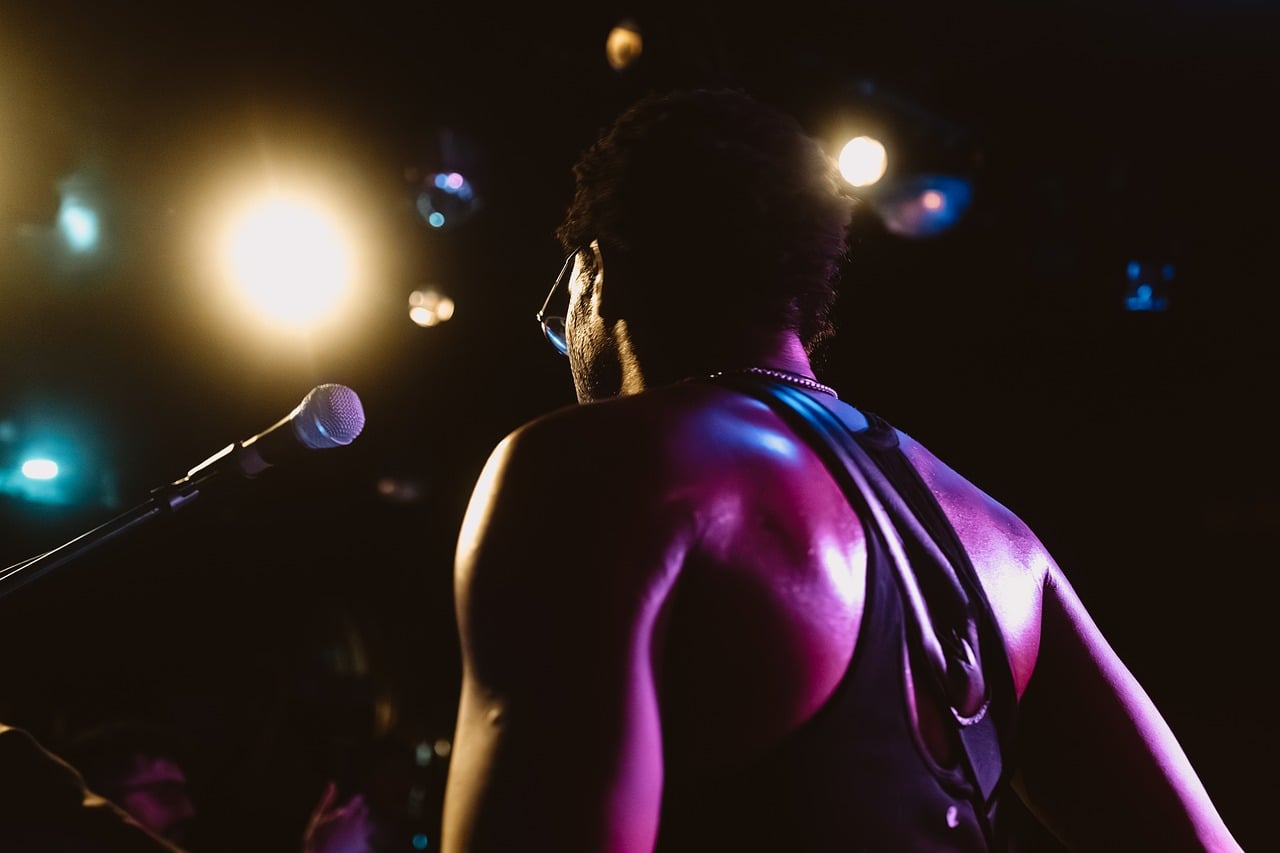
Copyright is a fundamental legal concept that grants creators exclusive rights to reproduce, distribute, perform, display, or license their original works. In live entertainment, this often applies to musical compositions, choreography, scripts, and visual designs. For example, a concert promoter must obtain a public performance license from a rights‑collecting society before playing a song in a stadium. Failure to secure this license can result in costly infringement lawsuits and the possible injunction of the event.
Trademark protects brand identifiers such as names, logos, and slogans that distinguish a product or service in the marketplace. A touring festival may register its name and logo as a trademark to prevent other promoters from using similar marks that could confuse fans. Trademark infringement can arise when a third‑party vendor sells merchandise bearing a protected logo without permission, leading to cease‑and‑desist letters and potential damages.
Licensing refers to the contractual permission granted by a rights holder to use a protected work under defined conditions. In the live sector, licensing agreements often outline the scope of use (e.G., Live performance, broadcast, recording), duration, territory, and royalty rates. A practical application is the negotiation of a mechanical license when a live show is recorded for later distribution on streaming platforms; the license ensures the songwriter receives appropriate compensation per copy sold or streamed.
Performance rights are the specific rights to publicly perform a copyrighted work. These rights are typically administered by performance‑rights organizations (PROs) such as ASCAP, BMI, or SESAC. When a venue hosts a band, the venue is responsible for paying the PROs a blanket fee that covers all performances, which is then distributed to the songwriters. Challenges arise when an event includes a mix of licensed and unlicensed material, requiring careful set‑list management to avoid unintentional infringement.
Mechanical rights involve the reproduction of a musical composition in a fixed medium, such as a CD, digital download, or streaming file. In live entertainment, mechanical rights become relevant when a concert is filmed and later sold as a DVD or streamed online. The promoter must secure a mechanical license, often through agencies like the Harry Fox Agency, to ensure the composer receives statutory royalties for each unit sold or streamed.
Synchronization (or sync) rights allow a musical composition to be paired with visual images, such as in a concert film or promotional video. A live‑event producer creating a highlight reel must obtain sync licenses for each song used, otherwise the producer may face infringement claims and potential removal of the video from distribution platforms.
Public performance is a key concept that denotes any performance of a work that is open to the public, whether in a theatre, stadium, or streamed online. The distinction between a private rehearsal and a public concert is critical; only the latter triggers the need for performance‑rights licensing. A common challenge for emerging promoters is determining whether a livestream to a limited audience still qualifies as a public performance, which often depends on the size and accessibility of the audience.
Venue contracts are legally binding agreements between promoters and the owners or operators of a performance space. These contracts typically address rental fees, dates, technical specifications, insurance requirements, and responsibilities for security and crowd control. An example of a practical issue is a clause that requires the promoter to provide proof of liability insurance before the venue will grant access to the stage. Failure to comply can result in the cancellation of the event and potential breach‑of‑contract damages.
Talent agreements outline the terms under which artists, performers, and speakers provide their services. These agreements cover performance fees, payment schedules, technical riders, travel arrangements, and intellectual‑property clauses. A frequent challenge is negotiating “force majeure” language that protects both parties if an unforeseen event, such as a natural disaster or pandemic, prevents the performance from occurring. Clear language on refunds, rescheduling, and liability limits is essential to avoid costly disputes.
Force majeure clauses excuse performance under circumstances beyond a party’s control, such as earthquakes, hurricanes, or government‑mandated shutdowns. In the live‑entertainment context, these clauses have become particularly salient after the COVID‑19 pandemic, prompting many contracts to include specific references to public‑health emergencies. A practical application involves the promoter notifying the venue and talent of a cancellation due to a declared emergency, invoking the force majeure clause to mitigate liability for any prepaid deposits.
Indemnity provisions require one party to compensate the other for losses arising from certain actions or omissions. For instance, a promoter may indemnify the venue against claims resulting from audience injuries caused by the promoter’s security staff. Conversely, the venue might indemnify the promoter for damages caused by structural failures of the building. These clauses must be negotiated carefully to allocate risk appropriately and to avoid overly broad indemnification that could expose a party to unforeseen liabilities.
Liability in live entertainment can stem from various sources, including personal injury, property damage, and intellectual‑property infringement. Liability insurance is a standard requirement in most venue contracts, providing coverage for bodily injury, property loss, and sometimes media liability. A challenge for promoters is ensuring that the policy limits are sufficient to cover potential claims, especially for large‑scale festivals where the number of attendees and the complexity of the production increase exposure.
Insurance policies commonly required for live events include general liability, workers’ compensation, property, and event cancellation coverage. General liability protects against third‑party claims for bodily injury or property damage, while workers’ compensation covers employee injuries. Event cancellation insurance reimburses the promoter for non‑refundable expenses if the event is forced to cancel due to covered perils. A practical example is a promoter purchasing a cancellation policy that covers weather‑related postponements, thereby safeguarding the financial investment in stage construction and talent fees.
Confidentiality clauses, often found in talent agreements and production contracts, oblige parties to keep proprietary information private. This may include set designs, script details, or financial terms. Breach of confidentiality can lead to injunctions and monetary damages. In practice, a promoter may require all crew members to sign a non‑disclosure agreement (NDA) before granting access to rehearsals, ensuring that unreleased creative content does not leak to competitors or the public prematurely.
Non‑disclosure agreements are a type of confidentiality contract that specifically restricts the sharing of sensitive information. They are frequently used when negotiating new technology for stage lighting or when discussing a surprise element in a performance. A challenge arises when an artist inadvertently reveals confidential details in an interview, triggering a breach claim that may necessitate legal remedy and potential monetary penalties.
Moral rights protect the personal and reputational interests of creators, allowing them to object to derogatory treatments of their work. While moral rights are more strongly recognized in some jurisdictions, they can still influence live‑event decisions. For example, a choreographer may assert moral rights to prevent unauthorized alterations to a dance piece during a tour, requiring the promoter to obtain explicit consent before modifying the choreography.
Right of publicity gives individuals control over the commercial use of their name, likeness, and persona. In live entertainment, this right is crucial when using an artist’s image on promotional materials, merchandise, or ticketing platforms. A practical scenario involves a promoter needing a signed release from a celebrity before printing their portrait on a concert poster; without such consent, the promoter could face a lawsuit for unauthorized use of the celebrity’s likeness.
Defamation encompasses false statements that harm a person’s reputation, including libel (written) and slander (spoken). In the context of live events, defamation can arise from promotional copy that inaccurately portrays an artist’s background or from on‑stage remarks that disparage a competitor. A promoter must carefully vet all public statements to avoid legal exposure, and a real‑world example includes a festival organizer retracting a press release after a claim about an artist’s award history was proven false, thereby mitigating potential defamation damages.
Privacy rights protect individuals from unwarranted intrusion into personal matters. Live‑entertainment venues must respect privacy when collecting attendee data, photographing audiences, or broadcasting performances. For instance, a venue that records audience members without consent may violate privacy statutes, leading to regulatory fines and reputational harm. Implementing clear signage and obtaining opt‑in consent for recordings are practical steps to safeguard privacy compliance.
Censorship involves the suppression or alteration of content deemed objectionable by authorities or the public. While artistic freedom is a core value, live events may encounter censorship pressures from local governments, sponsors, or community groups. A practical challenge is navigating local ordinances that restrict certain lyrical content or visual imagery, requiring promoters to either edit the performance or seek exemptions. Understanding the balance between creative expression and regulatory compliance is essential to avoid performance bans or fines.
Age restrictions are legal requirements that limit access to certain events based on the age of attendees, often tied to content rating or alcohol service. Venues must enforce age verification procedures, such as checking government‑issued identification at entry points. Failure to enforce age restrictions can lead to violations of liquor licensing laws, potential fines, and loss of the venue’s license. A common operational solution is to train staff on proper ID checking and to use electronic ticketing systems that flag age‑restricted tickets.
ADA compliance refers to adherence to the Americans with Disabilities Act, which mandates accessible facilities and accommodations for individuals with disabilities. In live entertainment, this includes wheelchair‑accessible seating, assistive listening devices, and sign‑language interpreters when required. Non‑compliance can result in lawsuits, civil penalties, and negative publicity. A practical measure is to conduct an accessibility audit of the venue before each event and to provide clear information on available accommodations in promotional materials.
Safety regulations encompass a wide range of standards designed to protect audiences, staff, and performers. These regulations are enforced by local fire departments, occupational‑safety agencies, and health authorities. Key components include fire‑exit signage, crowd‑density limits, and emergency‑evacuation plans. A challenge for large festivals is coordinating multiple stages, each with its own safety plan, while ensuring overall site compliance. Regular safety drills and collaboration with local emergency services are essential best practices.
Labor laws govern the employment relationship, covering wages, working hours, overtime, and employee classification. In the live‑entertainment sector, crew members, technicians, and temporary staff are often subject to specific labor statutes, such as the Fair Labor Standards Act (FLSA) in the United States. Misclassifying employees as independent contractors can lead to back‑pay claims and penalties. A practical approach is to conduct a classification audit and to provide clear contracts that reflect the true nature of the work relationship.
Union agreements are collective bargaining contracts that establish terms for union‑represented workers, such as stagehands, musicians, and technicians. These agreements dictate wages, benefits, work rules, and grievance procedures. For example, a promoter hiring a unionized orchestra must comply with the union’s stipulated rates and provide appropriate breaks. Failure to honor union contracts can trigger strikes, work stoppages, and legal injunctions, jeopardizing the event’s success.
Collective bargaining is the process through which unions negotiate with employers to establish contract terms. In live entertainment, collective bargaining may involve negotiations over load‑in and load‑out times, overtime pay, and safety provisions. A practical challenge is aligning the union’s demands with the promoter’s budget and schedule constraints, often requiring creative solutions such as staggered crew shifts or supplemental compensation packages.
Work‑stop provisions allow unions to halt work in response to contract violations. In the live‑event context, a work‑stop can be triggered if a promoter fails to provide agreed‑upon overtime pay or safe working conditions. The resulting disruption can cause significant financial loss and reputational damage. To mitigate this risk, promoters should maintain open communication with union representatives and promptly address any grievances.
Gig economy workers, such as freelance sound engineers or video operators, often operate outside traditional employment frameworks. While offering flexibility, this model raises legal questions about worker classification, benefits, and liability. A practical implication is the need to secure appropriate insurance coverage for independent contractors, ensuring that any negligence on their part does not expose the promoter to undue risk.
Royalties are ongoing payments made to rights holders for the continued use of their work. In live entertainment, royalties may be due to songwriters (performance royalties), composers (mechanical royalties), and performers (residuals for recorded performances). A common challenge is accurately tracking usage across multiple platforms, especially when a concert is simultaneously streamed live and later uploaded to a video‑hosting site. Implementing robust royalty‑tracking software can help ensure compliance and timely payments.
Residuals are a specific type of royalty paid for subsequent uses of a recorded performance, such as rebroadcasts or streaming. For live‑event recordings, residuals may be owed to performers and producers under union agreements. Negotiating residual terms in talent contracts is essential to avoid future disputes. For example, a contract may specify a 5 % residual on all digital streaming revenue derived from a concert film.
Royalty collection societies such as ASCAP, BMI, and SESAC in the United States, or PRS in the United Kingdom, manage the collection and distribution of performance royalties on behalf of their members. Promoters must register set‑lists with the appropriate societies and pay blanket fees or per‑performance fees. Failure to report accurately can lead to audits, back‑pay demands, and potential penalties.
Copyright infringement occurs when a protected work is used without permission from the rights holder. In live entertainment, infringement can arise from unlicensed cover songs, unauthorized recordings, or the use of copyrighted visual elements in stage design. A practical example is a DJ playing a remix that incorporates a sampled track without clearing the sample, exposing the event organizer to infringement claims and possible statutory damages.
Fair use is a legal doctrine that permits limited use of copyrighted material without permission for purposes such as criticism, commentary, news reporting, teaching, or research. In a live‑event setting, fair use might apply when a performer briefly quotes a short excerpt of a song for a parody. However, the doctrine is narrowly construed, and reliance on fair use carries risk; promoters should seek legal counsel before invoking it as a defense.
Fair dealing is a similar concept used in Commonwealth jurisdictions, allowing limited use of copyrighted works for specific purposes. Understanding the jurisdiction‑specific nuances of fair dealing is crucial for international tours, as a practice permissible in Canada may not be recognized in the United Kingdom. Promoters must tailor their usage policies accordingly to avoid cross‑border infringement.
DMCA (Digital Millennium Copyright Act) provides a framework for handling online copyright infringement, including the “notice‑and‑takedown” process. When a concert is streamed online, the platform may receive DMCA notices alleging unauthorized content. The promoter must respond promptly, either by removing the infringing material or by filing a counter‑notice if the use is lawful. Proper DMCA compliance safeguards against liability and protects the event’s online presence.
Takedown notice is a formal request issued under the DMCA to remove copyrighted material from a website or platform. In the live‑entertainment arena, a takedown notice may be sent if a fan uploads a full concert video without permission. Promptly addressing such notices helps maintain good standing with rights‑holding societies and avoids potential statutory damages.
Safe harbor provisions protect online service providers from liability for user‑generated content, provided they act expeditiously to remove infringing material upon notice. Streaming platforms that host live concerts rely on safe harbor to limit exposure. However, the safe‑harbor protection does not apply if the platform has actual knowledge of infringement or is involved in the creation of the infringing content. Understanding these limitations is vital for platforms that host user‑uploaded concert footage.
Digital rights management (DRM) technologies control the use and distribution of digital content, preventing unauthorized copying or sharing. For live‑event recordings, DRM may be employed on DVDs or streaming files to enforce licensing terms. A practical challenge is balancing DRM protection with user experience, as overly restrictive DRM can deter legitimate consumers and generate negative feedback.
Streaming services deliver live or on‑demand video over the internet. When a promoter partners with a streaming platform, they must negotiate rights for live broadcast, geographic restrictions, and revenue sharing. A common contractual clause is the “exclusive streaming window,” which prevents the event from being streamed on competing platforms for a defined period. Failure to honor exclusivity can result in breach‑of‑contract claims.
Broadcast refers to the transmission of audio or video content via television, radio, or satellite. Live concerts may be broadcast to a wider audience, requiring separate broadcast licenses and compliance with federal communications regulations. For example, a network airing a live concert must secure performance rights and may be subject to content‑rating requirements imposed by the FCC.
Piracy is the illegal copying and distribution of copyrighted works. In the live‑entertainment industry, piracy manifests as unauthorized recordings of concerts uploaded to file‑sharing sites. To combat piracy, promoters may employ watermarking, engage with anti‑piracy services, and pursue legal action against infringers. Despite these measures, piracy remains a persistent challenge that can erode revenue and diminish the perceived value of the event.
Bootlegging specifically denotes the unauthorized recording of live performances, often by audience members using personal devices. While bootlegging can generate buzz, it also undermines the rights holder’s ability to control distribution and collect royalties. Some promoters mitigate bootlegging by offering official live‑recording packages, providing high‑quality audio and video for purchase, thereby reducing the incentive for illicit recordings.
Ticket scalping involves the resale of tickets at prices above face value, often by individuals who purchase tickets in bulk and resell them for profit. Many jurisdictions have enacted anti‑scalping laws that limit resale prices or require sellers to be licensed. Promoters must navigate these regulations and may implement measures such as paper‑less tickets with unique QR codes to track resale and enforce pricing caps.
Secondary market refers to the resale of tickets after the primary sale, typically through authorized resale platforms. While secondary markets can increase accessibility, they also raise concerns about price inflation and fraudulent tickets. Promoters often partner with reputable resale services that verify ticket authenticity and enforce price‑floor or price‑ceiling policies to protect consumers.
Resale contracts between promoters and ticketing platforms may include clauses that restrict the use of bots for bulk purchasing, outline refund policies, and define the responsibilities of each party in handling customer disputes. A practical challenge is ensuring that resale platforms comply with local consumer‑protection statutes, which may require transparent pricing and clear return procedures.
Anti‑scalping legislation varies by jurisdiction, with some regions imposing strict price‑control measures and others focusing on consumer‑protection against fraudulent tickets. Promoters must stay informed about the legal landscape in each market where events occur, adapting ticket‑sale strategies accordingly. For instance, a promoter may limit the number of tickets per credit‑card transaction to deter bulk purchases intended for resale.
Consumer protection laws safeguard buyers from deceptive practices, false advertising, and unfair contract terms. In the live‑entertainment context, these laws apply to ticket sales, marketing materials, and refund policies. A common pitfall is ambiguous language in ticket terms that leads to consumer confusion about cancellation rights; clear, concise disclosures help avoid regulatory scrutiny and potential lawsuits.
False advertising occurs when promotional content misrepresents a product or service, such as exaggerating an artist’s involvement or omitting material restrictions. If a festival advertises a “headliner” but the artist performs only a brief set, attendees may claim deceptive marketing. To mitigate this risk, promoters should use precise language in advertising and provide accurate line‑up information.
Deceptive marketing extends beyond false advertising to include practices like hidden fees, ambiguous pricing, or bait‑and‑switch tactics. For example, a ticketing site that advertises “free entry” but adds mandatory service charges at checkout may be deemed deceptive. Compliance with consumer‑protection statutes requires transparent pricing structures and straightforward terms of sale.
Sponsorship involves a commercial entity providing financial or in‑kind support for an event in exchange for brand exposure. Sponsorship agreements must address trademark usage, exclusivity clauses, and compliance with advertising standards. A challenge arises when a sponsor’s product conflicts with venue policies, such as an alcohol brand sponsoring a family‑friendly festival; the promoter must negotiate terms that respect both parties’ interests.
Endorsement is a form of sponsorship where an artist publicly promotes a product or service. Endorsement deals often require separate agreements that outline compensation, usage rights, and disclosure requirements. In many jurisdictions, regulatory bodies require clear disclosure of paid endorsements to protect consumers from undisclosed advertising. Failure to disclose can result in fines and damage to the artist’s reputation.
Conflict of interest arises when a party’s personal or financial interests could improperly influence professional decisions. In live‑event management, a promoter who owns a ticket‑resale platform may face scrutiny if they prioritize that platform over more consumer‑friendly options. Transparent disclosure and adherence to ethical guidelines help mitigate conflict‑of‑interest concerns.
Bribery involves offering, giving, receiving, or soliciting something of value to influence a business decision. In the entertainment industry, bribery risks may appear in venue procurement, talent booking, or licensing negotiations. Anti‑bribery policies, combined with regular audits, are essential to ensure compliance with laws such as the Foreign Corrupt Practices Act (FCPA) for international tours.
Anti‑corruption regulations aim to prevent illicit payments and unethical behavior in business transactions. Promoters operating internationally must be aware of local anti‑corruption statutes and implement robust compliance programs, including training for staff on acceptable gift limits and reporting mechanisms for suspected violations.
Whistleblower protections encourage individuals to report wrongdoing without fear of retaliation. In a live‑event organization, a whistleblower might expose safety violations or financial mismanagement. Establishing confidential reporting channels and respecting whistleblower rights fosters an ethical culture and can prevent larger legal exposures.
Code of conduct outlines expected behavior for employees, contractors, and partners, covering areas such as harassment, discrimination, and conflict resolution. A well‑crafted code of conduct serves as a preventative tool, guiding daily actions and providing a basis for disciplinary measures when violations occur.
Professional ethics in live entertainment encompass duties to artists, audiences, and the broader community. Ethical considerations include honoring contractual commitments, ensuring fair compensation, and promoting inclusive programming. Integrating ethics training into staff onboarding reinforces the organization’s commitment to responsible practices.
Artistic freedom is the right of creators to express themselves without undue censorship or interference. While valued, artistic freedom may clash with community standards or legal restrictions, such as obscenity laws. Promoters must balance respect for creative expression with compliance to local ordinances, often requiring dialogue with community stakeholders to anticipate potential objections.
Censorship can be imposed by governmental bodies, licensing authorities, or private sponsors. An example is a city council denying a permit for a performance that contains politically sensitive content. Understanding the legal thresholds for censorship, such as the Miller test for obscenity in the United States, helps promoters assess risk and develop mitigation strategies.
Content rating systems classify entertainment based on age‑appropriateness and thematic elements. Live events may adopt rating guidelines similar to those used in film, providing audiences with clear expectations. For instance, a concert with explicit lyrics may be designated “M” (Mature) and restricted to attendees over a certain age, aligning with venue policies and local regulations.
Rating systems differ internationally; promoters must be familiar with the classification frameworks of each market. In Australia, the Australian Classification Board assigns ratings such as “MA15+,” while in the United Kingdom, the BBFC provides “18” classifications. Accurate rating application reduces the risk of regulatory penalties and protects vulnerable audiences.
Parental advisory labels are commonly used to warn about explicit language or themes in musical performances. While not legally required, these labels serve as a best practice for transparency and can help mitigate parental concerns. Including a parental advisory on promotional materials demonstrates a proactive approach to content disclosure.
Cultural sensitivity involves recognizing and respecting the diverse backgrounds of audiences and performers. Insensitive content can lead to public backlash, protests, or even legal action under hate‑speech statutes. Promoters should conduct cultural‑impact assessments when planning shows that incorporate elements from traditions not native to the primary audience, ensuring respectful representation.
Appropriation refers to the use of cultural symbols or practices without proper acknowledgment or compensation to the originating community. In live entertainment, appropriation concerns may arise when a performer adopts traditional attire or rituals for aesthetic effect. Addressing appropriation involves engaging with cultural consultants, providing appropriate credit, and, where feasible, sharing financial benefits with the source community.
Diversity and inclusion initiatives aim to broaden participation across gender, race, ethnicity, ability, and sexual orientation. Implementing diversity policies can improve audience reach and fulfill ethical commitments. Practical steps include diverse talent booking, inclusive marketing imagery, and accessibility accommodations. Failure to prioritize diversity may result in reputational damage and loss of sponsorship opportunities.
Harassment encompasses unwanted behavior that creates a hostile environment, ranging from verbal comments to physical intimidation. In the live‑event workplace, harassment can occur among staff, performers, or audience members. Establishing clear anti‑harassment policies, providing training, and offering confidential reporting mechanisms are essential to maintain a safe and respectful environment.
Sexual harassment is a specific form of harassment involving unwelcome sexual advances or conduct. The entertainment industry has faced high‑profile cases that underscore the importance of robust preventive measures. Promoters should adopt a zero‑tolerance stance, enforce strict codes of conduct, and ensure that any allegations are investigated promptly and impartially.
Workplace safety is governed by occupational‑safety regulations that require risk assessments, safety equipment, and training. For large venues, this includes proper rigging of lighting and sound equipment, safe handling of pyrotechnics, and clear signage for emergency exits. Regular safety audits and coordination with certified safety consultants reduce the likelihood of accidents and associated liability.
Emergency planning involves developing procedures for responding to incidents such as fires, severe weather, or security threats. A comprehensive emergency plan outlines evacuation routes, communication protocols, and designated assembly points. Conducting drills with staff and collaborating with local emergency services enhance preparedness and can save lives during an actual emergency.
Crowd management is the practice of controlling audience movement to prevent overcrowding, bottlenecks, and panic. Effective crowd management includes strategic placement of barriers, trained security personnel, and real‑time monitoring of crowd density using video analytics. Poor crowd control can lead to injuries, regulatory fines, and negative media coverage.
Security personnel must be vetted, trained, and equipped to handle both routine checks and potential threats. Coordination with law‑enforcement agencies, especially for high‑profile events, ensures that security protocols align with public‑safety standards. A security breach, such as unauthorized entry onto the stage, can result in liability claims and damage to the event’s reputation.
Risk assessment is a systematic process of identifying potential hazards, evaluating their likelihood, and determining the impact on the event. Promoters use risk‑assessment matrices to prioritize mitigation measures. For example, a risk assessment may reveal that a temporary stage structure poses a high risk of collapse, prompting the promoter to invest in a more robust design or to secure additional insurance coverage.
Incident reporting requires documenting any accidents, injuries, or security breaches that occur during an event. Accurate reporting facilitates compliance with regulatory bodies, supports insurance claims, and informs future risk‑mitigation strategies. A standardized incident‑report form, completed by staff within a set timeframe, ensures consistency and completeness.
Crisis management encompasses the coordinated response to unexpected, high‑impact events that threaten the organization’s reputation or operations. Effective crisis management includes a clear chain of command, pre‑approved messaging templates, and media‑relations strategies. For instance, a sudden power outage during a headline performance requires rapid communication to the audience, coordination with technical teams, and possibly compensatory measures such as ticket refunds.
PR (public relations) professionals play a crucial role in shaping the narrative surrounding an event, handling media inquiries, and managing fallout from controversies. A well‑executed PR plan can turn a potential crisis into an opportunity for positive engagement, while inadequate communication can exacerbate reputational damage.
Media relations involve building and maintaining relationships with journalists, bloggers, and influencers who cover live‑entertainment topics. Proactive media outreach, provision of press kits, and timely response to inquiries foster favorable coverage. Conversely, ignoring media concerns or providing inaccurate information can lead to negative press and audience distrust.
Defamation claims can arise from inaccurate statements made in press releases, social media posts, or interviews. To avoid defamation liability, organizations should verify factual claims, obtain legal review of potentially sensitive content, and provide avenues for correction when errors occur. A real‑world example includes a promoter issuing a correction after mistakenly attributing an award to an artist who had not received it, thereby mitigating the risk of a libel suit.
Libel is the written form of defamation, while slander refers to spoken statements. Both can be actionable if the statements are false, published to a third party, and cause reputational harm. In the digital age, social‑media posts can constitute libel if they contain unverified allegations about an artist’s conduct.
Privacy invasion occurs when personal information is disclosed without consent. Live‑event organizers often collect attendee data for ticketing and marketing. Implementing robust data‑privacy policies, limiting data collection to necessary fields, and providing clear opt‑in choices help prevent privacy‑invasion claims.
Data protection laws such as the GDPR (General Data Protection Regulation) in the European Union and the CCPA (California Consumer Privacy Act) in the United States regulate how personal data is collected, stored, and used. Compliance requires appointing a data‑protection officer, conducting impact assessments, and offering individuals the right to access, correct, or delete their data. Non‑compliance can result in substantial fines and loss of consumer trust.
Data breach incidents involve unauthorized access to sensitive information, such as credit‑card numbers or personal identifiers. Prompt breach notification, remediation measures, and transparent communication are essential to limit legal exposure and preserve brand integrity. Insurance policies covering cyber‑risk can provide financial support for breach response costs.
Ticket data includes purchaser names, contact details, and payment information. Protecting this data is a legal obligation under data‑protection statutes. Implementing encryption, secure storage, and regular security audits reduces the risk of data breaches and associated penalties.
Cybersecurity measures are critical for safeguarding online ticketing platforms, streaming services, and internal networks. Threats such as ransomware, phishing, and DDoS attacks can disrupt event operations and compromise sensitive data. A layered security approach, including firewalls, intrusion detection systems, and employee training, enhances resilience.
Intellectual property (IP) encompasses copyrights, trademarks, patents, and trade secrets. In live entertainment, IP considerations affect stage designs, lighting concepts, and proprietary production techniques. Protecting IP through registration, confidentiality agreements, and vigilant monitoring helps preserve competitive advantage.
Public domain consists of works whose copyrights have expired or been forfeited, allowing unrestricted use. When incorporating classic compositions into a performance, promoters must verify that the works are indeed in the public domain to avoid inadvertent infringement. Misjudging the status of a work can lead to unexpected licensing costs.
Orphan works are copyrighted works whose owners cannot be located. Using orphan works poses legal uncertainty; some jurisdictions permit a “diligent search” defense, while others offer limited statutory licenses. Promoters should document efforts to locate rights holders and consider alternative works to mitigate risk.
Work for hire contracts designate that the creator’s output becomes the employer’s property. In live‑event production, a designer may create a stage set under a work‑for‑hire agreement, transferring all rights to the promoter. Clear contract language ensures that ownership and royalty obligations are understood by all parties.
Joint ownership arises when multiple parties contribute to the creation of a work, such as co‑written songs or collaborative choreography. Joint owners must agree on licensing terms, revenue splits, and enforcement actions. Disputes can occur if one co‑owner licenses the work without consent, underscoring the need for detailed joint‑ownership agreements.
Collaboration agreements outline the contributions, rights, and revenue sharing for joint creative projects. Including provisions for dispute resolution, termination, and credit attribution helps prevent misunderstandings. For example, a partnership between a visual artist and a musical act may specify how each party’s work will be displayed and how profits from merchandise sales will be divided.
Termination clause defines the circumstances under which a contract may be ended prematurely, such as material breach, insolvency, or mutual agreement. In live‑event contracts, termination clauses often address cancellation policies, refund obligations, and the return of deposits. Clear termination terms protect both promoters and talent from ambiguous obligations.
Force majeure (re‑emphasized for clarity) clauses must be drafted with specificity, outlining the types of events that qualify and the procedural steps for invoking the clause. Overly broad force‑majeure language can be contested in court, so precise definitions and notice requirements are advisable.
Unforeseeable events may include emerging threats such as cyber‑attacks or pandemics. Recent contractual language has expanded to incorporate “pandemic” as a distinct category, ensuring that parties have a shared understanding of obligations when health crises arise.
Insurance claims are filed when an insured loss occurs, such as damage to equipment or cancellation due to a covered peril. Prompt documentation, adherence to policy conditions, and cooperation with the insurer’s adjuster are essential for successful claim resolution. Failure to meet claim requirements can result in denial of coverage.
General liability insurance provides coverage for third‑party bodily injury and property damage claims. For large festivals, general liability limits often need to be increased to accommodate the higher risk profile. Negotiating appropriate coverage limits with insurers is a critical component of risk management.
Professional indemnity (or errors‑and‑omissions) insurance protects against claims arising from professional advice or services that result in financial loss. In live entertainment, a production designer could be sued for design flaws that cause a structural failure; professional indemnity coverage would address such allegations.
Key takeaways
- Copyright is a fundamental legal concept that grants creators exclusive rights to reproduce, distribute, perform, display, or license their original works.
- Trademark infringement can arise when a third‑party vendor sells merchandise bearing a protected logo without permission, leading to cease‑and‑desist letters and potential damages.
- Licensing refers to the contractual permission granted by a rights holder to use a protected work under defined conditions.
- When a venue hosts a band, the venue is responsible for paying the PROs a blanket fee that covers all performances, which is then distributed to the songwriters.
- The promoter must secure a mechanical license, often through agencies like the Harry Fox Agency, to ensure the composer receives statutory royalties for each unit sold or streamed.
- A live‑event producer creating a highlight reel must obtain sync licenses for each song used, otherwise the producer may face infringement claims and potential removal of the video from distribution platforms.
- A common challenge for emerging promoters is determining whether a livestream to a limited audience still qualifies as a public performance, which often depends on the size and accessibility of the audience.